
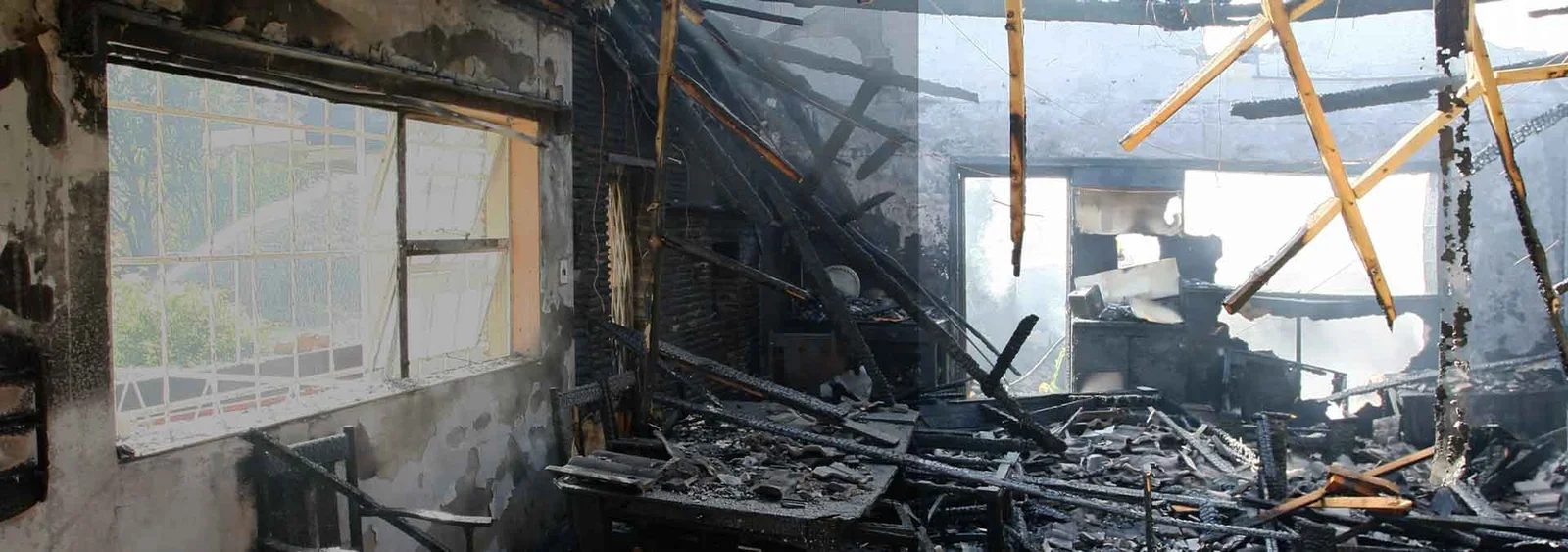
Fire damage restoration in Broomfield, CO addresses the complex aftermath of fires, including smoke infiltration, soot damage, and water from firefighting efforts. The area's semi-arid climate, elevation, and housing characteristics create specific challenges that require professional restoration approaches.
- Broomfield's dry climate at 5,400 feet elevation means building materials have lower moisture content, causing them to burn differently and absorb smoke compounds more readily. Homes range from 1970s ranches to 2000s developments, each requiring tailored restoration techniques.
- The restoration process includes emergency board-up, damage assessment, water extraction, smoke and soot removal using specialized methods, odor treatment, and reconstruction. Documentation supports insurance claims throughout each phase.
- Common local fire risks include attached garages as origin points, older HVAC systems spreading smoke rapidly, finished basements trapping hidden damage, and winter heating equipment failures peaking from November through February.
Fire damage restoration is a systematic process that addresses the complex destruction caused by fires in homes. It goes beyond repairing flame damage to include removing smoke that infiltrates every corner, cleaning soot from porous materials, and addressing water damage from firefighting efforts. The process involves thorough assessment, remediation of all affected areas, and complete reconstruction to restore the property.
Overview
When fire strikes a Broomfield home, the aftermath extends far beyond what flames directly touched. Smoke infiltrates every corner, soot settles into materials you never knew were porous, and water from firefighting efforts creates secondary damage that compounds the original destruction. Fire damage restoration addresses this complex web of destruction through systematic assessment, remediation, and reconstruction.
Broomfield's unique position along the Front Range – where dry conditions, occasional high winds, and a mix of newer developments and established neighborhoods converge – creates specific fire damage challenges. Professional restoration matters here because Colorado's semi-arid climate affects how materials respond to fire, smoke, and the moisture introduced during suppression efforts.
- Complete assessment of structural, smoke, and water damage from a single event
- Specialized techniques for removing persistent smoke odors from Colorado's common building materials
- Coordination between demolition, cleaning, and reconstruction phases
- Documentation that satisfies insurance requirements while keeping you informed
Common Issues in Broomfield, CO
When fire damage peaks in Broomfield
Increased use of furnaces, space heaters, and fireplaces during cold Colorado winters leads to more residential fires.
Hot, dry conditions and proximity to grasslands and foothills increase wildfire risk and smoke damage to properties.
Fourth of July celebrations combined with dry summer conditions cause a spike in accidental fires.
Broomfield sits at approximately 5,400 feet elevation where relative humidity often drops below 20% during winter months. This dry air means materials in local homes – from wood framing to textiles – have lower moisture content than coastal regions. When fire occurs, these drier materials burn differently and absorb smoke compounds more readily.
The community's growth pattern has created distinct fire damage scenarios. Neighborhoods developed during the 1970s through 1990s often feature construction methods and materials that respond differently to fire than homes built in the 2000s developments near Interlocken or the Anthem community.
- Wildland-urban interface proximity in western Broomfield increases ember exposure risk during fire weather
- Older HVAC systems in established neighborhoods can distribute smoke throughout entire homes rapidly
- Finished basements common in local homes trap smoke and create hidden damage zones
- Seasonal chinook winds can spread fire and smoke damage across larger areas of a structure
- Attached garages – standard in most Broomfield homes – often serve as fire origin points
- Winter heating equipment failures peak during November through February
Warning signs that fire damage requires professional attention include persistent smoke odor after initial cleaning, discoloration spreading on walls or ceilings days after an incident, and respiratory irritation when entering affected areas. Soot residue that appears powdery but smears when touched indicates protein-based smoke damage requiring specialized treatment.
How Best Option Restoration of Lakewood Can Help
Fire damage restoration follows a structured sequence designed to prevent secondary damage while methodically returning your home to pre-loss condition. Our approach prioritizes clear communication at each phase so you understand what's happening and why.
Initial Response and Assessment
- Emergency board-up and tarping to secure the structure against weather and unauthorized entry
- Comprehensive damage mapping documenting fire, smoke, soot, and water damage zones
- Air quality testing to identify contamination levels and appropriate respiratory protection needs
- Development of a restoration scope with prioritized action items
Active Restoration Phase
Once assessment is complete, restoration work begins with water extraction if firefighting efforts introduced moisture. This step prevents mold development – a common secondary issue in fire-damaged Broomfield homes where water meets Colorado's temperature fluctuations.
- Smoke and soot removal using dry sponges, HEPA vacuuming, and wet cleaning methods matched to surface types
- Thermal fogging and ozone treatment for odor neutralization in appropriate applications
- Content cleaning and pack-out services for salvageable belongings
- Structural cleaning of framing, subfloors, and concealed spaces
Reconstruction and Completion
The final phase involves rebuilding damaged areas to match existing construction. Our team maintains communication throughout, providing regular updates and remaining available to answer questions as your home returns to normal.
Insurance & Documentation
Fire damage claims require thorough documentation from the moment restoration begins. We create detailed records that support your claim while maintaining transparency about every action taken on your property.
Our documentation process captures the full scope of damage and restoration activities through multiple formats.
- Photographic and video documentation of all affected areas before, during, and after restoration
- Itemized inventories of damaged contents with condition assessments
- Moisture readings and air quality measurements with dated records
- Daily work logs detailing activities, materials used, and personnel on site
- Third-party laboratory results for any specialized testing performed
We work directly with insurance adjusters, providing requested documentation promptly and clarifying technical aspects of restoration work when needed. Our team holds IICRC certifications that insurance companies recognize as industry standard qualifications. This credentialing streamlines the claims process by establishing our work meets accepted professional standards.
Why Choose Best Option Restoration of Lakewood
Serving Broomfield from our Lakewood base means we understand Front Range conditions – the dry air that affects smoke absorption, the temperature swings that impact drying times, and the construction methods common throughout the Denver metro area. This regional knowledge translates into restoration approaches calibrated for local conditions rather than generic national protocols.
Our team maintains 24/7 availability because fire doesn't follow business hours. When you call, you reach someone who can dispatch a crew – not an answering service that delays response during the hours when secondary damage accelerates most rapidly.
- IICRC-certified technicians in fire and smoke restoration, water damage restoration, and odor control
- Direct communication with project managers throughout your restoration
- Local vendor relationships that expedite material sourcing for reconstruction
- Follow-up assessments to confirm odor elimination and restoration completeness
Housing Characteristics & Fire Damage Restoration Considerations
Broomfield's housing stock reflects its transformation from agricultural community to Denver metro suburb. Homes built during the 1960s through 1980s in neighborhoods like Broadlands Heights and original Broomfield feature single-story ranch and bi-level designs with wood framing, aluminum wiring in some cases, and older electrical panels that represent fire risk factors.
The building boom from 1995 through 2010 added thousands of homes in developments like Anthem, McKay Landing, and Broadlands. These properties typically feature two-story construction, engineered wood products, and open floor plans that – while meeting modern codes – allow fire and smoke to spread rapidly between levels.
- Median home age in Broomfield falls between 25-35 years, placing many structures in the era before modern fire-blocking requirements
- Average home sizes of 2,200-2,800 square feet mean larger areas requiring assessment and potential treatment
- Stucco and fiber cement siding common in newer developments responds differently to heat than older wood or vinyl exteriors
- Finished basements in 60-70% of local homes create below-grade spaces where smoke settles and persists
Restoration approaches must account for these variations. A 1970s ranch with original insulation requires different smoke remediation than a 2005 Broadlands home with spray foam and modern air sealing. Our assessment process identifies construction methods and materials to tailor restoration techniques appropriately.
Environmental Conditions & Fire Damage Restoration Implications
Broomfield's semi-arid climate creates environmental conditions that directly affect fire damage restoration outcomes. Average relative humidity ranges from 30-50% annually, dropping into the teens during winter months. This low moisture environment means building materials maintain lower equilibrium moisture content than humid regions – affecting both how fires behave and how restoration drying progresses.
Air quality in Broomfield varies seasonally, with summer ozone levels occasionally reaching unhealthy ranges and winter inversions trapping particulates. Following a fire, these baseline conditions compound with smoke contamination, making air quality restoration a multi-faceted challenge.
- Annual precipitation of approximately 15 inches means structures rarely experience high ambient moisture – but firefighting water introduces sudden saturation
- Temperature swings of 40+ degrees within 24 hours affect material expansion and contraction during restoration
- Alkaline soils common along the Front Range influence foundation moisture dynamics when water intrusion occurs
- Broomfield's municipal water supply from the Northern Colorado Water Conservancy District affects cleaning solution effectiveness
Environmental regulations in Colorado require proper disposal of fire-damaged materials, particularly those containing asbestos found in some pre-1980 homes. Our restoration process includes material testing when age or construction type indicates potential hazardous material presence, with disposal following state environmental requirements.
Population Characteristics & Fire Damage Restoration Considerations
Broomfield's population of approximately 75,000 residents occupies a suburban landscape that blends family neighborhoods with professional corridors. The community's median household income exceeds $100,000, reflecting the concentration of technology, aerospace, and professional service employment at locations like Interlocken Business Park and along the US-36 corridor.
This demographic profile shapes fire damage restoration needs in several ways. Dual-income households often mean properties sit unoccupied during business hours – delaying fire discovery in some cases while also meaning homeowners have limited availability for daytime meetings and inspections.
- Population density of approximately 3,800 people per square mile creates predominantly single-family residential patterns
- Median age of 37 years indicates many households with children, requiring attention to safety and timeline concerns
- Home ownership rate exceeding 70% means most fire damage restoration involves owner-occupied properties with personal investment in outcomes
- Growing senior population in established neighborhoods may have mobility or health considerations affecting temporary relocation logistics
The professional demographic common in Broomfield often means homeowners research restoration options thoroughly and appreciate detailed communication about processes and progress. We structure our client communication to provide the information detail that allows busy professionals to stay informed without requiring constant on-site presence.
Fire Incident Patterns and Risk Factors in Broomfield
Broomfield's fire incident data reveals patterns relevant to understanding local restoration needs. The Broomfield Fire Department responds to approximately 200-250 structure fire incidents annually, ranging from small cooking fires to significant residential losses. This volume reflects both the community's population size and risk factors specific to the area.
Residential fires in Broomfield follow patterns common to Front Range communities while showing some local distinctions.
- Kitchen fires represent the leading cause of residential fire damage, with incidents peaking during evening meal preparation hours
- Heating equipment fires increase substantially from November through February, particularly in older homes with aging furnaces
- Electrical fires occur more frequently in pre-1985 construction where aluminum wiring and older panel designs remain in service
- Garage fires involving vehicles, stored chemicals, or electrical equipment affect attached structures common in local neighborhoods
- Wildfire threat elevates during spring and fall when dry conditions combine with high winds – the 2021 Marshall Fire demonstrated regional vulnerability
The Marshall Fire's proximity to Broomfield – destroying over 1,000 structures in neighboring Louisville and Superior – heightened local awareness of wildland-urban interface risks. Western Broomfield neighborhoods near open space face elevated ember exposure during red flag conditions, creating fire damage scenarios that differ from interior neighborhood incidents.
Response times in Broomfield average under six minutes for fire department arrival, limiting fire spread in many cases but still allowing significant smoke and water damage to occur. This response capability means many Broomfield fire damage scenarios involve partial structure damage with extensive smoke infiltration rather than total losses – situations where professional restoration can return homes to habitable condition.
Weather & Alerts in Broomfield, CO
Current Conditions
Temp: 58°F · Feels like: 57°F
Humidity: 64% · Wind: 3 mph
Emergency Alerts
No active alerts.
Fire Damage Restoration in Other Service Areas
Useful Numbers
- Life-threatening emergencies
- 911
- Poison Control
- 1-800-222-1222
- Suicide Prevention Lifeline
- 988
- Police (non-emergency)
- Visit your local police department website
- Fire Department (non-emergency)
- Check the Broomfield city website
- City Hall
- Available on the official Broomfield government website
- Non-Emergency Services
- Call 311 if available in your area
Always verify numbers from official city/county websites.