Best Option Restoration of Lakewood provides fire damage restoration services throughout Arvada, CO, addressing smoke, soot, water damage, and structural issues that result from fires in the area's unique semi-arid climate.
- Fire damage goes beyond flames to include smoke infiltration, soot settling into materials, and water damage from firefighting efforts that worsens quickly in Arvada's dry air. Professional restoration includes structural stabilization, odor elimination, and content cleaning.
- Arvada's housing stock from the 1960s to 1990s presents specific challenges including older electrical systems, aluminum wiring, and materials that require specialized handling during restoration. Low humidity causes soot to set faster into porous surfaces.
- The company offers 24/7 emergency response with IICRC-certified technicians, handles insurance documentation, and follows industry protocols. Services include board-up, water extraction, smoke removal, and reconstruction planning.
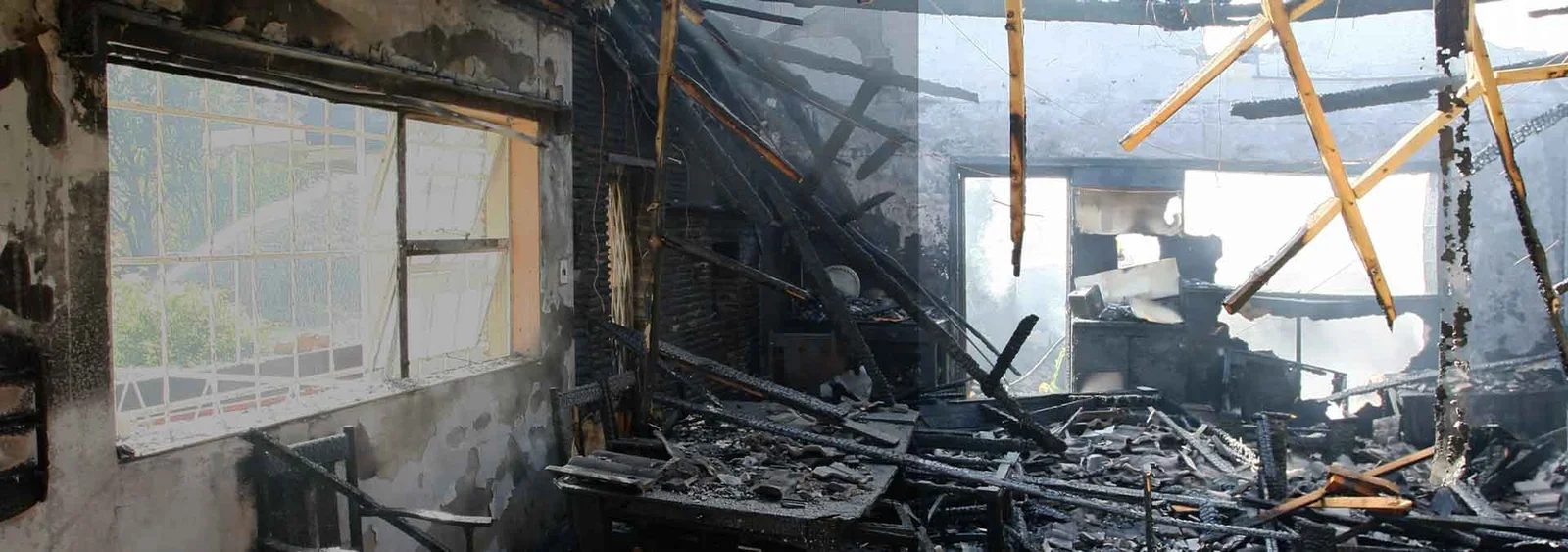
Fire damage restoration is a systematic process that addresses the complex destruction caused by fires in homes and buildings. Beyond repairing areas directly touched by flames, restoration professionals remediate smoke that infiltrates walls, soot that settles into fabrics, and water damage from firefighting efforts. This secondary damage worsens by the hour, making prompt professional assessment and remediation necessary for full property recovery.
Overview
What happens in the hours and days after a fire determines how fully your Arvada home can recover? Fire damage extends far beyond what flames directly touched – smoke infiltrates walls, soot settles into fabrics, and water from firefighting efforts creates secondary damage that worsens by the hour. Professional fire damage restoration addresses this complex web of destruction through systematic assessment and remediation.
Fire damage restoration encompasses structural stabilization, smoke and soot removal, odor elimination, water extraction, and comprehensive cleaning of salvageable contents. In Arvada's semi-arid climate, the dry air can cause soot to set more quickly into porous materials, making rapid professional response particularly valuable for local homeowners.
- Immediate board-up and tarping services to secure your property from weather and unauthorized entry
- Professional-grade air scrubbing to remove harmful particulates from indoor environments
- Specialized cleaning techniques for different materials – from delicate textiles to structural wood
- Complete documentation for insurance purposes, capturing damage before restoration begins
Common Issues in Arvada, CO
Seasonal risk calendar for Fire Damage Restoration in Arvada, CO
Based on local patterns and building stock, the months below tend to see the most calls.
Best Option Restoration of Lakewood provides Fire Damage Restoration services in all neighborhoods of Arvada including Apex, Cameo Estates, Candelas, CanyonView, Double E Ranch, Leyden Junction, MountainView, ParkView, Richard's Farm, Rocky, Shadow Mountain, SkyView, Solana Olde Town Station, Timberline Farms, TownView, and ValleyView.
Arvada's location along the Front Range creates specific fire damage patterns that differ from other regions. The city's proximity to open spaces and the foothills means wildfire smoke can compound damage from residential fires, while low humidity levels cause certain types of fire residue to bond more aggressively with surfaces.
Seasonal factors play a significant role in fire incidents throughout Arvada. Winter months see increased heating-related fires as residents use furnaces, space heaters, and fireplaces. Summer brings elevated wildfire risk, and the dry conditions year-round mean fires can spread quickly once ignited.
- Heating equipment failures during cold snaps – Arvada's temperature swings from mild days to frigid nights stress HVAC systems
- Kitchen fires in homes with older electrical systems, particularly in neighborhoods built during the 1970s construction boom
- Garage fires from improperly stored flammable materials reacting to temperature fluctuations
- Electrical fires in aging wiring – homes over 40 years old face increased risk
- Wildfire ember intrusion through vents and roof gaps during high-wind events
- Dryer vent fires from lint accumulation, exacerbated by dry climate conditions
Warning signs that fire damage requires professional attention include persistent smoke odors even after cleaning, discoloration spreading on walls or ceilings, respiratory irritation when indoors, and visible soot in HVAC vents. These indicators suggest damage has penetrated beyond surface-level cleaning capabilities.
How Best Option Restoration of Lakewood Can Help
Our fire damage restoration process begins the moment you contact us. We prioritize clear communication from the first phone call through project completion, keeping you informed at every stage.
Our Step-by-Step Restoration Process
- Emergency response and initial assessment – our team arrives to evaluate structural safety, document damage extent, and identify immediate stabilization needs
- Board-up and tarping – securing openings to prevent weather damage, theft, and animal intrusion
- Water extraction and drying – addressing firefighting water before it causes mold growth or additional structural damage
- Smoke and soot removal – using specialized techniques matched to the type of fire and affected materials
- Cleaning and sanitizing – treating all salvageable contents and structural surfaces
- Odor elimination – employing thermal fogging, ozone treatment, or hydroxyl generators based on contamination levels
- Reconstruction planning – coordinating repairs to return your home to pre-loss condition
Specialized Techniques We Employ
- HEPA air filtration to capture microscopic soot particles during remediation
- Dry ice blasting for delicate surfaces that cannot withstand traditional cleaning methods
- Ultrasonic cleaning for electronics, jewelry, and intricate items
- Thermal fogging that penetrates the same pathways smoke traveled
- Hydroxyl generators for safe, occupied-space odor treatment
Quality control checkpoints occur throughout the restoration timeline. We conduct moisture readings, air quality testing, and visual inspections before advancing to each subsequent phase. You receive regular updates – we believe you should never wonder what's happening with your property.
Insurance & Documentation
Thorough documentation forms the foundation of successful fire damage insurance claims. We capture comprehensive evidence from our initial assessment through final restoration, creating a detailed record that supports your claim.
Our documentation process includes high-resolution photography, written damage inventories, moisture readings, and air quality measurements. This evidence establishes the scope of damage and justifies the restoration work performed.
- Pre-restoration photography and video of all affected areas and contents
- Itemized inventory of damaged personal property with condition assessments
- Moisture mapping and readings throughout the drying process
- Daily work logs documenting all restoration activities
- Material specifications and industry-standard pricing for all work performed
- Final completion documentation with before-and-after comparisons
We work directly with insurance adjusters, providing them the technical information they need to process your claim efficiently. Our team holds IICRC certifications – the industry standard that insurance companies recognize – and we follow S500 and S520 protocols that adjusters expect to see documented in professional restoration work.
Why Choose Best Option Restoration of Lakewood
Our team brings IICRC-certified expertise in fire and smoke restoration, water damage restoration, and applied structural drying. These credentials mean we understand the science behind effective restoration – not just the procedures, but why each step matters for your home's complete recovery.
Serving the Arvada community from our Lakewood location means we understand local construction styles, common building materials, and the specific challenges Front Range properties face. When you call, you reach someone who knows the area – not a distant call center.
- 24/7 emergency response with rapid deployment to Arvada properties
- Direct communication with project managers throughout your restoration
- Written scope of work before beginning any project
- Follow-up inspections to confirm lasting results
- Local references from Arvada homeowners we've helped
Housing Characteristics & Fire Damage Restoration Considerations
Arvada's housing stock reflects the city's evolution from a small agricultural community to a thriving Denver suburb. The majority of homes were constructed between 1960 and 1995, with significant building booms during the 1970s and 1980s. This means most Arvada residences are now 30 to 60 years old – an age range where electrical systems, insulation materials, and construction methods create specific fire damage considerations.
Single-family homes dominate Arvada's landscape, typically ranging from 1,200 to 2,400 square feet. Many feature split-level or ranch designs popular during their construction era. Common building materials include wood framing, brick or wood siding, and composition shingle roofing. Older neighborhoods may contain homes with original aluminum wiring – a known fire hazard – while 1970s construction often used building materials that produce particularly toxic smoke when burned.
- Homes built before 1978 may contain lead paint that requires special handling during fire restoration
- 1970s-era insulation materials can release harmful particles when disturbed by fire or remediation
- Older HVAC ductwork spreads smoke contamination throughout entire structures quickly
- Original single-pane windows in older homes offer less fire resistance than modern alternatives
- Basement finishes from later additions often use materials with different smoke absorption characteristics
These housing characteristics directly impact restoration approaches. Older homes require more careful assessment for hidden damage in wall cavities and attic spaces, while the construction materials common to Arvada's building eras demand specific cleaning techniques and may extend restoration timelines.
Environmental Conditions & Fire Damage Restoration Implications
Arvada's semi-arid climate creates a unique environment for fire damage restoration. The city receives approximately 15 inches of precipitation annually – far below the national average – with humidity levels often dropping below 30% during winter months. This dry air affects how fire residues interact with building materials and influences restoration strategies.
Low humidity causes soot to set more quickly into porous surfaces like drywall, fabric, and wood. What might remain surface-level contamination in humid climates can penetrate deeply within hours in Arvada's dry conditions. However, this same dry air accelerates the drying process when addressing water damage from firefighting efforts – a significant advantage when preventing secondary mold growth.
- Rapid soot penetration requires faster response times for optimal restoration outcomes
- Low humidity speeds structural drying but can cause wood materials to crack if dried too aggressively
- Denver metro air quality issues from wildfire smoke can compound indoor contamination during fire season
- Temperature swings – sometimes 40 degrees in a single day – stress building materials during restoration
- Arvada's clay-heavy soils can shift after fire-related water saturation, affecting foundation stability
Colorado's environmental regulations govern the disposal of fire-damaged materials, particularly those containing asbestos or lead. Proper testing and disposal documentation protects homeowners from liability and meets state requirements for hazardous material handling.
Population Characteristics & Fire Damage Restoration Considerations
Arvada ranks among Colorado's most populous cities, with over 120,000 residents spread across a mix of established neighborhoods and newer developments. The city maintains a suburban character with moderate population density – roughly 4,000 people per square mile – creating residential patterns that influence fire damage restoration needs and logistics.
The median household income in Arvada exceeds the national average, with many residents employed in professional services, healthcare, technology, and aerospace industries. This economic profile means homeowners often have comprehensive insurance coverage and the resources to pursue complete restoration rather than minimal repairs. Many households include dual-income earners with demanding work schedules, making clear communication and flexible scheduling particularly valuable during restoration projects.
- Working professionals often need restoration teams who can coordinate access without requiring constant homeowner presence
- Higher home values justify thorough restoration approaches that protect property investments
- Family households with children require expedited restoration to minimize displacement duration
- Aging population segments in established neighborhoods may need additional support navigating insurance processes
- Pet ownership rates affect content cleaning requirements and temporary housing considerations
Arvada's demographic stability – many residents have lived in their homes for decades – means properties often contain irreplaceable personal items and family heirlooms. Our content restoration services address this reality, treating belongings with the care their sentimental value deserves.
Fire Incident Data & Risk Factors in Arvada
Arvada Fire Protection District responds to hundreds of fire-related calls annually, with structure fires representing a significant portion of emergency responses. The district's data reveals patterns that help homeowners understand local fire risks and the importance of professional restoration services.
Residential fires in Arvada most commonly originate from cooking incidents, heating equipment malfunctions, and electrical failures. The city's housing age contributes to electrical fire frequency – homes with original wiring from the 1960s and 1970s face elevated risk, particularly when modern electrical loads exceed original system capacities.
- Cooking fires account for the largest category of residential fire incidents in Arvada
- Heating-related fires spike during November through February, correlating with furnace usage
- Electrical fires occur more frequently in homes over 40 years old
- Wildland-urban interface areas along Arvada's western edge face additional wildfire exposure
- Garage fires represent a notable percentage of structure fires, often involving stored flammables
Wildfire Proximity Concerns
Arvada's position along the Front Range places portions of the city in wildfire-prone zones. The 2020 and 2021 fire seasons demonstrated how quickly conditions can change – the Marshall Fire, while centered south of Arvada, illustrated the vulnerability of Front Range communities to fast-moving grass and brush fires. Homes in western Arvada neighborhoods near open space require particular attention to ember-resistant construction and defensible space maintenance.
Fire damage restoration in these areas often addresses not only direct fire impact but also smoke infiltration from regional wildfire events. Professional air quality testing and remediation services help homeowners restore healthy indoor environments even when their structures weren't directly threatened by flames.
Weather & Alerts in Arvada, CO
Current Conditions
Temp: 66°F · Feels like: 66°F
Humidity: 86% · Wind: 5 mph
Emergency Alerts
No active alerts.
Fire Damage Restoration in Other Service Areas
Useful Numbers
- Life-threatening emergencies
- 911
- Poison Control
- 1-800-222-1222
- Suicide Prevention Lifeline
- 988
- Police (non-emergency)
- Visit your local police department website
- Fire Department (non-emergency)
- Check the Arvada city website
- City Hall
- Available on the official Arvada government website
- Non-Emergency Services
- Call 311 if available in your area
Always verify numbers from official city/county websites.