
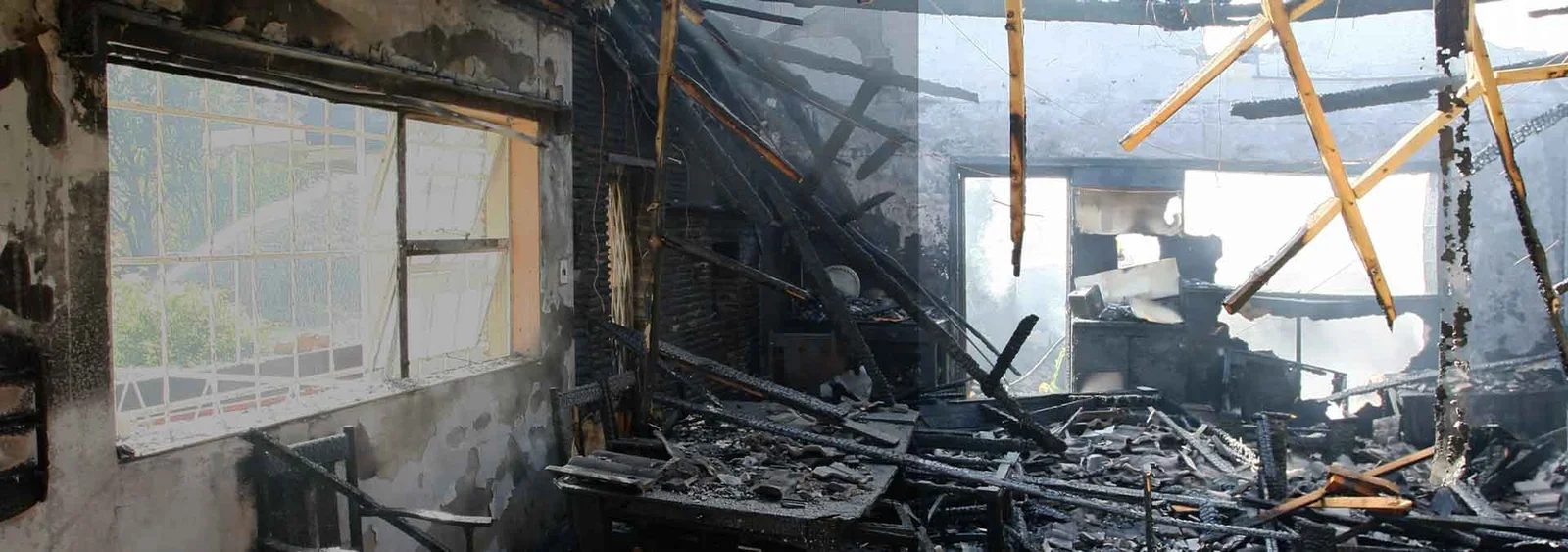
Fire damage restoration in Denver requires immediate professional attention to address smoke, soot, water damage from firefighting, and structural concerns. Best Option Restoration of Lakewood provides full-service restoration from emergency response through complete reconstruction.
- Denver's semi-arid climate and 5,280-foot elevation create unique challenges as low humidity causes soot to penetrate materials more deeply and fires spread faster with more complete combustion.
- The restoration process includes emergency assessment, water extraction, smoke and soot removal, sanitization, odor elimination using thermal fogging and ozone treatment, and full reconstruction when needed.
- The company provides 24/7 emergency response with 60 to 90 minute arrival times, direct insurance billing, detailed documentation following IICRC standards, and IICRC-certified technicians familiar with local building codes.
Fire damage restoration is the professional process of repairing and cleaning a property after a fire. It addresses smoke-saturated walls, water damage from firefighting efforts, toxic soot removal, and structural repairs. Professional restoration is needed to safely eliminate health hazards, prevent further deterioration, and return the property to its pre-fire condition.
Overview
Fire damage strikes without warning, leaving Denver homeowners facing smoke-saturated walls, water-logged floors from firefighting efforts, and the overwhelming task of salvaging what remains. The aftermath demands immediate, professional attention – not just to restore your property, but to protect your family from lingering hazards like toxic soot particles and structural instability.
Fire damage restoration encompasses far more than cleaning visible char marks. The process addresses structural assessment, smoke and soot removal, water extraction from suppression efforts, odor elimination, and complete reconstruction when necessary. Denver's semi-arid climate creates unique challenges, as low humidity can cause soot to penetrate materials more deeply while also affecting how restoration materials cure and bond.
- Rapid response to prevent secondary damage from smoke residue and standing water
- Specialized equipment for odor neutralization at the molecular level
- Coordination between demolition, cleaning, and reconstruction phases
- Documentation support for streamlined insurance processing
Common Issues in Denver, CO
When Fire Damage Peaks in Denver
Increased use of furnaces, space heaters, and fireplaces during cold winters leads to more residential fires.
Dry conditions and high temperatures create elevated wildfire risk that can impact homes in Denver's urban-wildland interface areas.
Fourth of July celebrations cause a spike in accidental fires from fireworks in residential areas.
Denver's unique geography and climate create specific fire damage patterns that differ from coastal or humid regions. The city sits at 5,280 feet elevation where thinner air and lower humidity allow fires to spread differently – often faster and with more complete combustion. This means smoke damage can penetrate deeper into porous materials like drywall and wood framing.
Seasonal factors play a significant role in local fire incidents. Winter months bring increased heating equipment usage, with furnace malfunctions and space heater accidents spiking between November and February. Summer thunderstorms create lightning strike risks, while the dry conditions from May through September heighten wildfire smoke infiltration even when fires burn miles away in the foothills.
- Forced-air heating systems spread smoke particles throughout entire homes within minutes
- Older Denver neighborhoods feature homes with original electrical wiring prone to overheating
- Rapid temperature swings – sometimes 40 degrees in a single day – stress building materials and electrical systems
- Wildfire smoke from mountain fires infiltrates homes through HVAC systems, requiring specialized cleaning
- Low humidity causes soot to become powdery and airborne, settling into fabrics and ductwork
- Basement fires in split-level homes common to Denver suburbs create complex restoration scenarios
Warning signs that fire damage extends beyond what's visible include persistent smoky odors, discoloration on walls or ceilings distant from the fire origin, and respiratory irritation among household members. These indicators suggest smoke has traveled through wall cavities and HVAC systems.
How Best Option Restoration of Lakewood Can Help
Our restoration process begins the moment you call. A certified technician arrives to assess damage scope, identify safety hazards, and create a detailed action plan tailored to your specific situation.
Our Step-by-Step Restoration Process
- Emergency Response and Assessment – We secure the property, board up openings if needed, and conduct a thorough inspection using thermal imaging to detect hidden hot spots and moisture
- Water Extraction – Firefighting efforts leave significant water damage; we remove standing water and begin structural drying immediately
- Smoke and Soot Removal – Using dry sponges, HEPA vacuums, and chemical sponges appropriate for each surface type, we eliminate particulate contamination
- Cleaning and Sanitization – All salvageable contents receive professional cleaning; structural elements are treated with antimicrobial solutions
- Odor Elimination – Thermal fogging and ozone treatment neutralize smoke odors at the molecular level
- Reconstruction – From drywall replacement to complete room rebuilds, we restore your home to pre-loss condition
Techniques and Equipment
- Hydroxyl generators for safe, occupied-space odor treatment
- Air scrubbers with HEPA filtration removing particles down to 0.3 microns
- Ultrasonic cleaning for delicate electronics and personal items
- Negative air pressure containment preventing cross-contamination
Throughout the process, your dedicated project manager provides regular updates and serves as your single point of contact. We photograph progress at each phase, ensuring you understand exactly what's happening and why.
Insurance & Documentation
Fire damage claims require meticulous documentation to secure fair compensation. We photograph and catalog every affected item and area before any work begins, creating a comprehensive record your insurance adjuster needs.
Our team prepares detailed scope-of-work documents that outline each restoration task, materials required, and industry-standard pricing. This documentation follows IICRC S500 and S540 standards – the same guidelines insurance companies use to evaluate claims.
- Pre-restoration photo and video documentation of all damage
- Itemized inventory of damaged contents with condition assessments
- Moisture mapping and thermal imaging reports
- Daily work logs tracking all activities performed
- Material safety data sheets for all products used
- Final completion reports with before-and-after comparisons
We communicate directly with your insurance adjuster, answering technical questions and providing supplemental documentation when initial estimates require revision. Our IICRC-certified technicians hold credentials recognized industry-wide, lending credibility to our assessments and recommendations.
Why Choose Best Option Restoration of Lakewood
Our team holds certifications from the Institute of Inspection, Cleaning and Restoration Certification (IICRC) in fire and smoke restoration, water damage restoration, and odor control. These credentials require ongoing education – we stay current with evolving techniques and equipment.
Serving the greater Denver metro area means we understand local building codes, permit requirements, and the specific challenges properties here face. Our Lakewood base positions us for rapid response across Jefferson County and into Denver proper – typically arriving within 60-90 minutes of your call, any time of day or night.
- 24/7 emergency response with live phone answering – no voicemail during crises
- Full-service capability from initial mitigation through complete reconstruction
- Direct insurance billing to reduce your out-of-pocket burden
- Written satisfaction guarantee on all restoration work
- Local references available from Denver-area homeowners we've helped
Housing Characteristics & Fire Damage Restoration Considerations
Denver's housing stock reflects the city's growth patterns over the past century. Neighborhoods like Capitol Hill and Park Hill feature homes built between 1900 and 1940, often with balloon-frame construction where wall cavities run continuously from basement to attic. This design allows fire and smoke to spread vertically through hidden channels, complicating restoration efforts. These older homes also frequently contain original knob-and-tube wiring – a common fire cause that requires careful assessment after any electrical incident.
The post-war suburban expansion brought thousands of brick ranch homes to areas like Lakewood, Wheat Ridge, and Aurora. Built primarily between 1950 and 1975, these single-story structures typically feature:
- Asbestos-containing materials in flooring, insulation, and textured ceilings requiring specialized handling
- Original aluminum wiring in 1965-1975 construction – a known fire hazard at outlet connections
- Attached garages sharing walls with living spaces, allowing vehicle fires to spread quickly
- Forced-air duct systems that distribute smoke throughout the home within minutes
Newer developments in areas like Stapleton (now Central Park) and Green Valley Ranch feature homes built after 2000 with modern fire-resistant materials and updated electrical codes. However, these properties often have open floor plans where fire and smoke spread horizontally without barriers. Average home sizes in Denver hover around 1,800 square feet, though newer construction trends toward 2,200-2,500 square feet – more space means more area requiring restoration attention after an incident.
Environmental Conditions & Fire Damage Restoration Implications
Denver's semi-arid high-desert climate directly impacts fire damage restoration timelines and techniques. Average relative humidity hovers between 30-40% – significantly lower than national averages. This dry air accelerates smoke penetration into porous materials as soot particles don't clump with moisture. However, it also speeds structural drying after water damage from firefighting efforts, sometimes cutting drying time by 20-30% compared to humid climates.
Air quality presents ongoing considerations for restoration work. Denver occasionally experiences ozone alerts during summer months, and wildfire smoke from mountain fires can push particulate levels into unhealthy ranges. These conditions affect:
- Timing of ventilation and air exchange during restoration
- Baseline air quality testing before and after odor treatment
- HVAC cleaning requirements when wildfire smoke infiltrates homes
- Worker safety protocols during outdoor phases of restoration
The region's clay-heavy soil creates foundation movement issues in many Denver homes. After a fire, water from suppression efforts can saturate soil around foundations, potentially causing shifting or cracking. Our restoration assessments include foundation inspection to identify any fire-related structural concerns. Temperature extremes – from summer highs near 100°F to winter lows below zero – also affect material selection and curing times during reconstruction phases, requiring careful scheduling of exterior work.
Population Characteristics & Fire Damage Restoration Considerations
Denver's population has grown rapidly, reaching over 715,000 residents within city limits and nearly 3 million in the metro area. This growth brings diverse housing situations and varying restoration needs. The median household income of approximately $72,000 means most homeowners carry standard insurance policies, though coverage adequacy varies widely. We help clients understand their policy limits and identify gaps before they become problems.
The city's workforce spans technology, healthcare, aerospace, and energy sectors. Many residents work non-traditional schedules, making flexible appointment times and after-hours communication capabilities essential. Our 24/7 availability accommodates professionals who can't take weekday time off to meet contractors.
- Young professional households often lack experience navigating insurance claims – we provide guidance throughout
- Multi-generational households common in certain neighborhoods require sensitivity to varied needs
- Rental properties constitute roughly 45% of Denver housing units, requiring coordination between tenants, landlords, and insurance carriers
- Non-English speaking households benefit from our multilingual communication capabilities
Denver's aging population – residents over 65 represent about 11% of the population – often faces unique challenges after fire damage. Mobility limitations may prevent safe return to properties during restoration, and fixed incomes create urgency around insurance claim resolution. We coordinate with family members and provide detailed written updates when in-person meetings aren't feasible.
Fire Incident Statistics and Response Data in Denver
Denver Fire Department responds to approximately 2,500-3,000 structure fire calls annually across the city, with residential properties accounting for the majority of incidents requiring restoration services. Understanding local fire patterns helps homeowners recognize risks and take preventive action.
Leading Causes of Residential Fires in the Denver Metro Area
- Cooking equipment – Accounts for roughly 50% of residential fires; unattended cooking remains the primary factor
- Heating equipment – Space heaters and furnace malfunctions spike during cold months, particularly December through February
- Electrical failures – Outdated wiring, overloaded circuits, and damaged cords cause approximately 15% of home fires
- Smoking materials – Improperly discarded cigarettes remain a significant cause, especially in multi-unit buildings
- Dryer fires – Lint accumulation in vents causes hundreds of fires annually; Denver's dry climate accelerates lint buildup
Response times in Denver average 4-6 minutes from dispatch to arrival, among the fastest in major U.S. cities. However, fire damage begins accumulating immediately – smoke penetrates materials within the first minute, and structural damage compounds exponentially. Properties that receive professional restoration assessment within 24-48 hours of an incident typically see better outcomes and lower total restoration costs.
Seasonal patterns show distinct peaks. Winter months (November-February) see increased heating-related fires, while summer grilling season brings outdoor fire risks that can spread to structures. The wildfire season from May through September doesn't just threaten mountain communities – smoke infiltration affects thousands of Denver homes annually, requiring HVAC cleaning and air quality restoration even when flames never approach the property. Our team tracks these patterns to maintain staffing levels and equipment availability during high-demand periods.
Weather & Alerts in Denver, CO
Current Conditions
Temp: 66°F · Feels like: 65°F
Humidity: 52% · Wind: 1 mph
Emergency Alerts
No active alerts.
Fire Damage Restoration in Other Service Areas
Useful Numbers
- Life-threatening emergencies
- 911
- Poison Control
- 1-800-222-1222
- Suicide Prevention Lifeline
- 988
- Police (non-emergency)
- Visit your local police department website
- Fire Department (non-emergency)
- Check the Denver city website
- City Hall
- Available on the official Denver government website
- Non-Emergency Services
- Call 311 if available in your area
Always verify numbers from official city/county websites.