
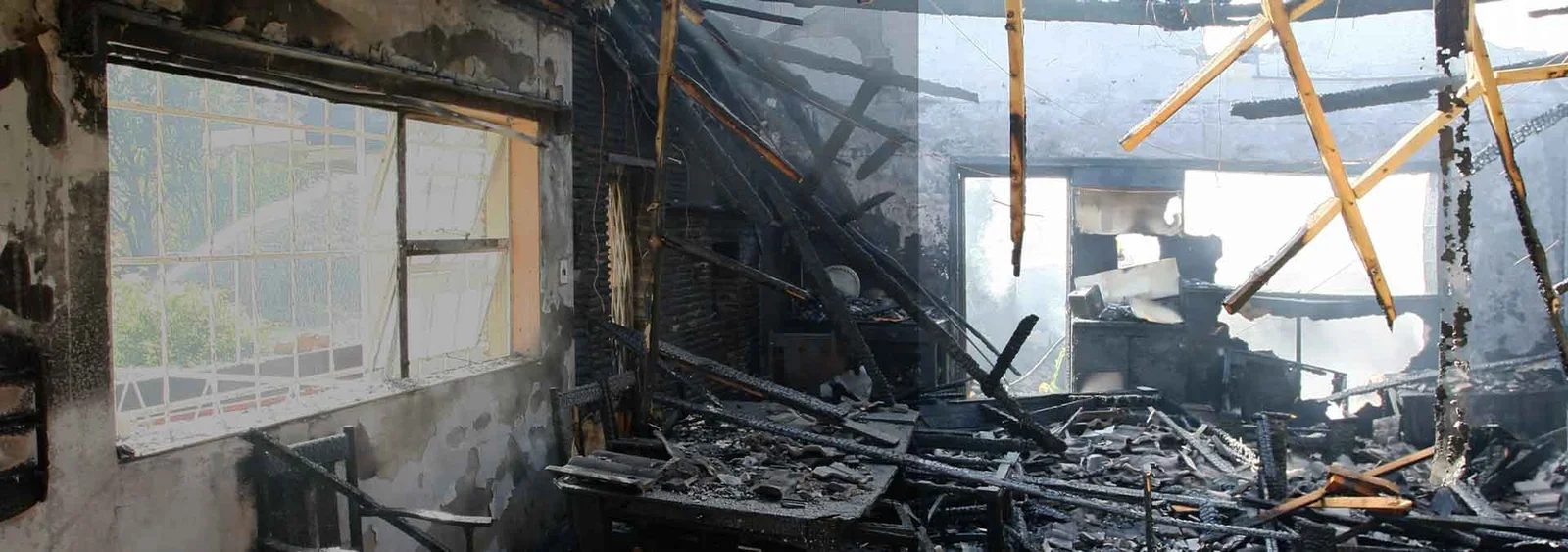
Fire damage restoration in Edgewater, CO addresses visible and hidden damage from fire, smoke, and firefighting water. Best Option Restoration of Lakewood provides 24/7 emergency response with IICRC-certified technicians who handle everything from initial assessment through final reconstruction.
- Edgewater's semi-arid climate causes smoke particles to bond quickly to surfaces, and the area's compact urban layout means fires often spread smoke damage to neighboring properties.
- The restoration process includes emergency response, water extraction, smoke and soot removal using specialized techniques like thermal fogging and dry ice blasting, plus structural repairs that meet Colorado building codes.
- The company handles insurance documentation and direct billing, providing detailed photos, moisture readings, and daily progress logs to support claims and avoid disputes.
Fire damage restoration is a professional service that addresses both visible and hidden damage after a fire in your home. It involves repairing charred walls and ruined belongings while also tackling less obvious issues like compromised structural integrity, poor air quality from smoke and soot, and water damage caused by firefighting efforts.
Overview
Standing in your Edgewater home after a fire feels overwhelming. The smell of smoke lingers, soot covers surfaces you never knew existed, and you're wondering where to even begin. Fire damage restoration addresses not just what you can see – the charred walls and ruined belongings – but the hidden dangers lurking in your home's structure, air quality, and water-damaged areas from firefighting efforts.
Professional fire damage restoration involves a multi-phase approach that goes far beyond cleanup. Technicians assess structural integrity, remove hazardous debris, eliminate smoke odor at its source, and restore your property to pre-loss condition. In Edgewater's semi-arid climate, smoke particles behave differently than in humid regions, often penetrating deeper into porous materials before settling.
- Comprehensive assessment of visible and hidden fire, smoke, and water damage
- Safe removal of hazardous materials and debris following Colorado regulations
- Advanced smoke and soot remediation using techniques suited to Colorado's dry air
- Complete structural drying and restoration from firefighting water intrusion
Common Issues in Edgewater, CO
When Fire Damage Peaks in Edgewater
Cold Colorado winters lead to increased use of furnaces, space heaters, and fireplaces, causing more residential fires.
Dry summer conditions and proximity to wildfire-prone areas increase smoke damage and fire risk for Edgewater properties.
Independence Day celebrations lead to a spike in accidental fires from fireworks in residential areas.
Best Option Restoration of Lakewood provides Fire Damage Restoration services in all neighborhoods of Edgewater including Edgewater, Glencoe, New Smyrna Beach, and Oak Hill.
Edgewater's compact urban footprint – just half a square mile nestled between Denver and Lakewood – creates unique fire damage challenges. Properties sit close together, meaning fires can spread smoke damage to neighboring structures even when flames stay contained. The community's mix of older residential buildings and newer developments means restoration teams encounter varied construction types within the same neighborhood.
Colorado's low humidity accelerates certain fire damage effects. Smoke particles dry quickly onto surfaces, bonding more firmly than in humid climates. Winter months bring additional concerns when heating systems work overtime, increasing the risk of electrical fires and furnace-related incidents. Summer's occasional drought conditions create heightened wildfire awareness throughout the Denver metro area.
- Older electrical systems in mid-century homes prone to overload during extreme temperature swings
- Dry indoor air during winter allows smoke residue to penetrate deeply into fabrics and drywall
- Close proximity of structures means smoke damage often affects multiple properties
- Rapid temperature fluctuations stress building materials, creating hidden fire vulnerabilities
- Aging HVAC systems in original Edgewater homes circulate smoke particles throughout ductwork
- Basement and crawlspace areas common in local construction trap smoke odors longer
Warning signs that fire damage requires professional attention include persistent smoke odor after cleaning, discoloration spreading on walls or ceilings, respiratory irritation when indoors, and visible soot in HVAC vents. Even small kitchen fires can cause damage that worsens over time without proper remediation.
How Best Option Restoration of Lakewood Can Help
Our restoration process begins the moment you call. Fire damage worsens with every passing hour as smoke residue continues corroding surfaces and odors set deeper into materials.
Our Step-by-Step Restoration Process
- Emergency response and initial safety assessment of your Edgewater property
- Detailed damage documentation with photos, moisture readings, and air quality testing
- Board-up and tarping services to secure your property from weather and intrusion
- Water extraction and structural drying from firefighting efforts
- Smoke and soot removal using dry cleaning, wet cleaning, and abrasive methods appropriate to each surface
- Odor elimination through thermal fogging, ozone treatment, and hydroxyl generators
- Content cleaning, pack-out, and restoration of salvageable belongings
- Structural repairs and reconstruction to return your home to pre-loss condition
Specialized Techniques We Employ
- HEPA air filtration systems running continuously during restoration
- Ultrasonic cleaning for delicate items and electronics
- Dry ice blasting for stubborn soot on structural components
- Antimicrobial treatments to prevent secondary mold growth from water damage
- Air duct cleaning and sanitization to prevent smoke recirculation
Throughout the project, you'll receive regular updates and have direct access to your project manager. We coordinate with your schedule, understanding that you're managing work, family, and the stress of displacement. Quality control inspections happen at each phase transition, with final walkthrough ensuring your complete satisfaction before project completion.
Insurance & Documentation
Proper documentation makes or breaks insurance claims for fire damage. From the first inspection, our team creates detailed records that satisfy insurance adjusters and support your claim for maximum coverage.
- Comprehensive photo and video documentation of all damage before any cleaning begins
- Room-by-room inventory of damaged contents with condition assessments
- Moisture mapping and air quality readings with dated timestamps
- Detailed scope of work aligned with insurance industry pricing standards
- Daily progress logs documenting all restoration activities
- Final completion reports with before-and-after comparisons
We communicate directly with your insurance company, speaking their language and providing documentation in formats adjusters expect. Our team holds IICRC certifications – the gold standard recognized by insurance carriers nationwide. This credibility streamlines approval processes and helps avoid claim disputes.
Colorado fire codes and building permits factor into structural repairs. We handle permit applications with Jefferson County and ensure all reconstruction meets current codes, even when restoring older Edgewater properties to their original character.
Why Choose Best Option Restoration of Lakewood
Local presence matters during emergencies. Our Lakewood location means we reach Edgewater properties quickly – often within an hour of your call. We've restored homes throughout the Denver metro area for years, building relationships with local insurance agents, adjusters, and building inspectors who trust our work.
Our technicians hold certifications from the Institute of Inspection, Cleaning and Restoration Certification including Fire and Smoke Restoration Technician, Water Damage Restoration Technician, and Applied Structural Drying credentials. We invest in ongoing training because restoration science continues evolving.
- 24/7 emergency response with rapid deployment to Edgewater locations
- Direct insurance billing eliminates out-of-pocket stress during difficult times
- Full-service restoration from emergency board-up through final reconstruction
- Locally owned operation with genuine investment in community recovery
Housing Characteristics & Fire Damage Restoration Considerations
Edgewater's housing stock tells the story of Denver's westward expansion. Most homes date from the 1940s through 1970s, with a significant number of original bungalows and ranch-style houses from the post-war building boom. These mid-century homes feature construction methods and materials that present specific fire restoration challenges.
Single-family homes dominate the landscape, typically ranging from 900 to 1,400 square feet. Many feature original hardwood floors, plaster walls, and single-pane windows – materials that respond differently to fire and smoke than modern construction. Plaster absorbs smoke odors deeply, often requiring specialized sealing techniques. Original hardwood can frequently be restored rather than replaced, but requires careful assessment and proper cleaning methods.
- Balloon-frame construction in pre-1950s homes allows fire to spread rapidly between floors through wall cavities
- Original electrical systems may include outdated wiring that increases fire risk
- Asbestos-containing materials in older insulation, flooring, and siding require specialized handling during restoration
- Smaller lot sizes mean fire damage often affects detached garages, fencing, and neighboring structures
- Basement configurations common in older Edgewater homes trap smoke and require extended deodorization
Recent years have brought new townhome and condo developments to Edgewater, introducing modern construction alongside historic properties. These newer buildings feature different ventilation systems, fire-resistant materials, and shared-wall considerations that affect restoration approaches. Our team adapts techniques based on your specific property's age and construction type.
Environmental Conditions & Fire Damage Restoration Implications
Edgewater sits at approximately 5,400 feet elevation in Colorado's semi-arid climate zone. Average humidity hovers around 40% – significantly lower than national averages. This dry air affects fire damage restoration in ways many homeowners don't expect. Smoke particles settle and bond to surfaces faster, making rapid response even more critical.
The Denver metro area experiences over 300 days of sunshine annually, with intense UV exposure that can affect materials during restoration. Temperature swings of 30-40 degrees within a single day stress building materials and complicate drying processes. Winter inversions occasionally trap pollutants near ground level, and homes damaged by fire during these periods face additional air quality challenges.
- Low humidity accelerates smoke residue bonding to porous surfaces
- High altitude affects drying times and requires adjusted equipment settings
- Intense UV exposure during reconstruction demands proper material protection
- Freeze-thaw cycles complicate water damage from firefighting if not addressed quickly
- Occasional wildfire smoke from mountain fires adds to indoor air quality concerns
Denver Water serves Edgewater, providing treated municipal water that we use during restoration processes. The region's clay-heavy soils drain slowly, which can impact foundation areas affected by firefighting water. We monitor soil moisture around foundations to prevent secondary damage during the restoration process.
Population Characteristics & Fire Damage Restoration Considerations
Edgewater packs approximately 5,300 residents into its compact half-square-mile footprint, creating one of Colorado's densest communities. This urban character means fire incidents often affect multiple households – through shared walls, close proximity, or simply the stress of watching neighbors experience loss. Our restoration work considers not just your property but the broader community impact.
The community's median household income falls slightly below Denver metro averages, making insurance coverage and claim maximization particularly important. Many Edgewater residents work in Denver's service, healthcare, and retail sectors, with schedules that don't easily accommodate daytime contractor visits. We offer flexible scheduling and clear communication so you're never wondering about project status.
- High proportion of renter-occupied units requires coordination between tenants, landlords, and insurance carriers
- Growing Hispanic/Latino population benefits from our bilingual team members
- Mix of young professionals and long-term residents means varied communication preferences
- Many households include working adults with limited daytime availability
- Strong neighborhood connections mean word-of-mouth reputation matters
Edgewater's demographic diversity enriches the community and informs our service approach. We respect cultural differences in how families use their homes and what restoration priorities matter most. Whether you're a longtime resident who raised children in your Edgewater bungalow or a recent arrival in one of the newer developments, we tailor our restoration approach to your specific needs and circumstances.
Fire Incident Patterns and Risk Factors in Edgewater
Understanding local fire patterns helps Edgewater residents recognize risks and respond appropriately when incidents occur. The Denver metro area, including Edgewater, experiences fire incident rates consistent with urban communities of similar density and housing age. Jefferson County Fire Authority and West Metro Fire Rescue serve the area with professional response capabilities.
Residential fires in Edgewater most commonly originate from:
- Cooking incidents – the leading cause of home fires nationwide, with higher occurrence during holiday seasons
- Heating equipment failures, particularly in older homes with original furnaces or supplemental space heaters
- Electrical system malfunctions in aging wiring, overloaded circuits, and outdated panels
- Dryer vent fires from lint accumulation – especially common in older homes with longer vent runs
- Smoking materials, though declining as smoking rates decrease
Seasonal patterns affect fire risk throughout the year. Winter months see increased heating-related fires as furnaces work harder and space heaters supplement inadequate systems. The holiday season brings cooking fires, candle incidents, and electrical overloads from decorative lighting. Summer's dry conditions elevate outdoor fire risks that can spread to structures.
Response times in Edgewater benefit from the community's compact geography and proximity to multiple fire stations. However, the same density that enables quick emergency response means fire and smoke can affect multiple properties rapidly. When fire occurs in attached housing or close-set single-family homes, neighboring properties often sustain smoke damage requiring professional assessment and potential restoration. Our team responds to both direct fire damage and secondary smoke exposure throughout the Edgewater community.
Weather & Alerts in Edgewater, CO
Current Conditions
Temp: 74°F · Feels like: 75°F
Humidity: 83% · Wind: 2 mph
Emergency Alerts
No active alerts.
Fire Damage Restoration in Other Service Areas
Useful Numbers
- Life-threatening emergencies
- 911
- Poison Control
- 1-800-222-1222
- Suicide Prevention Lifeline
- 988
- Police (non-emergency)
- Visit your local police department website
- Fire Department (non-emergency)
- Check the Edgewater city website
- City Hall
- Available on the official Edgewater government website
- Non-Emergency Services
- Call 311 if available in your area
Always verify numbers from official city/county websites.