
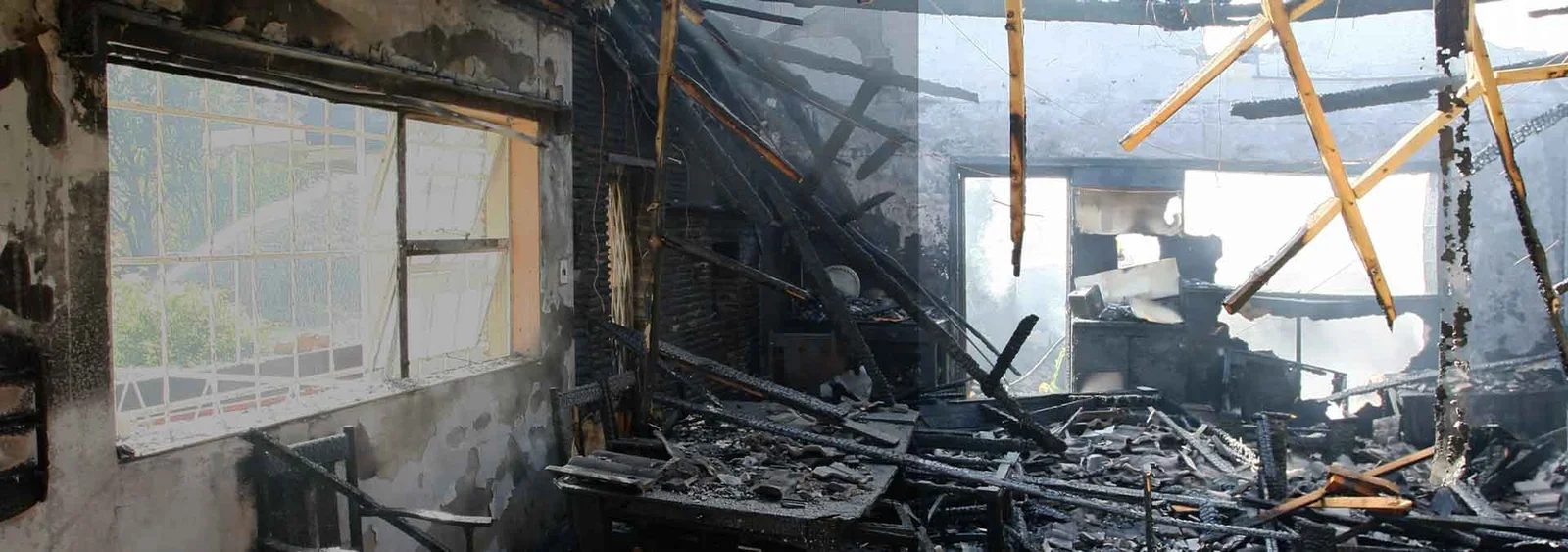
Fire damage restoration in Wheat Ridge, CO addresses smoke, soot, and water damage through systematic cleanup, structural assessment, and complete property rehabilitation. Best Option Restoration of Lakewood provides 24/7 emergency response with specialized techniques for the area's older housing stock and semi-arid climate.
- Wheat Ridge homes built between 1950 and 1980 present unique challenges including plaster walls, original wood windows, and materials requiring special handling during restoration.
- Low humidity levels allow smoke particles to penetrate deeply into porous materials, making professional restoration necessary rather than DIY cleaning attempts.
- The restoration process includes emergency response, water extraction, smoke and soot removal, structural repair, odor elimination, and full documentation for insurance claims.
Fire damage restoration is a systematic process that addresses property damage caused by fires through professional cleanup, structural assessment, and complete rehabilitation. This service handles smoke odor removal, soot cleaning from all surfaces, and repairs water damage caused by firefighting efforts. The goal is to return the property to its pre-fire condition safely and efficiently.
Overview
Waking up to the aftermath of a fire leaves most Wheat Ridge homeowners feeling overwhelmed and unsure where to begin. The smell of smoke lingers in every room, soot coats surfaces you never knew existed, and water damage from firefighting efforts compounds the destruction. Fire damage restoration addresses all these concerns through systematic cleanup, structural assessment, and complete property rehabilitation.
Professional fire damage restoration goes far beyond surface cleaning. The process involves removing hazardous materials, eliminating smoke odors embedded deep within building materials, and restoring your home to pre-loss condition. Wheat Ridge's semi-arid climate and older housing stock create specific challenges – dry conditions can accelerate smoke penetration into porous materials, while vintage construction materials require specialized handling techniques.
- Complete smoke and soot removal from all surfaces, including hidden areas behind walls and in ductwork
- Structural assessment and repair of fire-damaged framing, roofing, and support systems
- Water extraction and drying from firefighting efforts to prevent secondary mold growth
- Professional odor elimination using thermal fogging, ozone treatment, and hydroxyl generators
Common Issues in Wheat Ridge, CO
When Fire Damage Peaks in Wheat Ridge
Increased use of furnaces, space heaters, and fireplaces in cold Colorado winters leads to more residential fires.
Dry conditions and proximity to foothill areas increase wildfire risk and smoke damage to properties.
Christmas trees, decorative lights, and holiday cooking significantly increase residential fire incidents.
Wheat Ridge sits at approximately 5,500 feet elevation where Colorado's dry air and intense UV exposure create unique fire damage challenges. Low humidity levels – often dropping below 20% during winter months – allow smoke particles to penetrate deeply into wood, drywall, and fabric materials. This deep penetration makes DIY cleaning attempts largely ineffective and can actually spread contamination further into your home.
The community's mix of mid-century ranch homes and newer construction presents varied restoration scenarios. Older homes built before 1980 may contain materials that require special handling protocols during restoration, while newer builds with tighter construction can trap smoke odors more stubbornly. Seasonal factors also play significant roles in restoration timelines.
- Winter heating system fires from furnaces, space heaters, and fireplaces working overtime in cold temperatures
- Summer wildfire smoke infiltration from nearby mountain fires that penetrates homes even without direct flame contact
- Kitchen fires that spread quickly through older ventilation systems common in 1950s-1970s construction
- Electrical fires in aging wiring systems that may not meet current safety codes
- Garage fires involving stored chemicals, vehicles, or holiday decorations
- Dryer vent fires from lint buildup in older laundry configurations
Warning signs that indicate hidden fire damage requiring professional attention include persistent smoky odors even after cleaning, discoloration appearing on walls or ceilings days after the incident, and respiratory irritation when spending time indoors. These symptoms suggest smoke residue has penetrated beyond visible surfaces.
How Best Option Restoration of Lakewood Can Help
Our restoration process begins the moment you call. We understand that fire damage creates immediate safety concerns and emotional stress, so our team responds promptly to assess the situation and develop a clear action plan.
Our Step-by-Step Restoration Process
- Emergency response and property securing – boarding up exposed areas, tarping damaged roofs, and preventing further damage from weather or unauthorized entry
- Comprehensive damage assessment – documenting all affected areas with photos, moisture readings, and detailed notes for insurance purposes
- Water extraction and drying – removing water used during firefighting before it causes mold or structural damage
- Smoke and soot removal – using specialized equipment and techniques appropriate for each surface type
- Structural cleaning and repair – addressing damage to framing, drywall, flooring, and other building components
- Odor elimination – deploying professional-grade equipment to neutralize smoke odors at the molecular level
- Final restoration and reconstruction – returning your home to pre-fire condition or better
Specialized Techniques We Deploy
- HEPA air filtration systems running continuously to capture airborne particulates
- Thermal fogging that penetrates the same pathways smoke traveled during the fire
- Ultrasonic cleaning for delicate items like electronics, jewelry, and collectibles
- Dry ice blasting for removing heavy soot from structural surfaces without water damage
- Hydroxyl generators that safely eliminate odors while occupants remain in unaffected areas
Throughout restoration, we maintain clear communication with regular updates on progress, any discoveries during the work, and timeline adjustments. Our quality control procedures include air quality testing, visual inspections, and odor verification before considering any project complete.
Insurance & Documentation
Fire damage claims rank among the most complex insurance situations homeowners face. Proper documentation from the very first moments after a fire can significantly impact claim outcomes and restoration timelines. Our team understands this process thoroughly and works alongside your insurance adjuster to provide the detailed records needed for claim approval.
We create comprehensive documentation packages that satisfy insurance requirements while protecting your interests.
- Detailed photographic evidence of all damage before any cleanup begins
- Room-by-room inventory lists with condition assessments
- Moisture mapping and readings throughout the property
- Air quality testing results documenting contamination levels
- Daily work logs showing restoration progress and materials used
- Final completion reports with before-and-after comparisons
Our technicians hold IICRC certifications in fire and smoke restoration, water damage restoration, and odor control – credentials insurance companies recognize and respect. We communicate directly with adjusters when helpful, providing technical explanations and scope clarifications that keep claims moving forward smoothly.
Why Choose Best Option Restoration of Lakewood
Local presence matters during restoration emergencies. Our Lakewood-based team serves Wheat Ridge with response times that out-of-area companies simply cannot match. We know the neighborhoods, understand the housing stock, and have established relationships with local building officials and inspectors that streamline the permitting process.
Our technicians maintain current certifications through the Institute of Inspection, Cleaning and Restoration Certification, including specialized credentials in fire restoration, water damage, and odor control. We invest continuously in advanced equipment – from thermal imaging cameras that detect hidden damage to industrial air scrubbers that restore indoor air quality.
- 24/7 emergency response with rapid arrival times throughout Wheat Ridge
- Direct insurance billing to minimize your out-of-pocket coordination burden
- Full-service restoration from initial cleanup through final reconstruction
- Written scope of work and transparent communication throughout every project
We treat every fire-damaged home as if it were our own, combining technical expertise with genuine care for families going through difficult circumstances.
Housing Characteristics & Fire Damage Restoration Considerations
Wheat Ridge developed primarily during the post-World War II suburban expansion, with the majority of homes constructed between 1950 and 1980. This housing stock presents specific fire damage restoration challenges that differ significantly from newer construction. Ranch-style homes dominate the landscape, featuring single-story layouts, attached garages, and basements – configurations that influence how fire and smoke spread through structures.
Construction materials from this era included plaster walls in earlier homes transitioning to drywall in later decades, original wood-frame windows, and asbestos-containing materials in some applications. These factors directly impact restoration approaches.
- Plaster walls absorb smoke differently than modern drywall, often requiring specialized cleaning or removal
- Original wood windows may warp or become structurally compromised from fire exposure
- Older insulation materials require testing before disturbance during restoration
- Balloon-frame construction in some older homes allows fire to spread rapidly between floors
- Original electrical systems may have contributed to the fire and require complete replacement
Average home sizes in Wheat Ridge range from 1,200 to 2,000 square feet, with many properties featuring finished basements that effectively double living space. Basement fires present unique challenges due to limited ventilation and the tendency for smoke to rise and saturate upper levels. Our restoration plans account for these multi-level smoke migration patterns common in Wheat Ridge homes.
Environmental Conditions & Fire Damage Restoration Implications
Wheat Ridge experiences Colorado's Front Range climate – characterized by low humidity, significant temperature swings, and over 300 days of sunshine annually. These conditions influence both fire behavior and restoration requirements in meaningful ways. Relative humidity frequently drops below 30% during winter months, creating conditions where smoke particles penetrate porous materials more deeply than in humid climates.
The semi-arid environment affects restoration timelines and techniques in several ways.
- Rapid drying conditions help with water damage from firefighting but can set smoke stains more permanently
- Temperature fluctuations between day and night cause building materials to expand and contract, potentially revealing hidden damage
- High UV exposure through Colorado's thin atmosphere accelerates deterioration of fire-damaged exterior materials
- Periodic wildfire smoke from mountain fires can re-contaminate properties during restoration
- Clear Creek watershed influences local water quality considerations for cleaning solutions
Air quality in Wheat Ridge generally rates good to moderate, though summer wildfire seasons and winter inversions can trap pollutants. During restoration, we monitor outdoor air quality to optimize ventilation strategies – bringing in fresh air when conditions allow while using recirculating filtration during poor air quality events. Colorado's environmental regulations regarding waste disposal also influence how we handle fire-damaged materials, particularly those containing potential contaminants.
Population Characteristics & Fire Damage Restoration Considerations
Wheat Ridge maintains a population of approximately 32,000 residents across its 9.5 square miles, creating a suburban density that balances residential neighborhoods with commercial corridors. The community has experienced demographic shifts in recent decades, with an aging population in established neighborhoods alongside younger families moving into renovated or newly constructed properties.
Household income levels in Wheat Ridge span a broad range, with median household income around $60,000 – influencing both insurance coverage patterns and restoration priorities. Many residents work in Denver's diverse economy, commuting to jobs in healthcare, technology, government, and service industries.
- Significant population of seniors aging in place in homes they have owned for decades – often requiring additional support during displacement
- Growing Hispanic community with potential language accommodation needs during the restoration process
- Mix of long-term homeowners and newer residents with varying familiarity with insurance processes
- Many dual-income households requiring flexible scheduling for restoration consultations and progress reviews
- Pet-owning households needing guidance on safe return timelines for animals sensitive to residual contaminants
The economic diversity of Wheat Ridge means fire damage impacts families differently. Some homeowners carry comprehensive insurance with generous coverage limits, while others face significant gaps between coverage and actual restoration costs. We work with each family to prioritize restoration activities, identify potential supplemental funding sources, and develop payment arrangements when needed.
Fire Incident Statistics & Risk Factors in Wheat Ridge
Jefferson County, which includes Wheat Ridge, responds to thousands of fire incidents annually across its jurisdiction. While exact municipal-level statistics vary by year, residential structure fires consistently represent a significant portion of emergency responses. Understanding local fire patterns helps homeowners recognize risks and appreciate the scope of restoration needs in the community.
Common Fire Causes in the Wheat Ridge Area
- Cooking-related fires remain the leading cause of residential fires, with grease fires and unattended cooking topping the list
- Heating equipment fires spike during cold months – space heaters, furnaces, and fireplaces all contribute
- Electrical system failures in aging homes cause approximately 15% of residential fires nationally, with older Wheat Ridge housing stock at elevated risk
- Wildland-urban interface exposure creates secondary smoke damage even when flames remain miles away
- Dryer fires from accumulated lint affect homes with older laundry configurations lacking proper venting
The West Metro Fire Rescue district serving Wheat Ridge maintains response times averaging under six minutes for structure fires – rapid response that limits fire spread but often results in significant water damage from suppression efforts. This water damage becomes a secondary restoration priority, requiring immediate attention to prevent mold growth within the 24-48 hour window before colonization begins.
Seasonal patterns show increased fire incidents during November through February heating season and during July wildfire season. Holiday periods see spikes in cooking fires and decoration-related incidents. These patterns influence our staffing and equipment positioning to maintain rapid response capabilities during high-demand periods. Wheat Ridge homeowners benefit from understanding these risk patterns to prioritize prevention measures and maintain adequate insurance coverage for restoration needs.
Weather & Alerts in Wheat Ridge, CO
Current Conditions
Temp: 60°F · Feels like: 59°F
Humidity: 69% · Wind: 8 mph
Emergency Alerts
No active alerts.
Fire Damage Restoration in Other Service Areas
Useful Numbers
- Life-threatening emergencies
- 911
- Poison Control
- 1-800-222-1222
- Suicide Prevention Lifeline
- 988
- Police (non-emergency)
- Visit your local police department website
- Fire Department (non-emergency)
- Check the Wheat Ridge city website
- City Hall
- Available on the official Wheat Ridge government website
- Non-Emergency Services
- Call 311 if available in your area
Always verify numbers from official city/county websites.