
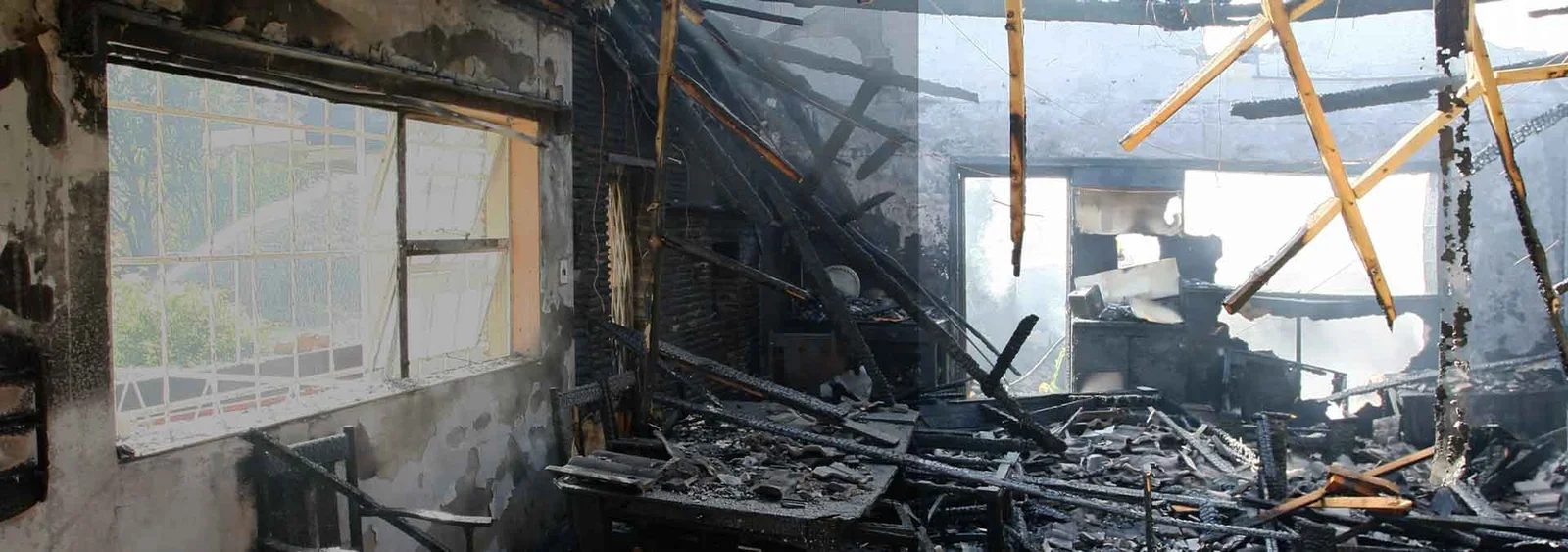
A Morrison family experienced severe fire damage from an electrical fire, illustrating why professional restoration is needed in this mountain community with unique challenges like wood construction, limited access roads, and dry conditions.
- Fire damage restoration includes structural assessment, smoke and soot removal, odor elimination, water damage mitigation, and rebuilding. Morrison's older homes with wood framing and low humidity create specific challenges that require specialized approaches.
- Best Option Restoration of Lakewood offers 24/7 emergency response with IICRC-certified technicians who use thermal imaging, HEPA filtration, and dry ice blasting. They provide a dedicated project manager and handle direct insurance billing.
- The semi-arid climate with humidity often below 20% causes smoke to penetrate deeply into materials. Common features like cathedral ceilings and walkout basements create areas where hidden damage accumulates.
Fire damage restoration is a professional service that addresses the aftermath of a fire in your home or property. It becomes necessary when flames, smoke, soot, and odors have spread through a building - often affecting areas beyond where the fire occurred. Professional restoration teams handle cleanup, smoke removal, odor elimination, and structural repairs to return your property to its pre-fire condition.
Overview
Last winter, a Morrison family returned from a weekend trip to find their kitchen destroyed by an electrical fire that started behind the refrigerator. The flames had been extinguished by neighbors, but the smoke had traveled through every room, leaving behind a pervasive odor and layers of soot that seemed impossible to address. This scenario – the overwhelming aftermath of fire – is exactly when professional fire damage restoration becomes essential.
Fire damage restoration encompasses far more than cleaning up visible debris. The process involves structural assessment, smoke and soot removal, odor elimination, water damage mitigation from firefighting efforts, and comprehensive rebuilding when necessary. Morrison's mountain setting presents unique considerations, including older homes with wood construction, limited access roads that can delay response times, and dry seasonal conditions that increase fire risk.
- Complete assessment of structural integrity and hidden damage behind walls and in attic spaces
- Professional-grade smoke and soot removal using specialized equipment designed for mountain environments
- Odor neutralization that addresses smoke particles embedded in porous materials
- Coordination of water damage restoration from fire suppression activities
Common Issues in Morrison, CO
Seasonal risk calendar for Fire Damage Restoration in Morrison, CO
Based on local patterns and building stock, the months below tend to see the most calls.
Morrison sits at approximately 5,800 feet elevation along Bear Creek, surrounded by red rock formations and dense vegetation. This picturesque setting creates specific fire damage challenges that residents should understand. The semi-arid climate means extended dry periods, particularly from late summer through early winter, when wildfire risk peaks and home fires can spread more rapidly due to low humidity levels.
Many Morrison properties feature wood siding, shake roofs, and timber framing – construction choices that complement the natural surroundings but present heightened vulnerability during fire events. The town's proximity to wildland-urban interface zones means properties face both structure fire risks and potential wildfire exposure.
- Low humidity levels accelerate fire spread and make smoke penetration into building materials more severe
- Wood-heavy construction common in mountain homes sustains more extensive structural damage
- Narrow canyon roads and limited water infrastructure can complicate firefighting efforts
- Older electrical systems in historic properties increase ignition risks
- Chimney fires from wood-burning stoves and fireplaces occur frequently during cold months
- High winds common to the foothills can spread flames rapidly between structures
Warning signs that fire damage requires professional attention include persistent smoky odors even after cleaning, discoloration spreading on walls or ceilings, respiratory irritation when inside the home, and any visible structural warping or charring. Soot residue – whether dry and powdery or sticky and oily – indicates different fire temperatures and requires specific treatment approaches.
How Best Option Restoration of Lakewood Can Help
Our restoration process begins the moment you contact us, with clear communication about what to expect at each phase. We understand that fire damage creates both physical destruction and emotional disruption, so we prioritize keeping you informed throughout the entire restoration journey.
Our Step-by-Step Restoration Process
- Emergency contact and initial assessment – we gather information about the fire event and dispatch our team to Morrison
- On-site inspection documenting all visible and hidden damage using thermal imaging and moisture detection equipment
- Board-up and tarping services to secure the property against weather and unauthorized entry
- Water extraction and drying to address damage from fire suppression efforts
- Smoke and soot removal from all affected surfaces using appropriate techniques for each material type
- Odor elimination through thermal fogging, ozone treatment, or hydroxyl generators
- Structural cleaning and sanitization of salvageable materials
- Reconstruction and rebuilding of damaged areas to pre-loss condition
Specialized Techniques We Employ
- HEPA air filtration to capture microscopic smoke particles during restoration
- Dry ice blasting for delicate surfaces and electronics
- Chemical sponges and specialized cleaning solutions matched to soot type
- Content pack-out and off-site cleaning for salvageable belongings
- Air quality testing before and after restoration to verify complete remediation
We provide regular updates through your preferred communication method – whether phone calls, text messages, or email. You will receive a dedicated project manager who serves as your single point of contact, eliminating confusion and ensuring your questions receive prompt answers.
Insurance & Documentation
Thorough documentation forms the foundation of successful insurance claims following fire damage. We begin creating detailed records immediately upon arrival, capturing photographic and video evidence of all damage before any restoration work begins. This documentation protects your interests and provides insurance adjusters with the comprehensive information they need.
- Detailed photo and video documentation of all affected areas and items
- Written inventory of damaged contents with condition descriptions
- Moisture readings and air quality measurements throughout the property
- Daily progress logs documenting all work performed
- Itemized estimates with industry-standard pricing
Our team works directly with insurance adjusters, providing supplemental documentation when requested and explaining technical aspects of the restoration process. We hold IICRC certifications – the industry standard for restoration professionals – and follow all protocols that insurance companies expect from qualified contractors. This compliance helps prevent claim disputes and keeps your restoration moving forward without unnecessary delays.
Why Choose Best Option Restoration of Lakewood
Our team responds to fire damage emergencies around the clock, understanding that Morrison residents need immediate assistance regardless of when disaster strikes. We maintain equipment and personnel ready to deploy, minimizing the time between your call and our arrival at your property.
Local knowledge matters in restoration work. We understand Morrison's unique building characteristics, the challenges of working in foothill communities, and the specific concerns that mountain homeowners face. Our technicians hold IICRC certifications in fire and smoke restoration, water damage restoration, and applied structural drying.
- 24/7 emergency response with rapid deployment to Morrison and surrounding areas
- Direct insurance billing and claims assistance to reduce your administrative burden
- Complete restoration services from initial cleanup through final reconstruction
- Transparent communication with regular progress updates and accessible project managers
Housing Characteristics & Fire Damage Restoration Considerations
Morrison's housing stock reflects its history as one of Colorado's oldest mountain communities. Many homes date from the 1960s through 1980s, though the town includes structures from the early 1900s as well as newer construction from the 2000s. The majority of properties are single-family homes, often situated on larger lots with significant vegetation surrounding the structures.
Construction methods common to Morrison present specific fire restoration challenges:
- Wood frame construction with cedar or pine siding absorbs smoke deeply and may require replacement rather than cleaning
- Open floor plans popular in mountain homes allow smoke to travel freely throughout the structure
- Cathedral ceilings and exposed beam construction create difficult-to-reach areas where soot accumulates
- Stone fireplaces and chimneys – common features – can sustain hidden damage requiring specialized inspection
- Older homes may contain asbestos insulation or lead paint that require special handling during restoration
Average home sizes in Morrison range from 1,500 to 3,000 square feet, with many properties featuring walkout basements built into hillsides. These lower levels often suffer significant smoke damage even when fires occur on upper floors, as smoke naturally rises and then settles into lower spaces as it cools. Understanding these architectural patterns helps our team anticipate where hidden damage may exist.
Environmental Conditions & Fire Damage Restoration Implications
Morrison's environmental conditions directly influence both fire risk and restoration approaches. The semi-arid climate produces average annual precipitation of approximately 17 inches, with most moisture arriving as spring snow and summer thunderstorms. Relative humidity frequently drops below 20% during autumn and winter months, creating conditions where fires spread rapidly and smoke penetrates deeply into building materials.
Air quality in Morrison generally rates as good to moderate, though seasonal factors affect restoration work:
- Temperature inversions during winter can trap smoke in the Bear Creek valley, prolonging exposure
- Wildfire smoke from regional fires periodically degrades air quality during summer months
- Low humidity accelerates the drying process but can cause secondary damage to wood materials
- Altitude affects equipment performance – generators and air movers operate differently at 5,800 feet
Water used in firefighting and restoration comes from Morrison's municipal system, which draws from Bear Creek. The water quality is generally good, though mineral content can leave residue on surfaces during drying. Our restoration process accounts for these factors, using appropriate drying rates to prevent wood checking and cracking while ensuring complete moisture removal. Soil conditions in Morrison – primarily decomposed granite and clay mixtures – affect drainage around foundations, an important consideration when addressing water damage from fire suppression.
Population Characteristics & Fire Damage Restoration Considerations
Morrison maintains a small-town character with approximately 400 to 500 permanent residents, though the population swells significantly during events at nearby Red Rocks Amphitheatre. This intimate community means residents often know their neighbors and look out for one another – a factor that sometimes results in faster fire detection and reporting.
The demographic profile of Morrison influences restoration service needs in several ways:
- Higher-than-average household incomes support investment in quality restoration and preventive measures
- Many residents are professionals who commute to Denver, meaning properties may be unoccupied during daytime hours
- A significant portion of homeowners are long-term residents with deep attachment to their properties
- Some properties serve as vacation homes or rentals, requiring coordination with remote owners
- Aging population segments may need additional assistance navigating insurance and restoration processes
The community's economic stability means most residents carry adequate insurance coverage and prioritize thorough restoration over quick fixes. We recognize that Morrison homeowners often chose this location specifically for its character and natural beauty – our restoration approach respects the architectural features and materials that make these homes special. Communication becomes particularly important when working with property owners who may be temporarily displaced to Denver or other areas during restoration.
Wildfire Risk & Fire Incident Data in Morrison
Morrison's location within Colorado's wildland-urban interface places it among communities with elevated fire risk. The Colorado State Forest Service classifies areas surrounding Morrison as high to very high wildfire hazard zones, a designation that shapes both prevention efforts and restoration needs. Historical fire data for Jefferson County shows an average of several hundred structure fires annually, with mountain communities experiencing proportionally higher rates due to construction types and response time challenges.
Key fire risk factors specific to Morrison include:
- Red flag warning days – when humidity drops below 15% and winds exceed 25 mph – occur multiple times each fire season
- The 2020 fire season saw evacuation warnings for portions of Jefferson County, including areas near Morrison
- Chimney fires account for a significant percentage of winter structure fires in mountain communities
- Electrical fires increase in older homes, particularly those with original wiring from the 1960s-1970s
- Cooking fires remain the leading cause of residential fires across all Colorado communities
Jefferson County Fire Authority and local volunteer departments respond to Morrison emergencies, though response times can extend beyond urban averages due to road conditions and distance. This reality makes fire damage often more extensive before suppression begins, increasing the scope of restoration work required. Our familiarity with local fire departments and their protocols helps streamline the transition from emergency response to restoration, ensuring properties receive appropriate attention as quickly as possible after fire personnel clear the scene.
Preventive measures recommended for Morrison properties include creating defensible space around structures, maintaining chimney and heating systems annually, and upgrading electrical systems in older homes. When fires do occur despite precautions, Best Option Restoration of Lakewood stands ready to guide Morrison residents through complete restoration, returning homes to safe and comfortable condition.
Weather & Alerts in Morrison, CO
Current Conditions
Temp: 55°F · Feels like: 54°F
Humidity: 90% · Wind: 2 mph
Emergency Alerts
No active alerts.
Fire Damage Restoration in Other Service Areas
Useful Numbers
- Life-threatening emergencies
- 911
- Poison Control
- 1-800-222-1222
- Suicide Prevention Lifeline
- 988
- Police (non-emergency)
- Visit your local police department website
- Fire Department (non-emergency)
- Check the Morrison city website
- City Hall
- Available on the official Morrison government website
- Non-Emergency Services
- Call 311 if available in your area
Always verify numbers from official city/county websites.