
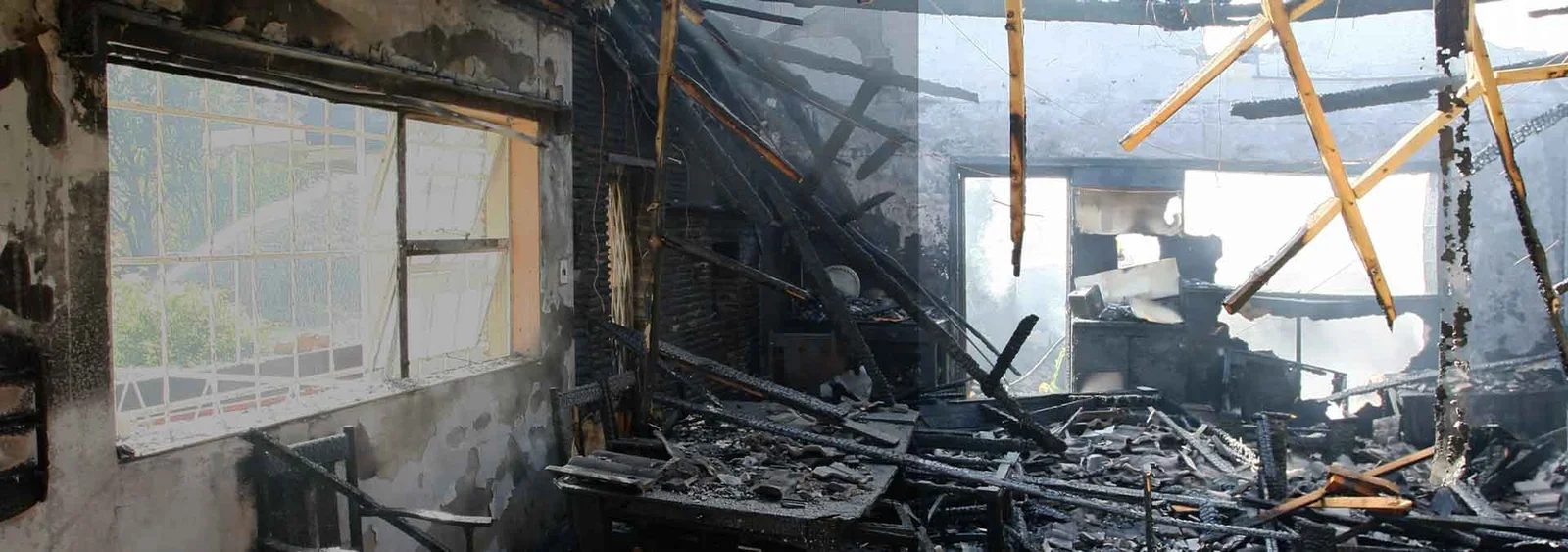
Best Option Restoration of Lakewood provides fire damage restoration services in Golden, CO, addressing smoke removal, structural repair, water extraction, and complete property rehabilitation for homes affected by fire.
- The restoration process includes emergency response, water removal, smoke and soot cleaning, odor elimination, and full reconstruction using specialized equipment like HEPA filtration and thermal imaging.
- Golden's foothill location presents unique challenges including low humidity that intensifies smoke penetration, older electrical systems, wood-burning appliances, and wildfire smoke infiltration during fire season.
- The company offers 24/7 emergency response with IICRC-certified technicians and handles insurance documentation and claims coordination throughout the restoration project.
Fire damage restoration is the process of transforming a fire-affected property from chaos into recovery through systematic cleaning, structural repair, and complete property rehabilitation. This service addresses smoke-damaged walls, water-soaked floors, and lingering odors that remain after firefighters leave, helping homeowners restore their property to its pre-fire condition.
Overview
What happens after the flames are out and the firefighters leave? The silence that follows a fire can feel overwhelming, with smoke-damaged walls, water-soaked floors, and the lingering smell of destruction filling every corner of your Golden home. Fire damage restoration addresses this exact moment – transforming chaos into recovery through systematic cleaning, structural repair, and complete property rehabilitation.
Professional fire damage restoration encompasses far more than surface cleaning. The process involves smoke and soot removal, structural assessment, water extraction from firefighting efforts, odor elimination, and reconstruction of damaged areas. In Golden's unique foothill environment, where dry conditions and altitude influence how fires burn and materials deteriorate, specialized expertise becomes essential for proper restoration.
- Complete assessment of visible and hidden fire, smoke, and water damage throughout the property
- Professional-grade equipment for soot removal, deodorization, and structural drying
- Coordination between restoration specialists, insurance adjusters, and local building authorities
- Full reconstruction services to return your property to pre-loss condition
Common Issues in Golden, CO
Seasonal risk calendar for Fire Damage Restoration in Golden, CO
Based on local patterns and building stock, the months below tend to see the most calls.
Best Option Restoration of Lakewood provides Fire Damage Restoration services in all neighborhoods of Golden including Briarwood Commons, Canyon View, Golden Hills, Golden Pointe Apartmements, Mesa View Estates, and The View at Golden Ridge.
Golden's location at the base of the Rocky Mountain foothills creates distinct fire damage challenges that differ from properties in Denver or other Front Range communities. The combination of lower humidity, higher elevation, and proximity to wildland-urban interface areas means fires can behave unpredictably and leave behind complex damage patterns.
Seasonal weather patterns significantly influence fire damage scenarios in this area. Winter months bring increased heating system usage – wood stoves, fireplaces, and furnaces working overtime against mountain cold – which raises the risk of heating-related fires. Summer and fall present wildfire concerns, with ember intrusion and smoke damage affecting properties even when flames never directly reach structures.
Local Factors Contributing to Fire Damage Needs
- Low humidity levels (often below 20%) that allow fires to spread rapidly and intensify smoke penetration into porous materials
- Older homes with original electrical systems struggling to handle modern power demands
- Wood-burning appliances and chimneys common in foothill properties requiring regular maintenance
- Wildfire smoke infiltration during fire season, even from distant blazes, creating indoor air quality issues
- Historic downtown structures with vintage construction materials that require specialized restoration approaches
- Mountain elevation affecting combustion patterns and the way smoke travels through structures
Warning signs that fire damage requires professional attention include persistent smoke odors despite cleaning attempts, discoloration spreading on walls or ceilings, respiratory irritation when inside the property, and visible soot deposits in unexpected areas like inside closets or behind furniture.
How Best Option Restoration of Lakewood Can Help
Our fire damage restoration process begins the moment you contact us, with trained technicians responding to assess your Golden property and develop a comprehensive restoration plan.
Step-by-Step Restoration Process
- Emergency response and assessment – Technicians arrive to evaluate structural stability, document damage extent, and secure the property against further harm
- Water removal and drying – Firefighting efforts often leave significant water damage requiring immediate extraction and professional drying to prevent mold growth
- Smoke and soot removal – Specialized techniques address different smoke types, from protein-based kitchen fires to complex synthetic material combustion
- Cleaning and sanitization – All salvageable contents and surfaces receive thorough cleaning using appropriate methods for each material type
- Odor elimination – Industrial air scrubbers, thermal fogging, and ozone treatments neutralize smoke odors at the molecular level
- Structural repairs and reconstruction – From minor drywall replacement to complete room rebuilding, we restore your property to pre-fire condition
Techniques and Methods
- HEPA air filtration systems capturing microscopic soot particles
- Hydroxyl generators for safe, continuous odor treatment
- Ultrasonic cleaning for delicate items and electronics
- Dry ice blasting for heavy soot removal without secondary damage
- Thermal imaging to identify hidden moisture and fire damage behind walls
Throughout the restoration process, your dedicated project manager provides regular updates and serves as your single point of contact. We coordinate with all necessary parties – from insurance adjusters to local building inspectors – ensuring the project progresses smoothly toward completion.
Insurance & Documentation
Fire damage claims rank among the most complex insurance situations homeowners face. Proper documentation from the first moments after a fire significantly impacts claim outcomes and restoration timelines.
Best Option Restoration of Lakewood maintains detailed records throughout every restoration project, creating the paper trail insurance companies require for claim approval.
Documentation We Provide
- Comprehensive photo and video documentation of all damage before restoration begins
- Detailed inventory lists of damaged contents with condition assessments
- Moisture readings and air quality measurements with dated records
- Daily work logs documenting all restoration activities
- Material and equipment specifications for all restoration work
- Final completion reports with before-and-after comparisons
Our team works directly with insurance adjusters, providing requested information promptly and advocating for appropriate coverage of necessary restoration work. We hold IICRC certifications – the restoration industry standard – and follow established protocols that insurance companies recognize and accept.
Golden properties, particularly those in designated historic areas, may require additional permits for reconstruction work. We navigate Jefferson County building requirements and coordinate necessary inspections as part of our comprehensive service.
Why Choose Best Option Restoration of Lakewood
Local knowledge matters when restoring fire-damaged properties. Our team understands Golden's unique building stock – from historic downtown structures to modern foothill homes – and applies this knowledge to every restoration project. We recognize the specific challenges presented by high-altitude conditions and the construction methods common throughout Jefferson County.
Our response commitment means technicians can reach Golden properties quickly, minimizing secondary damage that occurs when fire damage sits untreated. We maintain fully stocked equipment and supply inventory, eliminating delays while waiting for materials.
- IICRC-certified technicians in fire and smoke restoration, water damage restoration, and odor control
- 24/7 emergency response availability with rapid deployment to Golden and surrounding communities
- Direct insurance billing and claims assistance reducing your administrative burden
- Complete restoration services from initial cleanup through final reconstruction
- Satisfaction guarantee with follow-up inspections ensuring lasting results
We treat every property as if it were our own, understanding that your home represents more than just a structure – it holds your memories, your security, and your future.
Housing Characteristics & Fire Damage Restoration Considerations
Golden's housing stock reflects the city's evolution from a frontier mining town to a thriving foothill community. The historic downtown area contains structures dating to the late 1800s, while residential neighborhoods feature homes primarily built between 1950 and 1990, with newer developments appearing in outlying areas toward North Table Mountain and along the Clear Creek corridor.
Construction Types and Fire Restoration Implications
- Victorian-era commercial buildings downtown featuring brick exteriors with wood-frame interiors requiring specialized smoke removal techniques
- Mid-century ranch homes with original plaster walls that absorb smoke odors differently than modern drywall
- 1970s-1980s construction with aluminum wiring – a known fire hazard requiring careful inspection after any electrical fire
- Newer construction using engineered lumber and synthetic materials that produce toxic smoke requiring specific remediation approaches
- Mountain-adjacent properties with cedar siding and shake roofs presenting elevated fire vulnerability
Average home sizes in Golden range from 1,200 to 2,500 square feet, with many properties featuring basements – common in Colorado construction. Basement areas often suffer secondary water damage during firefighting and require specialized drying approaches due to limited ventilation. Older homes may contain asbestos insulation or lead paint, necessitating testing and proper handling protocols during fire restoration work.
The mix of single-family homes, condominiums, and multi-unit buildings throughout Golden means restoration approaches must adapt to various ownership structures and access considerations. Historic district properties may face additional requirements for maintaining architectural character during reconstruction phases.
Environmental Conditions & Fire Damage Restoration Implications
Golden's semi-arid climate and foothill location create environmental conditions that directly influence fire damage restoration requirements. Average annual humidity levels hover around 30-40%, dropping significantly lower during winter months when heating systems run continuously. This low humidity accelerates smoke odor absorption into porous materials while simultaneously speeding the drying process for water-damaged areas.
Environmental Factors Affecting Restoration
- Altitude of approximately 5,675 feet affects equipment performance and drying calculations
- Annual precipitation averaging 18 inches, with most moisture arriving as spring snow and summer thunderstorms
- Clear Creek watershed influences groundwater levels and basement moisture conditions
- Rocky Mountain air quality variations, including wildfire smoke events during summer months
- Temperature swings exceeding 40 degrees in single days, stressing building materials and HVAC systems
- Clay-heavy soils in many areas affecting foundation stability after water exposure from firefighting
Colorado's environmental regulations require proper disposal of fire-damaged materials, particularly those containing hazardous substances released during combustion. Synthetic carpeting, treated lumber, and household chemicals create toxic residues requiring appropriate handling and disposal procedures.
The dry climate that characterizes Golden means smoke particles penetrate deeply into building materials before moisture can help seal surfaces. This penetration requires more aggressive cleaning and deodorization methods compared to humid climate restoration work. However, the same dry conditions allow for faster structural drying when water damage accompanies fire damage.
Population Characteristics & Fire Damage Restoration Considerations
Golden maintains a population of approximately 20,000 residents, blending small-town character with proximity to Denver's metropolitan opportunities. The presence of Colorado School of Mines brings a significant student population alongside long-term residents, creating diverse housing needs and occupancy patterns throughout the community.
Demographic Factors Influencing Fire Restoration Services
- Higher-than-average household incomes supporting investment in quality restoration and reconstruction
- Mix of owner-occupied homes and rental properties requiring different communication and authorization approaches
- Aging population in established neighborhoods potentially facing mobility challenges during restoration displacement
- Active outdoor recreation culture meaning many residents maintain equipment – bikes, skis, camping gear – requiring specialized content restoration
- Home-based businesses common among residents, adding complexity to loss documentation and restoration priorities
- Strong community connections facilitating temporary housing arrangements during major restoration projects
Employment in Golden spans technology, brewing, education, and government sectors, with many residents commuting to Denver or working remotely. This professional demographic typically carries comprehensive insurance coverage and expects clear communication throughout restoration projects. The community's educated population appreciates detailed explanations of restoration processes and scientific approaches to smoke and odor elimination.
Golden's tight-knit community character means reputation matters significantly. Residents share experiences and recommendations, making quality workmanship and customer service essential for any service provider operating in this market. Multi-generational families with deep local roots often own properties passed down through decades, adding emotional significance to restoration work.
Fire Risk Factors and Incident Patterns in Golden
Golden's position at the wildland-urban interface places it among Colorado communities with elevated fire risk profiles. The combination of mountain terrain, dry vegetation, and residential development creates conditions requiring awareness and preparation from property owners throughout the area.
Local Fire Statistics and Trends
- Jefferson County responds to approximately 2,500 fire incidents annually, with Golden representing a significant portion of foothill responses
- Cooking fires remain the leading cause of residential fire damage, consistent with national patterns
- Heating equipment fires spike during October through March, correlating with Golden's cold mountain winters
- Electrical fires occur disproportionately in homes built before 1980, common throughout Golden's established neighborhoods
- Wildfire evacuations have affected Golden-area residents multiple times in recent decades, with smoke damage extending well beyond fire perimeters
The Golden Fire Department and surrounding agencies maintain mutual aid agreements ensuring rapid response to structure fires throughout the community. However, water damage from firefighting efforts often rivals the fire damage itself, particularly in older homes where fire suppression requires extended operations.
Risk Mitigation Considerations
Properties near North Table Mountain, South Table Mountain, and the Clear Creek canyon face elevated wildfire exposure during dry seasons. Colorado's fire weather conditions – characterized by low humidity, high winds, and drought – can develop rapidly, giving property owners limited warning before dangerous conditions emerge.
- Defensible space requirements apply to many Golden properties under county regulations
- Ember-resistant construction features reduce ignition risk during wildfire events
- Chimney maintenance and inspection prevent creosote-related fires common in mountain communities
- Electrical system upgrades in older homes reduce fire risk while improving insurance profiles
Understanding these local fire patterns helps Golden residents recognize their specific risk factors and take appropriate preventive measures. When fires do occur, professional restoration services familiar with local conditions can respond effectively to minimize damage and accelerate recovery.
Weather & Alerts in Golden, CO
Current Conditions
Temp: 62°F · Feels like: 61°F
Humidity: 57% · Wind: 6 mph
Emergency Alerts
No active alerts.
Fire Damage Restoration in Other Service Areas
Useful Numbers
- Life-threatening emergencies
- 911
- Poison Control
- 1-800-222-1222
- Suicide Prevention Lifeline
- 988
- Police (non-emergency)
- Visit your local police department website
- Fire Department (non-emergency)
- Check the Golden city website
- City Hall
- Available on the official Golden government website
- Non-Emergency Services
- Call 311 if available in your area
Always verify numbers from official city/county websites.