
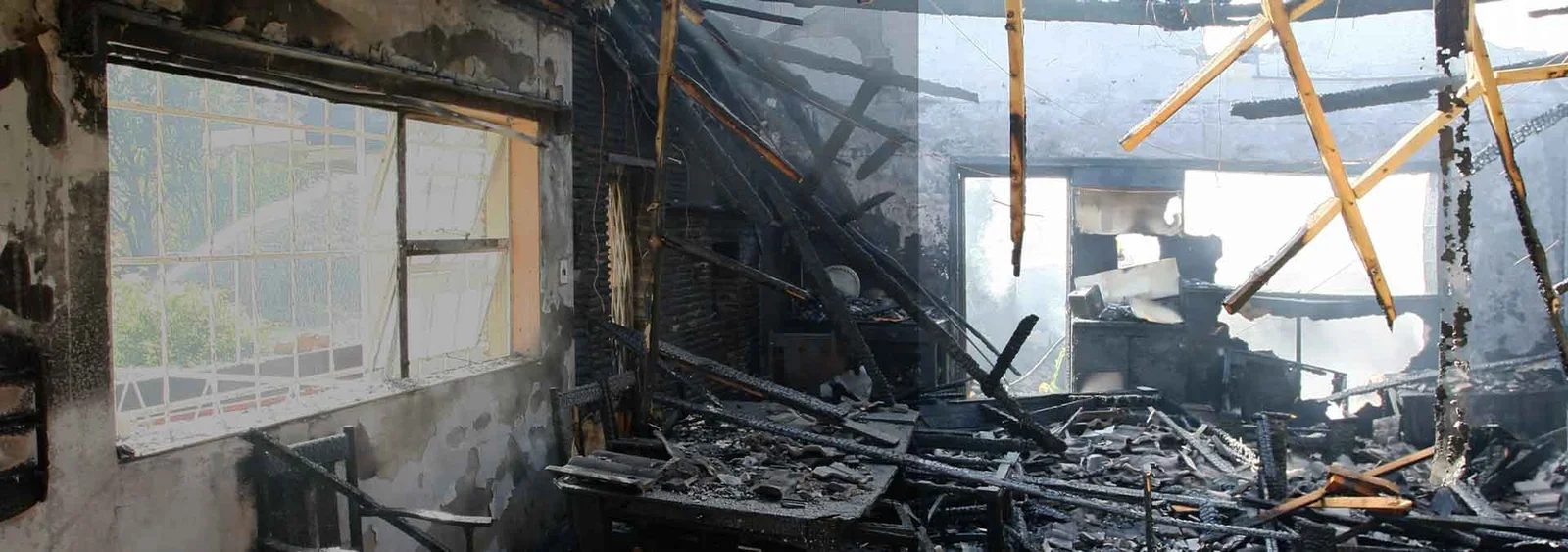
Best Option Restoration of Lakewood provides fire damage restoration services in Applewood, CO, offering rapid emergency response and full restoration from initial cleanup through reconstruction.
- The company addresses structural damage, smoke odor elimination, water damage from firefighting, and content restoration using specialized equipment like thermal fogging and hydroxyl generators.
- Applewood's mid-century homes present specific challenges including aging electrical systems, extensive ductwork that spreads smoke particles, and finished basements that trap soot in hidden spaces.
- The team handles insurance documentation and works directly with adjusters while maintaining IICRC certification for fire, smoke, water damage, and odor control restoration.
Fire damage restoration in Applewood, CO is a professional service that addresses both visible and hidden damage after a fire. Trained technicians use specialized equipment to remove smoke and soot from walls, ductwork, and belongings while stopping secondary damage. The process begins immediately after the fire to prevent further deterioration and restore the home to its pre-loss condition.
Overview
When fire strikes your Applewood home, the aftermath can feel overwhelming. Beyond the visible flames, smoke and soot penetrate deep into walls, ductwork, and personal belongings – creating damage that continues long after firefighters leave. Best Option Restoration of Lakewood responds rapidly to fire emergencies throughout Applewood, bringing specialized equipment and trained technicians to stop secondary damage and begin the restoration process immediately.
Fire damage restoration encompasses far more than cleanup. The process addresses structural integrity, smoke odor elimination, water damage from firefighting efforts, and careful content restoration. Applewood's mix of established neighborhoods and Colorado's dry climate create specific challenges that demand local expertise and swift action.
- Rapid emergency response to prevent ongoing smoke and soot damage
- Comprehensive assessment covering structural, content, and hidden damage
- Specialized odor removal using thermal fogging and hydroxyl generators
- Full coordination with insurance carriers from initial claim through completion
Common Issues in Applewood, CO
When Fire Damage Peaks in Applewood
Colorado's dry summer months and proximity to foothill vegetation create elevated wildfire risk for Applewood homes.
Increased use of fireplaces, space heaters, and furnaces leads to more residential fire incidents during cold months.
Fourth of July celebrations cause a spike in accidental fires from fireworks in residential areas.
Applewood sits in Jefferson County along the Front Range, where dry conditions persist for much of the year. Low humidity accelerates how quickly fires spread and intensifies smoke penetration into porous materials. Homes in this community face heightened wildfire awareness, but interior fires from heating systems, electrical faults, and kitchen incidents remain the primary restoration needs.
Seasonal patterns significantly influence fire damage scenarios throughout Applewood. Winter months bring increased heating system usage – furnace malfunctions, space heater incidents, and fireplace-related fires spike between November and March. Summer's drought conditions and occasional lightning storms create exterior fire risks that can quickly impact homes.
- Aging electrical systems in mid-century homes that may not meet current load demands
- Forced-air heating systems spreading smoke particles throughout entire homes
- Dry winter air allowing smoke odor to penetrate deeply into wood and textiles
- Wildland-urban interface proximity requiring awareness of ember intrusion damage
- Water damage from firefighting efforts freezing in unheated areas during winter
- Basement and crawlspace smoke accumulation in homes built into Applewood's sloped terrain
Warning signs that fire damage extends beyond visible areas include persistent smoky odors, discoloration spreading on walls or ceilings, HVAC systems circulating unusual smells, and respiratory irritation among household members. These indicators suggest smoke particles have infiltrated hidden spaces requiring professional remediation.
How Best Option Restoration of Lakewood Can Help
Our fire damage restoration process begins the moment you call. A project manager dispatches immediately to assess the situation and prevent additional damage from occurring.
Step-by-Step Restoration Process
- Emergency Contact and Dispatch – Our team mobilizes quickly, arriving with equipment to secure your property and begin initial assessment.
- Damage Assessment and Documentation – Technicians thoroughly inspect structural elements, contents, and hidden areas while photographing and cataloging all damage for insurance purposes.
- Board-Up and Stabilization – We secure openings, tarp damaged roofing, and address immediate safety hazards to protect your property from weather and intrusion.
- Water Extraction – Firefighting efforts leave substantial water behind. We extract standing water and deploy drying equipment to prevent mold growth.
- Smoke and Soot Removal – Specialized cleaning removes particulate matter from surfaces using dry sponges, HEPA vacuums, and chemical sponges appropriate for each material type.
- Odor Elimination – Thermal fogging, ozone treatment, and hydroxyl generators neutralize smoke odors at the molecular level.
- Content Cleaning and Restoration – Salvageable belongings receive professional cleaning, deodorization, and restoration at our facility or on-site.
- Structural Repairs and Reconstruction – From drywall replacement to complete rebuilds, our construction team restores your home to pre-loss condition.
Techniques and Equipment
- Air scrubbers with HEPA filtration removing airborne particulates
- Ultrasonic cleaning for delicate items and electronics
- Dry ice blasting for heavy soot on structural elements
- Hydroxyl generators safe for occupied spaces during odor treatment
- Moisture meters and thermal imaging to locate hidden water damage
Communication remains constant throughout restoration. Your dedicated project manager provides regular updates, coordinates scheduling around your needs, and remains available to answer questions at every phase.
Insurance & Documentation
Fire damage claims rank among the most complex insurance situations homeowners face. Proper documentation from the first moment protects your interests and supports full claim approval. Our team understands this process thoroughly and works directly with your insurance adjuster to streamline everything.
We create comprehensive documentation packages that satisfy insurance requirements while protecting your coverage rights.
- Detailed photographic and video evidence of all damage before any cleaning begins
- Room-by-room inventory of affected contents with condition assessments
- Moisture readings and thermal imaging reports documenting hidden damage
- Daily work logs tracking all restoration activities and labor
- Material specifications and replacement cost documentation
- Third-party testing results for air quality and contamination levels when needed
Best Option Restoration of Lakewood maintains IICRC certification – the industry standard that insurance companies recognize and respect. Our technicians follow established protocols that align with insurance expectations, reducing disputes and accelerating claim processing. We communicate directly with adjusters, provide requested documentation promptly, and advocate for complete restoration coverage on your behalf.
Why Choose Best Option Restoration of Lakewood
Local presence makes a measurable difference in fire damage response. Our crews know Applewood's neighborhoods, understand the housing stock, and can reach your property faster than distant competitors. When smoke damage continues spreading with every passing hour, those minutes matter.
Our technicians hold current IICRC certifications in fire and smoke restoration, water damage restoration, and odor control. This training translates directly into better outcomes – proper techniques prevent cross-contamination, protect salvageable items, and eliminate odors permanently rather than masking them temporarily.
- Available around the clock for emergency response
- Direct insurance billing eliminating out-of-pocket stress during difficult times
- Single-source restoration handling everything from initial cleanup through final reconstruction
- Local references from Applewood and surrounding Jefferson County communities
- Detailed communication keeping you informed without adding to your burden
Housing Characteristics & Fire Damage Restoration Considerations
Applewood's residential development occurred primarily between the late 1950s and early 1980s, creating a neighborhood of established single-family homes with distinctive characteristics. Most properties feature ranch-style or split-level designs built during Jefferson County's post-war expansion, with square footage typically ranging from 1,200 to 2,400 square feet.
Construction methods from this era present specific fire restoration challenges. Homes commonly feature:
- Wood-frame construction with plaster or early drywall interior walls
- Original electrical panels that may have been upgraded – or may still operate near capacity
- Forced-air HVAC systems with extensive ductwork throughout the structure
- Finished basements adding complexity to smoke infiltration patterns
- Attached garages where many residential fires originate
- Cedar shake or composition roofing materials with varying fire resistance
These mid-century homes often contain materials no longer used in modern construction. Original insulation, adhesives, and finishes may require specialized handling during fire restoration. Ductwork in homes of this vintage tends to accumulate decades of dust and debris – when fire occurs, these contaminants circulate throughout the entire structure, requiring comprehensive cleaning beyond the immediate fire area.
Basement configurations common in Applewood create smoke accumulation zones that require particular attention. Smoke naturally settles into lower levels, and finished basements with drop ceilings can trap soot in hidden spaces above ceiling tiles and behind wall coverings.
Environmental Conditions & Fire Damage Restoration Implications
The Denver metropolitan area – including Applewood – experiences semi-arid climate conditions that directly influence fire damage restoration approaches. Average relative humidity hovers around 40-50% annually, dropping significantly lower during winter months when heating systems run continuously. This dry environment affects how smoke particles interact with materials and how restoration techniques must be adapted.
Low humidity creates both advantages and challenges for fire restoration:
- Drying times for water damage from firefighting efforts are generally shorter
- Smoke odors can penetrate more deeply into dry, porous materials
- Static electricity increases, affecting how soot particles cling to surfaces
- Wood framing and finishes may be more susceptible to smoke absorption
Applewood receives water from Denver Water's municipal system, sourced primarily from mountain snowmelt. This water quality – generally soft with low mineral content – works well with cleaning solutions and doesn't leave mineral deposits during restoration cleaning processes. However, firefighting water often comes from hydrants at high pressure, potentially forcing contaminated water deep into wall cavities and flooring systems.
Colorado's environmental regulations require proper disposal of fire-damaged materials, particularly those containing asbestos or lead paint common in homes built before 1978. Applewood's housing age means many properties require testing before demolition work begins. Our team coordinates appropriate testing and follows all state disposal requirements for hazardous materials encountered during restoration.
Population Characteristics & Fire Damage Restoration Considerations
Applewood functions as an established suburban community within the greater Lakewood and Golden area. The neighborhood attracts households seeking proximity to Denver employment centers while maintaining a residential character with larger lots than many newer developments. Median household incomes trend above state averages, with many residents employed in professional, technical, and government sectors.
Demographic patterns in Applewood influence fire damage restoration needs in several ways:
- Long-term homeownership means residents have accumulated valuable personal property requiring careful content restoration
- Dual-income households often mean properties sit unoccupied during work hours, potentially delaying fire discovery
- Aging population segments may face mobility challenges requiring temporary housing coordination during restoration
- Higher property values justify comprehensive restoration rather than replacement in many cases
- Established community connections mean reputation and referrals carry significant weight
The economic stability of Applewood residents typically translates to adequate insurance coverage, though policy limits and coverage types vary. Many homeowners carry replacement cost coverage rather than actual cash value policies, supporting more complete restoration outcomes. We work with residents to understand their specific coverage and maximize restoration within policy parameters.
Household composition in Applewood includes families with children, empty nesters remaining in longtime homes, and younger professionals purchasing from original owners. Each situation requires different communication approaches and restoration priorities – families need rapid return to normalcy, while long-term residents may have irreplaceable items requiring specialized attention.
Fire Incident Patterns in Applewood and Jefferson County
Jefferson County Fire Districts respond to hundreds of structure fires annually, with residential incidents representing the majority of fire damage restoration needs. West Metro Fire Rescue serves the Applewood area, maintaining stations positioned for rapid response throughout the community. Understanding local fire patterns helps homeowners recognize risks and informs our preparation for common restoration scenarios.
Residential fire causes in the greater Applewood area follow patterns consistent with Front Range communities:
- Cooking incidents remain the leading cause of home fires, particularly during evening meal preparation hours
- Heating equipment – including furnaces, space heaters, and fireplaces – causes increased winter incidents
- Electrical failures spike in older homes where wiring hasn't been updated to handle modern electrical loads
- Dryer fires from lint accumulation represent a preventable but persistent category
- Garage fires involving stored flammables, vehicles, or electrical equipment affect attached structures
Jefferson County's wildfire awareness programs have increased resident preparedness for exterior fire threats, but interior fire risks often receive less attention. The combination of older housing stock, dry climate conditions, and high heating demands during cold months creates elevated risk during winter. December through February consistently sees higher fire incident rates across the county.
Response times in Applewood benefit from the area's established infrastructure and multiple nearby fire stations. Quick suppression limits fire spread but often increases water damage – a tradeoff that shapes restoration needs. Our experience with local fire department practices helps us anticipate damage patterns and begin appropriate restoration planning immediately upon arrival.
Weather & Alerts in Applewood, CO
Current Conditions
Temp: 65°F · Feels like: 63°F
Humidity: 40% · Wind: 6 mph
Emergency Alerts
No active alerts.
Fire Damage Restoration in Other Service Areas
Useful Numbers
- Life-threatening emergencies
- 911
- Poison Control
- 1-800-222-1222
- Suicide Prevention Lifeline
- 988
- Police (non-emergency)
- Visit your local police department website
- Fire Department (non-emergency)
- Check the Applewood city website
- City Hall
- Available on the official Applewood government website
- Non-Emergency Services
- Call 311 if available in your area
Always verify numbers from official city/county websites.