
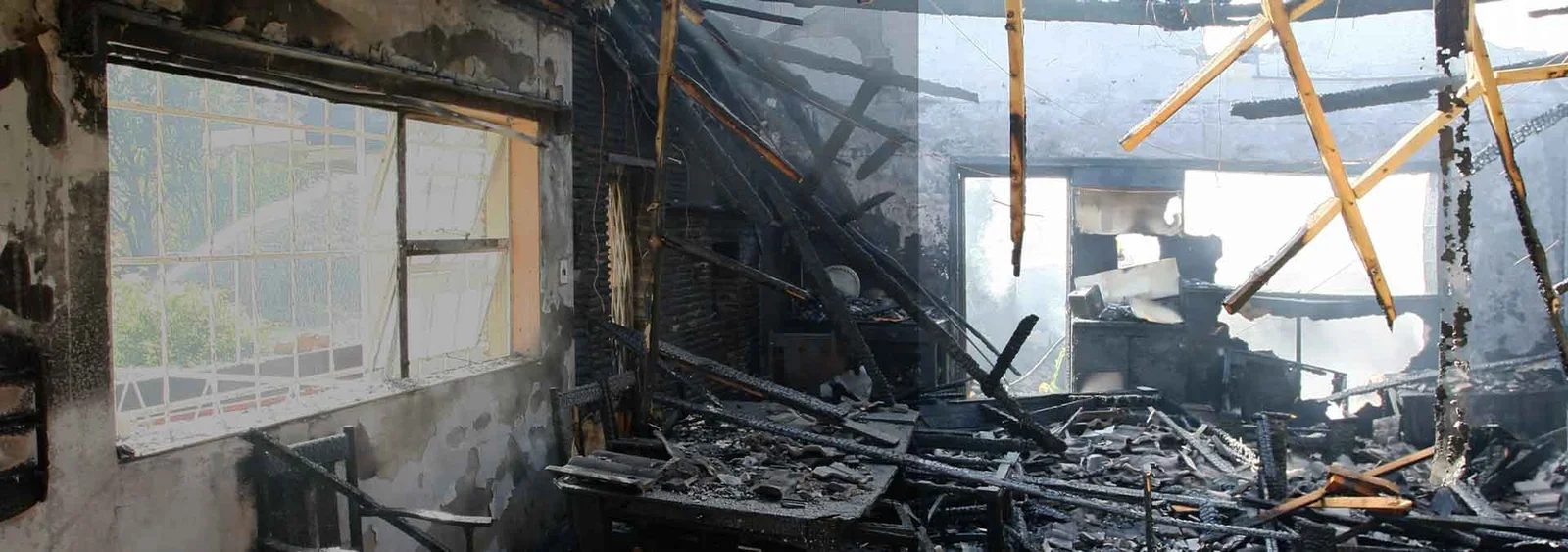
Fire damage restoration in Genesee, CO addresses the complex aftermath of fires, including smoke infiltration, soot damage, and water from firefighting efforts. The mountain environment at elevations above 7,800 feet creates unique challenges requiring specialized expertise.
- Damage continues after flames are out as acidic soot corrodes metal within hours and smoke odor embeds deeper into materials each day. Low humidity at high altitude accelerates smoke penetration into porous materials.
- Best Option Restoration of Lakewood provides 24/7 emergency response with IICRC-certified technicians using thermal foggers, hydroxyl generators, and industrial air scrubbers. They calibrate equipment specifically for mountain conditions.
- Genesee homes typically feature wood siding, vaulted ceilings, and custom construction from the 1970s through early 2000s. These characteristics create specific restoration challenges including deep smoke absorption and difficult access to upper areas.
Fire damage restoration is a specialized process that addresses the complex destruction caused by fires in homes. It goes beyond repairing flame damage to include removing smoke that infiltrates every corner, cleaning soot from fabrics and ductwork, and addressing water damage from firefighting efforts. The process salvages what can be saved and safely removes what cannot be recovered.
Overview
When fire strikes a home in Genesee, the aftermath extends far beyond what flames touched directly. Smoke infiltrates every corner, soot settles into fabrics and ductwork, and water from firefighting efforts creates secondary damage that compounds the original destruction. Fire damage restoration addresses this complex web of destruction through specialized techniques that salvage what can be saved and safely remove what cannot.
Professional fire damage restoration matters because the damage continues evolving after flames are extinguished. Acidic soot corrodes metal surfaces within hours, smoke odor embeds deeper into materials each day, and moisture from fire suppression creates conditions for mold growth. In Genesee's mountain environment – where homes sit at elevations above 7,800 feet and often feature unique construction adapted to steep terrain – these challenges require expertise specific to both fire restoration and high-altitude conditions.
- Rapid assessment prevents progressive damage from smoke acids and moisture
- Specialized equipment removes odors that household cleaning cannot address
- Structural evaluation identifies hidden damage behind walls and in attic spaces
- Coordinated restoration minimizes time displaced from your home
Common Issues in Genesee, CO
When Fire Damage Peaks in Genesee
Colorado's dry summer months and mountain location create peak wildfire risk in this forested foothill community.
Wood stoves and heating systems in mountain homes increase indoor fire incidents during cold winter months.
Dry conditions before spring moisture arrives combined with wind events create elevated grass and brush fire risk.
Genesee's position along the Front Range foothills creates fire damage scenarios distinct from urban or plains communities. Homes here often sit on wooded lots with significant tree coverage, and the area's history of wildfire activity means many properties face both structure fire risks and wildfire exposure concerns.
The mountain climate introduces complications that lowland properties rarely encounter. Low humidity accelerates smoke penetration into porous materials, while dramatic temperature swings between day and night can cause thermal stress in fire-weakened structures. Winter conditions may delay restoration access, and spring snowmelt can interact with fire-damaged roofing to create water intrusion.
- Pine and spruce soot from nearby vegetation creates particularly stubborn residue requiring specialized cleaning agents
- Homes with wood-burning stoves or fireplaces face chimney fire risks that can spread to surrounding structures
- Remote locations may mean delayed fire department response, allowing fires to cause more extensive damage before suppression
- Wildlife activity in attics and crawlspaces can compromise electrical systems, creating ignition sources
- Propane storage common in mountain homes adds explosion risk considerations to fire damage assessment
- Steep driveways and limited access roads complicate equipment delivery for restoration work
Warning signs that fire damage requires professional attention include persistent smoke odor despite cleaning attempts, discoloration spreading on walls or ceilings, electrical systems behaving erratically after a fire event, and respiratory irritation among household members. Even small kitchen fires can deposit invisible soot throughout HVAC systems, circulating particles long after visible damage is addressed.
How Best Option Restoration of Lakewood Can Help
Our fire damage restoration process begins the moment you contact us, with teams available around the clock because fire damage worsens with every passing hour.
Initial Response and Assessment
- Emergency contact and dispatch – we gather preliminary information and mobilize appropriate equipment
- On-site safety evaluation – our technicians assess structural integrity, electrical hazards, and air quality before entering
- Comprehensive damage mapping – we document all affected areas using moisture meters, thermal imaging, and visual inspection
- Restoration plan development – we create a prioritized action plan addressing immediate stabilization and long-term restoration
Active Restoration Phase
Once assessment is complete, restoration work proceeds through coordinated stages designed to address damage systematically.
- Board-up and tarping services protect against weather exposure and unauthorized entry
- Water extraction removes firefighting water before it causes mold or structural damage
- Soot and debris removal uses HEPA-filtered equipment to capture fine particles
- Smoke odor treatment employs thermal fogging, ozone generation, and hydroxyl technology
- Content cleaning and restoration salvages personal belongings, documents, and valuables
- Structural cleaning addresses walls, ceilings, framing, and subflooring
Quality Control and Communication
Throughout restoration, we maintain detailed documentation and regular communication with property owners. Progress updates occur at scheduled intervals, and our project managers remain accessible for questions. Final walkthrough inspections verify that all restoration objectives have been met before we consider a project complete.
Insurance & Documentation
Fire damage claims require thorough documentation to support fair settlement. We approach this documentation systematically, creating records that satisfy insurance requirements while protecting your interests.
- Photographic and video documentation of all damage before any cleaning or removal
- Detailed inventory of damaged contents with descriptions and condition assessments
- Moisture readings and air quality measurements establishing baseline conditions
- Daily work logs recording all restoration activities and materials used
- Receipts and invoices for all services rendered
We work directly with insurance adjusters, providing them access to documentation and answering technical questions about restoration scope. Our estimates follow industry-standard pricing databases that insurance companies recognize, reducing disputes over reasonable costs.
Our technicians hold IICRC certifications in fire and smoke restoration, water damage restoration, and odor control. These credentials demonstrate competency in techniques that insurance companies expect from qualified restoration contractors. We maintain all required Colorado contractor licensing and carry comprehensive liability coverage protecting both our team and your property.
Why Choose Best Option Restoration of Lakewood
Serving the greater Lakewood area including mountain communities like Genesee, we bring restoration expertise where it matters most – to your property, when you need it. Our teams understand the specific challenges of working in foothill communities, from navigating steep access roads to accounting for altitude effects on drying times and equipment performance.
Response time defines outcomes in fire restoration. We maintain staffing and equipment levels that allow rapid deployment, typically arriving within hours of initial contact rather than days. Our local presence means we're not dispatching from distant offices unfamiliar with Genesee's geography.
- 24/7 emergency response with direct communication to project managers
- IICRC-certified technicians trained in the latest restoration techniques
- Advanced equipment including thermal foggers, hydroxyl generators, and industrial air scrubbers
- Established relationships with Genesee-area contractors for reconstruction needs
- Transparent pricing with detailed scope documentation
Housing Characteristics & Fire Damage Restoration Considerations
Genesee's housing stock reflects its development as a mountain residential community beginning in the 1970s, with significant construction continuing through the 1990s and early 2000s. Most homes here are custom-built single-family residences designed for the terrain, featuring walk-out basements, multi-level floor plans, and architectural styles that integrate with the natural landscape.
Typical Genesee homes range from 2,500 to 5,000 square feet, often larger than comparable lowland properties. Construction commonly incorporates:
- Wood-frame construction with cedar, redwood, or pine siding
- Large window installations for mountain views, increasing ventilation complexity after fire damage
- Vaulted ceilings and open floor plans that allow smoke to travel throughout structures
- Stone or brick fireplaces as primary or secondary heating sources
- Attached garages often housing vehicles, fuel, and workshop equipment
These characteristics create specific fire restoration challenges. Wood siding absorbs smoke odors deeply, requiring aggressive treatment or replacement. Vaulted ceilings make accessing upper wall areas difficult without specialized equipment. Homes from the 1970s and 1980s may contain materials no longer used in construction – including certain insulation types and older electrical systems – that require careful handling during restoration. The custom nature of most Genesee homes means replacement materials often require special ordering rather than off-the-shelf availability.
Environmental Conditions & Fire Damage Restoration Implications
Genesee sits at elevations between 7,800 and 8,400 feet, creating environmental conditions that directly impact fire damage restoration timelines and techniques. The thin mountain air holds less moisture than lower elevations, with average relative humidity often below 30% during winter months. This low humidity accelerates drying of fire-suppression water but also allows smoke particles to penetrate more deeply into porous materials before they can be cleaned.
Air quality in Genesee is generally excellent due to limited industrial activity and distance from urban pollution sources. However, wildfire smoke from regional fires periodically affects the area, and post-fire restoration must account for both structure fire residue and any ambient smoke that entered during the incident.
- Temperature extremes range from below zero in winter to the 80s in summer, requiring climate-controlled restoration environments
- Annual precipitation averages 18-20 inches, with most falling as snow between October and April
- Well water is common, requiring testing after fire events to verify no contamination from runoff
- Rocky, well-drained soils limit groundwater contamination but may concentrate debris in drainage channels
- Colorado air quality regulations govern disposal of fire-damaged materials containing hazardous substances
Restoration equipment performs differently at altitude – dehumidifiers and air movers require adjustment for reduced air density, and drying calculations must account for lower atmospheric pressure. Our technicians calibrate equipment specifically for mountain conditions rather than applying lowland assumptions.
Population Characteristics & Fire Damage Restoration Considerations
Genesee is an unincorporated community within Jefferson County with a population of approximately 4,000-5,000 residents spread across a relatively large geographic area. This low-density, rural-suburban character means properties often have significant distance between neighbors, affecting both fire spread patterns and emergency response times.
The community's demographic profile influences fire damage restoration in several ways:
- Higher median household incomes – typically above $150,000 – mean homes often contain valuable furnishings, art, and electronics requiring specialized content restoration
- Many residents are professionals who commute to Denver metro employment, creating daytime vacancy that can delay fire detection
- Significant population of retirees and second-home owners may mean properties sit unoccupied for extended periods
- Educated population typically carries comprehensive insurance coverage and understands documentation requirements
- Strong community networks facilitate neighbor notification and mutual assistance during emergencies
The economic demographics of Genesee residents generally support thorough restoration rather than minimal repairs. Homeowners here often have both the resources and motivation to restore properties to pre-loss condition, including addressing hidden damage that might be overlooked in cost-constrained situations. This aligns with our approach of comprehensive restoration that addresses all damage rather than surface-level repairs that leave underlying problems unresolved.
Wildfire Risk and Fire History in Genesee
Genesee's location within Colorado's wildland-urban interface places it among communities with elevated wildfire exposure. The area sits within the montane ecosystem zone, characterized by ponderosa pine, Douglas fir, and mixed conifer forests that carry fire readily under dry conditions. Jefferson County's Community Wildfire Protection Plan identifies portions of Genesee as high-risk areas requiring ongoing mitigation efforts.
Historical fire activity in the region provides context for current restoration needs:
- The 2020 fire season brought multiple large fires within 50 miles of Genesee, including evacuation warnings for some residents
- Smaller fires regularly occur in the I-70 corridor, sometimes sparked by vehicle incidents or equipment use
- Lightning strikes during summer monsoon season ignite fires that can threaten structures before suppression arrives
- Red flag warning days – when fire weather conditions are extreme – occur 15-25 times annually in Jefferson County
This fire environment affects restoration work beyond direct structure fires. Homes may sustain smoke damage from nearby wildfires without direct flame contact. Evacuation and re-entry cycles stress building systems. Defensive preparations like removing vegetation can expose previously protected areas to weather damage if fire doesn't ultimately threaten the property.
Best Option Restoration of Lakewood understands the intersection of wildfire risk and structure fire restoration. We evaluate properties for both immediate damage and vulnerabilities that wildfire exposure may have created or worsened. Our restoration plans consider the ongoing fire risk environment, recommending materials and approaches that improve future resilience alongside addressing current damage.
Weather & Alerts in Genesee, CO
Current Conditions
Temp: 54°F · Feels like: 54°F
Humidity: 100% · Wind: 6 mph
Emergency Alerts
No active alerts.
Fire Damage Restoration in Other Service Areas
Useful Numbers
- Life-threatening emergencies
- 911
- Poison Control
- 1-800-222-1222
- Suicide Prevention Lifeline
- 988
- Police (non-emergency)
- Visit your local police department website
- Fire Department (non-emergency)
- Check the Genesee city website
- City Hall
- Available on the official Genesee government website
- Non-Emergency Services
- Call 311 if available in your area
Always verify numbers from official city/county websites.