
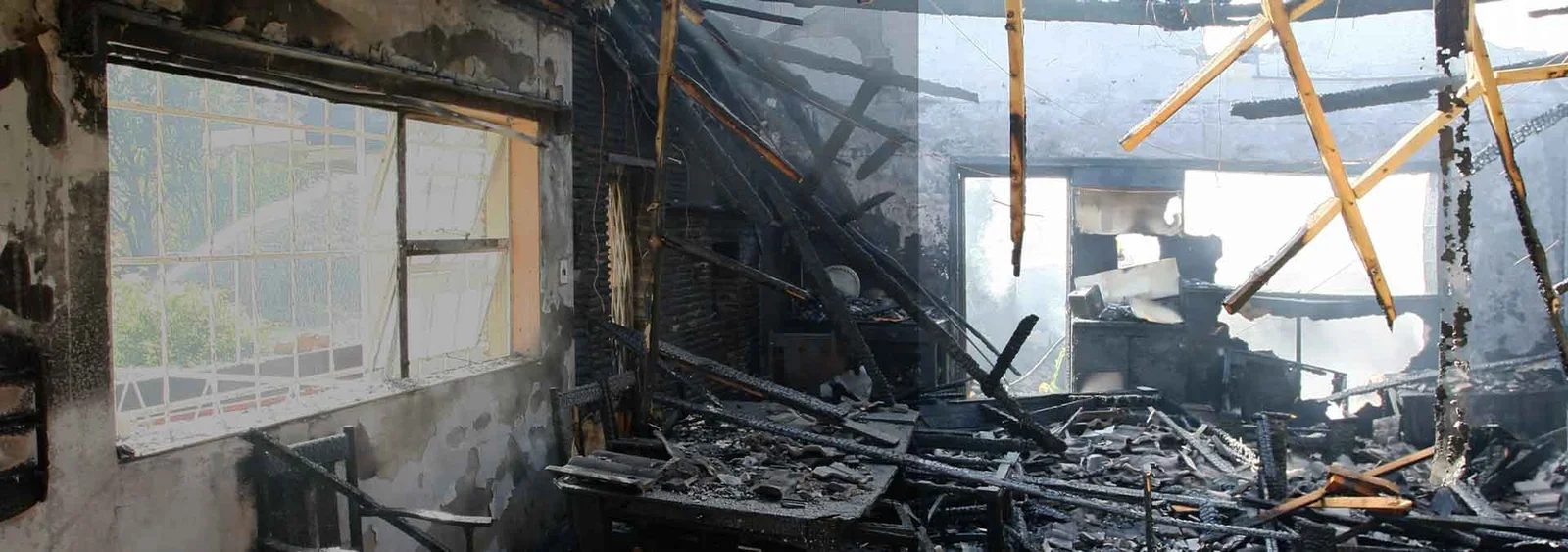
Best Option Restoration of Lakewood provides fire damage restoration services in Thornton, CO, addressing structural damage, smoke and soot removal, water extraction, and odor elimination with techniques suited to Colorado's dry climate.
- The company offers 24/7 emergency response with IICRC-certified technicians who handle everything from initial board-up through final reconstruction. They use specialized equipment like thermal imaging, dry ice blasting, and hydroxyl generators.
- Thornton's semi-arid climate and low humidity cause fires to spread quickly and smoke particles to penetrate deeper into building materials. Older homes and newer subdivisions each present unique restoration challenges.
- The team works directly with insurance adjusters, providing detailed photo documentation, moisture readings, and daily work logs to streamline the claims process for homeowners.
Fire damage restoration is a professional service that addresses the aftermath of a fire in your home or business. It involves removing smoke odor, extracting water left from firefighting efforts, cleaning soot from surfaces, and repairing structural damage. Trained professionals assess the property, salvage belongings when possible, and restore the space to its pre-fire condition.
Overview
When fire tears through your Thornton home, the aftermath can feel overwhelming. Smoke still lingers in the air, water from firefighting efforts pools on floors, and the structure you once knew now looks unrecognizable. Best Option Restoration of Lakewood responds to these situations with trained professionals who understand both the urgency and the complexity of fire damage restoration.
Fire damage restoration encompasses far more than cleaning up visible debris. The process addresses structural integrity, smoke and soot penetration, water damage from suppression efforts, and lingering odors that can persist for months without proper treatment. Thornton's semi-arid climate and frequent temperature swings create unique challenges – materials dry unevenly, and smoke particles behave differently in our low-humidity environment.
- Rapid assessment and stabilization to prevent secondary damage from spreading
- Comprehensive soot and smoke removal from surfaces, HVAC systems, and hidden spaces
- Water extraction and structural drying following firefighting efforts
- Odor elimination using professional-grade equipment designed for Colorado's dry air
Common Issues in Thornton, CO
When Fire Damage Peaks in Thornton
Cold Colorado winters increase furnace use, space heater accidents, and fireplace-related fires in homes.
Dry conditions and high temperatures create elevated wildfire risk that can spread to residential areas near Thornton.
Fourth of July celebrations lead to a spike in accidental fires from fireworks in the dry Colorado climate.
Thornton sits along the Front Range where dry conditions persist for much of the year. This low humidity means fires can spread quickly and burn intensely, often causing more structural damage than homeowners initially realize. The same dry air that makes summers comfortable also allows smoke particles to penetrate deeper into porous materials like drywall, insulation, and wood framing.
Winter months bring their own fire risks. Heating equipment runs constantly, and older furnaces or space heaters in Thornton's mid-century homes can malfunction. Kitchen fires spike during holiday cooking seasons, and electrical systems in aging properties struggle with modern power demands.
- Dry climate accelerates fire spread and deepens smoke penetration into building materials
- Temperature extremes stress electrical systems, increasing fire risk in older homes
- Wind patterns from the mountains can push fire damage into unexpected areas of structures
- Hard water deposits in Thornton's municipal supply complicate cleaning and restoration
- Newer subdivisions with attached garages see vehicle-related fires spread to living spaces
- Basement finishes common in local homes trap smoke and require specialized extraction
Warning signs that indicate hidden fire damage include persistent smoky odors even after cleaning, discoloration spreading on walls or ceilings days after the fire, electrical outlets that feel warm, and HVAC systems that circulate burnt smells throughout the home.
How Best Option Restoration of Lakewood Can Help
Our restoration process begins the moment you call. We dispatch teams equipped to handle the full scope of fire damage – not just the obvious destruction, but the hidden damage that causes problems weeks or months later.
Our Step-by-Step Restoration Process
- Emergency response and property stabilization – boarding up openings, tarping damaged roofs, and securing the structure against weather and intrusion
- Comprehensive damage assessment using thermal imaging and moisture meters to identify hidden damage behind walls and under floors
- Water extraction from firefighting efforts, followed by structural drying to prevent mold growth
- Debris removal and structural cleaning, separating salvageable items from those requiring disposal
- Soot and smoke residue removal from all surfaces, including detailed cleaning of HVAC ductwork
- Odor elimination using hydroxyl generators and thermal fogging appropriate for Colorado's dry climate
- Final inspection and documentation for insurance purposes
Specialized Techniques We Use
- Dry ice blasting for delicate surfaces and electronics affected by smoke
- Ozone treatment in unoccupied spaces for deep odor removal
- HEPA air scrubbing to remove airborne particulates during restoration
- Ultrasonic cleaning for personal items and valuables
- Content pack-out services for off-site restoration of belongings
Throughout the process, we maintain constant communication. You receive regular updates, photo documentation, and direct access to your project manager. We coordinate with your insurance adjuster and keep detailed records that streamline the claims process.
Insurance & Documentation
Fire damage claims rank among the most complex insurance situations homeowners face. The damage spans multiple categories – structural, content, smoke, water – and each requires specific documentation. We work directly with insurance adjusters to provide the detailed evidence your claim requires.
Our documentation practices protect your interests from the first day of restoration through final completion.
- Photographic and video documentation of all damage before any cleanup begins
- Detailed inventory of damaged contents with condition assessments
- Moisture readings and thermal imaging records showing hidden damage
- Daily work logs documenting all restoration activities
- Air quality testing results before and after remediation
- Material and equipment invoices organized for claim submission
Our team holds IICRC certifications in fire and smoke restoration, water damage restoration, and odor control. These industry-standard credentials demonstrate our adherence to established protocols that insurance companies recognize and accept.
Why Choose Best Option Restoration of Lakewood
Local knowledge matters in restoration work. We understand Thornton's building codes, work regularly with local inspectors, and know which materials perform best in Colorado's climate. Our crews respond quickly because they live and work in the metro area – not hours away waiting for dispatch.
Our qualifications set us apart from general contractors who occasionally handle fire damage:
- IICRC-certified technicians in fire restoration, water damage, and applied structural drying
- 24/7 emergency response with typical arrival times measured in hours, not days
- Direct insurance billing relationships that simplify your claims process
- Comprehensive services from initial board-up through final reconstruction
- Advanced equipment including thermal imaging, industrial air scrubbers, and ozone generators
We follow up after every project to confirm the restoration meets your expectations. If odors return or issues emerge, we come back and address them – your satisfaction extends beyond the final invoice.
Housing Characteristics & Fire Damage Restoration Considerations
Thornton's housing stock reflects its growth from a small farming community into a major Denver suburb. The oldest neighborhoods near 88th Avenue feature ranch-style homes built in the 1950s and 1960s, while massive subdivisions from the 1980s and 1990s spread north toward 136th Avenue. Recent development continues pushing toward the city's northern boundaries with contemporary construction.
This age diversity creates varied fire restoration challenges:
- Pre-1980 homes often contain materials like plaster walls, hardwood subfloors, and older electrical systems that require specialized restoration approaches
- 1980s and 1990s construction introduced more synthetic materials that produce toxic smoke requiring careful remediation
- Newer homes feature open floor plans where fire and smoke spread rapidly between spaces
- Many properties include finished basements – common in Colorado – where smoke settles and persists
- Attached garages in most Thornton homes create pathways for vehicle fires to reach living spaces
Average home sizes in Thornton range from 1,200 square feet in older sections to over 3,000 square feet in newer developments. Larger homes require more extensive smoke remediation, as HVAC systems distribute particles throughout the structure. Older, smaller homes present different challenges – tighter spaces concentrate smoke damage and make access for restoration equipment more difficult.
Environmental Conditions & Fire Damage Restoration Implications
Thornton's position along the Front Range creates environmental conditions that directly impact fire damage restoration. The city experiences over 300 days of sunshine annually, with relative humidity often dropping below 30% during winter months. This dry air affects how smoke particles settle, how materials dry after water damage, and how odors persist in structures.
Key environmental factors affecting restoration work include:
- Low humidity accelerates drying but can cause wood materials to crack if moisture is removed too quickly
- Temperature swings of 40+ degrees in a single day stress building materials during restoration
- Thornton's moderately hard water (around 150-200 ppm) leaves mineral deposits during cleaning if not properly treated
- Clay-heavy soils in many areas drain poorly, complicating foundation work after fire damage
- Occasional air quality alerts from regional wildfires can delay exterior restoration work
- Strong Chinook winds require secure tarping and boarding to protect fire-damaged structures
Colorado's environmental regulations require proper disposal of fire-damaged materials, particularly those containing asbestos in older homes or synthetic materials that produce hazardous ash. We coordinate with local waste management facilities and follow state guidelines for handling and disposing of fire debris, protecting both your property and the surrounding environment.
Population Characteristics & Fire Damage Restoration Considerations
Thornton ranks as Colorado's sixth-largest city with a population exceeding 140,000 residents. The city's demographics have shifted significantly over the past two decades, becoming more diverse and younger as Denver's housing costs push families northward. Median household income hovers around $75,000 – solidly middle-class with many dual-income families.
These population characteristics shape fire restoration needs in several ways:
- Working families need flexible scheduling for inspections and walkthroughs outside business hours
- Many households include children, requiring extra attention to removing smoke residue from carpets, toys, and lower surfaces
- Growing Hispanic and Asian communities may need multilingual communication during the restoration process
- Homeownership rates above 70% mean most fire damage involves owner-occupied properties with strong investment in restoration quality
- Commuter population – many residents work in Denver or Boulder – needs responsive communication via text and email
Economic factors influence restoration decisions. Middle-income homeowners often carry insurance but may have higher deductibles, making cost transparency and accurate estimates particularly valuable. Many Thornton residents work in healthcare, retail, and logistics sectors with demanding schedules, appreciating restoration teams that minimize disruption and communicate efficiently.
Fire Incident Statistics & Risk Factors in Thornton
Thornton Fire Department responds to hundreds of fire-related calls annually, with structure fires representing a significant portion of emergency responses. Understanding local fire patterns helps homeowners recognize risks and respond appropriately when incidents occur.
Common Fire Causes in Thornton Homes
- Cooking fires account for the largest percentage of residential incidents, particularly in kitchen areas with older ventilation systems
- Heating equipment failures spike during October through March, especially in homes with aging furnaces or supplemental space heaters
- Electrical fires occur more frequently in pre-1980 homes where wiring struggles with modern appliance loads
- Garage fires involving vehicles, stored chemicals, or electrical equipment spread to living spaces through attached construction
- Dryer fires from lint buildup remain common, particularly in homes with longer vent runs
The Adams County area, including Thornton, has seen residential fire losses averaging several million dollars annually. Most fires remain small when occupants respond quickly and fire department response times stay short. However, even contained fires produce smoke damage that extends far beyond the burn area – often affecting entire homes even when flames touched only a single room.
Thornton's newer construction tends to experience different fire patterns than older neighborhoods. Modern building materials burn faster and hotter, producing more toxic smoke. Open floor plans allow rapid fire spread. However, updated building codes also mean better fire stopping between units in multi-family structures and improved egress options. Understanding your home's specific risk factors helps you respond appropriately and communicate effectively with restoration professionals after an incident.
Weather & Alerts in Thornton, CO
Current Conditions
Temp: 64°F · Feels like: 63°F
Humidity: 57% · Wind: 5 mph
Emergency Alerts
No active alerts.
Fire Damage Restoration in Other Service Areas
Useful Numbers
- Life-threatening emergencies
- 911
- Poison Control
- 1-800-222-1222
- Suicide Prevention Lifeline
- 988
- Police (non-emergency)
- Visit your local police department website
- Fire Department (non-emergency)
- Check the Thornton city website
- City Hall
- Available on the official Thornton government website
- Non-Emergency Services
- Call 311 if available in your area
Always verify numbers from official city/county websites.