

Homes built before 1980 may contain asbestos in materials like popcorn ceilings, vinyl tiles, and pipe insulation. Disturbing these materials during renovation releases dangerous fibers that can cause serious lung diseases decades later.
- Asbestos hides in popcorn ceilings, 9x9 vinyl tiles, pipe insulation, drywall compound, and HVAC duct tape. Lab testing is the only way to confirm its presence - never judge by sight alone.
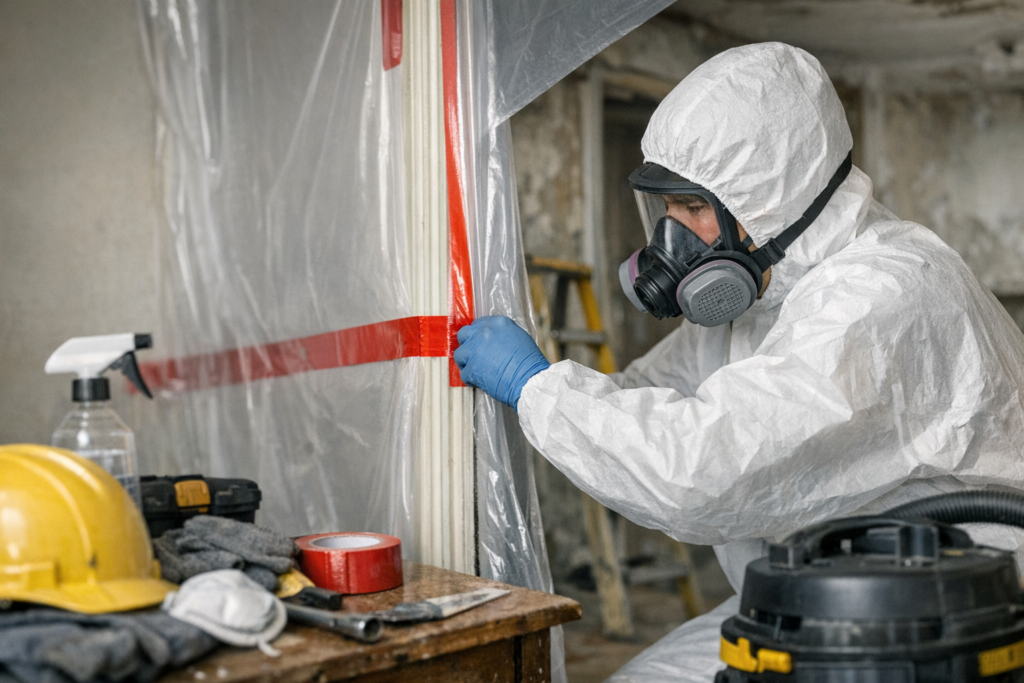
- Safe removal requires sealing the work area with plastic sheeting, keeping materials wet, using P100 respirators and disposable coveralls, and running HEPA air scrubbers under negative pressure.
- Asbestos waste must be double-bagged, labeled, and taken to approved landfills. Friable or large-scale asbestos jobs should be handled by certified professionals who perform air clearance testing.
To safely manage asbestos during home renovations, start by having a professional inspection before any demolition work begins. Avoid disturbing materials that may contain asbestos, such as popcorn ceilings or vinyl flooring in pre-1980 homes. If asbestos is found, hire licensed abatement contractors to remove or encapsulate it properly, and never attempt removal yourself.
Homes built before 1980 carry a hidden risk that no renovation plan should overlook: asbestos. One swing of a sledgehammer into old popcorn ceiling or vinyl flooring can release fibers that stay airborne for hours. Proper asbestos management protects your lungs, your family, and anyone who enters the space afterward.
This post covers where asbestos hides in older homes, how to test for it, and the exact safety steps to follow before you demolish anything. Read it fully before you start any teardown.
What Asbestos Is and Why It Matters in Renovations
Asbestos is a group of mineral fibers once added to building materials for fire resistance and durability. When these materials stay intact, they pose little danger. The risk starts when renovation work breaks, sands, or cuts them.
Disturbed asbestos releases microscopic fibers into the air. Breathing them in links directly to mesothelioma, lung cancer, and asbestosis. Symptoms can take 20 to 40 years to appear, which makes prevention the only real defense.
Why Older Homes Carry the Highest Risk
Any home built or remodeled before the mid-1980s may contain asbestos. The United States did not ban most asbestos products until decades of use had already passed. Kitchens, bathrooms, and basements from that era hold the most suspect materials.
Where Asbestos Hides During Home Renovation Safety Checks
Asbestos appears in dozens of common building products. Knowing exactly where to look keeps you from disturbing it by accident. Home renovation safety starts with a visual survey of these high-risk spots.
- Popcorn ceilings sprayed between 1945 and 1990
- Vinyl floor tiles measuring 9×9 inches, plus the black mastic underneath
- Pipe and boiler insulation wrapped in white or gray fabric-like material
- Drywall joint compound and textured wall coatings
- Cement siding and roofing shingles from older exteriors
- HVAC duct tape and furnace gaskets in basement systems
- Window glazing and caulk around original frames
A 1970s split-level often hides asbestos in three or more of these locations at once. Assume suspect materials contain asbestos until a lab proves otherwise.
How to Test for Asbestos Before You Start
Never judge asbestos by sight alone. Lab testing is the only way to confirm whether a material contains fibers. Follow these steps for safe sampling.
- Shut down the area. Turn off HVAC systems and close vents to stop fiber spread.
- Suit up. Wear an N100 or P100 respirator, disposable coveralls, and gloves.
- Mist the material. Lightly spray water with a drop of dish soap to keep fibers down.
- Cut a small sample. Remove a piece about the size of a quarter and seal it in a zip bag.
- Double-bag and label. Mark the location and date on the outer bag.
- Send to an accredited lab. Use a lab certified under the NVLAP program for accurate results.
Many homeowners skip this and pay for it later with contaminated air. Testing a single sample costs far less than cleaning up a spread of fibers.
When to Hire a Licensed Inspector Instead
Large areas, friable materials, or multiple suspect spots call for a certified asbestos inspector. Friable asbestos crumbles under light pressure and releases fibers fast. Do not self-sample pipe insulation or boiler wrap that is already flaking.
Specific Safety Measures for Handling Asbestos at Home
Asbestos work in a lived-in house demands containment most people underestimate. The goal is to keep fibers inside one sealed zone. Apply these residential safety measures before any removal begins.
Build a Sealed Containment Zone
- Cover floors and walls with 6-mil polyethylene sheeting
- Seal doorways with plastic and tape to create an airlock
- Run a HEPA air scrubber to hold the room under negative pressure
- Shut off central air so fibers cannot travel to other rooms
Keep Materials Wet at All Times
Dry asbestos is the dangerous kind. Spray materials continuously with amended water during removal. Wet fibers fall to the floor instead of floating into your airway.
Use the Right Personal Protection
- Respirator: half-face or full-face with P100 filters, fit-tested
- Coveralls: disposable Tyvek with hood and booties
- Gloves: nitrile, taped at the wrist to coveralls
- Eye protection: sealed goggles, no vented sides
Dispose of every item worn inside the zone. A regular dust mask does nothing against asbestos fibers.
Never Do These Things
- Do not sand, saw, or sweep asbestos materials dry
- Do not use a household vacuum, which blows fibers back into the air
- Do not break large pieces into smaller ones
- Do not reuse or wash contaminated clothing in your home machine

 Posted on Google
How to Dispose of Asbestos Legally
Asbestos cannot go in your regular trash. Federal and state rules treat it as hazardous waste. Follow these disposal steps to stay compliant.
- Double-bag waste in 6-mil polyethylene bags
- Seal each bag with duct tape and label it as asbestos-containing
- Do not compact the material, which breaks fibers loose
- Transport to an approved landfill licensed for asbestos
- Keep your disposal receipt as proof of legal handling
Colorado requires asbestos abatement over set thresholds to be handled by certified contractors. Check local rules before you haul anything yourself. Illegal dumping carries steep fines and health liability.
When to Call a Professional Restoration Team
Some asbestos jobs are too large or too risky for a homeowner. Call a certified team when any of these apply:
- Friable insulation on pipes, ducts, or boilers
- Asbestos spread across more than a few square feet
- Material already damaged by water, fire, or age
- Any renovation that will disturb ceilings or walls widely
Best Option Restoration handles containment, removal, and air clearance testing for residential properties. Trained crews work under negative pressure and verify the air is clean before reopening the space. That final clearance step is what separates safe removal from guesswork.
Key Takeaways
Asbestos management during renovation comes down to three rules: test before you touch, contain and wet everything, and dispose through legal channels. Homes built before 1980 deserve a lab test on any suspect material. When the job involves friable material or large areas, bring in certified help.
Planning a renovation in an older home and worried about asbestos? Contact Best Option Restoration at 303-500-3187 by call or text, email info@borlakewood.com, or visit https://borlakewood.com for help with safe testing and removal.
Sources
- U.S. Environmental Protection Agency – Protect Your Family from Exposures to Asbestos
- Occupational Safety and Health Administration – Asbestos Standards
- Colorado Department of Public Health and Environment – Asbestos Program
- National Cancer Institute – Asbestos Exposure and Cancer Risk