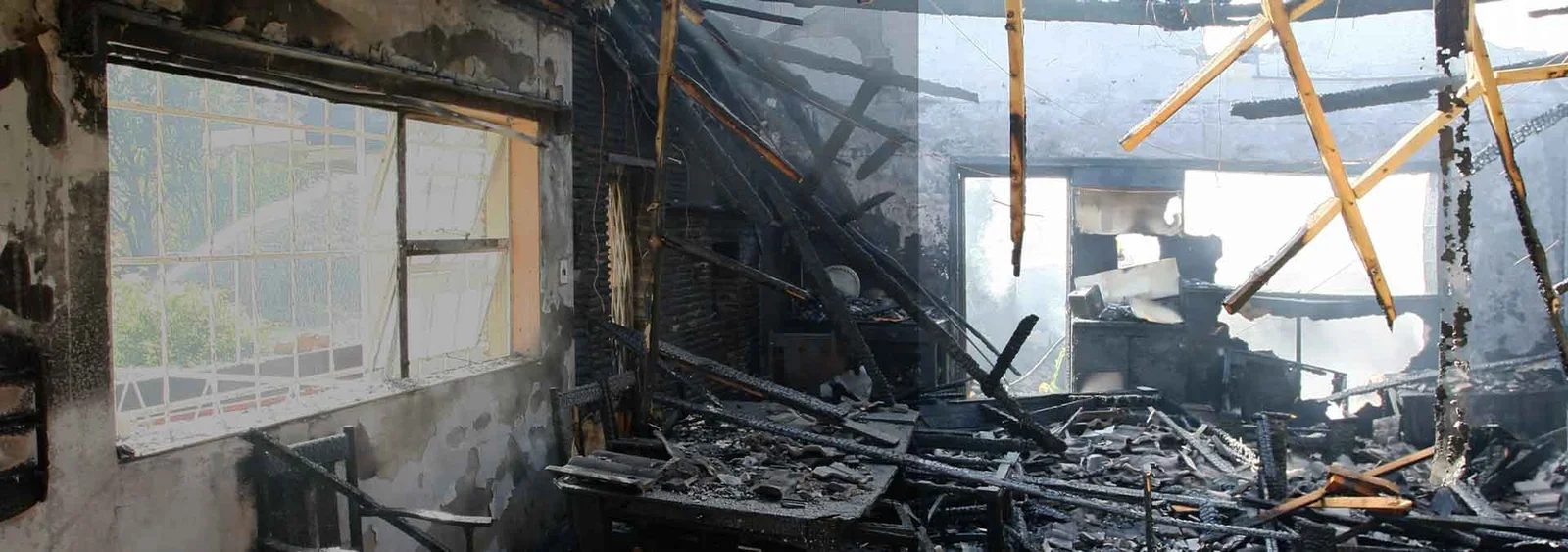
Fire damage restoration in Glendale, CO addresses visible and hidden damage from fires, including smoke in ductwork, soot in fabrics, and water from firefighting efforts. Best Option Restoration of Lakewood provides these services across all Glendale neighborhoods.
- Glendale's dense urban layout with shared walls and HVAC systems allows smoke to spread quickly between units, while Colorado's low humidity causes soot to bond to surfaces faster - making early professional response critical.
- The restoration process includes emergency assessment, water extraction, soot and smoke removal, odor elimination using thermal fogging and ozone treatment, and full reconstruction to return properties to pre-loss condition.
- The company provides detailed documentation for insurance claims, works directly with adjusters, and employs IICRC-certified technicians trained in fire and smoke restoration protocols.
Fire damage restoration is a comprehensive process that addresses all aspects of property damage following a fire. It includes structural assessment, smoke and soot removal from surfaces and fabrics, water extraction from firefighting efforts, odor elimination, and repairs to walls, flooring, and other affected areas. The goal is returning your property to a safe, livable condition.
Overview
Waking up to the aftermath of a fire in your Glendale home leaves you facing more than just visible damage. Smoke has traveled through ductwork, soot has settled into fabrics, and water from firefighting efforts has soaked through walls and flooring. Fire damage restoration addresses every layer of this complex situation – from structural assessment to odor elimination – returning your property to a safe, livable condition.
Professional intervention matters because fire damage extends far beyond what you can see. Microscopic soot particles embed themselves in porous materials, acidic residues corrode metal surfaces, and lingering smoke odor can persist for months without proper treatment. In Glendale's semi-arid climate, where low humidity can cause soot to set quickly into materials, prompt professional response prevents permanent damage to your belongings and building components.
- Comprehensive damage assessment covering structural, smoke, soot, and water damage
- Professional-grade equipment for air scrubbing, ozone treatment, and thermal fogging
- Coordination with insurance adjusters and documentation specialists
- Content cleaning and restoration to salvage personal belongings whenever possible
Common Issues in Glendale, CO
When Fire Damage Peaks in Glendale
Colorado's hot, dry summer months bring elevated wildfire risk that can threaten properties in the Denver metro area.
Increased use of furnaces, space heaters, and fireplaces during cold Colorado winters leads to more residential fire incidents.
Independence Day celebrations combined with dry conditions create heightened fire risk from fireworks accidents.
Best Option Restoration of Lakewood provides Fire Damage Restoration services in all neighborhoods of Glendale including Bristol Square, Chaparral, College Park, Greenbriar, Montara, Roles Inn of America, Saddlehorn Ranch, San Miguel, Santa Maria, Sunset Vista, The Citadel, Village Park, Wellington Court, WillowBrook II, Windsor Square, and Woodridge VI.
Glendale's compact urban footprint – just over 0.3 square miles – creates unique fire damage challenges. The city's dense mix of commercial properties, apartment complexes, and older residential buildings means fires can affect multiple units or neighboring structures quickly. Shared walls, common HVAC systems, and close proximity between buildings allow smoke to migrate in ways that single-family neighborhoods rarely experience.
Colorado's Front Range climate introduces specific complications for fire-damaged properties. The region's low humidity accelerates how quickly soot bonds to surfaces, making early intervention critical. Rapid temperature swings between day and night can cause materials weakened by fire to crack or warp further. Winter months bring added urgency, as exposed structures need protection from freezing temperatures before restoration can proceed safely.
- Multi-unit buildings with shared ventilation systems spreading smoke damage to unaffected units
- Older commercial structures with outdated electrical systems prone to fire incidents
- Kitchen fires in the area's many restaurants and food service establishments
- Heating-related fires during cold snaps when space heaters and furnaces work overtime
- Wildfire smoke infiltration from regional fires affecting indoor air quality
- Delayed discovery of smoldering fires in mixed-use buildings during off-hours
Warning signs that demand immediate attention include persistent smoky odors even after airing out, discoloration on walls or ceilings, electrical outlets that feel warm or show scorch marks, and any visible soot accumulation on surfaces. If you notice these indicators, professional assessment should happen before you attempt any cleaning – improper techniques can spread damage and make restoration more difficult.
How Best Option Restoration of Lakewood Can Help
Our fire damage restoration process begins the moment you contact us. We prioritize rapid response because every hour matters when soot and smoke residue are actively damaging your property.
Our Step-by-Step Restoration Process
- Emergency response and assessment – Our team arrives to evaluate structural safety, document damage extent, and identify immediate hazards requiring attention
- Board-up and tarping – We secure your property against weather, vandalism, and unauthorized entry while restoration planning proceeds
- Water extraction and drying – Firefighting efforts often leave significant water damage that requires professional extraction and dehumidification
- Soot and smoke removal – Using specialized techniques matched to each surface type, we remove particulate matter before it causes permanent staining
- Cleaning and sanitization – All affected surfaces receive thorough cleaning, including antimicrobial treatment to prevent mold growth
- Odor elimination – Thermal fogging, ozone treatment, and hydroxyl generators neutralize smoke odor at the molecular level
- Restoration and reconstruction – Final repairs return your property to pre-loss condition, from drywall replacement to full room rebuilds
Specialized Techniques We Employ
- HEPA air filtration to remove airborne particulates throughout the restoration process
- Dry ice blasting for delicate surfaces where traditional cleaning methods could cause damage
- Ultrasonic cleaning for salvageable contents, electronics, and detailed items
- Sealant application to encapsulate residual odors in structural materials
Throughout every phase, our project managers maintain clear communication. You receive regular updates on progress, any discoveries that affect scope, and timeline adjustments. We work around your schedule for access while keeping the project moving efficiently toward completion.
Insurance & Documentation
Thorough documentation forms the foundation of successful fire damage claims. From our first site visit, we photograph and catalog every aspect of damage – structural, cosmetic, and content-related. This detailed record supports your insurance claim and provides clear evidence of pre-restoration conditions.
Our team understands the documentation standards insurance adjusters expect. We provide itemized inventories, detailed scope-of-work reports, and progress documentation that keeps all parties aligned throughout the restoration process.
- Photographic evidence with timestamps showing damage progression and restoration stages
- Detailed room-by-room damage assessments with measurements and material specifications
- Content inventory lists documenting salvageable and non-salvageable items
- Moisture mapping reports showing water intrusion from firefighting efforts
- Air quality testing results before and after restoration work
- Compliance documentation meeting IICRC S500 and S520 standards
We communicate directly with your insurance adjuster when authorized, answering technical questions and providing supplemental documentation as needed. Our experience with major carriers means we understand claim processes and can help streamline approvals for necessary work.
Why Choose Best Option Restoration of Lakewood
Our IICRC-certified technicians bring specialized training in fire and smoke restoration to every project. This certification means our team follows industry-leading protocols developed through decades of restoration science – not guesswork or outdated methods. We maintain current certifications through ongoing education as techniques and equipment evolve.
Serving the greater Lakewood area, including Glendale, gives us intimate knowledge of local building types, common construction materials, and the specific challenges Colorado's climate presents. We understand how altitude affects drying times, how regional building codes influence restoration approaches, and which local suppliers can provide materials quickly when your project demands speed.
- Available around the clock for emergency response when fire strikes
- Direct billing arrangements with major insurance carriers
- Full-service restoration from initial cleanup through final reconstruction
- Detailed project management with single-point-of-contact communication
We measure success by returning your property to normal – not just completing a checklist. Our follow-up procedures include air quality verification, odor confirmation testing, and walkthrough inspections to confirm every detail meets our standards before we consider a project complete.
Housing Characteristics & Fire Damage Restoration Considerations
Glendale's housing stock reflects its unique position as Colorado's smallest city by area but one of its most densely developed. The majority of structures date from the 1950s through 1980s, with significant commercial and mixed-use development occurring during the city's growth as an entertainment and retail destination. Multi-family apartment buildings and condominiums dominate the residential landscape, with relatively few single-family homes compared to surrounding communities.
Construction methods from this era present specific fire restoration challenges. Buildings from the 1960s and 1970s often feature:
- Plaster walls that absorb smoke odor deeply but can be restored if structurally sound
- Original electrical systems that may have contributed to fire incidents and require updating during restoration
- Asbestos-containing materials in insulation, flooring, and textured ceilings requiring specialized handling
- Flat or low-slope roofs common in commercial construction that complicate water damage from firefighting
- Shared wall construction in multi-unit buildings allowing smoke migration between units
Average unit sizes in Glendale's apartment complexes tend toward compact layouts – typically 600 to 900 square feet for one-bedroom units. While smaller spaces might seem easier to restore, dense furnishings and limited ventilation in these units often mean more concentrated smoke damage. Our restoration approach accounts for these spatial constraints, using equipment sized appropriately and techniques that work effectively in tighter quarters without compromising thoroughness.
Environmental Conditions & Fire Damage Restoration Implications
Glendale sits within the Denver metropolitan area's South Platte River corridor, where environmental conditions directly influence fire damage restoration outcomes. The region experiences approximately 300 days of sunshine annually with average relative humidity hovering around 40% – significantly drier than national averages. This low humidity accelerates soot adhesion to surfaces, making the first 24 to 48 hours after a fire particularly critical for professional intervention.
Air quality in the Denver metro area fluctuates seasonally, with summer ozone levels and winter temperature inversions trapping pollutants. For fire-damaged properties, these conditions affect:
- Ventilation strategies during restoration – timing outdoor air introduction around air quality alerts
- HEPA filtration requirements that may exceed baseline recommendations during poor air quality days
- Ozone treatment scheduling to avoid contributing to outdoor ozone during high-concentration periods
- Drying timelines that vary significantly between humid summer monsoon season and dry winter months
Municipal water in Glendale comes from Denver Water, treated to meet federal standards but carrying mineral content typical of Rocky Mountain snowmelt sources. During fire suppression and subsequent restoration, this water interacts with fire-damaged materials. Understanding local water chemistry helps us anticipate staining patterns and adjust cleaning solutions accordingly. Colorado's environmental regulations also govern disposal of fire-damaged materials, particularly those containing hazardous substances – compliance with these standards protects both property owners and the broader community.
Population Characteristics & Fire Damage Restoration Considerations
Glendale's population of approximately 5,000 residents occupies one of the most densely populated square miles in Colorado. This urban density creates a community where fire incidents can affect numerous households simultaneously – a single apartment building fire might displace dozens of families. Our restoration approach accounts for this reality, coordinating with property management companies and addressing multi-unit situations efficiently.
The city's economic profile includes a diverse workforce employed largely in the retail, entertainment, and hospitality sectors that define Glendale's commercial character. Median household incomes fall below the Denver metro average, meaning many residents face financial constraints when dealing with fire damage. Understanding these economic realities shapes how we approach:
- Insurance coordination to maximize covered restoration and minimize out-of-pocket expenses
- Content salvage prioritization to preserve belongings that might otherwise be replaced
- Phased restoration options when budget constraints require strategic planning
- Communication in multiple languages to serve Glendale's diverse population
Glendale's demographic diversity – with significant Hispanic and immigrant populations – means cultural sensitivity matters in restoration work. We respect that homes contain irreplaceable cultural items, family heirlooms, and documents that carry meaning beyond monetary value. Our content restoration specialists treat these items with the care they deserve, understanding that successful restoration means more than structural repair – it means preserving the things that make a house feel like home.
Fire Incident Patterns & Emergency Response in Glendale
Glendale's fire incident patterns reflect its unique urban character and commercial concentration. The South Metro Fire Rescue Authority serves the area, responding to structure fires, vehicle fires in commercial parking areas, and the cooking-related incidents common in restaurant-dense zones. Understanding local emergency response patterns helps property owners know what to expect following a fire and how restoration fits into the recovery timeline.
Key fire-related statistics and patterns for the Glendale area include:
- Commercial kitchen fires represent a disproportionate share of structure fires due to the city's restaurant concentration
- Multi-family residential fires often involve multiple units due to shared wall construction
- Electrical fires spike during winter months when heating demand stresses older building systems
- Holiday periods see increased fire incidents related to cooking, decorations, and space heater use
- Vehicle fires in parking structures occasionally spread to adjacent commercial spaces
Response times in Glendale benefit from the city's compact geography and proximity to multiple fire stations. However, the density that enables quick response also means fires can spread rapidly between connected units. Property owners in multi-unit buildings should understand that even if fire doesn't directly affect their unit, smoke damage from neighboring fires often requires professional restoration.
After fire department clearance, restoration can begin immediately. We coordinate with fire investigators when necessary, preserving evidence while beginning time-sensitive cleanup. Our relationships with local emergency services mean we understand their protocols and can begin work as soon as the scene is released – often within hours of fire suppression, when early intervention matters most for preventing secondary damage.
Weather & Alerts in Glendale, CO
Current Conditions
Temp: 82°F · Feels like: 82°F
Humidity: 41% · Wind: 14 mph
Emergency Alerts
No active alerts.
Fire Damage Restoration in Other Service Areas
Useful Numbers
- Life-threatening emergencies
- 911
- Poison Control
- 1-800-222-1222
- Suicide Prevention Lifeline
- 988
- Police (non-emergency)
- Visit your local police department website
- Fire Department (non-emergency)
- Check the Glendale city website
- City Hall
- Available on the official Glendale government website
- Non-Emergency Services
- Call 311 if available in your area
Always verify numbers from official city/county websites.