
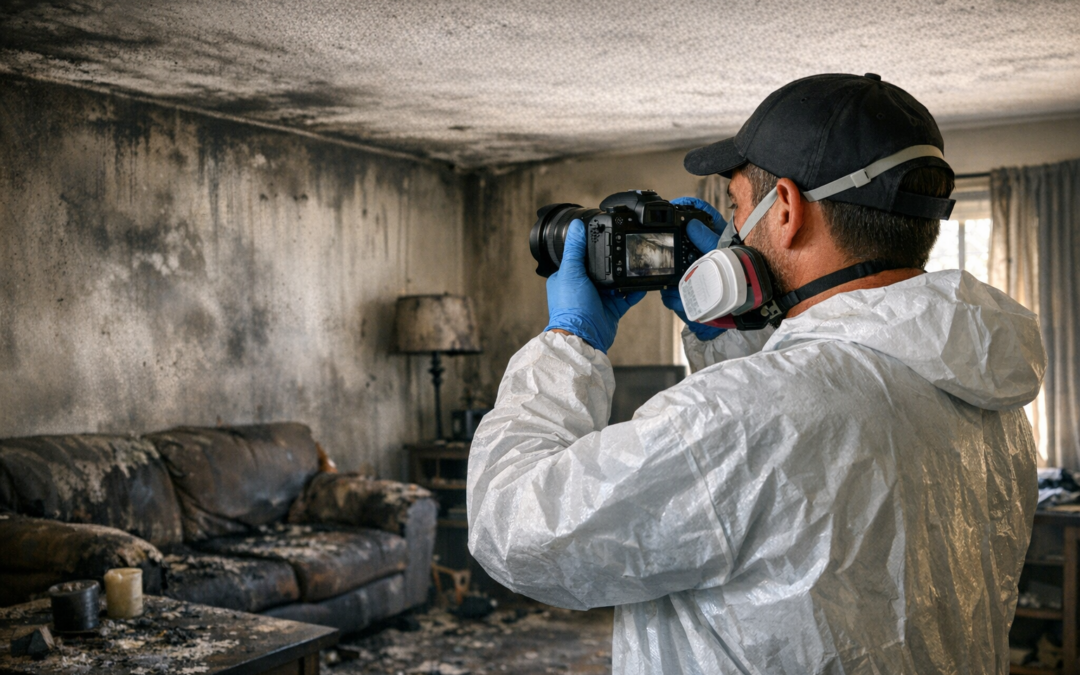
Smoke odor after a fire lingers because microscopic particles embed themselves in porous materials like drywall, carpets, and HVAC systems. Removing these odors requires a systematic approach addressing both visible residue and invisible particles.
- Safety should come first - get fire department clearance, open windows for ventilation, and avoid using fans or HVAC systems that could spread particles to unaffected areas.
- Professional methods include ozone treatment, thermal fogging, and hydroxyl generators that reach smoke particles in hard-to-access spaces like inside walls and ductwork.
- Homeowners can clean hard surfaces with soap and water and wash textiles with vinegar, but persistent odors or significant damage require professional restoration within 24-48 hours to prevent secondary damage.
To remove smoke odor after a fire, start by ventilating the space and replacing HVAC filters. Clean all hard surfaces with a mixture of vinegar and water, and wash soft fabrics in odor-eliminating detergent. For porous materials like drywall and carpets where smoke particles embed deeply, consider professional cleaning or replacement to fully eliminate lingering smells.
Understanding Why Smoke Odor Lingers After Fire Damage
Smoke particles penetrate deep into porous materials throughout your home, creating persistent odors that can’t be masked with air fresheners or candles. These microscopic particles embed themselves in drywall, insulation, carpets, and even inside your HVAC system.
The longer smoke particles remain in your home, the more difficult they become to remove. Temperature changes common in Lakewood, CO can cause materials to expand and contract, allowing smoke particles to work deeper into surfaces.
Removing smoke odor requires a systematic approach that addresses both visible residue and invisible particles that have penetrated building materials.
Immediate Steps to Take After Fire Damage
Safety comes first before any cleanup efforts begin. Make sure your home has been cleared for occupancy by the fire department and that utilities are safe to use.

Open windows and doors to begin air circulation, but avoid using fans that might spread smoke particles to unaffected areas. Remove any items that can be safely taken outside for cleaning or disposal.
Document the damage with photos before moving anything. This documentation helps with insurance claims and provides a record of which areas need the most attention during cleanup.
What Not to Touch
Avoid cleaning smoke residue from walls or ceilings with water-based cleaners, which can set stains permanently. Don’t attempt to clean electronics, artwork, or delicate fabrics without professional guidance.
Never use your home’s heating or cooling system until it has been inspected and cleaned, as contaminated ductwork will spread smoke odor throughout your home.
Professional Methods to Remove Smoke Odor
Professional restoration companies use specialized equipment and techniques that go beyond surface cleaning to eliminate embedded smoke particles.
Ozone Treatment
Ozone generators produce molecules that break down smoke particles at the molecular level. This treatment requires evacuating the home for safety, as ozone can be harmful to people and pets during the process.
The ozone treatment typically runs for several hours or overnight, followed by ventilation to clear the ozone before re-entry. This method reaches areas that cleaning cannot access, such as inside walls and ductwork.
Thermal Fogging
Thermal fogging uses heated deodorizing agents that penetrate the same pathways smoke took through your home. The fog particles are similar in size to smoke particles, allowing them to reach and neutralize odors in hard-to-reach spaces.
This process works particularly well in Lakewood homes with complex layouts or multiple levels where smoke may have traveled through stairwells and between floors.
Hydroxyl Generators
Hydroxyl generators create molecules that safely break down odor-causing compounds while people and pets can remain in the home. These units run continuously during the restoration process to address ongoing odor issues.
Deep Cleaning and Surface Restoration
Effective fire aftermath cleaning requires specialized products designed for smoke residue removal. Different surfaces need different cleaning approaches to avoid permanent damage.
Wall and Ceiling Treatment
Dry soot is removed first using specialized sponges that don’t smear the residue. Wet cleaning follows with products specifically formulated to break down smoke particles without setting stains.
Heavily damaged drywall may need primer designed to seal in odors before repainting. In severe cases, affected drywall sections require replacement to eliminate embedded smoke particles.
HVAC System Cleaning
Your heating and cooling system needs thorough cleaning before use, as smoke particles can contaminate ductwork, filters, and internal components. All filters must be replaced, and ducts require professional cleaning.
This step is particularly important in Lakewood homes where HVAC systems run frequently due to seasonal temperature changes. Contaminated systems will continue spreading smoke odor each time they operate.
Carpet and Upholstery Restoration
Carpets and fabric furniture absorb large amounts of smoke particles and require specialized treatment beyond standard cleaning methods.
Steam cleaning alone won’t remove embedded smoke odors. Professional restoration involves pre-treatment with odor-neutralizing solutions, followed by hot water extraction and deodorizing treatments.
Some heavily damaged carpets and upholstery may need replacement if the smoke penetration is too severe for effective cleaning. A professional assessment can determine which items can be saved.
What Homeowners Can Safely Clean
While major smoke odor removal requires professional equipment, homeowners can safely address some cleaning tasks to speed the overall process.
Hard Surfaces and Non-Porous Items
Clean glass, metal, and sealed surfaces with warm water and dish soap. Wipe in one direction to avoid spreading residue, and rinse thoroughly to prevent streaking.
Kitchen cabinets and appliances can be cleaned with degreasing products, but test in an inconspicuous area first to check for damage to finishes.
Washable Textiles
Clothing and linens that aren’t heavily damaged can be washed with regular detergent plus one cup of white vinegar per load. Run an extra rinse cycle to remove all cleaning residue.
Air-dry these items outside if possible, as heat from the dryer can set remaining odors. Rewash items that still smell after the first cleaning.
Personal Belongings
Wipe down books, picture frames, and similar items with a dry cloth first, then a lightly dampened cloth. Allow items to air-dry completely before storing.
- Remove loose soot with a dry cloth or vacuum with brush attachment
- Clean with appropriate cleaner for the material
- Rinse thoroughly and dry completely
- Check for remaining odor before storing

My situation was unique, involving secondhand smoke damage to my property and car, and an industrial grade chemical exposure that resulted in a life threatening allergy/chronic illness.
Paul, RJ, and Jaden were great and saved my car after multiple details/ozone attempts failed at other places, and they went above+beyond picking up my car when i couldn’t drive it. They gave me multiple quotes for other areas and never once pressured me to do anything which I really appreciated while I was so sick. If you choose Best Option, your house/belongings/car will be in the hands of a patient, caring, communicative company who won’t stop until you are satisfied with the results. Look forward to using them in the future.
 Posted on Google
When Professional Help Is Necessary
Smoke odor that persists after initial cleaning indicates particles have penetrated deep into building materials. This requires professional equipment and expertise to address effectively.
Homes with significant smoke damage need assessment for hidden issues such as contaminated insulation or smoke particles in wall cavities. Attempting to remove smoke odor without addressing these areas will leave persistent problems.
Professional restoration also ensures proper safety protocols during cleanup. Some smoke residues can be harmful, and improper cleaning methods can spread contamination to previously unaffected areas.
Preventing Secondary Damage
Smoke particles continue causing damage even after the fire is extinguished. Acidic residues can corrode metals, discolor fabrics, and etch glass surfaces if not removed promptly.
Quick action prevents these secondary effects and makes the restoration process more effective. Smoke particles become more difficult to remove as they settle and bond with surfaces over time.
Professional assessment within 24-48 hours helps identify all affected areas and prevents the spread of contamination during cleanup efforts.
Insurance Documentation for Smoke Damage
Document all smoke-damaged items and areas before cleanup begins. Take detailed photos showing the extent of damage and any visible residue.
Keep receipts for all cleaning supplies and temporary living expenses if you need to stay elsewhere during restoration. Your insurance company will need this documentation for claim processing.
Professional restoration companies provide detailed reports and documentation that support insurance claims and ensure all damage is properly addressed.
Long-Term Odor Prevention
After smoke odor removal, maintain good ventilation to prevent any remaining particles from becoming concentrated. Replace HVAC filters more frequently for several months following the restoration.
Monitor for returning odors, which may indicate incomplete cleaning or hidden damage that needs professional attention. Address any recurring smells promptly to prevent them from becoming embedded again.
Consider upgrading to higher-quality air filtration in your HVAC system to capture any remaining microscopic particles that may have been missed during cleaning.
Getting Your Lakewood Home Back to Normal
Effective smoke odor removal requires the right combination of professional equipment, specialized products, and systematic cleaning methods. While some cleaning tasks can be handled by homeowners, persistent odors indicate the need for professional intervention.
The key to successful restoration lies in addressing both visible residue and invisible particles that have penetrated throughout your home’s structure.
If you’re dealing with smoke odor after fire damage in Lakewood, CO, Best Option Restoration has the equipment and expertise to eliminate embedded particles and restore your indoor air quality. Contact us at 303-500-3187 for a comprehensive assessment of your smoke damage restoration needs.
Sources
- EPA – Wildfires and Indoor Air Quality
- American Red Cross – Home Fire Recovery
- IICRC – Fire and Smoke Damage Restoration