
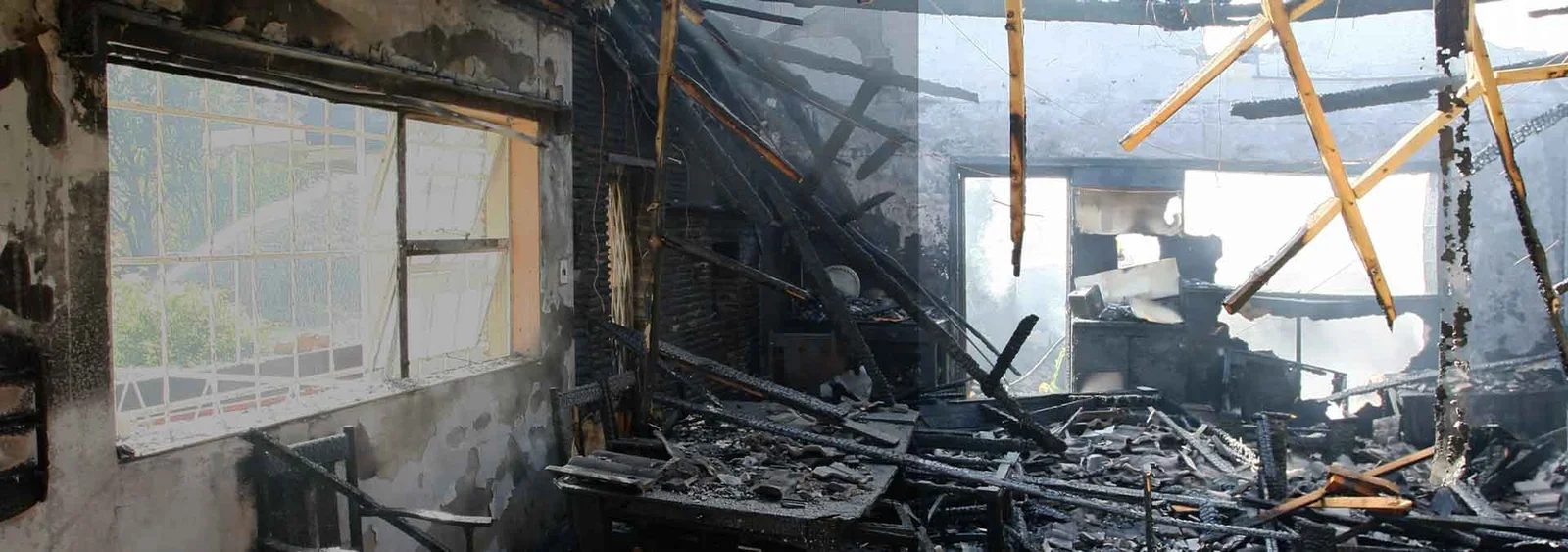
Best Option Restoration of Lakewood provides fire damage restoration services in Evergreen, CO, addressing the unique challenges of mountain homes at 7,200 feet elevation with specialized construction types and elevated wildfire risks.
- The company offers rapid response including emergency board-up, damage assessment, air quality testing, and detailed restoration planning with direct insurance coordination.
- Evergreen homes often feature log and timber-frame construction, wood stoves, and older electrical systems that create specific fire risks and require specialized smoke removal techniques.
- IICRC-certified technicians handle cleaning, odor elimination, and full reconstruction while providing documentation support for insurance claims and follow-up inspections.
Fire damage restoration is a professional recovery process that addresses all aspects of property damage caused by flames and smoke. It includes initial safety assessment, structural damage evaluation, soot and debris removal, smoke odor elimination, cleaning of salvageable items, and final reconstruction to return the property to its pre-fire condition.
Overview
When smoke billows through a mountain home and flames leave behind charred walls and lingering odors, the aftermath can feel overwhelming. A family in Evergreen recently watched firefighters extinguish a kitchen fire that started from a wood stove malfunction – within hours, they needed professional help to assess structural damage, remove soot, and begin the long process of restoration. Fire damage restoration addresses every aspect of this recovery, from initial safety assessment through final reconstruction.
Professional fire damage restoration involves far more than cleanup. Trained technicians evaluate structural integrity, remove smoke-damaged materials, eliminate persistent odors, and restore properties to pre-loss condition. In Evergreen's mountain environment – where homes often feature wood construction, sit at 7,200 feet elevation, and face unique wildfire risks – expert intervention becomes particularly valuable.
- Rapid response to prevent secondary damage from smoke, soot, and water used in firefighting
- Specialized equipment for odor elimination in mountain homes with complex ventilation challenges
- Structural assessment expertise for log, timber-frame, and hybrid construction common in the area
- Coordination with local authorities and insurance providers familiar with mountain community needs
Common Issues in Evergreen, CO
When Fire Damage Peaks in Evergreen
Evergreen's mountain location and dry summer conditions create peak wildfire risk during hot, dry months.
Wood stoves, fireplaces, and heating systems in mountain homes increase indoor fire risks during cold winters.
Dry conditions before monsoon season combined with dead vegetation create elevated wildfire danger.
Best Option Restoration of Lakewood provides Fire Damage Restoration services in all neighborhoods of Evergreen including Fairview.
Evergreen's location in the Front Range foothills creates distinct fire damage challenges. The semi-arid climate, combined with dense pine and spruce forests surrounding most properties, means wildfire risk remains elevated throughout much of the year. Even structure fires behave differently at altitude, where lower oxygen levels and dry conditions affect combustion patterns and smoke behavior.
Wood-burning stoves and fireplaces – common heating sources in this mountain community – represent a frequent ignition source. Chimney fires can spread rapidly through wooden structures, while creosote buildup in older systems creates ongoing hazards. The extended heating season, stretching from September through May, increases exposure to these risks.
- Wildfire ember intrusion through vents, eaves, and gaps in older construction
- Chimney and wood stove malfunctions during prolonged cold snaps
- Electrical system failures in homes built before modern code requirements
- Lightning strikes during summer afternoon thunderstorms
- Propane system issues in properties without natural gas service
- Extended response times from fire departments serving large geographic areas
Warning signs that demand immediate attention include discolored walls near heating appliances, unusual odors from electrical outlets, and visible creosote accumulation in chimneys. After any fire event, secondary damage from smoke infiltration often exceeds the initial burn area – smoke can penetrate wall cavities, HVAC systems, and attic spaces within minutes.
How Best Option Restoration of Lakewood Can Help
Our restoration process begins the moment you contact us, with technicians dispatched to assess damage and secure your property.
Initial Response and Assessment
- Emergency board-up and tarping to protect against weather exposure and unauthorized entry
- Comprehensive damage assessment documenting affected areas, materials, and structural concerns
- Air quality testing to identify smoke and soot contamination throughout the property
- Development of a detailed restoration plan with clear phase milestones
Cleaning and Remediation Techniques
Different fire types require specific cleaning approaches. We employ multiple methods based on damage severity and material composition:
- Dry cleaning and soda blasting for light smoke residue on salvageable surfaces
- Wet cleaning with specialized solutions for heavy soot on non-porous materials
- HEPA vacuuming and air scrubbing to remove airborne particulates
- Thermal fogging and ozone treatment for odor elimination in enclosed spaces
- Content cleaning and restoration for salvageable belongings
Reconstruction and Completion
Our team handles structural repairs, from replacing fire-damaged framing to finishing drywall and paint. We coordinate with licensed electricians and plumbers when system repairs become necessary. Throughout the process, you receive regular updates and have direct access to your project manager.
Quality control includes final air quality verification, visual inspection of all restored areas, and a walkthrough with the property owner before project completion.
Insurance & Documentation
Thorough documentation protects your interests throughout the restoration process. We create detailed records from our first site visit, capturing damage extent before any cleanup begins.
Our documentation practices support smooth insurance claim processing:
- Photographic and video evidence of all affected areas and materials
- Itemized inventory of damaged contents with condition assessments
- Moisture and air quality readings with timestamps and locations
- Daily progress logs documenting work completed and materials used
- Receipts and invoices for all restoration activities and materials
We work directly with insurance adjusters, providing the information they need in formats they recognize. Our technicians hold IICRC certifications – the industry standard that insurance companies trust. This certification demonstrates adherence to established restoration protocols and quality standards.
Local fire marshal reports, utility company documentation, and building department records all factor into comprehensive claim support. We help you gather these materials and present them effectively to your insurance provider.
Why Choose Best Option Restoration of Lakewood
Our team combines IICRC-certified expertise with specific knowledge of mountain construction methods common throughout Jefferson County. We understand log homes, timber-frame structures, and the unique challenges of restoring properties built on steep terrain with limited access.
Response time matters when smoke continues infiltrating materials every hour. Our Lakewood base positions us to reach Evergreen properties quickly, with equipment and personnel ready for immediate deployment. We maintain 24/7 availability because fires don't follow business hours.
- Certified technicians trained in fire, smoke, and odor restoration
- Local knowledge of Evergreen construction styles and common building materials
- Direct communication with a dedicated project manager throughout your restoration
- Follow-up inspections to verify lasting odor elimination and restoration quality
We treat every property as if it were our own, recognizing that your mountain home represents both significant investment and irreplaceable memories.
Housing Characteristics & Fire Damage Restoration Considerations
Evergreen's housing stock reflects its development as a mountain retreat community beginning in the 1960s, with significant growth through the 1980s and 1990s. Many homes date from this era, featuring construction methods and materials that present specific restoration challenges. Newer construction from the 2000s onward often incorporates fire-resistant design elements, though older properties may lack these protections.
The community consists predominantly of single-family homes, many custom-built to take advantage of mountain views and forested settings. Typical characteristics include:
- Log and timber-frame construction requiring specialized smoke removal techniques
- Cedar shake roofing on older homes – a significant fire vulnerability
- Large square footage averaging 2,500-3,500 square feet with open floor plans
- Vaulted ceilings and exposed beams that trap smoke and complicate cleaning
- Multiple levels built into hillsides, creating complex access challenges
- Attached garages and workshops that can serve as fire origin points
Older homes often feature outdated electrical systems, original wood stove installations, and construction materials that absorb smoke more readily than modern alternatives. These factors influence restoration timelines and methods. Properties built before 1978 may also contain lead paint or asbestos-containing materials that require special handling protocols during fire damage restoration.
Environmental Conditions & Fire Damage Restoration Implications
Evergreen sits at approximately 7,200 feet elevation in a transitional zone between the Denver metro area and high mountain terrain. This location creates environmental conditions that directly affect fire damage restoration approaches and timelines.
The semi-arid climate brings low humidity levels – often below 30% during winter months – which affects how materials dry after water-based firefighting efforts. Key environmental factors include:
- Annual precipitation averaging 20-22 inches, concentrated in spring and summer months
- Intense UV exposure at altitude that can damage smoke-affected materials if left unprotected
- Temperature swings of 30-40 degrees within single days, stressing building materials
- Winter inversions that can trap smoke and odors in valley locations
- Well water systems in many properties, requiring consideration during cleanup processes
- Soil composition of decomposed granite and clay affecting drainage around foundations
Air quality in Evergreen generally remains good, though wildfire smoke from regional fires can create hazardous conditions during summer months. This background smoke exposure means residents may already have sensitized respiratory systems, making thorough smoke odor elimination particularly valuable. Colorado's environmental regulations govern disposal of fire-damaged materials, especially those containing potential contaminants – proper handling protects both property owners and the surrounding watershed that feeds Bear Creek.
Population Characteristics & Fire Damage Restoration Considerations
Evergreen maintains a population of approximately 9,000-10,000 residents, with significant seasonal fluctuation from vacation homeowners. The community's character as an affluent mountain suburb of Denver shapes both housing stock and service expectations.
Demographic patterns relevant to fire damage restoration needs include:
- Median household income significantly above state average, supporting quality restoration investment
- High percentage of homeowners versus renters, creating strong property preservation motivation
- Many residents commuting to Denver for professional employment
- Growing population of retirees and remote workers choosing mountain living
- Vacation and second-home properties that may sit unoccupied for extended periods
The professional demographic often means property owners have demanding schedules and limited availability for contractor coordination. We accommodate this through flexible communication options and detailed progress reporting that keeps you informed without requiring constant on-site presence.
Seasonal residents face particular challenges – a fire in an unoccupied property can go undetected longer, allowing smoke damage to penetrate more deeply into building materials. Our rapid response and thorough assessment help minimize this extended exposure damage. The community's strong neighborhood connections also mean word-of-mouth reputation matters – we earn referrals through consistent quality and respectful treatment of every property we restore.
Wildfire Risk Assessment in Evergreen
Evergreen sits within the wildland-urban interface, where developed properties meet undeveloped forest land. This positioning creates elevated wildfire risk that directly impacts fire damage restoration needs and approaches throughout the community.
Colorado State Forest Service data classifies much of the Evergreen area as high to very high wildfire hazard. Contributing factors include:
- Dense ponderosa pine and Douglas fir forests surrounding most residential properties
- Steep terrain that accelerates fire spread and complicates suppression efforts
- Limited evacuation routes during major fire events
- Extended drought conditions increasing fuel moisture deficits
- History of significant fire events including the 2020 fires that threatened the region
Jefferson County's Community Wildfire Protection Plan identifies Evergreen as a priority area for mitigation efforts. Despite these programs, structure fires and wildfire damage remain ongoing concerns. The Evergreen Fire Protection District responds to numerous fire calls annually, ranging from chimney fires to vehicle fires to wildland incidents.
This elevated risk environment means Evergreen homeowners benefit from restoration contractors who understand both structure fire and wildfire damage patterns. Wildfire damage often includes ember intrusion through vents and gaps, exterior scorching without interior flame damage, and extensive smoke infiltration from nearby burning vegetation. Our experience with these varied damage patterns allows us to develop restoration plans that address the specific damage your property has sustained – whether from an interior ignition source or external wildfire exposure.
Weather & Alerts in Evergreen, CO
Current Conditions
Temp: 59°F · Feels like: 59°F
Humidity: 88% · Wind: -
Emergency Alerts
No active alerts.
Fire Damage Restoration in Other Service Areas
Useful Numbers
- Life-threatening emergencies
- 911
- Poison Control
- 1-800-222-1222
- Suicide Prevention Lifeline
- 988
- Police (non-emergency)
- Visit your local police department website
- Fire Department (non-emergency)
- Check the Evergreen city website
- City Hall
- Available on the official Evergreen government website
- Non-Emergency Services
- Call 311 if available in your area
Always verify numbers from official city/county websites.