
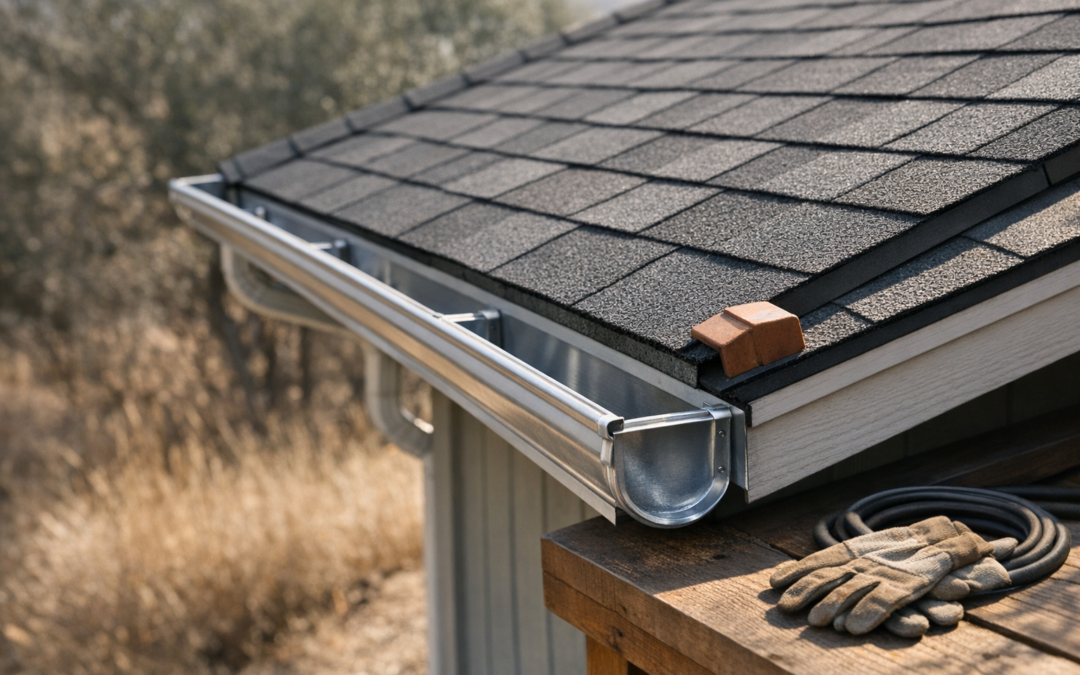
Most homes burn during wildfires due to wind-blown embers landing on roofs, gutters, and fences rather than direct flames. This guide provides a room-by-room checklist for homeowners in fire-prone areas to prepare their property and families.
- The first five feet around your foundation matters most - remove bark mulch and wood chips, replace with gravel or stone, and clear debris from under decks. Screen all vents with 1/8-inch metal mesh to block embers from entering attics and crawl spaces.
- Create defensible space in three zones up to 100 feet from your home by spacing trees, removing dead plants, and keeping grass mowed short. Replace wood shake shingles with Class A fire-rated roofing and install metal gutter guards.
- Prepare a 72-hour go-bag with water, medications, important documents, and pet supplies. When evacuation is ordered, leave early, close all windows and vents, and shut off gas if instructed by officials.
Start by creating a defensible space around your property - clear dry vegetation, trim trees, and remove debris from gutters and roofs where wind-blown embers can land. Replace wooden fencing near the house with fire-resistant materials, cover vents with fine mesh screens, and keep combustible items like patio furniture away from exterior walls during high-risk periods.
Embers travel more than a mile ahead of an active wildfire. That single fact changes how you should protect your house. Most homes that burn during wildfires ignite from wind-blown embers landing on roofs, in gutters, and against wooden fences — not from a wall of flame.
This post walks you room by room and yard zone by yard zone. You will get a practical wildfire preparation checklist built for homeowners in fire-prone areas of Colorado and beyond.
Read to the end for the exact steps to take now, the week before a fire, and the moment an evacuation order arrives.
Why Wildfire Preparation Starts With Embers, Not Flames
Ember ignition is the leading cause of home loss during wildfires. Tiny burning fragments blow into vulnerable spots and smolder until they catch.
Homes survive when their weakest points are removed before the wind arrives. Your roof, vents, gutters, and the first five feet around your foundation matter most.
We have seen entire streets where one hardened home stood untouched between two that burned. The difference came down to cleared gutters and closed vents — small choices made months earlier.
The Defensible Space Checklist for Wildfire-Prone Yards
Defensible space is the buffer you create by managing vegetation and materials around your home. Fire agencies divide it into three zones based on distance from your walls.
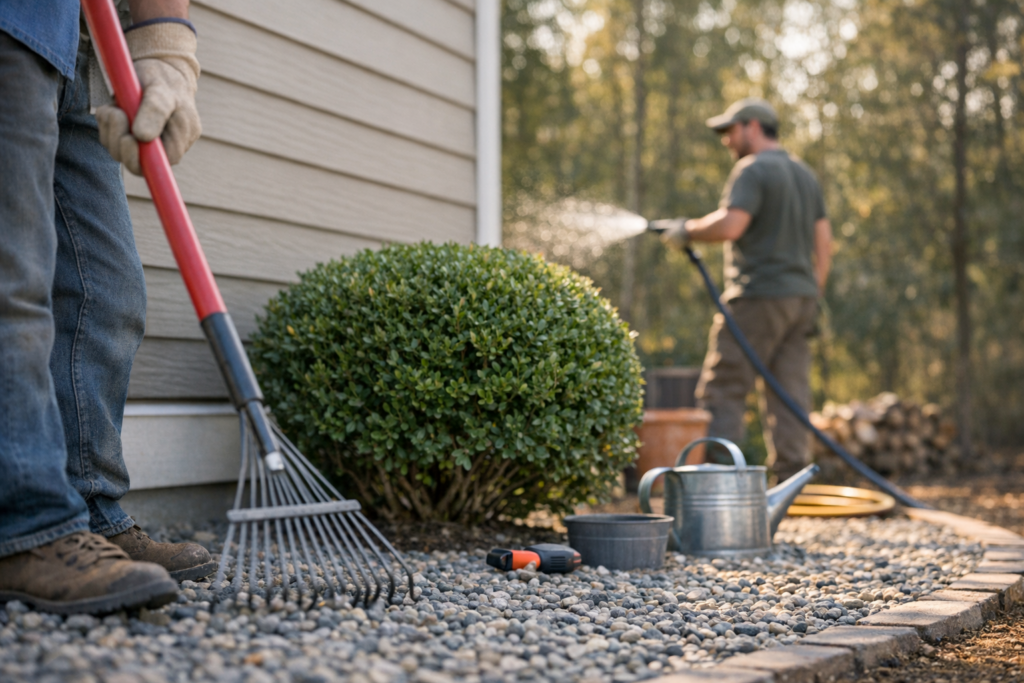
Zone 1: Zero to Five Feet (The Ember-Resistant Zone)
This band decides whether embers catch or die out. Keep it free of anything that burns.
- Remove bark mulch, wood chips, and dead leaves against the foundation
- Replace them with gravel, stone, or bare soil
- Move firewood stacks at least 30 feet away
- Trim back shrubs touching siding or windows
- Clear debris from under decks and porches
Zone 2: Five to 30 Feet (The Lean, Clean Zone)
Break up fuel so fire cannot travel toward the house. Space matters more than total removal here.
- Mow grass to four inches or shorter
- Prune tree branches so they sit 10 feet apart
- Remove branches within six feet of the ground
- Keep tree limbs 10 feet from your chimney and roofline
- Pull dead plants and clear fallen pine needles
Zone 3: 30 to 100 Feet (The Reduced-Fuel Zone)
Thin vegetation to slow an approaching fire and give crews room to work.
- Remove ladder fuels that let flames climb into tree canopies
- Space larger trees so canopies do not touch
- Dispose of yard waste and slash piles
- Keep grass and weeds cut low
Hardening Your Home Against Wind-Blown Embers
Home hardening means upgrading building materials and sealing gaps where embers enter. These fixes protect the house even when no one is home to fight the fire.
Roof and Gutters
Your roof is the largest ember target on the property. A single dry leaf in a gutter can start the fire that takes the house.
- Clear gutters and roof valleys of leaves and needles every fall and spring
- Replace wood shake shingles with Class A fire-rated roofing
- Install metal gutter guards to block debris buildup
- Seal gaps between roof decking and covering
Vents and Openings
Attic and crawl space vents pull embers straight into your home. Screening them is one of the cheapest high-impact upgrades available.
- Cover vents with 1/8-inch metal mesh screening
- Avoid fiberglass or plastic screens that melt
- Install ember-resistant vents where budget allows
- Seal gaps around eaves and soffits
Windows, Walls, and Decks
Radiant heat cracks single-pane glass and lets fire inside. Wooden decks act as ready-made kindling attached to your home.
- Install dual-pane windows with at least one tempered pane
- Use non-combustible siding like fiber cement or stucco
- Replace wood fencing near the house with metal sections
- Enclose deck undersides with fire-rated material
Your Wildfire Season Timeline: What to Do and When
Timing turns a long task list into manageable steps. Break your wildfire preparation into three windows.
Weeks Before Fire Season
- Complete all defensible space clearing in Zones 1 through 3
- Clean gutters and screen every vent
- Photograph and inventory your belongings for insurance
- Test smoke alarms and replace old batteries
- Confirm your address is visible from the street for responders
The Week a Fire Threatens Your Area
- Pack your go-bag and keep vehicles fueled and facing outward
- Move patio furniture and doormats away from the house
- Connect garden hoses to every outdoor spigot
- Charge phones and backup batteries
- Monitor local emergency alerts and evacuation zones
When Evacuation Is Ordered
- Leave early — do not wait for flames to appear
- Close all windows, doors, and vents to block embers
- Shut off gas at the meter if instructed by officials
- Leave exterior lights on for visibility in smoke
- Take your go-bag, pets, and important documents
Building a Go-Bag That Covers 72 Hours
A go-bag is a packed kit ready to grab in under two minutes. Store it near the door you use most.
- Three days of water and non-perishable food per person
- Prescription medications and a basic first-aid kit
- Copies of insurance policies, IDs, and property deeds
- Phone chargers, a battery bank, and a flashlight
- N95 masks to filter smoke and ash
- Cash, since power outages disable card readers
- Pet food, leashes, and vaccination records

The team was thorough and friendly and they sealed, contained, and remediated every inch of the affected areas – the work was clean and efficient. Overall BOR supported us through a very long insurance process all the way until project end and were entirely trustworthy and responsive throughout – we appreciate the care and how they stand behind their work so much. Will definitely recommend them to friends and our neighborhood.
 Posted on Google
Home Protection Tips Most Homeowners Overlook
The basics get attention, but small details decide close calls. These home protection tips come from what we see after fires pass.
- Doormats catch embers. Coir and rubber mats ignite fast — store them inside during red-flag warnings.
- Gutter downspouts trap needles. Debris packs where water exits, hidden from a quick glance.
- Garage door gaps let embers in. Weatherstrip the bottom seal to block wind-driven sparks.
- Propane tanks need clearance. Keep a 10-foot cleared radius around any tank.
- Fence lines carry fire to the house. A wood fence attached to siding acts like a fuse.
What to Do If Fire or Smoke Damages Your Home
Smoke and soot damage spread far beyond the burn zone. Ash settles into HVAC systems, walls, and fabrics long after flames are out.
Acting fast limits permanent staining and lingering odor. Soot is acidic and etches surfaces within hours of contact.
Best Option Restoration handles fire, smoke, and soot cleanup for homes in the Lakewood area. Our team documents damage for insurance claims and restores affected structures and belongings.
Key Takeaways for Wildfire Season
Most homes ignite from embers, so clearing the first five feet and screening vents protects you more than any single upgrade. Combine defensible space, home hardening, and a packed go-bag well before smoke appears.
If fire or smoke reaches your home, quick restoration limits lasting damage. Contact Best Option Restoration at 303-500-3187, text 303-500-3187, or email info@borlakewood.com to start recovery. Learn more at https://borlakewood.com.
Sources
- National Fire Protection Association – Firewise USA
- CAL FIRE – Defensible Space
- Ready.gov – Wildfires
- FEMA – Protect Your Property from Wildfire