
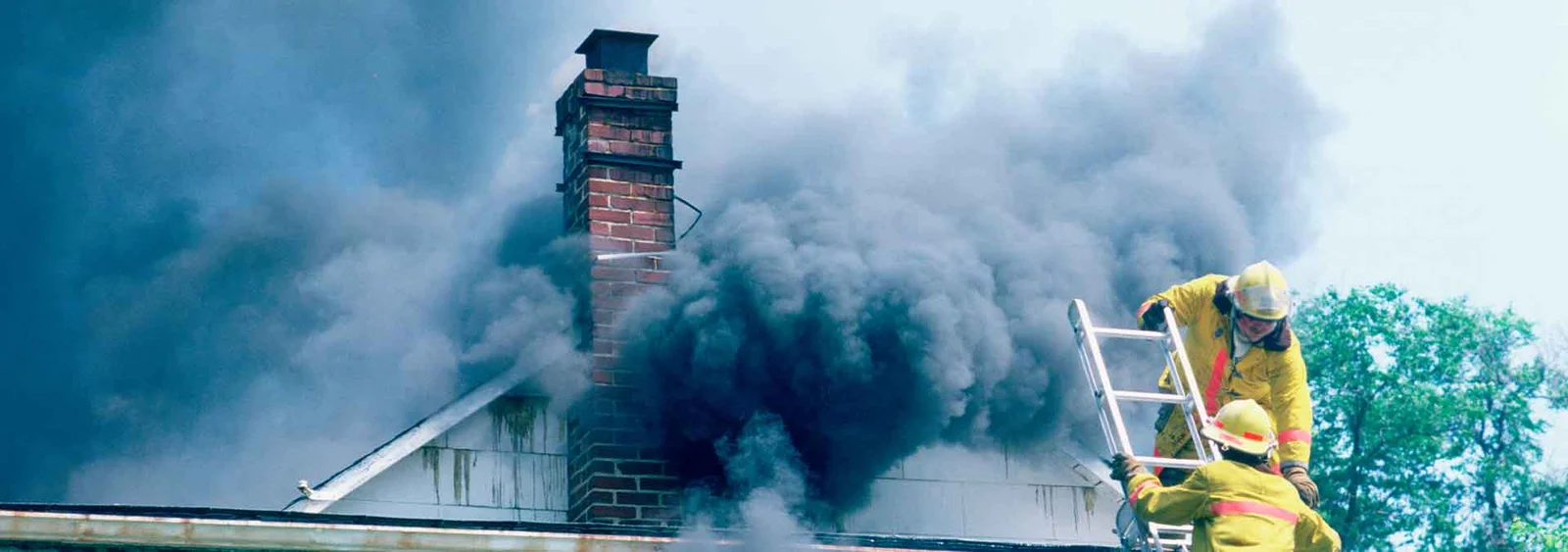
Smoke damage restoration in Evergreen, CO requires specialized expertise due to the mountain community's 7,220-foot elevation, wildfire risks, and distinctive home construction featuring log and timber materials.
- Best Option Restoration of Lakewood serves Evergreen with 24/7 emergency response and IICRC-certified technicians trained for high-altitude environments and mountain home construction styles.
- The restoration process includes air quality testing, HEPA filtration, structural deodorization using thermal fogging or ozone treatment, HVAC cleaning, and content restoration with detailed insurance documentation.
- Local challenges include wildfire smoke infiltration during fire season from May through October, wood stove malfunctions, porous log construction that absorbs particles deeply, and temperature inversions that trap smoke in mountain valleys.
Smoke damage restoration in Evergreen, CO is a specialized service that addresses the unique challenges of smoke infiltration in this mountain community. Located at 7,220 feet in the Colorado Front Range foothills, Evergreen faces heightened wildfire risks and environmental conditions that can intensify smoke residue accumulation in homes and businesses, requiring expert cleaning and remediation techniques.
Overview
Smoke damage in Evergreen presents unique challenges that demand specialized restoration expertise. Nestled at 7,220 feet in the Colorado Front Range foothills, this mountain community faces heightened wildfire risks and distinctive environmental conditions that can intensify smoke infiltration and residue accumulation in homes and businesses.
Smoke damage restoration involves far more than surface cleaning. The process addresses visible soot, invisible particulates, and pervasive odors that penetrate building materials, HVAC systems, and personal belongings. Professional intervention matters because smoke particles are microscopic – often smaller than one micron – and can embed themselves in porous materials where DIY methods simply cannot reach.
- Complete assessment of smoke penetration depth and affected areas
- Specialized air filtration to remove airborne particulates
- Structural deodorization using thermal fogging and ozone treatments
- Content cleaning and restoration for salvageable belongings
Evergreen's dry mountain climate, combined with homes often featuring natural wood construction and open floor plans, creates conditions where smoke can travel rapidly and settle deeply. Best Option Restoration of Lakewood understands these local factors and responds with targeted solutions designed for mountain community properties.
Common Issues in Evergreen, CO
When Smoke Damage Peaks in Evergreen
Colorado's peak wildfire season brings smoke infiltration to mountain homes even from distant fires, causing pervasive smoke damage.
After fire season ends, homeowners discover and address accumulated smoke damage from summer wildfires.
Heavy reliance on wood-burning stoves and fireplaces in this mountain community leads to indoor smoke damage from backdrafts and chimney issues.
Best Option Restoration of Lakewood provides Smoke Damage Restoration services in all neighborhoods of Evergreen including Fairview.
Evergreen residents face smoke damage scenarios that differ significantly from urban or lower-elevation communities. The town's location within heavily forested terrain means wildfire smoke exposure occurs regularly during fire season – even when flames never directly threaten local structures. This recurring exposure can cause cumulative damage that homeowners may not immediately recognize.
Indoor smoke events present their own challenges in mountain homes. Wood-burning stoves and fireplaces remain popular heating sources throughout Evergreen, and malfunctions, chimney blockages, or improper operation can quickly fill a home with damaging smoke. The tight construction of newer mountain homes – built for energy efficiency at high altitude – can trap smoke and accelerate damage to interior surfaces.
Local Factors Contributing to Smoke Damage
- Wildfire smoke infiltration during Colorado's extended fire season (typically May through October)
- Wood stove and fireplace malfunctions common in homes relying on supplemental heating
- Electrical fires in older homes with aging wiring systems
- Kitchen fires exacerbated by altitude-adjusted cooking requirements
- Temperature inversions that trap smoke in mountain valleys for extended periods
- Porous log and timber construction that absorbs smoke particles deeply
Warning signs of smoke damage extend beyond obvious discoloration. Watch for persistent odors that intensify when HVAC systems run, yellowing of light-colored surfaces, respiratory irritation among household members, and a sticky or oily film on walls and fixtures. These indicators suggest smoke particles have penetrated beyond surface levels and require professional extraction.
How Best Option Restoration of Lakewood Can Help
Our smoke damage restoration process begins the moment you contact us. We dispatch technicians familiar with Evergreen's mountain terrain and housing styles to conduct thorough assessments.
Our Step-by-Step Restoration Process
- Emergency response and initial assessment – evaluating smoke type, penetration depth, and affected materials
- Property securing and protection of unaffected areas using containment barriers
- Air quality restoration through HEPA filtration and negative air pressure systems
- Surface cleaning using dry sponges, wet cleaning, and specialized chemical treatments matched to material types
- Structural deodorization employing thermal fogging, hydroxyl generators, or ozone treatment
- HVAC system cleaning and ductwork decontamination
- Content pack-out, cleaning, and restoration when applicable
- Final inspection and clearance testing
Specialized Techniques for Mountain Homes
- Log and timber treatment using penetrating sealers after cleaning
- Stone fireplace and chimney decontamination
- High-ceiling access equipment for A-frame and vaulted spaces
- Altitude-adjusted drying and treatment protocols
Throughout the restoration, we maintain open communication. You receive regular updates on progress, challenges encountered, and timeline adjustments. Our quality control includes multiple inspections and post-restoration testing to confirm odor elimination and particulate removal before we consider a project complete.
Insurance & Documentation
Smoke damage claims require meticulous documentation to support successful insurance resolution. Best Option Restoration of Lakewood creates comprehensive records from the first assessment through final restoration.
Our documentation practices include photographic and video evidence of all affected areas, detailed inventories of damaged contents, moisture and particulate readings, and written assessments explaining damage extent and required remediation steps.
Documentation We Provide
- Initial damage assessment reports with photographs and measurements
- Itemized content inventories with condition descriptions
- Daily work logs documenting restoration activities
- Air quality testing results before and after treatment
- Final completion reports with clearance verification
We work directly with insurance adjusters, providing the technical information they need to process claims efficiently. Our team holds IICRC certifications – the industry standard recognized by insurance companies nationwide. This certification demonstrates our adherence to established protocols and best practices, lending credibility to our assessments and recommended restoration approaches.
Why Choose Best Option Restoration of Lakewood
Serving Evergreen from our Lakewood base means we combine metropolitan resources with mountain community familiarity. Our technicians regularly work in high-altitude environments and understand the specific challenges that elevation, construction styles, and climate present for smoke damage restoration.
We maintain 24/7 availability because smoke damage worsens with time. Rapid response prevents secondary damage and reduces overall restoration scope. Our fleet and equipment are staged for quick deployment to mountain communities along the I-70 corridor and Highway 74.
- IICRC-certified technicians in fire and smoke restoration
- Specialized equipment for high-altitude and remote property access
- Direct insurance billing and claims assistance
- Local knowledge of Evergreen contractors, suppliers, and building codes
- Comprehensive services from emergency response through final reconstruction
Our commitment extends beyond completing the job. We follow up after restoration to confirm satisfaction and address any lingering concerns. This relationship-focused approach has built our reputation throughout Jefferson County and the mountain communities we serve.
Housing Characteristics & Smoke Damage Restoration Considerations
Evergreen's housing stock reflects its evolution from a summer retreat community to a year-round mountain residential area. Most homes date from the 1970s through the 1990s, with significant construction occurring during Colorado's mountain development boom of the 1980s. This era produced homes designed to embrace the natural setting – featuring extensive use of wood, large windows, and open floor plans.
Typical Construction Characteristics
- Single-family homes predominate, typically ranging from 2,000 to 4,000 square feet
- Log, timber frame, and cedar-sided construction common throughout the area
- Vaulted ceilings and open great rooms that allow smoke to travel freely
- Stone fireplaces and chimneys as central architectural features
- Older homes often feature original wood paneling and exposed beam ceilings
These construction characteristics create specific smoke damage challenges. Wood absorbs smoke particles deeply, requiring specialized cleaning agents and techniques that penetrate beyond surface residue. Vaulted ceilings complicate access and extend treatment time. Homes built before modern building codes may have limited insulation – allowing smoke to penetrate wall cavities more readily.
Properties constructed in the 2000s and later often feature tighter building envelopes for energy efficiency. While this construction resists smoke infiltration from outside sources, it can trap smoke from interior fires more completely, requiring aggressive air exchange and filtration during restoration.
Environmental Conditions & Smoke Damage Restoration Implications
Evergreen's high-altitude environment creates distinctive conditions that affect both smoke damage occurrence and restoration approaches. At over 7,000 feet elevation, the air contains less moisture than lower elevations – Evergreen averages just 35% relative humidity annually. This dry climate influences how smoke particles behave and how restoration treatments perform.
Environmental Factors Affecting Restoration
- Low humidity accelerates smoke particle adhesion to surfaces
- Intense UV radiation at altitude can cause additional damage to smoke-affected materials
- Temperature extremes – from below zero winters to 80-degree summers – stress building materials
- Wildfire smoke events can persist for weeks during inversions
- Mountain water sources may contain minerals affecting cleaning solution effectiveness
The surrounding Arapaho National Forest creates both beauty and risk. Evergreen exists within the wildland-urban interface, where developed properties meet undeveloped forest land. This positioning means wildfire smoke exposure occurs regularly, even from distant fires. The 2020 fire season demonstrated this reality when smoke from multiple regional fires impacted air quality for extended periods.
Restoration in this environment requires adjusted protocols. Drying times differ at altitude. Certain chemical treatments behave differently in low-humidity conditions. Our technicians calibrate equipment and modify approaches specifically for mountain environment effectiveness.
Population Characteristics & Smoke Damage Restoration Considerations
Evergreen maintains a population of approximately 9,000 residents, though the broader Evergreen-area zip code encompasses additional unincorporated mountain communities. This population reflects an affluent, educated demographic with median household incomes significantly above state and national averages – typically ranging from $90,000 to $120,000 annually.
Demographic Factors Influencing Service Needs
- High homeownership rates mean residents have significant property investments to protect
- Many residents telecommute, increasing home occupancy and smoke exposure awareness
- Older adult population segment values thorough, quality-focused restoration
- Second homes and vacation properties may experience delayed smoke damage discovery
- Residents often maintain comprehensive insurance coverage for their properties
The community includes many professionals who commute to Denver and the surrounding metro area, as well as retirees who chose Evergreen for its natural setting and quality of life. This population tends to research services thoroughly, ask informed questions, and expect clear communication throughout restoration projects.
Seasonal population fluctuations occur as some properties serve as vacation homes. This pattern means smoke damage – particularly from wildfire smoke infiltration – may go undetected for extended periods in unoccupied properties. When discovered, damage may be more extensive than in continuously occupied homes where residents notice changes immediately.
Wildfire Risk & Fire Statistics in Evergreen
Evergreen sits within one of Colorado's highest wildfire risk zones. The Colorado State Forest Service classifies much of the Evergreen area as "high" to "very high" wildfire hazard, reflecting the combination of dense forest vegetation, steep terrain, and residential development patterns that characterize the community.
Fire Risk Factors Specific to Evergreen
- Located entirely within the wildland-urban interface zone
- Surrounded by Arapaho National Forest with mixed conifer and beetle-kill timber
- Historical fire suppression has created dense fuel loads in surrounding forests
- Single access roads to many neighborhoods complicate evacuation and emergency response
- Steep terrain accelerates fire spread and complicates firefighting efforts
Jefferson County Fire Authority responds to numerous wildfire starts annually in the Evergreen area. While most are contained quickly, the potential for catastrophic fire remains ever-present. The 1996 Buffalo Creek Fire and 2002 Hayman Fire – though centered in adjacent areas – demonstrated the devastating potential of wildfire in Colorado's Front Range mountains.
Structure fires in Evergreen present additional challenges. Response times from fire stations may extend due to mountain roads and distances. This delay can allow fires to progress further before suppression, increasing smoke damage even when structures are saved. The community's reliance on wood-burning heat sources also contributes to elevated chimney fire and stove-related fire incidents during winter months.
Understanding these local fire dynamics helps residents prepare and respond appropriately when smoke damage occurs. Whether from a nearby wildfire sending smoke through the valley or a contained kitchen fire, knowing that professional restoration services understand Evergreen's specific context provides confidence during stressful situations.
Weather & Alerts in Evergreen, CO
Current Conditions
Temp: 59°F · Feels like: 59°F
Humidity: 94% · Wind: -
Emergency Alerts
No active alerts.
Smoke Damage Restoration in Other Service Areas
Useful Numbers
- Life-threatening emergencies
- 911
- Poison Control
- 1-800-222-1222
- Suicide Prevention Lifeline
- 988
- Police (non-emergency)
- Visit your local police department website
- Fire Department (non-emergency)
- Check the Evergreen city website
- City Hall
- Available on the official Evergreen government website
- Non-Emergency Services
- Call 311 if available in your area
Always verify numbers from official city/county websites.