
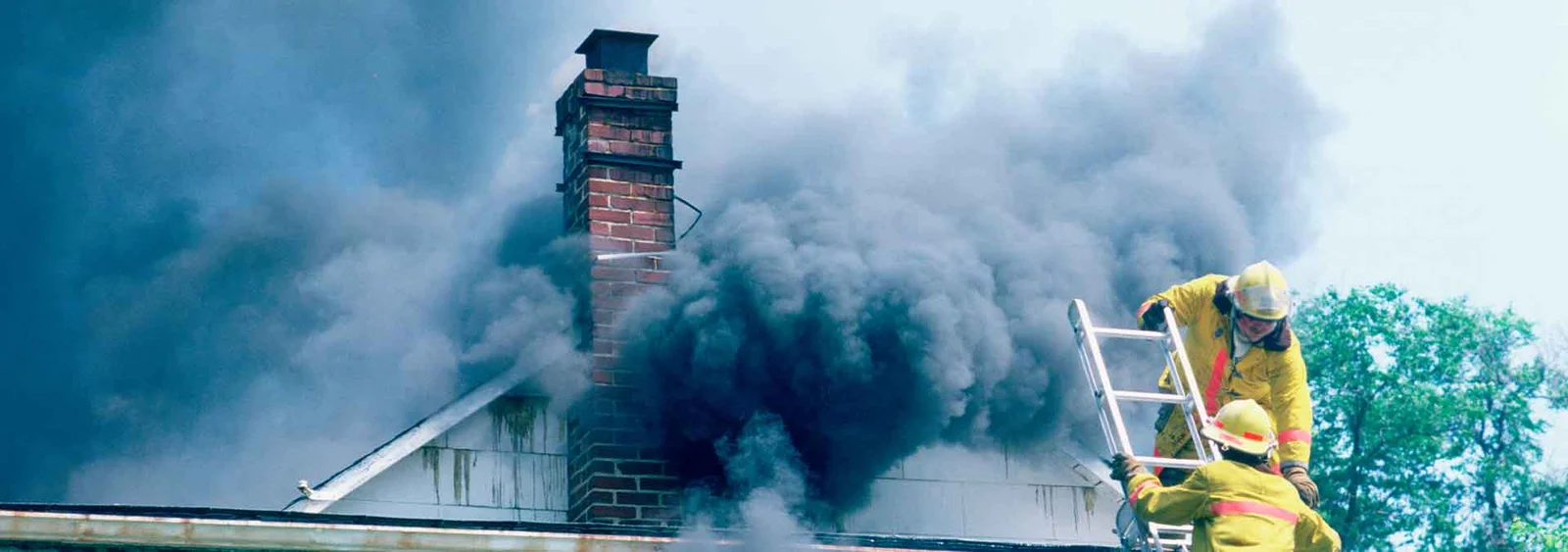
Smoke damage restoration in Applewood, CO addresses residue removal, odor neutralization, and air quality restoration following fires. Best Option Restoration of Lakewood provides 24/7 emergency response with IICRC-certified technicians for local properties.
- Applewood homes built between 1960 and 1985 often have construction features like original ductwork and plaster walls that trap smoke particles and complicate restoration efforts.
- The semi-arid Front Range climate causes smoke particles to settle and bond with surfaces quickly, making rapid professional response more important than in humid regions.
- Our restoration process includes assessment, containment, specialized cleaning, HVAC treatment, thermal fogging, and final air quality verification with full insurance documentation support.
Smoke damage restoration is the process of removing visible soot residue, neutralizing persistent odors, and restoring indoor air quality to safe levels after a fire. This service addresses the aftermath of fires by cleaning affected surfaces, treating materials that have absorbed smoke particles, and using specialized equipment to eliminate lingering smells throughout the property.
Overview
Last winter, a family in Applewood returned home after a weekend away to find their kitchen filled with acrid smoke from a forgotten appliance. The fire department had contained the small electrical fire, but the lingering odor and soot had already penetrated every room. Smoke damage restoration addresses exactly this kind of aftermath – removing visible residue, neutralizing persistent odors, and restoring indoor air quality to safe levels.
Smoke damage restoration involves far more than surface cleaning. Professional technicians assess the type of smoke residue, identify affected materials, and deploy specialized equipment to extract particles embedded in walls, fabrics, ductwork, and structural components. In Applewood's semi-arid climate, smoke particles can settle quickly and bond with surfaces before moisture has a chance to slow the process.
- Thorough assessment of smoke penetration throughout the property
- Specialized cleaning techniques matched to specific residue types
- Advanced air filtration and odor neutralization methods
- Restoration of HVAC systems and hidden spaces where smoke accumulates
Common Issues in Applewood, CO
When Smoke Damage Peaks in Applewood
Colorado's wildfire season brings smoke infiltration to homes throughout the Front Range, even from distant fires.
Fireplace mishaps, furnace malfunctions, and indoor heating fires increase smoke damage incidents during cold months.
Fourth of July celebrations lead to accidental fires and smoke damage in residential areas.
Applewood sits at the base of the foothills west of Denver, where wildfire smoke from mountain blazes can drift into neighborhoods during summer months. Even when flames remain miles away, smoke infiltration through windows, doors, and HVAC systems creates indoor air quality problems that persist long after fire season ends.
The community's housing stock – predominantly built between the 1960s and 1980s – often features construction methods that allow smoke to penetrate wall cavities and attic spaces. Older insulation materials and original ductwork can trap smoke particles, releasing odors for months after initial exposure.
- Wildfire smoke infiltration from nearby mountain fires during dry summer months
- Kitchen fires in older homes with outdated electrical systems
- Fireplace and wood stove malfunctions during cold winter seasons
- HVAC system failures that spread smoke throughout entire structures
- Garage fires from stored chemicals or vehicle-related incidents
- Candle or space heater accidents during extended power outages
Warning signs that smoke damage requires professional attention include persistent smoky odors despite cleaning, visible discoloration on walls or ceilings, respiratory irritation among household members, and soot deposits in unexpected areas like closets or cabinets. Early intervention prevents smoke residue from permanently staining surfaces and embedding deeper into materials.
How Best Option Restoration of Lakewood Can Help
Our restoration process begins the moment you contact us. A trained technician arrives to evaluate the scope of smoke damage, identifying the type of fire that caused the residue and mapping which areas require treatment.
Our Step-by-Step Restoration Process
- Initial assessment and documentation of all affected areas, including hidden spaces like attics and crawlspaces
- Containment setup to prevent cross-contamination of unaffected rooms during cleaning
- Air quality testing to establish baseline conditions and guide treatment intensity
- Removal of heavily damaged materials that cannot be effectively restored
- Surface cleaning using dry sponges, HEPA vacuuming, and wet cleaning methods appropriate to each material type
- HVAC system cleaning and filter replacement to prevent recirculation of particles
- Thermal fogging and ozone treatment for deep odor neutralization
- Final inspection and air quality verification before project completion
Specialized Techniques We Deploy
- Hydroxyl generators for safe, occupied-space odor elimination
- Ultrasonic cleaning for electronics and delicate items
- Dry ice blasting for structural components with heavy soot deposits
- Encapsulation sealers for surfaces where residue has penetrated beyond cleaning reach
Throughout the restoration, our team maintains regular communication with property owners. We provide progress updates, explain any unexpected findings, and adjust our approach based on how materials respond to treatment.
Insurance & Documentation
Smoke damage claims require thorough documentation to demonstrate the extent of damage and justify restoration costs. Our technicians photograph affected areas before, during, and after treatment, creating a visual record that supports your claim.
We prepare detailed scope-of-work documents that itemize every cleaning procedure, material removed, and restoration technique applied. This documentation follows industry-standard formats that insurance adjusters recognize and accept.
- Photographic evidence of smoke residue patterns and affected materials
- Air quality test results showing particulate levels before and after treatment
- Itemized inventory of damaged contents requiring cleaning or replacement
- Moisture readings and thermal imaging reports when water damage accompanies smoke
- Certification documentation verifying technician qualifications and equipment calibration
Our team works directly with insurance adjusters, providing supplemental information when requested and clarifying technical aspects of the restoration process. We maintain IICRC certification – the industry standard that insurance companies expect from qualified restoration contractors.
Why Choose Best Option Restoration of Lakewood
Our technicians hold certifications in fire and smoke restoration, odor control, and applied structural drying. This training means we recognize the differences between protein fires, synthetic material smoke, and wildfire residue – each requiring distinct treatment approaches.
We respond to smoke damage calls around the clock because residue continues bonding with surfaces every hour it remains untreated. Our Lakewood location positions us to reach Applewood properties quickly, minimizing the window for permanent damage to occur.
- IICRC-certified technicians with specialized fire and smoke restoration training
- 24/7 emergency response with rapid deployment to Applewood addresses
- Commercial-grade equipment including air scrubbers, ozone generators, and thermal foggers
- Direct insurance billing and claims assistance throughout the process
- Follow-up inspections to verify complete odor elimination
Housing Characteristics & Smoke Damage Restoration Considerations
Applewood's residential development peaked between 1960 and 1985, creating a neighborhood of predominantly single-family ranch-style and split-level homes. These properties typically range from 1,200 to 2,400 square feet, featuring open floor plans that allow smoke to travel freely between living spaces during fire events.
Construction methods common during this era present specific challenges for smoke restoration. Original materials often include:
- Plaster or early drywall that absorbs smoke particles deeply into surface pores
- Single-pane windows with minimal sealing that allow smoke infiltration from exterior sources
- Original ductwork without modern filtration, spreading contamination throughout HVAC systems
- Hardwood floors under carpet layers that trap smoke residue between materials
- Attic insulation – often fiberglass batting – that holds odors and requires replacement after significant smoke exposure
Many Applewood homes have undergone renovations over the decades, creating mixed construction that complicates restoration. A kitchen remodeled in 2010 may connect to original 1970s ductwork, requiring technicians to adapt cleaning methods as they move through the structure. Finished basements – common additions in this area – add another layer where smoke settles and requires treatment.
Environmental Conditions & Smoke Damage Restoration Implications
Applewood experiences the Front Range's characteristic semi-arid climate, with annual precipitation averaging around 15 inches and relative humidity often dropping below 30% during winter months. This dry air affects how smoke residue behaves – particles settle quickly and bond with surfaces faster than in humid environments.
Air quality in the Applewood area fluctuates seasonally. Summer months bring elevated ozone levels and periodic wildfire smoke events that can push Air Quality Index readings into unhealthy ranges. These environmental factors influence restoration approaches:
- Low humidity accelerates smoke particle adhesion, making rapid response more critical
- Temperature swings between day and night cause materials to expand and contract, potentially releasing trapped odors
- Alkaline soils common in Jefferson County affect exterior drainage and moisture patterns around foundations
- High UV exposure at altitude can interact with smoke residue on exterior surfaces
- Winter inversions trap pollutants – including smoke – close to ground level for extended periods
Colorado's environmental regulations require proper disposal of smoke-damaged materials, particularly when asbestos-containing materials from older homes are involved. Our team follows state guidelines for testing and handling potentially hazardous materials encountered during restoration.
Population Characteristics & Smoke Damage Restoration Considerations
Applewood maintains a suburban character with moderate population density, primarily consisting of single-family homeowners. The community attracts families and established professionals drawn to its proximity to both Denver employment centers and mountain recreation areas. Median household incomes exceed state averages, and homeownership rates remain high.
The demographic profile influences smoke damage restoration needs in several ways:
- Higher homeownership rates mean more invested property owners seeking thorough restoration rather than basic cleaning
- Dual-income households often require flexible scheduling for restoration work access
- Families with children prioritize air quality verification and safe re-occupancy timelines
- Aging-in-place residents may need additional assistance coordinating temporary housing during extensive restoration
- Home-based workers – increasingly common since 2020 – require expedited restoration of home office spaces
The community's economic stability means most properties carry adequate homeowner's insurance coverage, streamlining the claims process. However, residents often maintain higher expectations for restoration quality and communication throughout the process. Our team adapts service delivery to meet these expectations, providing detailed explanations and accommodating scheduling preferences whenever possible.
Wildfire Risk and Smoke Exposure in Applewood
Applewood's position at the urban-wildland interface places it within the zone of concern for Colorado's increasingly active fire seasons. Jefferson County fire officials have identified portions of the community as moderate to high wildfire risk areas, particularly neighborhoods adjacent to open space and foothill terrain.
Recent fire history in the region underscores the relevance of smoke damage preparedness:
- The 2020 fire season brought multiple Front Range blazes that produced smoke visible throughout the Denver metro area
- The Marshall Fire in December 2021 – though centered in Boulder County – demonstrated how quickly wind-driven fires can impact suburban communities
- Prescribed burns in nearby Jefferson County Open Space parks occasionally produce localized smoke exposure
- Red flag warning days have increased in frequency over the past decade, signaling elevated fire risk conditions
Even when fires remain distant, smoke infiltration affects Applewood properties. Fine particulate matter from wildfires penetrates building envelopes through gaps around doors, windows, and utility penetrations. HVAC systems operating during smoke events can distribute contaminated air throughout structures, depositing residue in ductwork and on interior surfaces.
Proactive measures reduce smoke damage severity when events occur. Sealing air leaks, upgrading HVAC filters to MERV 13 or higher ratings, and maintaining awareness during fire season all help protect Applewood properties. When smoke infiltration does occur, prompt professional assessment determines whether surface cleaning suffices or deeper restoration becomes necessary.
Weather & Alerts in Applewood, CO
Current Conditions
Temp: 63°F · Feels like: 61°F
Humidity: 57% · Wind: 6 mph
Emergency Alerts
No active alerts.
Smoke Damage Restoration in Other Service Areas
Useful Numbers
- Life-threatening emergencies
- 911
- Poison Control
- 1-800-222-1222
- Suicide Prevention Lifeline
- 988
- Police (non-emergency)
- Visit your local police department website
- Fire Department (non-emergency)
- Check the Applewood city website
- City Hall
- Available on the official Applewood government website
- Non-Emergency Services
- Call 311 if available in your area
Always verify numbers from official city/county websites.