
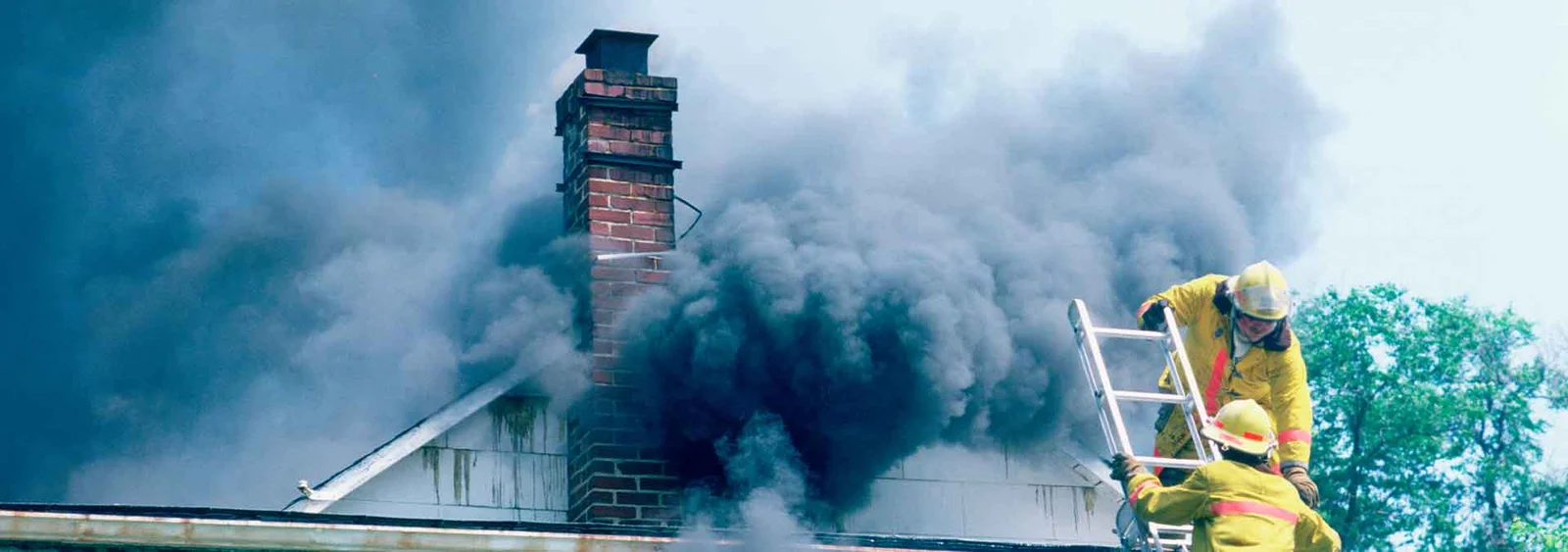
Smoke damage restoration in Edgewater, CO addresses the challenges that remain after fires, including soot removal, odor neutralization, and air quality restoration. Best Option Restoration of Lakewood provides 24/7 emergency response with IICRC-certified technicians serving this densely developed community.
- Smoke particles penetrate building materials, fabrics, and HVAC systems, creating persistent odors and health hazards that require professional treatment including thermal fogging and ozone treatments.
- Edgewater's older housing stock from the 1940s through 1970s absorbs smoke more readily than modern construction, and high-density housing means smoke from one property quickly affects neighbors.
- The restoration process includes emergency assessment, soot removal with HEPA filtration, surface cleaning, odor neutralization, and thorough documentation to support insurance claims.
Smoke damage restoration is the professional process of removing smoke particles, soot, and odors from a property after a fire. It is needed because smoke penetrates deep into building materials, fabrics, and ventilation systems, creating persistent odors and potential health hazards that standard cleaning cannot address. Professional intervention removes these harmful residues and restores indoor air quality.
Overview
What happens after the flames are out and the fire trucks leave? For Edgewater residents facing smoke damage, the real restoration challenge often begins once emergency responders have departed. Smoke particles penetrate deep into building materials, fabrics, and ventilation systems – creating persistent odors and potential health hazards that require professional intervention to fully address.
Smoke damage restoration encompasses a comprehensive process of removing soot, neutralizing odors, cleaning affected surfaces, and restoring indoor air quality to safe levels. In Edgewater's compact urban environment along Clear Creek, homes and businesses sit close together, meaning smoke from one property can easily affect neighboring structures. The area's semi-arid climate and frequent temperature inversions can trap smoke particles, intensifying damage when fires occur.
- Complete soot and residue removal from all affected surfaces and materials
- Professional-grade odor neutralization using thermal fogging and ozone treatments
- HVAC system cleaning to prevent smoke particle recirculation
- Content cleaning and restoration for salvageable belongings
Common Issues in Edgewater, CO
Seasonal risk calendar for Smoke Damage Restoration in Edgewater, CO
Based on local patterns and building stock, the months below tend to see the most calls.
Edgewater's unique position as a small, densely developed community surrounded by Lakewood and Denver creates specific smoke damage challenges. The city's older housing stock – much of it built during the mid-twentieth century – often features construction materials and techniques that absorb and retain smoke particles more readily than modern builds.
Seasonal factors play a significant role in smoke damage patterns throughout the area. Winter months bring increased heating-related fires from furnaces, space heaters, and fireplaces. Summer wildfire seasons in Colorado's Front Range can deposit smoke and ash throughout the community, even when fires burn miles away. Spring and fall see elevated kitchen fire incidents as residents adjust their cooking habits with seasonal changes.
- Older single-wall construction allows smoke to penetrate between living spaces more easily
- Proximity to major roadways means existing air quality concerns compound smoke damage effects
- Mixed residential and commercial zoning creates varied smoke sources – from restaurant grease fires to residential incidents
- Aging HVAC systems in many properties spread smoke contamination rapidly through ductwork
- Basement and crawlspace configurations common in the area trap smoke particles in hard-to-reach spaces
- High-density housing means smoke from one unit quickly affects multiple neighboring properties
Warning signs that professional smoke restoration is needed include persistent smoky odors despite cleaning efforts, visible soot staining on walls or ceilings, respiratory irritation when spending time indoors, and discoloration of fabrics or painted surfaces.
How Best Option Restoration of Lakewood Can Help
Our smoke damage restoration process follows a systematic approach designed to address every aspect of smoke contamination. We begin with rapid response and thorough assessment to understand the full scope of damage before any restoration work begins.
Our Restoration Process
- Emergency response and initial property assessment – documenting damage extent and identifying smoke types present
- Property securing and board-up services if structural damage accompanies smoke damage
- Air quality testing to establish baseline contamination levels
- Removal of heavily damaged materials that cannot be restored
- Dry soot and debris removal using specialized vacuums with HEPA filtration
- Surface cleaning using appropriate techniques for each material type
- Odor neutralization through thermal fogging, ozone treatment, or hydroxyl generation
- HVAC cleaning and filter replacement
- Final inspection and air quality verification
Specialized Techniques We Employ
- Dry cleaning sponges for delicate surfaces and initial soot removal
- Wet cleaning solutions calibrated to specific smoke residue types
- Ultrasonic cleaning for restorable contents and electronics
- Thermal fogging that penetrates the same areas smoke reached
- Air scrubbers running continuously during restoration to capture airborne particles
Throughout the process, our project managers maintain clear communication with property owners. We provide regular updates on progress, explain each phase before beginning, and answer questions promptly. Quality control checkpoints at each stage help us catch any missed areas before moving forward.
Insurance & Documentation
Proper documentation forms the foundation of successful insurance claims for smoke damage restoration. We capture comprehensive evidence from our first moments on-site, creating detailed records that support your claim throughout the process.
Our documentation protocols include photographic and video evidence of all affected areas, itemized inventories of damaged contents, moisture and air quality readings, and detailed scope-of-work reports. This thorough approach helps streamline the claims process and reduces disputes over coverage.
- Timestamped photographs of damage before, during, and after restoration
- Written descriptions of damage severity and required restoration methods
- Inventory lists with estimated replacement values for damaged contents
- Air quality test results demonstrating contamination levels
- Daily work logs documenting restoration activities and progress
- Final completion reports with verification of restored conditions
We work directly with insurance adjusters, providing requested documentation promptly and clarifying technical aspects of smoke damage restoration when needed. Our team holds IICRC certifications in fire and smoke restoration – credentials insurance companies recognize as industry standards for qualified restoration work.
Why Choose Best Option Restoration of Lakewood
Our team brings specialized training and local experience to every smoke damage project in Edgewater. IICRC-certified technicians handle all restoration work, backed by ongoing education in the latest restoration techniques and equipment. We maintain full licensing and insurance coverage for all services performed.
Response time matters when smoke damage occurs – particles continue penetrating materials and causing secondary damage until professional cleaning begins. Our 24/7 availability means we can begin assessment and mitigation quickly, often within hours of your initial call. We serve Edgewater from our nearby Lakewood location, minimizing travel time when emergencies arise.
- Locally owned operation with direct knowledge of Edgewater's housing stock and common issues
- Advanced equipment including thermal foggers, ozone generators, and HEPA air scrubbers
- Transparent pricing with detailed estimates before work begins
- Follow-up inspections to verify complete odor elimination and customer satisfaction
Housing Characteristics & Smoke Damage Restoration Considerations
Edgewater's housing stock reflects its history as one of Colorado's oldest incorporated cities. Most residential properties date from the 1940s through 1970s, with a significant concentration of mid-century construction. These homes typically feature single-story ranch designs and modest two-story builds ranging from 900 to 1,400 square feet – compact layouts that can concentrate smoke damage when incidents occur.
Construction materials common in Edgewater's era of development present specific restoration challenges. Plaster walls and ceilings absorb smoke particles differently than modern drywall, often requiring specialized cleaning approaches. Original hardwood flooring – common in many properties – can be restored when properly treated but may need refinishing after smoke exposure. Older insulation materials in attics and wall cavities trap smoke odors and may require removal and replacement.
- Single-pane windows and less airtight construction allow smoke infiltration from external sources
- Older electrical systems increase fire risk, making smoke damage more likely in vintage homes
- Finished basements common in the area create additional spaces requiring thorough restoration
- Mixed housing types – including duplexes and small apartment buildings – mean smoke incidents often affect multiple households
Multi-family properties and the growing number of renovated homes add complexity to Edgewater's restoration landscape. Updated HVAC systems in some properties can spread smoke more rapidly, while others retain gravity-fed heating that limits distribution but creates concentrated damage zones.
Environmental Conditions & Smoke Damage Restoration Implications
Edgewater sits at approximately 5,400 feet elevation along Colorado's Front Range, experiencing a semi-arid climate with low humidity averaging 40-50% annually. This dry environment affects smoke damage restoration in several ways – smoke particles can remain airborne longer in dry conditions, but lower humidity also means less moisture-related secondary damage during restoration work.
Air quality in the Edgewater area faces challenges from multiple sources. Proximity to major transportation corridors including Colfax Avenue and Interstate 70 contributes to baseline particulate levels. During wildfire season – typically June through September – regional smoke events can deposit fine particles throughout the community. These existing air quality factors mean indoor environments already work harder to maintain clean air, making professional restoration after smoke incidents even more valuable.
- Temperature swings exceeding 30 degrees in a single day can cause smoke odors to intensify as materials expand and contract
- Low humidity accelerates certain cleaning processes but requires careful moisture management during wet cleaning phases
- Clear Creek's presence influences local drainage patterns and can affect basement moisture levels during restoration
- Colorado's strong UV exposure helps break down some smoke compounds but can also set stains if not addressed quickly
Seasonal considerations shape our restoration approach throughout the year. Winter work requires careful temperature control to maintain proper conditions for cleaning solutions and odor treatments. Summer projects benefit from natural ventilation options but must account for potential wildfire smoke intrusion during the restoration process.
Population Characteristics & Smoke Damage Restoration Considerations
Edgewater maintains a population of approximately 5,500 residents within just half a square mile – creating one of the Denver metro area's most densely populated communities. This compact urban character means smoke incidents can affect multiple households simultaneously, and restoration work must account for close neighbors and shared building systems.
The community's demographic profile includes a mix of long-term residents and newer arrivals drawn by Edgewater's relative affordability compared to neighboring Denver and Lakewood. Median household incomes fall below the metro average, making cost-effective restoration solutions and insurance claim assistance particularly valuable for local property owners. Many households include working adults with limited flexibility for daytime appointments, so we offer scheduling accommodations to meet varied needs.
- Significant renter population requires coordination between tenants, landlords, and restoration teams
- Growing Hispanic/Latino community – we provide bilingual communication support when needed
- Mix of young professionals and established families creates varied scheduling and communication preferences
- Home-based businesses in the area may face additional restoration urgency to resume operations
Edgewater's walkable commercial districts along 25th Avenue and Sheridan Boulevard mean residential properties often sit near restaurants and retail spaces – potential smoke sources that can affect neighboring homes. Understanding this mixed-use character helps us anticipate restoration needs and respond appropriately to varied incident types.
Fire Incident Patterns in Edgewater
Fire incident data from the West Metro Fire Rescue district – which serves Edgewater – reveals patterns that inform smoke damage restoration needs throughout the community. Residential structure fires occur most frequently during winter months, with heating equipment and cooking activities representing leading causes. The compact housing density in Edgewater means even small fires can create smoke exposure across multiple properties.
Kitchen fires constitute the single largest category of residential fire incidents in the area, often producing heavy grease smoke that creates particularly stubborn restoration challenges. These incidents typically cause concentrated damage in cooking areas but spread smoke particles throughout ventilation systems and into adjacent rooms. Heating-related fires peak between November and February, correlating with furnace use and supplemental heating devices.
- Cooking fires account for approximately 50% of residential fire incidents locally
- Heating equipment fires increase 300% during winter months compared to summer
- Electrical fires – common in older housing stock – often smolder before detection, maximizing smoke penetration
- Vehicle fires in attached garages create toxic smoke requiring specialized cleaning protocols
- Candle and smoking-material fires remain significant causes despite declining rates
Response times in Edgewater benefit from multiple West Metro Fire stations within close proximity, typically achieving arrival within five minutes of dispatch. Quick fire suppression limits direct fire damage but can increase smoke and water damage as firefighting efforts contain flames. Understanding these patterns helps property owners recognize when professional smoke restoration is warranted – even when visible fire damage appears minimal, smoke infiltration may be extensive.
Weather & Alerts in Edgewater, CO
Current Conditions
Temp: 69°F · Feels like: 70°F
Humidity: 83% · Wind: 5 mph
Emergency Alerts
- Rip Current Statement* WHAT...Dangerous rip currents. * WHERE...Coastal Volusia, Coastal Indian River, Coastal Saint Lucie, Coastal Martin, Mainland Northern Brevard, Northern Brevard Barrier Islands, Mainland Southern B...NWS →
Smoke Damage Restoration in Other Service Areas
Useful Numbers
- Life-threatening emergencies
- 911
- Poison Control
- 1-800-222-1222
- Suicide Prevention Lifeline
- 988
- Police (non-emergency)
- Visit your local police department website
- Fire Department (non-emergency)
- Check the Edgewater city website
- City Hall
- Available on the official Edgewater government website
- Non-Emergency Services
- Call 311 if available in your area
Always verify numbers from official city/county websites.