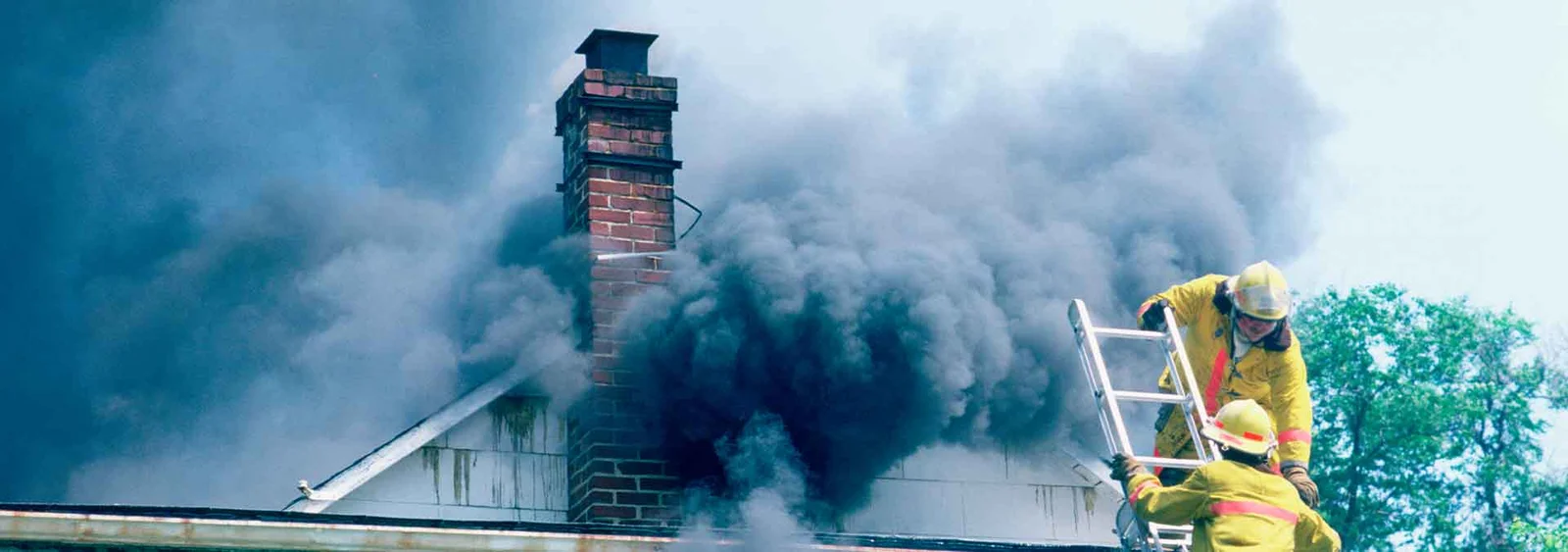
Smoke damage restoration in Glendale, CO requires professional attention due to microscopic particles that penetrate porous materials and HVAC systems. Best Option Restoration of Lakewood provides 24/7 emergency response with IICRC-certified technicians using specialized equipment for the area's unique climate and housing conditions.
- Smoke particles measuring 0.1 to 4 microns bond aggressively to surfaces in Glendale's dry climate, making rapid response critical before acidic soot etches into materials within hours.
- The restoration process includes emergency stabilization, damage assessment, content pack-out, surface cleaning, HVAC decontamination, and odor elimination through thermal fogging or ozone treatment.
- Glendale's dense multi-family housing from the 1970s-1990s features shared ventilation systems and wall assemblies that allow smoke to migrate between units, requiring specialized approaches for complete remediation.
Smoke damage restoration is a specialized cleaning process that addresses the complex aftermath of fire damage. It goes beyond surface cleaning to remove acrid odors, greasy residue on surfaces, and invisible particles embedded in belongings. Professional restoration is needed because smoke creates pervasive damage that penetrates deep into materials, requiring specialized techniques and equipment to fully eliminate contamination and restore affected properties.
Overview
Waking up to the aftermath of a fire – even a small one – leaves you facing more than visible damage. The acrid smell that permeates everything, the greasy residue coating surfaces, and the invisible particles embedded deep in your belongings create an overwhelming situation that demands immediate professional attention. Smoke damage restoration in Glendale, CO addresses these complex challenges through specialized techniques that go far beyond surface cleaning.
Smoke damage restoration encompasses the complete remediation of soot, odor, and particulate contamination following any fire event. This process involves assessing damage severity, removing contaminated materials, deep-cleaning salvageable items, and eliminating persistent odors through advanced deodorization methods. Professional intervention matters because smoke particles measure just 0.1 to 4 microns – small enough to penetrate porous materials and HVAC systems throughout your property.
- Rapid assessment prevents secondary damage from acidic soot residue
- Professional-grade equipment reaches contamination invisible to the naked eye
- Specialized techniques address Glendale's dry climate, which affects how smoke residue behaves
- Proper restoration protects your health from harmful particulates and volatile compounds
Common Issues in Glendale, CO
When Smoke Damage Peaks in Glendale
Colorado's peak wildfire season brings smoke infiltration to homes even from distant fires, requiring professional restoration.
Increased use of fireplaces, wood stoves, and furnaces leads to more indoor smoke damage incidents.
Cooking fires, candle incidents, and Christmas tree fires spike during the holiday season.
Glendale's compact urban footprint and proximity to major transportation corridors create unique smoke damage scenarios. This small city, surrounded by Denver and Cherry Creek, features a dense mix of commercial and residential properties where fire events can quickly affect neighboring structures. The semi-arid Colorado climate – averaging just 15 inches of annual precipitation – means smoke residue dries rapidly onto surfaces, making prompt response critical.
Seasonal factors significantly influence smoke damage patterns in the area. Winter months bring increased heating system fires from furnaces working overtime in sub-freezing temperatures. Summer wildfires, while not always directly affecting Glendale properties, deposit fine particulate matter that infiltrates buildings through HVAC systems and open windows.
Local Factors Contributing to Smoke Damage Needs
- High-density mixed-use developments where commercial kitchen fires affect adjacent residential units
- Older apartment complexes with shared ventilation systems that spread smoke contamination between units
- Dry air conditions that cause smoke particles to become electrostatically charged, bonding aggressively to surfaces
- Temperature inversions common along the Front Range that trap smoke at ground level
- Proximity to I-25 corridor increases exposure to vehicle fire incidents
- Entertainment district establishments with commercial cooking equipment prone to grease fires
Warning signs that smoke damage requires professional attention include persistent odors despite cleaning attempts, visible discoloration on walls or ceilings, respiratory irritation when entering affected spaces, and HVAC systems that circulate smoky smells. Soot residue that appears oily or sticky indicates synthetic materials burned – a situation requiring specialized cleaning agents and techniques.
How Best Option Restoration of Lakewood Can Help
Our smoke damage restoration process begins the moment you contact us, with a trained technician gathering initial information to prepare appropriate equipment before arrival.
Our Step-by-Step Restoration Process
- Emergency response and property stabilization – securing the structure and preventing additional damage
- Detailed damage assessment using specialized meters and visual inspection protocols
- Content inventory and pack-out of salvageable items for off-site cleaning when necessary
- Removal of unsalvageable materials, including contaminated insulation and severely damaged building components
- Surface cleaning using dry sponges, HEPA vacuuming, and wet cleaning methods matched to material types
- Deep cleaning of HVAC systems, ductwork, and mechanical components
- Odor elimination through thermal fogging, ozone treatment, or hydroxyl generation
- Final inspection and air quality verification
Specialized Techniques We Employ
- Ultrasonic cleaning for delicate electronics and intricate items
- Dry ice blasting for structural components and masonry surfaces
- Soda blasting for wood surfaces requiring gentle yet effective cleaning
- HEPA air scrubbers running continuously during restoration to capture airborne particles
- Antimicrobial treatments preventing mold growth in areas exposed to firefighting water
Throughout restoration, we maintain open communication with you. Expect daily progress updates, clear explanations of any unexpected findings, and documentation of all work performed. Our quality control procedures include multiple inspections at each phase and final verification using air quality monitoring equipment.
Insurance & Documentation
Smoke damage claims require meticulous documentation to support your insurance filing. We create comprehensive records from our first site visit, capturing the full scope of damage before any remediation begins.
Documentation We Provide
- Detailed photographic evidence of all affected areas with timestamps
- Written assessment reports describing damage severity by room and material type
- Itemized content inventories with pre-loss condition notes
- Daily work logs recording all restoration activities
- Air quality readings before, during, and after restoration
- Receipts and records for all materials used
We work directly with your insurance adjuster, providing requested information promptly and clarifying technical aspects of smoke damage that may not be immediately apparent. Our team holds IICRC certifications in fire and smoke restoration, meeting industry standards that insurance companies recognize and respect.
Record keeping extends beyond the active restoration period. We maintain copies of all documentation, making it available if questions arise during claim processing or if you need records for future property transactions.
Why Choose Best Option Restoration of Lakewood
Serving the greater Denver metro area – including Glendale – means we understand the specific challenges properties here face. Our technicians hold multiple IICRC certifications, including Fire and Smoke Restoration Technician (FSRT) and Odor Control Technician (OCT) credentials. We maintain these certifications through ongoing education, staying current with evolving restoration techniques.
Response time matters critically with smoke damage. Acidic soot residue begins etching into surfaces within hours. Our 24/7 availability means we can begin mitigation quickly, often arriving on-site within a few hours of your call.
- Locally owned operation with genuine investment in community relationships
- Advanced thermal imaging and moisture detection equipment
- Dedicated project managers ensuring consistent communication throughout restoration
- Follow-up inspections verifying lasting results after project completion
Housing Characteristics & Smoke Damage Restoration Considerations
Glendale's housing stock reflects its unique position as Colorado's smallest city by area yet one of its most densely developed. The majority of residential properties consist of multi-family units – apartments and condominiums – built primarily between the 1970s and 1990s. These mid-rise and garden-style complexes dominate the landscape, with newer mixed-use developments adding contemporary units in recent years.
Construction Characteristics Affecting Smoke Restoration
- Wood-frame construction with drywall interiors common in 1970s-1980s buildings
- Shared wall assemblies in multi-family units allowing smoke migration between residences
- Central HVAC systems serving multiple units, creating contamination pathways
- Popcorn ceilings and textured walls in older units that trap smoke particles
- Aluminum wiring in some 1970s properties requiring careful electrical assessment post-fire
Average unit sizes in Glendale trend smaller than suburban Denver, typically ranging from 600 to 1,200 square feet. While smaller spaces might seem easier to restore, the concentration of smoke residue in compact areas often creates more intensive contamination per square foot. Multi-family construction also means restoration work must consider neighboring units – smoke travels through electrical outlets, plumbing penetrations, and shared attic spaces.
Newer construction in the Cherry Creek North adjacent areas features modern fire suppression systems and compartmentalized designs that limit smoke spread. However, these contemporary finishes – including engineered hardwood, composite materials, and sophisticated HVAC systems – require specialized cleaning approaches to avoid damage during restoration.
Environmental Conditions & Smoke Damage Restoration Implications
Glendale sits at approximately 5,350 feet elevation along the Front Range, experiencing the semi-arid continental climate characteristic of the Denver metro area. Annual humidity averages just 35-40%, dropping even lower during winter months. This low moisture environment significantly affects smoke damage behavior and restoration approaches.
Climate Factors Impacting Restoration
- Low humidity causes smoke residue to dry rapidly, requiring faster response times
- Wide temperature swings – sometimes 40+ degrees in a single day – stress building materials already compromised by fire
- High UV exposure at altitude accelerates discoloration of smoke-damaged surfaces
- Winter inversions trap pollutants near ground level, compounding indoor air quality challenges
- Dry conditions reduce mold risk from firefighting water but increase static electricity affecting particle behavior
Air quality in Glendale reflects its urban location. The Colorado Department of Public Health and Environment monitors ozone and particulate levels throughout the metro area, with occasional action days during summer months. Wildfire smoke from mountain fires periodically affects the entire Front Range, adding external particulate contamination to properties already experiencing fire damage.
Water quality from Denver Water meets all federal standards, relevant when cleaning smoke-damaged surfaces. The moderate hardness of municipal water requires consideration when using certain cleaning solutions – we adjust our chemical formulations accordingly. Soil conditions in Glendale feature clay-heavy compositions that affect drainage around foundations, occasionally relevant when firefighting water creates moisture intrusion concerns requiring coordinated remediation.
Population Characteristics & Smoke Damage Restoration Considerations
Glendale's population of approximately 5,000 residents occupies just 0.4 square miles, creating one of Colorado's highest population densities outside downtown Denver. This concentration means smoke events affect more people per incident than in sprawling suburban communities. The demographic profile skews younger than statewide averages, with significant populations of young professionals and working adults.
Demographic Factors Affecting Service Needs
- High renter population – approximately 80% – requires coordination between tenants, landlords, and insurance carriers
- Diverse workforce including hospitality, retail, and office employees with varying schedules
- Significant immigrant communities speaking multiple languages
- Median household income below Denver metro average, making insurance coverage and payment options important considerations
- Younger demographics often have fewer possessions but higher-value electronics requiring specialized cleaning
The employment landscape in Glendale centers on its entertainment and retail sectors, with many residents working non-traditional hours. This affects restoration scheduling – we accommodate varied schedules for property access and progress consultations. The transient nature of rental populations means some residents may not have established relationships with insurance agents, requiring additional guidance through the claims process.
Cultural diversity in Glendale enriches the community while creating communication considerations during stressful restoration situations. Our team approaches each interaction with patience and clarity, ensuring all property occupants understand the restoration process regardless of background. Economic factors mean we work proactively with insurance carriers and offer transparent discussions about coverage, helping residents navigate financial aspects of restoration without adding stress to an already difficult situation.
Fire Incident Patterns & Response Data in Glendale
Glendale's fire response falls under the South Metro Fire Rescue Authority, which serves multiple communities across the southern Denver metro area. The department responds to hundreds of fire-related calls annually within their service area, with structure fires, vehicle fires, and cooking-related incidents comprising the majority of smoke-producing events.
Local Fire Incident Characteristics
- Cooking fires represent the leading cause of residential structure fires, consistent with national trends
- Multi-family occupancy increases per-incident impact, often affecting multiple units from a single fire origin
- Commercial kitchen fires in Glendale's restaurant district create complex restoration scenarios involving business interruption
- Electrical fires occur more frequently in older 1970s-era buildings with aging infrastructure
- Vehicle fires in parking structures can generate smoke damage affecting adjacent residential units
Response times in Glendale benefit from the area's compact geography and multiple nearby fire stations. Quick suppression limits fire spread but often results in significant smoke damage even when flame damage remains contained. The relationship between fire suppression and smoke damage is inverse – faster response means less burning but more smoke penetration into unburned areas as firefighters ventilate structures.
Seasonal patterns show increased fire incidents during winter holidays, when heating equipment runs continuously and decorative lighting adds electrical load to aging systems. Summer brings elevated wildfire risk throughout Colorado, with smoke from distant fires infiltrating Glendale properties through ventilation systems. Our restoration work addresses both direct fire events and secondary smoke contamination from regional wildfire activity, adapting techniques to the specific type of smoke residue involved – protein-based from cooking fires behaves differently than synthetic smoke from electrical fires or wood smoke from wildfires.
Weather & Alerts in Glendale, CO
Current Conditions
Temp: 71°F · Feels like: 70°F
Humidity: 43% · Wind: 5 mph
Emergency Alerts
No active alerts.
Smoke Damage Restoration in Other Service Areas
Useful Numbers
- Life-threatening emergencies
- 911
- Poison Control
- 1-800-222-1222
- Suicide Prevention Lifeline
- 988
- Police (non-emergency)
- Visit your local police department website
- Fire Department (non-emergency)
- Check the Glendale city website
- City Hall
- Available on the official Glendale government website
- Non-Emergency Services
- Call 311 if available in your area
Always verify numbers from official city/county websites.