
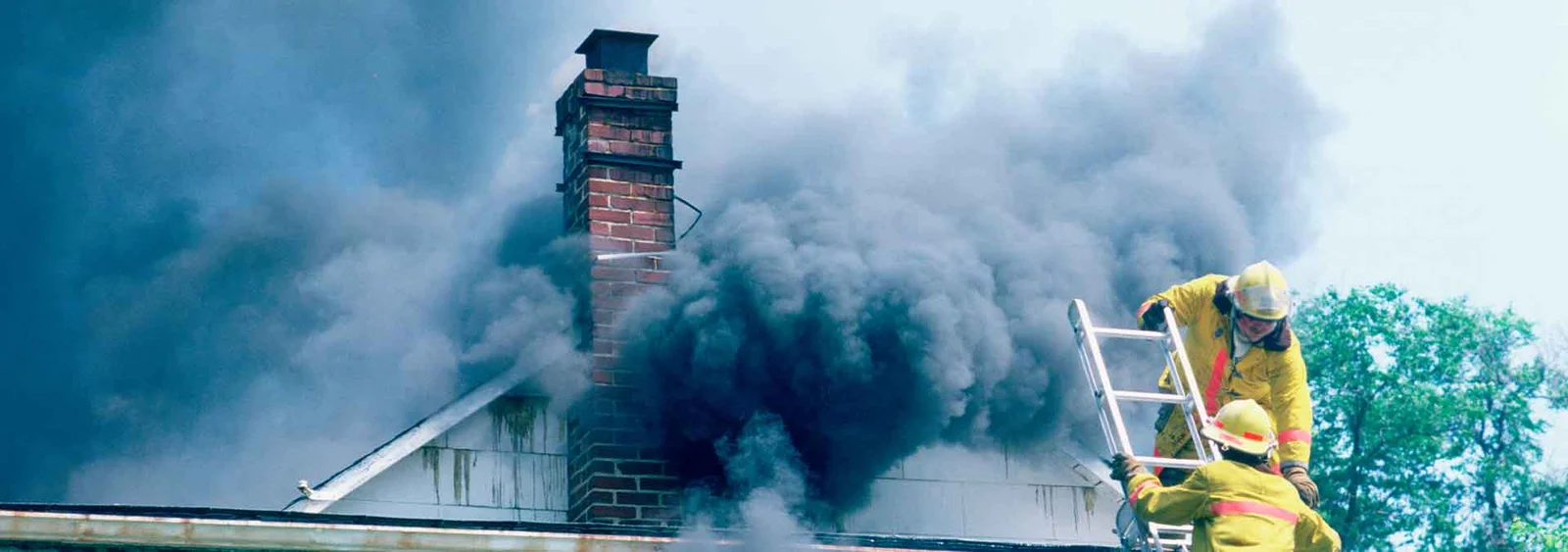
Smoke damage restoration in Morrison, CO addresses the complex aftermath of fires, including soot removal, odor neutralization, and air quality restoration. The town's mountain location at 5,800 feet elevation creates unique challenges due to dry air, temperature swings, and wildfire exposure.
- Morrison homes often feature log construction, cathedral ceilings, and older HVAC systems that allow smoke to spread and penetrate deeply into materials. Quick action prevents permanent staining and structural damage.
- Best Option Restoration of Lakewood provides 24/7 emergency response with IICRC-certified technicians who use specialized techniques like thermal fogging, HEPA vacuuming, and ultrasonic cleaning for different surface types.
- The team handles insurance documentation including pre-restoration photos, air quality testing, and itemized inventories to support claims. They work directly with adjusters and provide direct billing to reduce homeowner stress.
Smoke damage restoration is the process of cleaning, deodorizing, and repairing a property affected by smoke and soot after a fire. Even when flames cause minimal structural damage, smoke can penetrate walls, fabrics, and ventilation systems, leaving behind harmful residue and persistent odors. Professional restoration removes these contaminants and restores indoor air quality to safe levels.
Overview
Last summer, a Morrison family returned from a weekend camping trip to find their kitchen filled with acrid haze – a small electrical fire had smoldered for hours before burning itself out. The flames caused minimal damage, but the smoke had infiltrated every corner of their mountain home, leaving behind an invisible layer of soot and an overwhelming odor that seemed impossible to escape.
Smoke damage restoration addresses the complex aftermath that fire leaves behind, often extending far beyond the burn site itself. This specialized service involves removing soot particles, neutralizing odors, cleaning affected surfaces, and restoring air quality throughout the structure. Professional intervention matters because smoke residue contains acidic compounds that continue damaging materials long after flames disappear – and Morrison's unique mountain environment creates additional challenges that demand expert attention.
- Rapid assessment and containment to prevent further smoke migration through your property
- Specialized cleaning techniques for different surface types and smoke residue compositions
- Advanced deodorization methods that eliminate odors at the molecular level
- Complete air quality restoration suited to Morrison's high-altitude conditions
Common Issues in Morrison, CO
When Smoke Damage Restoration Peaks in Morrison
Colorado's peak wildfire season brings smoke infiltration to foothill communities like Morrison, even from distant fires.
Wood stove and fireplace use in mountain homes increases indoor smoke damage incidents and chimney-related fires.
Fourth of July celebrations in dry mountain conditions lead to increased fire and smoke damage calls.
Morrison sits at approximately 5,800 feet elevation along Bear Creek Canyon, where mountain living brings distinct smoke damage challenges. The town's position at the foothills means residents experience both wildfire smoke from surrounding forests and structure fire aftermath – sometimes simultaneously during fire season.
Dry mountain air and significant temperature swings between day and night affect how smoke particles settle and penetrate building materials. During winter months, homes remain sealed tight against cold temperatures, which can trap smoke residue inside and allow it to bond more deeply with fabrics, drywall, and HVAC systems.
- Wildfire smoke infiltration during summer and fall seasons, even when fires burn miles away
- Wood-burning stove and fireplace malfunctions common in mountain homes
- Electrical system issues in older properties leading to smoldering fires
- Grease fires in kitchens during holiday gatherings and tourist season
- Delayed discovery of smoke damage in vacation properties or second homes
- HVAC systems spreading smoke particles throughout entire structures before detection
Warning signs that indicate professional smoke damage restoration is needed include persistent smoky odors that don't fade, yellowish or gray discoloration on walls and ceilings, respiratory irritation when spending time indoors, and visible soot accumulation around vents or light fixtures. Acting quickly prevents permanent staining and structural degradation.
How Best Option Restoration of Lakewood Can Help
Our smoke damage restoration process begins the moment you contact us, with technicians dispatched to Morrison properties for rapid initial assessment.
Step-by-Step Restoration Process
- Emergency response and property assessment – we evaluate smoke penetration depth, identify affected materials, and determine the smoke residue type (wet, dry, protein, or fuel-based)
- Containment and protection – sealing off unaffected areas and protecting salvageable contents from further exposure
- Air quality stabilization – deploying air scrubbers and negative air machines to remove airborne particles
- Soot and residue removal – using specialized techniques matched to each surface type and smoke composition
- Deep cleaning and sanitization – addressing all affected surfaces, contents, and hidden spaces
- Odor elimination – thermal fogging, ozone treatment, or hydroxyl generation based on property needs
- Final inspection and air quality verification – confirming complete restoration before project completion
Specialized Techniques We Use
- Dry sponge cleaning for light soot on painted surfaces
- Wet cleaning with specialized solutions for heavy residue
- HEPA vacuuming for particle removal from textiles and upholstery
- Ultrasonic cleaning for delicate items and electronics
- Thermal fogging to penetrate areas where smoke traveled
Throughout the restoration, our team maintains open communication with property owners. You receive regular updates on progress, and we document each phase with photographs and detailed notes for your records and insurance purposes.
Insurance & Documentation
Smoke damage claims require thorough documentation to demonstrate the full scope of damage and restoration needs. Our team understands what insurance adjusters look for and prepares comprehensive records from the first site visit.
We photograph and catalog all affected areas before any cleaning begins, creating a clear baseline that supports your claim. Detailed moisture readings, air quality measurements, and soot density assessments provide objective data that insurance companies require for claim approval.
- Pre-restoration photo documentation of all affected rooms and contents
- Itemized inventory of damaged personal property with condition notes
- Air quality testing results before and after restoration
- Daily work logs showing restoration progress and methods used
- Final inspection reports with completion verification
- IICRC certification compliance documentation
Our technicians hold certifications from the Institute of Inspection, Cleaning and Restoration Certification (IICRC), and we follow industry-standard protocols that insurance companies recognize. We work directly with your adjuster when needed, providing supplemental documentation and answering technical questions about the restoration process.
Why Choose Best Option Restoration of Lakewood
Serving Morrison and the surrounding foothills communities, our team combines rapid response capability with deep knowledge of mountain property challenges. We maintain 24/7 availability because smoke damage doesn't wait for business hours – and neither do we.
Our technicians hold multiple IICRC certifications including Fire and Smoke Restoration, Odor Control, and Applied Structural Drying. This training ensures we handle every type of smoke damage scenario correctly the first time.
- Response times measured in hours, not days – we understand Morrison's distance from Denver metro services
- Equipment and techniques adapted for high-altitude conditions and mountain home construction
- Direct insurance billing and claims assistance to reduce your stress
- Local presence means faster follow-up and ongoing support after restoration completes
We treat every Morrison property like our own, combining technical excellence with genuine care for the families and business owners we serve.
Housing Characteristics & Smoke Damage Restoration Considerations
Morrison's housing stock reflects its history as a small mountain community that has maintained its character while the Denver metro area expanded around it. Most residential structures in Morrison date from the 1950s through the 1980s, with a mix of original mining-era buildings, mid-century ranch homes, and custom mountain residences built into the canyon terrain.
The town's approximately 430 residents live primarily in single-family detached homes, many featuring construction methods specific to mountain building. Common characteristics include:
- Log and timber frame construction that absorbs smoke deeply into wood grain
- Stone and masonry exteriors with porous surfaces that trap soot particles
- Cathedral ceilings and open floor plans that allow smoke to travel freely throughout structures
- Older HVAC systems and ductwork that spread contamination before detection
- Basements and lower levels built into hillsides, creating complex airflow patterns
Homes built before 1980 often contain materials that require special handling during smoke restoration, including older insulation types and original plaster walls. The average Morrison home ranges from 1,500 to 2,500 square feet, though many properties include additions built over decades as families expanded. These additions sometimes create hidden spaces where smoke accumulates undetected, requiring thorough inspection during restoration assessment.
Environmental Conditions & Smoke Damage Restoration Implications
Morrison's location in Bear Creek Canyon creates a microclimate distinct from both the Denver plains and higher mountain elevations. Average humidity levels run significantly lower than national averages – typically between 30-45% – which affects how smoke residue behaves on surfaces and how quickly odors dissipate naturally.
The canyon setting influences air movement patterns that matter during smoke events:
- Temperature inversions trap smoke in the canyon during winter months
- Afternoon upslope winds can push wildfire smoke directly into Morrison from lower elevations
- Dry conditions accelerate the bonding of acidic smoke residue to surfaces
- Intense UV exposure at altitude can cause additional degradation of smoke-affected materials
- Significant day-to-night temperature swings create condensation that reactivates dormant odors
Water quality in Morrison comes from Denver Water sources, which provides reliable water for restoration cleaning processes. However, the area's rocky soil and steep terrain create drainage challenges that can complicate restoration of lower-level spaces. Colorado's environmental regulations require proper disposal of smoke-contaminated materials, which our team handles in full compliance with state guidelines.
These environmental factors mean Morrison smoke damage restoration often requires extended deodorization treatments and careful moisture management to achieve complete results.
Population Characteristics & Smoke Damage Restoration Considerations
Morrison maintains a small-town character with a population hovering around 430 year-round residents, though this number swells significantly during tourist season when visitors flock to Red Rocks Amphitheatre and Dinosaur Ridge. The community skews toward established homeowners with higher-than-average household incomes compared to statewide figures.
Several population factors influence smoke damage restoration needs in Morrison:
- Many residents commute to Denver or Golden for work, meaning smoke events may go undetected during daytime hours
- A significant portion of properties serve as second homes or vacation rentals, creating delayed discovery scenarios
- Higher median incomes correlate with more valuable contents requiring specialized restoration
- Older average resident age means more households contain antiques and heirlooms needing careful handling
- Tourism-related businesses face unique restoration timelines tied to event schedules at Red Rocks
The tight-knit community means word travels quickly about service quality – both positive and negative. Property owners in Morrison expect personalized attention and clear communication throughout restoration projects. Many households include professionals who understand documentation requirements and expect thorough record-keeping for insurance and personal records.
Business owners along Bear Creek Avenue face particular pressure to restore quickly, as prolonged closures impact the tourism-dependent local economy.
Wildfire Risk & Smoke Exposure Data in Morrison
Morrison's position at the wildland-urban interface places it among Colorado communities with elevated wildfire risk and associated smoke exposure. Jefferson County, where Morrison is located, has experienced multiple significant fire events in recent years, and climate patterns suggest this trend will continue.
Local Fire and Smoke Statistics
- Jefferson County recorded over 150 wildland fires annually in recent years, many within miles of Morrison
- The 2020 fire season brought hazardous air quality days to the Front Range foothills, including Morrison
- Bear Creek Canyon's terrain funnels smoke from fires burning in multiple directions toward town
- Structure fires in Morrison average 2-4 annually, with smoke damage often exceeding fire damage in scope
The Colorado State Forest Service classifies much of the land surrounding Morrison as high wildfire hazard, meaning smoke infiltration events occur regularly during fire season. Even when flames stay miles away, smoke particles measuring 2.5 microns and smaller penetrate homes through gaps around windows, doors, and HVAC intakes.
Impact on Restoration Needs
These conditions create both acute and chronic smoke damage scenarios in Morrison. Acute damage follows structure fires and requires immediate professional intervention. Chronic exposure from repeated wildfire smoke events causes gradual accumulation of particles in HVAC systems, soft furnishings, and building materials – damage that often goes unnoticed until it triggers respiratory symptoms or visible discoloration.
- Properties near Red Rocks face additional exposure from concert-related smoke sources
- Historic buildings in Morrison's downtown lack modern air sealing, increasing vulnerability
- Mountain properties with large glass areas experience faster smoke penetration
- Restoration demand peaks during late summer and fall fire seasons
Best Option Restoration of Lakewood maintains readiness for Morrison's unique smoke damage patterns, with equipment and expertise suited to both emergency response and comprehensive restoration of accumulated smoke exposure.
Weather & Alerts in Morrison, CO
Current Conditions
Temp: 54°F · Feels like: 53°F
Humidity: 91% · Wind: 2 mph
Emergency Alerts
No active alerts.
Smoke Damage Restoration in Other Service Areas
Useful Numbers
- Life-threatening emergencies
- 911
- Poison Control
- 1-800-222-1222
- Suicide Prevention Lifeline
- 988
- Police (non-emergency)
- Visit your local police department website
- Fire Department (non-emergency)
- Check the Morrison city website
- City Hall
- Available on the official Morrison government website
- Non-Emergency Services
- Call 311 if available in your area
Always verify numbers from official city/county websites.