Professional smoke damage restoration in Arvada, CO addresses hidden smoke particles, soot removal, and odor elimination after fires. Best Option Restoration of Lakewood provides 24/7 emergency response with IICRC-certified technicians who understand local housing and climate challenges.
- Smoke particles as small as 0.1 microns penetrate walls, fabrics, and HVAC systems, requiring specialized cleaning techniques like thermal fogging, ultrasonic cleaning, and HEPA air filtration.
- Arvada's semi-arid climate and 5,600-foot elevation create unique challenges - low humidity keeps particles airborne longer, and seasonal wildfire smoke can contaminate homes miles from actual fires.
- The restoration process includes emergency assessment, containment setup, surface cleaning matched to material types, HVAC inspection, and thorough documentation for insurance claims.
Smoke damage restoration is the process of removing soot particles, neutralizing odors, and restoring indoor air quality after a fire. Even when visible flames are gone, smoke travels through rooms and settles into walls, fabrics, and ductwork. Professional restoration addresses these invisible threats to return your home to safe, livable conditions.
Overview
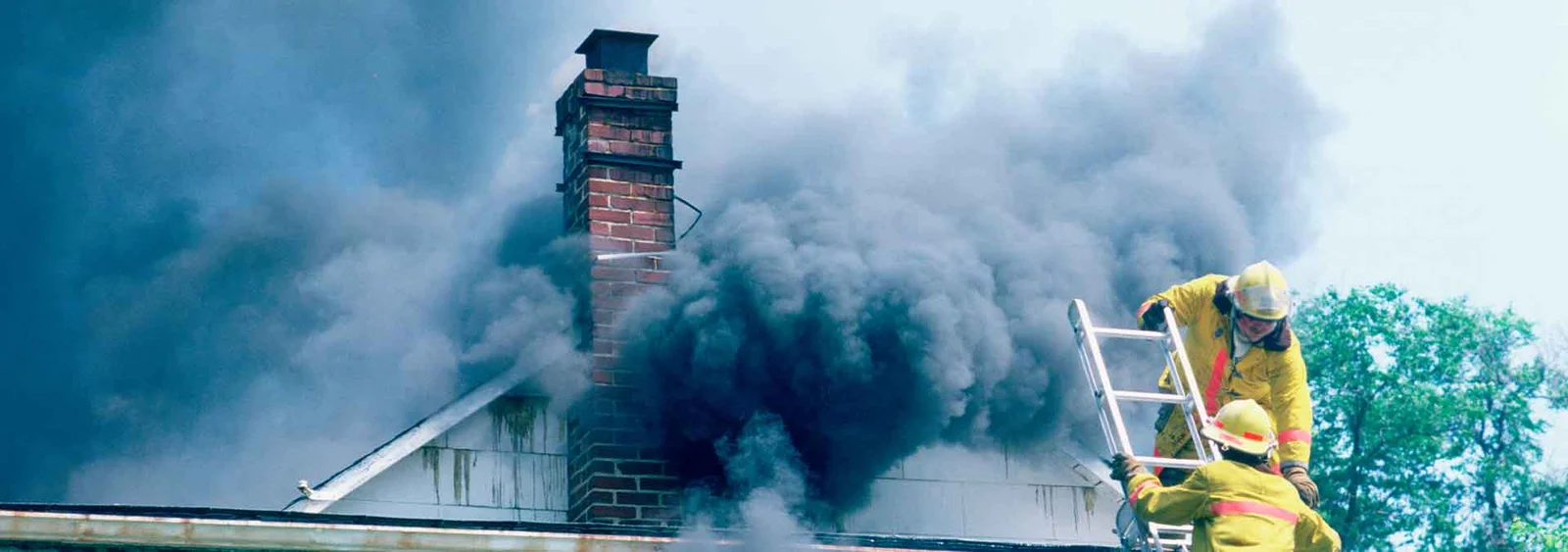
Walking into your Arvada home after a fire – even a small one – can feel overwhelming. The visible flames may be gone, but smoke has traveled through every room, settling into walls, fabrics, and ductwork in ways you might not immediately see. Smoke damage restoration addresses this invisible threat, removing soot particles, neutralizing odors, and restoring your indoor air quality to safe levels.
Professional smoke damage restoration goes far beyond surface cleaning. Smoke particles measure as small as 0.1 microns, allowing them to penetrate porous materials and HVAC systems throughout your property. In Arvada's semi-arid climate, where residents keep windows sealed during cold winters and wildfire-smoke summers, these contaminants can circulate for months without proper remediation.
- Complete soot and residue removal from all affected surfaces
- Thermal fogging and ozone treatment for deep odor elimination
- HVAC system cleaning to prevent smoke particle recirculation
- Content cleaning and restoration for salvageable belongings
Common Issues in Arvada, CO
When Smoke Damage Peaks in Arvada
Colorado's peak wildfire season brings smoke infiltration to homes even from distant fires in the Front Range foothills.
Increased use of fireplaces, wood stoves, and space heaters leads to more indoor fire and smoke incidents.
Fourth of July celebrations result in accidental fires and smoke damage to homes and garages.
Arvada's location along the Front Range creates specific smoke damage challenges that differ from other regions. The city sits at approximately 5,600 feet elevation, where thinner air affects how smoke particles settle and disperse within structures. Homes here experience unique pressures from both urban fire risks and increasing wildfire smoke infiltration from mountain blazes to the west.
Seasonal patterns significantly influence smoke damage scenarios in Arvada. Winter months bring increased heating-related incidents – furnace malfunctions, fireplace mishaps, and space heater accidents become more common when temperatures drop below freezing. Summer and fall introduce wildfire smoke that can infiltrate homes even without a direct fire event, leaving behind fine particulate matter that requires professional removal.
- Forced-air heating systems common in Arvada homes distribute smoke particles throughout entire structures rapidly
- Low humidity levels (averaging 30-40%) allow soot to remain airborne longer before settling
- Older neighborhoods near Olde Town feature homes with less air-tight construction, making smoke infiltration easier
- Basement finishes popular in Arvada trap smoke odors in below-grade spaces with limited ventilation
- Wildfire smoke from mountain fires creates secondary contamination even in homes miles from flames
- Temperature swings between day and night cause materials to expand and contract, driving smoke deeper into porous surfaces
Warning signs that indicate professional smoke restoration is needed include persistent burning odors after cleaning, visible discoloration on walls or ceilings, respiratory irritation when indoors, and greasy residue on surfaces near the fire origin.
How Best Option Restoration of Lakewood Can Help
Our smoke damage restoration process begins the moment you contact us. We respond rapidly to Arvada properties because timing directly impacts restoration success – smoke residue becomes increasingly difficult to remove the longer it remains on surfaces.
Our Step-by-Step Restoration Process
- Emergency contact and initial assessment – we gather information about the fire event and schedule an immediate inspection
- On-site evaluation to determine smoke type (wet, dry, protein, or fuel-based) and extent of penetration
- Containment setup to prevent cross-contamination to unaffected areas
- Air filtration using HEPA equipment to capture airborne smoke particles
- Surface cleaning with specialized techniques matched to each material type
- Odor neutralization through thermal fogging, hydroxyl generators, or ozone treatment
- HVAC system inspection and cleaning to eliminate recirculation risks
- Content pack-out and off-site restoration when needed
- Final inspection and air quality verification
Specialized Techniques We Employ
- Dry sponge cleaning for light soot on painted surfaces
- Wet cleaning methods for heavy residue on washable materials
- Ultrasonic cleaning for delicate items and electronics
- Abrasive cleaning for concrete and masonry surfaces
- Encapsulation sealers for structural elements with deep penetration
Throughout the restoration, we maintain direct communication with you. Our project managers provide regular updates, explain each phase before beginning, and document progress with photographs. You'll know exactly what we're doing and why at every stage.
Insurance & Documentation
Smoke damage claims require thorough documentation to process successfully. We create detailed records from our first inspection through final completion, providing your insurance adjuster with the evidence needed to support your claim.
Our documentation process captures the full scope of damage and restoration work performed. We understand that insurance companies require specific information to approve claims, and we prepare materials accordingly.
- Photographic and video documentation of all affected areas before, during, and after restoration
- Detailed written inventory of damaged contents with condition assessments
- Moisture and air quality readings with calibrated equipment
- Itemized scope of work with industry-standard pricing references
- Daily work logs documenting labor, equipment, and materials used
- Completion certificates and warranty documentation
We work directly with insurance adjusters and can communicate with your carrier on your behalf. Our team holds IICRC certifications that insurance companies recognize as industry standard, lending credibility to our assessments and recommended restoration protocols.
Why Choose Best Option Restoration of Lakewood
Our team brings IICRC-certified expertise specifically in fire and smoke damage restoration. We maintain ongoing training in the latest restoration techniques and equipment, staying current with evolving industry standards. When you call us in Arvada, you get technicians who understand both the science of smoke damage and the practical realities of Colorado homes.
Local presence means faster response. We serve Arvada from our Lakewood location, allowing us to reach your property quickly – often within an hour of your call. Our 24/7 availability means smoke damage doesn't have to wait until business hours for attention.
- IICRC-certified technicians in fire and smoke restoration
- Direct insurance billing and claims assistance
- 24/7 emergency response availability
- Advanced equipment including thermal foggers, hydroxyl generators, and HEPA air scrubbers
- Detailed communication throughout every project phase
We follow up after restoration completion to verify your satisfaction and confirm that odors haven't returned. Our work includes a commitment to results that last.
Housing Characteristics & Smoke Damage Restoration Considerations
Arvada's housing stock reflects the city's growth patterns over several decades. The majority of homes were constructed between 1960 and 1990, with significant development occurring during the 1970s suburban expansion. These mid-century homes present specific considerations for smoke damage restoration that differ from newer construction.
Single-family homes dominate Arvada's residential landscape, typically ranging from 1,200 to 2,400 square feet. Many feature ranch-style or split-level designs with finished basements – a configuration that affects how smoke travels and settles within the structure.
- Homes built before 1980 often contain materials that absorb smoke more readily, including older insulation types and unsealed drywall
- Original HVAC ductwork in older homes may have accumulated decades of debris, complicating smoke removal
- Basement finishes from the 1970s-80s frequently used paneling and carpeting that trap odors persistently
- Popcorn ceilings common in this era create textured surfaces where soot particles embed deeply
- Original single-pane windows in unrenovated homes allow more smoke infiltration during external fire events
Newer developments in areas like Candelas and Leyden Rock feature tighter construction with modern materials. While these homes resist smoke infiltration better, their air-tight design can trap smoke particles inside once they enter, requiring thorough HVAC cleaning and air exchange protocols.
Environmental Conditions & Smoke Damage Restoration Implications
Arvada's semi-arid climate directly influences smoke damage behavior and restoration approaches. Average relative humidity hovers between 30-45%, significantly lower than national averages. This dry air allows smoke particles to remain suspended longer before settling, but also means materials dry quickly after wet cleaning methods.
Air quality in Arvada fluctuates seasonally. The Denver metro area, including Arvada, experiences periodic ozone alerts during summer months and particulate matter increases during wildfire season. Homes already exposed to elevated outdoor pollution levels may show compounded effects when interior smoke damage occurs.
- Low humidity accelerates smoke residue bonding to surfaces, making rapid response more beneficial
- Temperature extremes – from sub-zero winters to 90+ degree summers – affect material expansion and smoke penetration depth
- Clay-heavy soils in parts of Arvada create drainage challenges that can compound water damage if fire suppression was involved
- Altitude affects air pressure differentials, influencing how smoke moves through building cavities
- Wildfire smoke events can create baseline contamination that professional air scrubbing addresses
Colorado's environmental regulations require proper disposal of smoke-damaged materials, particularly those containing hazardous residues. We follow state guidelines for waste handling and maintain documentation of proper disposal procedures.
Population Characteristics & Smoke Damage Restoration Considerations
Arvada's population of approximately 125,000 residents creates a suburban community with distinct service needs. The city ranks among Colorado's larger municipalities, with a median household income above the national average. This economic profile means many residents maintain comprehensive homeowner's insurance policies that cover smoke damage restoration.
The demographic composition influences restoration scheduling and communication needs. Arvada's workforce includes many professionals commuting to Denver and Boulder, requiring flexible appointment times and clear project updates that accommodate busy schedules.
- Median age in the mid-40s means many homeowners have accumulated belongings requiring careful content restoration
- Higher-than-average homeownership rates (approximately 70%) create strong investment in property restoration quality
- Growing senior population in established neighborhoods may need additional assistance navigating insurance processes
- Family households with children prioritize rapid restoration to minimize displacement time
- Pet ownership rates affect restoration protocols – animal dander combined with smoke creates unique cleaning challenges
Arvada's community character emphasizes local business relationships. Residents often prefer working with restoration companies that understand the area and maintain a physical presence nearby, rather than national chains dispatching from distant locations.
Fire Incident Data and Wildfire Risk in Arvada
Arvada's fire statistics and wildfire exposure directly impact smoke damage restoration demand in the community. The Arvada Fire Protection District responds to hundreds of fire-related calls annually, with residential structure fires representing a significant portion of incidents requiring professional restoration services afterward.
The city's position at the urban-wildland interface creates elevated wildfire risk compared to more urban Denver neighborhoods. Western portions of Arvada border open space and foothills terrain where wildfires can ignite during dry conditions.
- Colorado experienced over 500 wildfires in recent years, with Front Range communities like Arvada receiving smoke exposure from multiple events
- The Marshall Fire in neighboring Boulder County (December 2021) demonstrated how quickly wildfire can impact suburban communities along the Front Range
- Arvada's fire district reports cooking-related fires as the leading cause of residential fire damage
- Heating equipment fires increase during winter months, particularly in older homes with aging furnaces
- Electrical fires occur more frequently in pre-1980 homes with original wiring systems
Wildfire smoke infiltration has become an annual concern for Arvada residents. Even when fires burn miles away in mountain communities, prevailing winds carry smoke into the metro area. This smoke enters homes through HVAC systems, open windows, and building envelope gaps, depositing fine particulate matter on interior surfaces.
Professional smoke damage restoration addresses both direct fire damage and secondary wildfire smoke contamination. Whether your Arvada home experienced an interior fire event or accumulated smoke from regional wildfires, proper remediation protects your indoor air quality and preserves your property value.
Weather & Alerts in Arvada, CO
Current Conditions
Temp: 60°F · Feels like: 59°F
Humidity: 68% · Wind: 8 mph
Emergency Alerts
No active alerts.
Smoke Damage Restoration in Other Service Areas
Useful Numbers
- Life-threatening emergencies
- 911
- Poison Control
- 1-800-222-1222
- Suicide Prevention Lifeline
- 988
- Police (non-emergency)
- Visit your local police department website
- Fire Department (non-emergency)
- Check the Arvada city website
- City Hall
- Available on the official Arvada government website
- Non-Emergency Services
- Call 311 if available in your area
Always verify numbers from official city/county websites.