
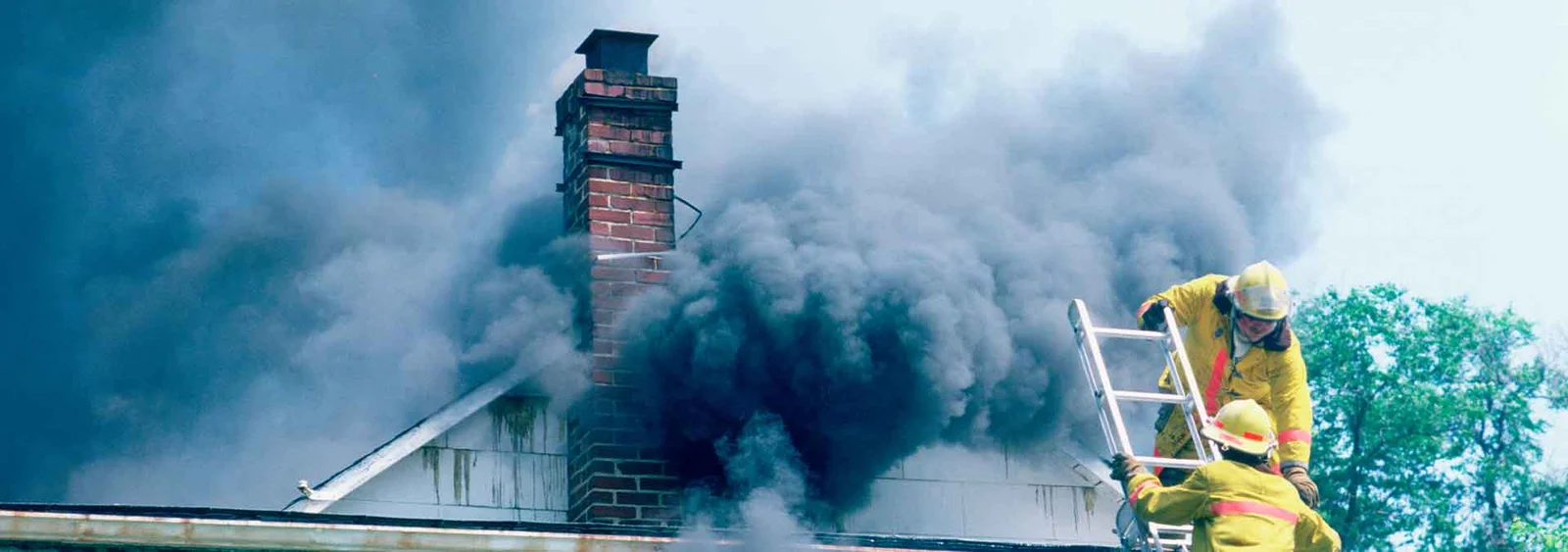
Smoke damage restoration in Broomfield, CO addresses hidden destruction from fires, including soot removal, odor elimination, and HVAC cleaning. Best Option Restoration of Lakewood provides professional services tailored to the area's unique climate and housing characteristics.
- Broomfield's semi-arid climate and low humidity cause soot to spread quickly and bond to surfaces, making prompt professional restoration necessary. Wildfire smoke infiltration and forced-air heating systems can spread contamination throughout homes.
- The restoration process includes emergency response, documentation for insurance, soot removal using specialized techniques, HVAC cleaning, and odor neutralization through thermal fogging or ozone treatment.
- Most Broomfield homes are 15 to 50 years old with open floor plans that allow smoke to travel freely. IICRC-certified technicians provide 24/7 emergency response with direct communication throughout the project.
Smoke damage restoration is the process of removing soot particles from surfaces, neutralizing persistent odors, and restoring a property to safe, livable condition after a fire. This service addresses hidden destruction caused by smoke that travels through rooms, leaving behind residue and damage that extends far beyond visible fire damage.
Overview
Walking into your Broomfield home after a fire – even a small one – can feel overwhelming. The visible flames may be gone, but smoke has traveled through every room, leaving behind residue, odors, and damage that goes far beyond what you can see. Smoke damage restoration addresses this hidden destruction, removing soot particles from surfaces, neutralizing persistent odors, and restoring your property to a safe, livable condition.
Professional intervention matters because smoke behaves unpredictably. It follows air currents, seeps into HVAC systems, and deposits acidic residue on walls, fabrics, and electronics. In Broomfield's semi-arid climate, where homes often feature forced-air heating systems that can spread contamination throughout the structure, expert assessment and remediation become especially critical.
- Complete soot and residue removal from all affected surfaces
- Odor elimination using professional-grade equipment and techniques
- HVAC system cleaning to prevent ongoing contamination
- Content cleaning and restoration for salvageable belongings
Common Issues in Broomfield, CO
When Smoke Damage Peaks in Broomfield
Colorado's peak wildfire season brings smoke infiltration to homes even from distant fires, causing widespread smoke damage throughout the Front Range.
Increased use of fireplaces, wood stoves, and furnaces leads to more indoor smoke damage incidents from malfunctions and chimney fires.
Dry autumn conditions and lingering wildfire activity continue to pose smoke damage risks before winter snowfall arrives.
Broomfield sits at the intersection of urban development and open space, creating unique smoke damage challenges. The city's proximity to both the Front Range foothills and the Denver metropolitan corridor means residents face risks from both structural fires and seasonal wildfire smoke infiltration. When wildfire smoke settles into the Broomfield area, it can penetrate homes through gaps in weatherstripping, open windows, and HVAC intake systems.
The region's low humidity – often dropping below 20% during winter months – affects how smoke residue behaves on surfaces. Dry conditions can cause soot particles to become more airborne and harder to contain, spreading contamination to previously unaffected areas. Meanwhile, Broomfield's temperature swings between day and night can cause expansion and contraction in building materials, allowing smoke particles to penetrate deeper into porous surfaces.
- Wildfire smoke infiltration during late summer and fall fire seasons
- Kitchen fires in newer construction with open floor plans that allow rapid smoke spread
- Electrical fires in homes built during the 1980s-90s development boom
- Furnace malfunctions during cold snaps creating "puff back" soot damage
- Low humidity causing soot to remain airborne longer and spread further
- Altitude-related combustion differences affecting smoke composition
Warning signs that indicate professional restoration is needed include persistent smoky odors that return after cleaning, yellowish discoloration on walls and ceilings, and respiratory irritation that worsens when spending time indoors.
How Best Option Restoration of Lakewood Can Help
Our restoration process begins the moment you contact us. We prioritize clear communication from the first phone call, explaining what to expect and answering your questions before our team arrives.
Our Step-by-Step Restoration Process
- Emergency response and initial property assessment to determine smoke damage extent
- Securing the property and addressing any immediate safety concerns
- Comprehensive documentation of all damage for insurance purposes
- Containment setup to prevent cross-contamination to unaffected areas
- Soot and residue removal using specialized cleaning techniques
- HVAC system inspection, cleaning, and filter replacement
- Odor neutralization through thermal fogging, ozone treatment, or hydroxyl generation
- Content cleaning and pack-out services for affected belongings
- Final walkthrough and air quality verification
Techniques and Methods
Different types of smoke require different cleaning approaches. We assess the fire source to determine the appropriate method:
- Dry sponge cleaning for light, dry smoke residue
- Wet cleaning with specialized solutions for protein-based smoke from kitchen fires
- HEPA vacuuming for loose soot particles before wet cleaning
- Ultrasonic cleaning for electronics and delicate items
- Air scrubbing with HEPA filtration throughout the restoration process
Throughout every phase, we keep you informed. You'll know what we're doing, why we're doing it, and what comes next. No surprises, no confusion – just honest updates as we restore your property.
Insurance & Documentation
Smoke damage claims can become complicated quickly. Insurance adjusters need specific documentation to process your claim efficiently, and missing information often leads to delays or reduced settlements. We work alongside your insurance company, providing the detailed records they require while advocating for complete restoration of your property.
Our documentation process begins during the initial assessment and continues through project completion:
- Photographic and video documentation of all affected areas before work begins
- Detailed inventory of damaged contents with condition assessments
- Moisture and air quality readings throughout the restoration process
- Written scope of work outlining all necessary restoration activities
- Daily progress reports and completion documentation
- Itemized invoicing that aligns with insurance industry standards
Our technicians hold IICRC certifications in fire and smoke restoration, meeting the industry standards that insurance companies recognize. We maintain all required licensing and insurance coverage for restoration work in Broomfield and throughout the Denver metropolitan area.
Why Choose Best Option Restoration of Lakewood
Local presence makes a difference when smoke damage strikes. Our team responds quickly to Broomfield properties because we know the area – the neighborhoods, the common building types, and the specific challenges that Colorado's climate creates for restoration work. We're not dispatching from across the state; we're your neighbors.
Our commitment to transparency sets us apart. You'll receive regular updates throughout the restoration process, and our team members will explain their work in terms you can understand. We answer our phones, return calls promptly, and treat your property with the respect it deserves.
- IICRC-certified technicians trained specifically in fire and smoke restoration
- 24/7 emergency response availability for Broomfield and surrounding communities
- Direct communication with project managers – no call centers or runaround
- Advanced equipment including thermal foggers, ozone generators, and air scrubbers
- Satisfaction guarantee with follow-up inspections after project completion
Housing Characteristics & Smoke Damage Restoration Considerations
Broomfield experienced its most significant residential development between 1970 and 2010, with major building booms occurring in the 1980s and again in the early 2000s. This means most homes in the area are 15 to 50 years old, featuring construction methods and materials that present specific considerations for smoke damage restoration.
Single-family homes dominate Broomfield's housing stock, with average sizes ranging from 1,800 to 2,500 square feet. Many properties feature open floor plans – particularly those built after 1990 – which allows smoke to travel freely throughout living spaces during a fire event. Newer developments in areas like Interlocken and Anthem include multi-story homes with complex HVAC systems that require thorough inspection and cleaning after smoke exposure.
Construction-Specific Restoration Factors
- Homes built in the 1970s-80s often contain textured ceilings that trap soot and require specialized cleaning techniques
- Vinyl siding common in 1990s construction can absorb smoke odors and may need replacement
- Newer homes with spray foam insulation may trap smoke particles in wall cavities
- Basement finish-outs popular in the area add square footage where smoke can settle
- Attached garages – standard in Broomfield homes – often serve as fire origin points affecting the main structure
The prevalence of forced-air heating systems throughout Broomfield homes means smoke contamination rarely stays contained to the fire's origin point. Ductwork acts as a distribution system, carrying soot particles and odors to every room the HVAC system serves.
Environmental Conditions & Smoke Damage Restoration Implications
Broomfield's high-altitude location at approximately 5,400 feet elevation creates environmental conditions that directly impact smoke damage restoration. The thin, dry air means humidity levels frequently drop below 30%, particularly during winter months. Low humidity causes smoke residue to dry quickly onto surfaces, making removal more challenging if restoration doesn't begin promptly.
Air quality in Broomfield varies seasonally. The Denver-Boulder metropolitan area experiences periodic ozone alerts during summer months, and wildfire smoke from regional fires can significantly degrade air quality during late summer and fall. These conditions mean Broomfield residents may already have compromised indoor air quality before a fire event occurs, making thorough restoration even more critical.
Climate Factors Affecting Restoration
- Low humidity accelerates soot bonding to surfaces, requiring faster response times
- Temperature swings of 30-40 degrees daily cause materials to expand and contract, allowing smoke penetration
- Intense UV radiation at altitude can interact with smoke residue, causing accelerated discoloration
- Dry conditions increase static electricity, causing soot particles to cling to surfaces
- Winter inversions can trap smoke and odors in the Broomfield area for extended periods
Water quality in Broomfield comes from a combination of surface water and groundwater sources, treated to meet all federal standards. For restoration purposes, this means our cleaning solutions work effectively without mineral interference that can occur in areas with harder water.
Population Characteristics & Smoke Damage Restoration Considerations
Broomfield's population of approximately 75,000 residents represents a primarily suburban community with above-average household incomes. The median household income exceeds $100,000, reflecting the area's strong employment base in technology, healthcare, and professional services. Many residents commute to Denver, Boulder, or work at major employers like Ball Corporation and Oracle.
This demographic profile influences smoke damage restoration needs in several ways. Higher-income households typically contain more valuable personal property – electronics, artwork, furniture – that requires careful content restoration. Dual-income households often mean properties sit unoccupied during work hours, potentially allowing fire and smoke damage to progress before discovery.
Community Factors Affecting Service Needs
- High percentage of homeowners (versus renters) increases investment in thorough restoration
- Families with children prioritize rapid restoration to minimize displacement
- Home office spaces common in post-2020 Broomfield contain expensive electronics requiring specialized cleaning
- Active outdoor lifestyle means residents store recreational equipment that can be affected by smoke
- Growing senior population in established neighborhoods may need additional support during restoration process
Broomfield's diverse population includes residents who relocated from other states and may be unfamiliar with Colorado's specific fire risks and restoration requirements. We take time to explain our process clearly, ensuring every homeowner understands what's happening with their property.
Fire Incidents and Wildfire Risk in Broomfield
Broomfield's fire risk profile combines urban structural fire potential with increasing wildfire exposure. The Marshall Fire of December 2021 – which destroyed over 1,000 structures in neighboring Boulder County – demonstrated how quickly grass fires can threaten Front Range communities. While Broomfield escaped major damage, the event highlighted vulnerabilities that many residents hadn't previously considered.
North Metro Fire Rescue District, which serves Broomfield, responds to hundreds of fire-related calls annually. Structure fires, vehicle fires, and cooking incidents represent the majority of responses, with kitchen fires being the most common cause of residential smoke damage in the area.
Local Fire Statistics and Trends
- Cooking equipment causes approximately 50% of residential fires in the Denver metro area
- Heating equipment fires increase significantly during November through February
- Electrical fires represent a growing concern in homes built before updated code requirements
- Wildfire smoke infiltration events have increased over the past decade
- The wildland-urban interface along Broomfield's western edge creates elevated exposure risk
Colorado's fire season has expanded in recent years, with significant fire activity now possible from late spring through early winter. This extended season means Broomfield residents face smoke exposure risks for much of the year, whether from local structure fires or regional wildfire events that send smoke plumes across the Front Range.
Understanding these local fire patterns helps our team anticipate the types of smoke damage we'll encounter. A kitchen grease fire produces different residue than a wildfire smoke infiltration event, and our restoration approach adapts accordingly. We stay current with regional fire activity and adjust our response protocols based on conditions affecting Broomfield and surrounding communities.
Weather & Alerts in Broomfield, CO
Current Conditions
Temp: 62°F · Feels like: 61°F
Humidity: 62% · Wind: 5 mph
Emergency Alerts
No active alerts.
Smoke Damage Restoration in Other Service Areas
Useful Numbers
- Life-threatening emergencies
- 911
- Poison Control
- 1-800-222-1222
- Suicide Prevention Lifeline
- 988
- Police (non-emergency)
- Visit your local police department website
- Fire Department (non-emergency)
- Check the Broomfield city website
- City Hall
- Available on the official Broomfield government website
- Non-Emergency Services
- Call 311 if available in your area
Always verify numbers from official city/county websites.