
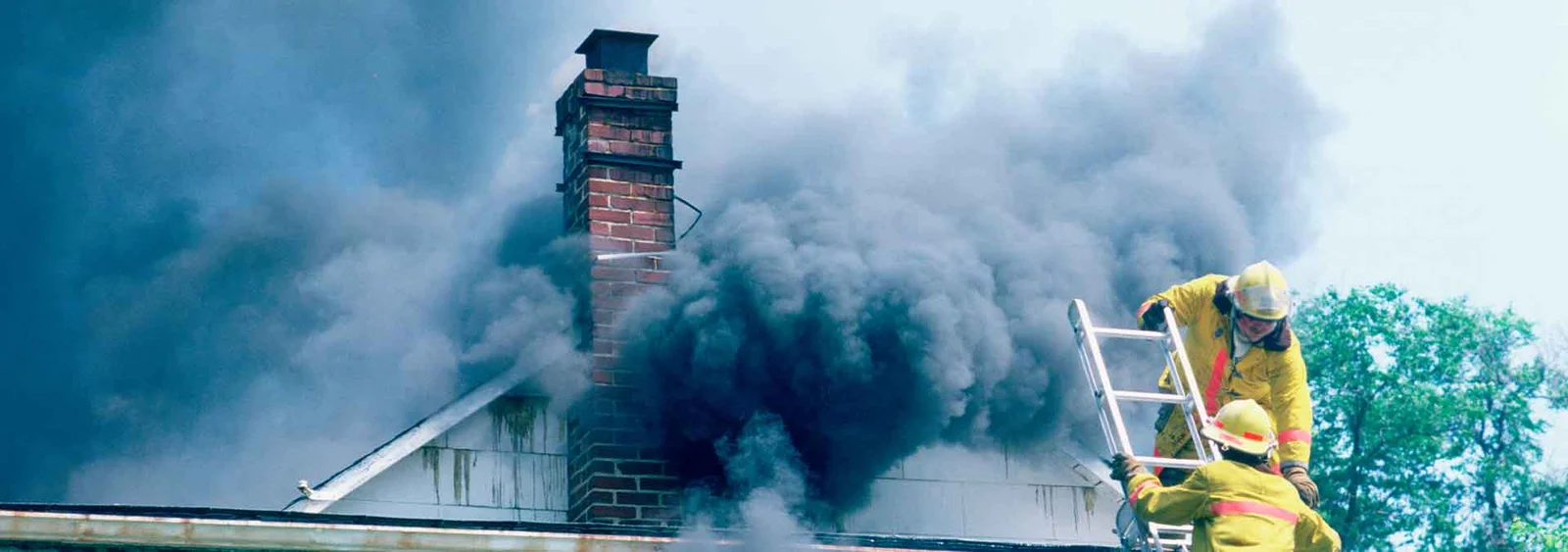
Best Option Restoration of Lakewood provides smoke damage restoration services for Genesee, CO, a mountain community at 7,800 feet elevation where wildfire smoke, chimney backdrafts, and unique climate conditions create distinct restoration challenges.
- Smoke damage restoration includes soot removal, neutralization of acidic residues, air quality restoration, and HVAC cleaning using HEPA filtration, thermal fogging, and ozone treatment.
- Genesee homes built between 1970 and 2000 feature wood-frame construction, cathedral ceilings, and multi-level designs that allow smoke particles to spread and accumulate in hidden spaces.
- The company offers 24/7 emergency response, IICRC-certified technicians, insurance documentation support, and follow-up testing to confirm complete odor elimination.
Smoke damage restoration in Genesee, CO is a professional service that addresses the unique challenges of removing smoke residue, odors, and contamination from homes in this high-elevation mountain community. Due to the area's location among ponderosa pines at over 7,500 feet, restoration requires specialized techniques to clean surfaces, eliminate persistent smoke odors, and restore properties affected by structure fires or nearby wildfires.
Overview
Waking up to the lingering smell of smoke after a fire – whether from your own property or carried by mountain winds from a nearby wildfire – creates an immediate sense of urgency. In Genesee, where homes sit nestled among ponderosa pines at elevations exceeding 7,500 feet, smoke damage presents unique restoration challenges that demand professional attention.
Smoke damage restoration involves far more than eliminating odors. The process addresses soot removal from surfaces, neutralization of acidic residues that corrode materials over time, air quality restoration, and structural cleaning that reaches hidden spaces where smoke particles settle. Professional intervention matters because smoke particles measure less than one micron – invisible to the naked eye yet capable of penetrating porous materials, ductwork, and insulation throughout your home.
- Rapid assessment prevents ongoing corrosion from acidic soot compounds
- Specialized equipment reaches smoke particles embedded in walls, ceilings, and HVAC systems
- Professional-grade deodorization eliminates odors at the molecular level rather than masking them
- Proper restoration protects your mountain home's value and your family's respiratory health
Common Issues in Genesee, CO
When Smoke Damage Peaks in Genesee
Colorado's peak wildfire season brings smoke infiltration to mountain homes, even from distant fires affecting air quality and interiors.
After wildfire season ends, homeowners assess and address accumulated smoke damage from summer fire events.
Wood stove and fireplace use in this mountain community increases indoor smoke damage incidents from backdrafts and chimney issues.
Genesee residents face smoke damage scenarios that differ significantly from urban Front Range communities. The wildland-urban interface location means wildfire smoke regularly impacts properties even when flames remain miles away. Smoke from distant fires infiltrates homes through gaps, ventilation systems, and open windows, leaving behind fine particulate matter that settles on every surface.
The mountain climate creates additional complications. Temperature inversions common during fall and winter trap smoke in valleys and against hillsides, prolonging exposure periods. Homes built to withstand harsh winters often feature tight construction that, while energy-efficient, can trap smoke particles inside once they enter. Wood-burning fireplaces and stoves – popular heating supplements at this elevation – occasionally malfunction or backdraft during high-wind events.
- Wildfire smoke infiltration from regional fires affecting air quality for days or weeks
- Chimney backdrafts during sudden pressure changes common at high altitude
- Kitchen fires in homes with limited ventilation during winter months
- Electrical fires from aging systems in properties built during the 1970s-1990s development boom
- Vehicle or equipment fires in attached garages spreading smoke throughout living spaces
- Smoke damage from neighboring properties in the close-knit mountain community
Warning signs that smoke damage requires professional attention include persistent odors that return after cleaning, yellowish discoloration on walls or ceilings, respiratory irritation among family members, and visible soot accumulation in HVAC registers or on light fixtures.
How Best Option Restoration of Lakewood Can Help
Our smoke damage restoration process addresses both visible contamination and hidden particle infiltration throughout your Genesee property.
Assessment and Planning
- Emergency response team arrives to evaluate smoke penetration extent and type
- Thermal imaging and air quality testing identify affected areas including hidden spaces
- Detailed restoration plan created based on smoke source, duration of exposure, and materials affected
- Documentation prepared for insurance purposes with photographs and written assessments
Active Restoration Phase
Once assessment concludes, our technicians implement targeted cleaning and deodorization protocols.
- HEPA air filtration devices capture airborne particles throughout the restoration process
- Dry sponge and chemical sponge techniques remove soot from walls and ceilings without spreading
- Ultrasonic cleaning restores smoke-damaged contents including electronics, artwork, and personal items
- Hydroxyl generators and thermal fogging neutralize odors embedded in porous materials
- HVAC system cleaning removes particles from ductwork, filters, and mechanical components
- Ozone treatment in unoccupied spaces addresses severe odor penetration
Quality Verification
Before completing any project, we conduct air quality testing to confirm particulate levels have returned to safe thresholds. Our team walks through the property with you, addressing any remaining concerns and providing guidance on maintaining air quality going forward. We schedule follow-up contact to ensure odors haven't returned and your family remains comfortable in your restored home.
Insurance & Documentation
Smoke damage claims require thorough documentation to demonstrate the extent of contamination and justify restoration costs. Our team understands what insurance adjusters need and prepares comprehensive records from the moment we arrive.
- Timestamped photographs documenting all affected areas before restoration begins
- Air quality readings establishing baseline contamination levels
- Detailed inventory of damaged contents with estimated replacement values
- Written scope of work outlining all restoration procedures performed
- Daily progress reports tracking work completed and materials used
- Final testing results confirming successful restoration
We communicate directly with your insurance company when authorized, providing adjusters with the technical information they need to process claims efficiently. Our IICRC-certified technicians follow industry-standard protocols that insurance companies recognize and accept. This certification matters because it demonstrates our procedures meet established guidelines for smoke and fire damage restoration.
For Genesee residents dealing with wildfire-related smoke damage, we can help document whether contamination resulted from a single event or cumulative exposure – a distinction that sometimes affects coverage determinations.
Why Choose Best Option Restoration of Lakewood
Serving the greater Lakewood area including mountain communities like Genesee, our team brings both technical expertise and local understanding to every smoke damage project. We maintain IICRC certifications in fire and smoke restoration, ensuring our methods reflect current industry best practices.
Response time matters when smoke particles are actively corroding surfaces and embedding in materials. Our 24/7 availability means Genesee residents can reach us immediately – not during business hours tomorrow, but right now when damage is occurring.
- Technicians experienced with high-altitude restoration challenges specific to mountain properties
- Commercial-grade equipment capable of addressing large custom homes common in Genesee
- Direct communication with property owners throughout the restoration process
- Follow-up protocols ensuring complete odor elimination rather than temporary masking
We understand that your Genesee home represents more than an investment – it's where your family breathes, sleeps, and lives. Our restoration work reflects that understanding.
Housing Characteristics & Smoke Damage Restoration Considerations
Genesee's housing stock reflects its development as an exclusive mountain residential community beginning in the late 1960s and continuing through the present day. Most properties were constructed between 1970 and 2000, with custom builds continuing on remaining lots. These homes typically range from 2,500 to 5,000 square feet – substantially larger than metro Denver averages – with open floor plans, vaulted ceilings, and multiple levels built into hillside terrain.
Construction Materials and Smoke Damage Implications
- Wood-frame construction with cedar or pine siding absorbs smoke particles readily
- Stone and masonry accent features require specialized cleaning to prevent etching
- Large window installations allow smoke infiltration around aging seals
- Cathedral ceilings create upper-level smoke accumulation zones requiring lift equipment
- Finished basements and walkout lower levels expand total affected square footage
Homes from the 1970s and 1980s often contain materials that interact problematically with smoke – including certain insulation types and original HVAC systems that distribute particles throughout the structure. Properties built before 1978 may have lead paint that requires careful handling if smoke damage necessitates surface preparation. The prevalence of wood-burning fireplaces and stoves means many Genesee homes have existing soot accumulation that complicates assessment of new smoke damage.
Multi-level construction typical in this terrain means smoke rises and concentrates in upper floors and loft spaces, often requiring more intensive treatment in bedrooms and home offices located on upper levels.
Environmental Conditions & Smoke Damage Restoration Implications
Genesee sits at approximately 7,800 feet elevation within Jefferson County, experiencing a semi-arid mountain climate that directly impacts smoke damage restoration approaches. Annual precipitation averages around 18 inches, with low humidity levels – typically between 30-50% – prevailing throughout the year. This dry air affects how quickly smoke residues cure onto surfaces and influences deodorization strategies.
Climate Factors Affecting Restoration
- Low humidity accelerates soot adhesion to surfaces, requiring faster response times
- Temperature swings exceeding 40 degrees in a single day stress building materials
- Extended UV exposure at altitude breaks down smoke-damaged exterior finishes
- Winter inversions trap smoke in the Genesee area for extended periods
- Dry conditions increase wildfire risk throughout the surrounding forest
Air quality in Genesee fluctuates significantly based on regional wildfire activity. The community's location along the I-70 corridor means smoke from fires anywhere in Colorado's mountains can affect local properties. During active fire seasons, particulate matter levels regularly exceed EPA healthy thresholds, infiltrating homes even without direct fire exposure.
The forested environment surrounding most Genesee properties creates additional considerations. Pine pollen and organic debris combine with smoke particles, and the proximity of vegetation to structures means exterior cleaning must address both smoke residue and natural accumulation. Well water – common in this unincorporated area – requires testing after significant smoke events to ensure particulates haven't entered water systems through compromised well caps or infiltration.
Population Characteristics & Smoke Damage Restoration Considerations
Genesee maintains a small, affluent population of approximately 3,500 residents across its unincorporated area. Median household incomes significantly exceed state and national averages, reflecting the community's status as an established mountain residential enclave. Most residents are homeowners rather than renters, with strong investment in property maintenance and value preservation.
Demographic Factors Influencing Service Needs
- High homeownership rates mean property owners make restoration decisions directly
- Above-average incomes support comprehensive restoration rather than minimal repairs
- Many residents work remotely or commute to Denver, requiring minimal disruption during restoration
- Significant population of retirees and semi-retirees with flexible schedules for project coordination
- Strong community networks facilitate referrals and shared experiences with service providers
The population skews older than metro Denver averages, with many households consisting of empty-nesters who downsized from larger metro properties or longtime residents who raised families in Genesee. This demographic often prioritizes thorough, high-quality restoration work over speed or minimal cost – understanding that proper smoke damage remediation protects both health and property values.
Many Genesee residents maintain primary residences elsewhere, using mountain properties as second homes or weekend retreats. This pattern means smoke damage sometimes goes undetected for days or weeks, allowing particles to penetrate more deeply into materials. It also means restoration scheduling must accommodate owners who may not be present locally throughout the project.
Wildfire Risk and Smoke Exposure in Genesee
Genesee's location within Colorado's wildland-urban interface places it among the state's higher-risk communities for wildfire-related smoke damage. The Colorado State Forest Service classifies much of the Genesee area as moderate to high wildfire risk, with dense ponderosa pine and Douglas fir forests surrounding residential properties.
Recent Wildfire Impact Data
- The 2020 Cameron Peak Fire – Colorado's largest recorded wildfire – sent smoke into Genesee for weeks
- 2021 Marshall Fire smoke reached mountain communities despite the fire's location east of Boulder
- Multiple smaller fires annually within Jefferson County affect local air quality
- Genesee Mountain Park prescribed burns occasionally impact adjacent residential areas
- I-70 corridor vehicle fires create localized smoke events affecting nearby properties
Jefferson County records indicate fire department responses to structure fires in mountain communities average higher property damage than flatland equivalents – largely due to response time challenges on winding mountain roads and limited water availability. For Genesee residents, this reality underscores the importance of rapid professional response when smoke damage occurs.
The community participates in Firewise USA recognition programs, with many residents maintaining defensible space around structures. However, these efforts address flame exposure rather than smoke infiltration. Even properties with excellent fire mitigation remain vulnerable to smoke damage from fires that never directly threaten structures. Air quality monitoring data from nearby stations shows Genesee regularly experiences "Unhealthy for Sensitive Groups" or worse readings during active fire seasons – conditions that introduce smoke particles into homes through normal ventilation.
Understanding this regional context helps Genesee residents recognize that smoke damage restoration isn't just about recovering from house fires. Wildfire smoke exposure represents an ongoing concern requiring professional assessment whenever extended smoke events occur or when returning to properties after evacuation orders.
Weather & Alerts in Genesee, CO
Current Conditions
Temp: 57°F · Feels like: 57°F
Humidity: 94% · Wind: -
Emergency Alerts
No active alerts.
Smoke Damage Restoration in Other Service Areas
Useful Numbers
- Life-threatening emergencies
- 911
- Poison Control
- 1-800-222-1222
- Suicide Prevention Lifeline
- 988
- Police (non-emergency)
- Visit your local police department website
- Fire Department (non-emergency)
- Check the Genesee city website
- City Hall
- Available on the official Genesee government website
- Non-Emergency Services
- Call 311 if available in your area
Always verify numbers from official city/county websites.