
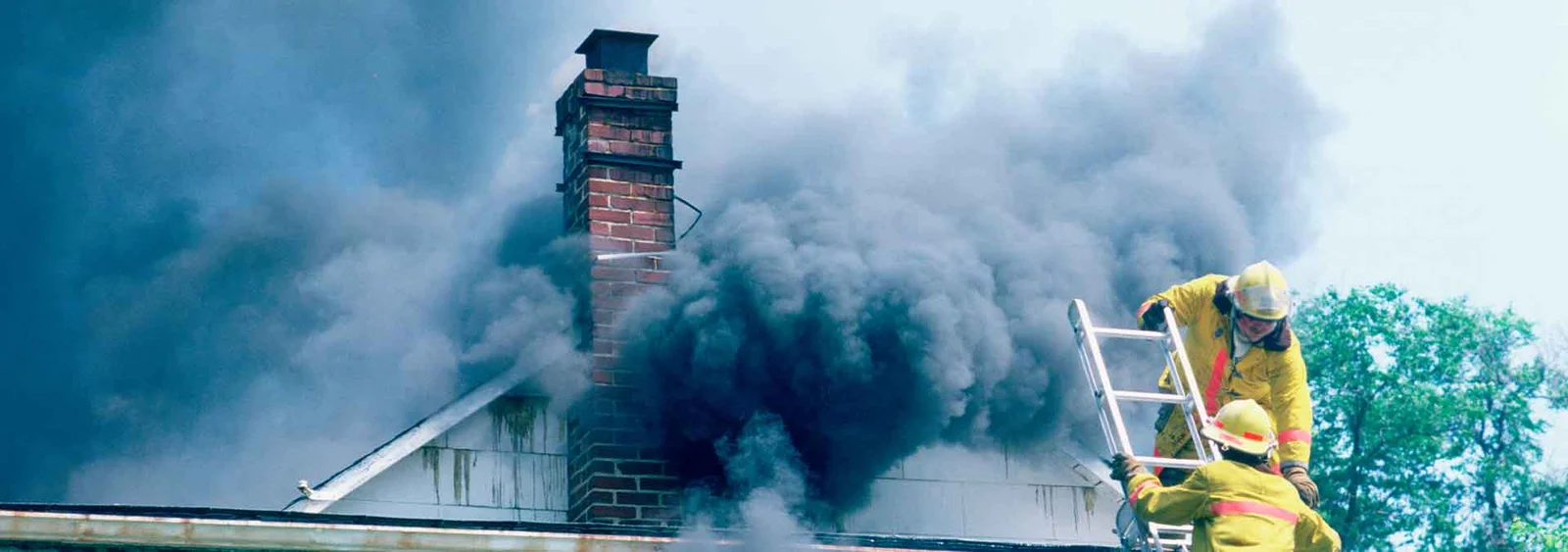
About 70% of smoke damage occurs in areas fire never directly touched, as particles travel through HVAC systems and settle into hidden spaces. Best Option Restoration of Lakewood provides smoke damage restoration services throughout Wheat Ridge, CO.
- Smoke particles penetrate porous materials and ductwork, creating damage beyond visible char marks. Colorado's semi-arid climate causes residue to set quickly into surfaces, making prompt professional response valuable.
- The restoration process includes soot removal, odor neutralization through thermal fogging or ozone treatment, HVAC cleaning, and content restoration. Multiple specialized techniques address different surface types.
- Wheat Ridge homes built between 1950 and 1980 present specific challenges due to plaster walls, original hardwood floors, and aging HVAC systems. The company provides 24/7 emergency response and works directly with insurance adjusters.
Smoke damage restoration is the process of cleaning, deodorizing, and repairing property affected by smoke particles after a fire. This service is needed because approximately 70% of smoke damage occurs in areas fire never directly touched. Smoke travels through HVAC systems, penetrates porous materials like fabrics and drywall, and settles into hidden spaces - creating widespread damage beyond visible burn marks.
Overview
Approximately 70% of smoke damage occurs in areas of a home that fire never directly touched – a startling reality that catches many Wheat Ridge property owners off guard after a fire incident. Smoke particles travel through HVAC systems, penetrate porous materials, and settle into hidden spaces, creating damage that extends far beyond visible char marks.
Smoke damage restoration involves the systematic removal of soot, odor neutralization, and structural cleaning following fire events. This specialized process addresses both visible residue and invisible particulates that embed themselves in walls, fabrics, ductwork, and personal belongings. Colorado's semi-arid climate creates unique challenges, as low humidity can cause smoke residue to set more quickly into surfaces, making prompt professional intervention particularly valuable in Wheat Ridge.
- Complete soot and residue removal from all affected surfaces using specialized techniques
- Odor elimination through thermal fogging, ozone treatment, and hydroxyl generation
- HVAC system cleaning to prevent smoke particle recirculation throughout your property
- Content cleaning and restoration for salvageable personal belongings and furnishings
Professional smoke damage restoration matters because improper cleaning methods can permanently set stains and odors into materials. Wheat Ridge homes, many built during mid-century construction booms, often contain materials that require specialized knowledge to clean without causing additional damage.
Common Issues in Wheat Ridge, CO
When Smoke Damage Peaks in Wheat Ridge
Colorado's peak wildfire season brings smoke infiltration to homes even from distant fires, causing odor and residue damage.
Increased use of fireplaces, wood stoves, and furnaces leads to more indoor fire and smoke damage incidents.
Christmas trees, candles, and cooking-related fires spike during the holiday season, requiring smoke restoration.
Best Option Restoration of Lakewood provides Smoke Damage Restoration services in all neighborhoods of Wheat Ridge including Applewood Lane, Kipling Villiage, Outlook Clear Creek, The Ridge, and Vista Village.
Wheat Ridge sits at approximately 5,400 feet elevation along Clear Creek, where dry conditions and seasonal wind patterns create specific smoke damage challenges. The Front Range's characteristic low humidity – often dropping below 20% during winter months – accelerates smoke residue adhesion to surfaces. When smoke particles land on materials in dry conditions, they bond more rapidly than in humid environments, narrowing the window for effective cleaning.
Seasonal wildfire smoke from mountain fires adds another layer of concern for Wheat Ridge residents. Even homes miles from active fires can experience smoke infiltration through windows, doors, and ventilation systems during summer fire seasons. This ambient smoke exposure compounds damage from any direct fire events.
- Dry winter air causes smoke residue to set into fabrics and porous surfaces within hours rather than days
- Temperature fluctuations between day and night can cause smoke odors to intensify as materials expand and contract
- Older HVAC systems common in mid-century Wheat Ridge homes spread smoke particles throughout entire structures
- Basement and crawl space configurations trap smoke in lower levels, requiring specialized extraction
- Stucco and brick exteriors prevalent in the area absorb smoke odors that re-release during temperature changes
- Wildfire season smoke infiltration creates cumulative damage that worsens existing fire-related issues
Warning signs that indicate professional smoke damage restoration is needed include persistent smoky odors despite cleaning, visible discoloration on walls or ceilings, respiratory irritation when inside the property, and HVAC systems that seem to spread odors when running. Yellowing of white surfaces and oily residue on hard surfaces also signal the presence of smoke damage requiring professional attention.
How Best Option Restoration of Lakewood Can Help
Our smoke damage restoration process begins with a thorough assessment that goes beyond surface-level inspection. We examine hidden spaces, test air quality, and evaluate the extent of smoke penetration throughout your Wheat Ridge property.
Our Step-by-Step Restoration Process
- Emergency response and initial assessment – documenting all visible and hidden smoke damage throughout the structure
- Containment and protection – sealing unaffected areas to prevent cross-contamination during cleaning
- Air quality management – deploying air scrubbers and negative air machines to capture airborne particles
- Soot and residue removal – using dry cleaning sponges, HEPA vacuuming, and wet cleaning methods appropriate to each surface
- Odor neutralization – applying thermal fogging, ozone treatment, or hydroxyl generation based on damage severity
- HVAC system cleaning – removing smoke particles from ductwork, filters, and mechanical components
- Content cleaning and pack-out – restoring salvageable belongings either on-site or at our facility
- Final inspection and air quality testing – verifying complete smoke removal before project completion
Specialized Techniques We Employ
- Dry sponge cleaning for light soot on painted surfaces and wallpaper
- Wet cleaning with pH-balanced solutions for heavy residue on washable surfaces
- Ultrasonic cleaning for delicate items and electronics
- Hydroxyl generators for occupied spaces requiring continuous odor treatment
- Thermal fogging to penetrate porous materials with odor-neutralizing agents
Throughout the restoration process, we maintain clear communication with property owners. You receive regular updates on progress, explanations of each phase, and documentation for your records. Our quality control procedures include multiple inspections and air quality testing to verify complete smoke removal before we consider any project finished.
Insurance & Documentation
Smoke damage claims require thorough documentation from the moment damage is discovered. We understand the stress of navigating insurance processes while dealing with property damage, and our team works to simplify this burden through comprehensive record-keeping.
Our documentation process supports your claim with detailed evidence that insurance adjusters need to process your case efficiently.
- Photographic and video documentation of all affected areas before, during, and after restoration
- Detailed inventory of damaged contents with condition assessments
- Air quality testing results showing particulate levels and odor measurements
- Written scope of work outlining all restoration procedures performed
- Material and equipment logs documenting resources used throughout the project
- Timeline records showing response time and project progression
Best Option Restoration of Lakewood maintains IICRC certification – the industry standard for restoration professionals. We work directly with insurance adjusters, providing them with the technical documentation they require. Our team understands insurance terminology and claim requirements, helping bridge communication between you and your insurance provider. All work follows industry standards and local building codes, ensuring your restoration meets the requirements for claim approval.
Why Choose Best Option Restoration of Lakewood
Our team brings IICRC-certified expertise specifically trained in smoke and fire damage restoration. We maintain 24/7 availability because smoke damage worsens with every passing hour – rapid response prevents permanent staining and reduces overall restoration scope.
Local knowledge matters significantly in smoke damage restoration. We understand Wheat Ridge's housing stock, from the ranch homes along 44th Avenue to the split-levels near Prospect Park. This familiarity with local construction methods and materials allows us to anticipate challenges and apply appropriate techniques from the start.
- Response teams positioned to reach Wheat Ridge properties quickly day or night
- Advanced equipment including thermal foggers, hydroxyl generators, and air scrubbers
- Direct insurance billing to reduce your administrative burden
- Satisfaction follow-up procedures ensuring odors don't return after restoration
- Transparent communication throughout every phase of your project
We treat every Wheat Ridge property as if it were our own, combining technical expertise with genuine care for the families and businesses we serve.
Housing Characteristics & Smoke Damage Restoration Considerations
Wheat Ridge's housing stock reflects its development history as a post-war suburban community. The majority of homes were constructed between 1950 and 1980, with significant building activity during the 1960s and early 1970s. This means most properties are now 45 to 75 years old – an age range that presents specific considerations for smoke damage restoration.
Single-family homes dominate the Wheat Ridge landscape, typically ranging from 1,000 to 2,000 square feet. Ranch-style and split-level designs are particularly common, featuring open floor plans that allow smoke to travel freely between living spaces. Many homes include finished basements, adding square footage that smoke particles readily infiltrate.
Construction Materials and Smoke Damage Implications
- Plaster walls in older homes absorb smoke deeply and require specialized cleaning approaches different from drywall
- Original hardwood floors under carpeting can trap smoke odors between layers
- Single-pane windows common in pre-1980 homes allow more smoke infiltration from exterior sources
- Original HVAC ductwork often contains seams and connections that accumulate soot
- Brick and stucco exteriors absorb smoke odors that release during temperature fluctuations
Many Wheat Ridge homes have undergone renovations over the decades, creating mixed construction with varying materials throughout single structures. This requires careful assessment to identify appropriate cleaning methods for each surface type. Older insulation materials, original window glazing, and aging HVAC systems all factor into comprehensive smoke damage restoration planning for Wheat Ridge properties.
Environmental Conditions & Smoke Damage Restoration Implications
Wheat Ridge experiences the Front Range's characteristic semi-arid climate, with annual precipitation averaging around 15 inches and humidity levels frequently dropping below 30%. These dry conditions significantly impact smoke damage restoration – low humidity causes smoke residue to bond with surfaces more rapidly and set more permanently than in humid climates.
Air quality in Wheat Ridge fluctuates seasonally. Summer months bring wildfire smoke from mountain fires, while winter inversions can trap pollutants along the Front Range corridor. The Denver metropolitan area's air quality occasionally reaches unhealthy levels during these events, adding ambient smoke exposure to any direct fire damage.
Environmental Factors Affecting Restoration
- Low humidity accelerates smoke residue adhesion, requiring faster response times
- Temperature swings of 30-40 degrees daily cause materials to expand and contract, releasing trapped odors
- Alkaline soils common in Jefferson County can affect foundation materials and basement environments
- Clear Creek corridor influences local air movement patterns and smoke dispersal
- High UV exposure at elevation can interact with smoke residue on exterior surfaces
Colorado's environmental regulations require proper disposal of smoke-damaged materials and cleaning solutions. Our restoration processes comply with state and local environmental standards, including proper handling of any hazardous materials encountered in older Wheat Ridge homes. The region's water quality – primarily sourced from mountain snowmelt through Denver Water – is suitable for cleaning applications, though we use filtration systems for sensitive restoration work requiring pure water.
Population Characteristics & Smoke Damage Restoration Considerations
Wheat Ridge maintains a population of approximately 32,000 residents with a distinctly suburban character. The community has experienced demographic shifts in recent decades, with an aging population that has lived in their homes for extended periods alongside younger families attracted by relative affordability compared to Denver proper.
Median household income in Wheat Ridge hovers around $55,000 to $65,000 – slightly below the Denver metropolitan average but representing stable, working and middle-class households. Many residents work in healthcare, retail, and service industries, with significant employment at nearby Lutheran Medical Center and along the Wadsworth Boulevard commercial corridor.
Population Factors Influencing Service Needs
- Long-term homeowners often have accumulated belongings requiring extensive content cleaning
- Aging population may have mobility considerations during restoration projects
- Working households need flexible scheduling for inspections and project updates
- Diverse household compositions include multi-generational families with varied needs
- Pet ownership rates affect restoration approaches – animals are particularly sensitive to smoke residue
The community's economic profile means many residents carry standard homeowner's insurance but may face deductibles that make restoration costs a significant concern. We work with Wheat Ridge homeowners to maximize insurance coverage and provide transparent pricing. The area's mix of retirees and working families means we encounter varied schedules and availability – our team adapts communication and scheduling to accommodate each household's circumstances while maintaining restoration timelines that prevent additional damage.
Fire Incident Data and Risk Factors in Wheat Ridge
Jefferson County, which includes Wheat Ridge, responds to hundreds of structure fires annually. The Wheat Ridge Fire Protection District and mutual aid agreements with surrounding departments handle fire emergencies throughout the community. Historical data indicates residential fires peak during winter months when heating systems operate continuously and holiday decorations increase fire risks.
Several factors contribute to fire and smoke damage risk specifically in Wheat Ridge properties.
- Aging electrical systems in homes built before 1980 represent a leading cause of residential fires
- Older heating equipment – including original furnaces and space heaters – increases fire risk during cold months
- Attached garages common in Wheat Ridge home designs allow fire and smoke to spread into living areas
- Wildland-urban interface areas along the western portions of Wheat Ridge face elevated wildfire exposure
- Kitchen fires remain the most common cause of residential smoke damage across all neighborhoods
The Colorado Division of Fire Prevention and Control reports that smoke damage frequently exceeds direct fire damage in residential incidents. Properties near Wheat Ridge's commercial corridors along 38th Avenue and Wadsworth Boulevard may also experience smoke exposure from commercial building fires. The community's proximity to I-70 and major transportation routes means vehicle fires occasionally affect nearby residential properties as well.
Understanding these local risk factors helps Wheat Ridge property owners recognize the value of rapid smoke damage response. Whether damage results from a kitchen incident, heating equipment malfunction, or wildfire smoke infiltration, prompt professional restoration prevents permanent damage and protects your property's long-term value.
Weather & Alerts in Wheat Ridge, CO
Current Conditions
Temp: 67°F · Feels like: 65°F
Humidity: 39% · Wind: 2 mph
Emergency Alerts
No active alerts.
Smoke Damage Restoration in Other Service Areas
Useful Numbers
- Life-threatening emergencies
- 911
- Poison Control
- 1-800-222-1222
- Suicide Prevention Lifeline
- 988
- Police (non-emergency)
- Visit your local police department website
- Fire Department (non-emergency)
- Check the Wheat Ridge city website
- City Hall
- Available on the official Wheat Ridge government website
- Non-Emergency Services
- Call 311 if available in your area
Always verify numbers from official city/county websites.