
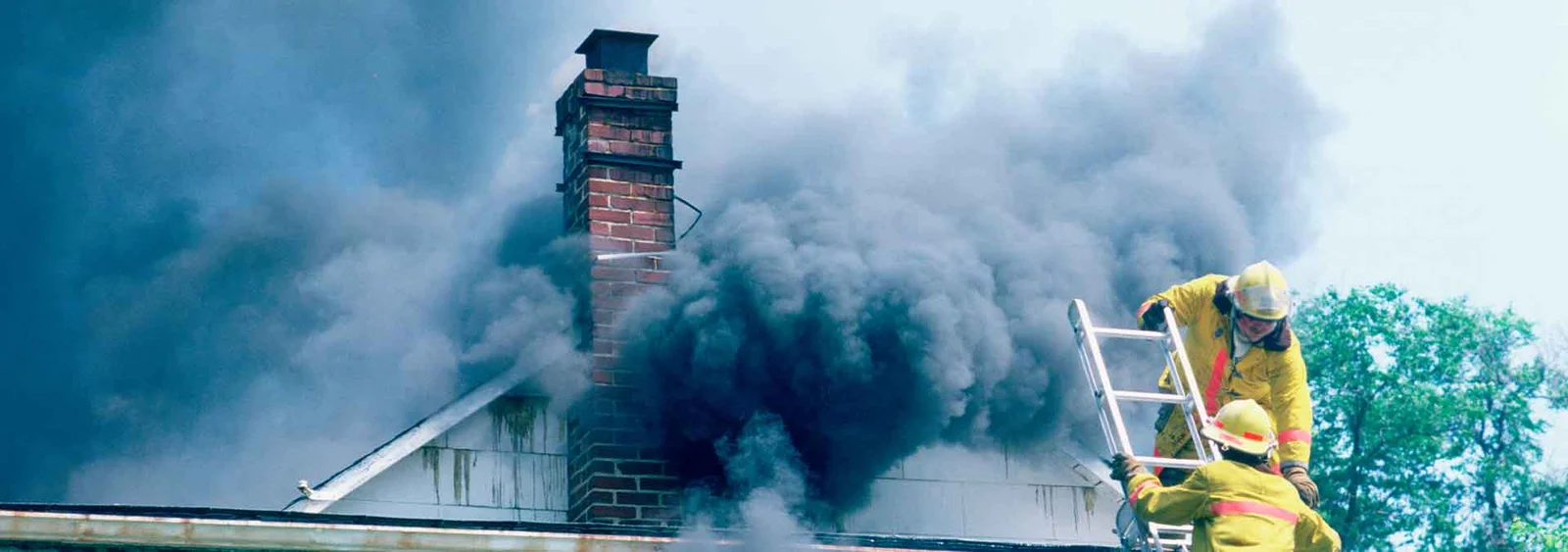
Best Option Restoration of Lakewood provides specialized smoke damage restoration services for Thornton, CO homes, addressing both visible soot and hidden contamination that affects air quality and structural integrity.
- Smoke particles smaller than 4 microns penetrate walls, ductwork, and belongings, and Thornton's semi-arid climate can cause odors to resurface months later if not properly treated.
- The restoration process includes emergency assessment, air quality testing, HVAC cleaning, thermal fogging, hydroxyl generator treatment, and HEPA filtration with final clearance testing.
- Thornton's housing stock from different eras presents unique challenges, with 1970s-1980s homes absorbing smoke readily and newer construction trapping smoke inside due to tighter air sealing.
Smoke damage restoration is a specialized cleaning and repair process that addresses both visible soot and hidden contamination after a fire. It is necessary because smoke residue penetrates beyond areas touched by flames, seeping into walls, ductwork, and personal belongings. Professional restoration protects indoor air quality and structural integrity by removing persistent threats that standard cleaning cannot address.
Overview
Smoke damage following a fire creates an invisible but persistent threat throughout your Thornton home. The residue left behind penetrates far beyond what flames touched, seeping into walls, ductwork, and personal belongings. Best Option Restoration of Lakewood provides specialized smoke damage restoration that addresses both the visible soot and the hidden contamination affecting your indoor air quality and structural integrity.
Professional intervention matters because smoke particles are microscopic – often smaller than 4 microns – and standard cleaning methods simply push them deeper into porous materials. Thornton's semi-arid climate and wide temperature swings between seasons can cause smoke odors to resurface months after a fire if not properly treated. The city's mix of newer construction and established neighborhoods means restoration approaches must adapt to different building materials and ventilation systems.
- Complete removal of smoke residue from all affected surfaces and hidden spaces
- Elimination of persistent smoke odors using advanced deodorization technology
- Restoration of HVAC systems contaminated by smoke circulation
- Protection against long-term health effects from smoke particle exposure
Common Issues in Thornton, CO
When Smoke Damage Peaks in Thornton
Colorado's peak wildfire season brings smoke infiltration to homes even from distant fires along the Front Range.
Increased use of fireplaces, wood stoves, and space heaters leads to more residential fires and smoke damage incidents.
Fourth of July celebrations result in accidental fires and smoke damage from fireworks mishaps.
Thornton's location along the Front Range creates specific challenges for smoke damage scenarios. Wildfires in nearby mountain areas periodically send smoke plumes across the city, affecting homes even without direct fire exposure. These events leave fine particulate matter throughout properties, requiring professional assessment and cleaning even when flames never threatened the structure.
The city experiences dramatic seasonal shifts that complicate smoke damage situations. Winter heating equipment failures and chimney fires represent common ignition sources, while summer months bring increased wildfire smoke infiltration. Spring winds can reactivate dormant smoke particles trapped in insulation and wall cavities, causing odors to return unexpectedly.
- Wildfire smoke infiltration from regional fire events – particularly during late summer and fall
- Heating system malfunctions during cold snaps when furnaces run continuously
- Kitchen fires in homes with open floor plans allowing smoke to spread rapidly
- Electrical fires in older Thornton neighborhoods with aging wiring systems
- Garage fires from stored flammables spreading smoke into living spaces
- Low humidity conditions allowing smoke particles to remain airborne longer
Warning signs that smoke damage requires professional attention include persistent odors that intensify when heating or cooling systems run, yellow or brown discoloration appearing on walls or ceilings, and respiratory irritation that worsens indoors. Smoke damage often hides in unexpected places – inside wall cavities, above drop ceilings, and within soft furnishings.
How Best Option Restoration of Lakewood Can Help
Our restoration process begins the moment you contact us. We dispatch a trained technician to assess the full scope of smoke damage throughout your Thornton property.
Our Step-by-Step Restoration Process
- Emergency response and initial property assessment to determine smoke damage extent
- Air quality testing to measure particulate levels and identify contamination zones
- Containment setup to prevent cross-contamination during cleaning
- HVAC system inspection and cleaning to stop smoke recirculation
- Surface cleaning using appropriate methods for each material type
- Deodorization treatment targeting smoke particles at the molecular level
- Final air quality verification and clearance testing
Specialized Techniques We Employ
- Thermal fogging that penetrates the same pathways smoke traveled
- Hydroxyl generator treatment for safe, continuous odor elimination
- Dry ice blasting for delicate surfaces and electronics
- HEPA air filtration running throughout the restoration process
- Ozone treatment in unoccupied spaces for severe contamination
Communication remains constant throughout your project. You receive updates at each phase completion, and our team remains available to answer questions about the process, timeline, or any concerns that arise. We document everything with photos and detailed reports that support insurance claims and provide peace of mind about the thoroughness of our work.
Insurance & Documentation
Smoke damage claims require thorough documentation from the initial discovery through final restoration. Best Option Restoration of Lakewood creates comprehensive records that satisfy insurance adjuster requirements and protect your interests throughout the claims process.
Our documentation package includes timestamped photographs of all affected areas, detailed inventory of damaged contents, air quality test results, and itemized restoration activities. This evidence supports your claim and demonstrates the necessity of professional intervention.
- Pre-restoration condition reports with photographic evidence
- Room-by-room damage assessments with severity ratings
- Contents inventory distinguishing salvageable from non-restorable items
- Daily progress logs tracking all restoration activities
- Final clearance documentation confirming successful remediation
- IICRC-certified technician credentials and compliance verification
We communicate directly with your insurance company when authorized, providing adjusters with the technical information they need to process claims efficiently. Our team understands policy language and can help translate restoration requirements into terms that align with coverage provisions.
Why Choose Best Option Restoration of Lakewood
Our technicians hold IICRC certifications in fire and smoke restoration, odor control, and applied structural drying. This training means we understand how different smoke types – from protein fires to synthetic material combustion – require distinct treatment approaches. We invest in ongoing education to stay current with restoration science and technology.
Serving the greater Denver metro area including Thornton means we know local building codes, understand common construction methods in different neighborhoods, and maintain relationships with area contractors when structural repairs become necessary. Our response teams can reach Thornton properties quickly, beginning mitigation before smoke damage has time to set permanently.
- 24/7 emergency response with rapid deployment to Thornton locations
- Advanced equipment including thermal imaging for hidden damage detection
- Transparent pricing with detailed estimates before work begins
- Post-restoration follow-up to verify odor elimination success
Housing Characteristics & Smoke Damage Restoration Considerations
Thornton's housing stock reflects several distinct development periods, each presenting unique smoke damage restoration challenges. The city experienced major growth spurts in the 1970s through 1990s, with another wave of construction during the 2000s housing boom. Homes from these eras feature different materials, insulation types, and HVAC configurations that affect how smoke travels and settles.
Construction Era Characteristics
- 1970s-1980s homes often feature aluminum wiring and older insulation that absorbs smoke readily
- 1990s construction introduced more open floor plans allowing faster smoke spread
- 2000s and newer builds include tighter construction with modern air sealing – trapping smoke inside
- Average home sizes range from 1,400 to 2,200 square feet in established neighborhoods
- Newer developments in northeast Thornton feature larger homes averaging 2,500+ square feet
Single-family homes dominate Thornton's landscape, though multi-family developments have increased near transportation corridors and commercial centers. Townhomes and condominiums present shared-wall considerations where smoke can migrate between units through common ductwork or wall penetrations. These properties require coordination with property management and neighboring residents during restoration.
Basement construction is common throughout Thornton, and these below-grade spaces often sustain the heaviest smoke damage due to natural air circulation patterns. Smoke settles into basement areas and becomes trapped, requiring specialized extraction and treatment. Finished basements with carpeting, drywall, and soft furnishings absorb significant smoke residue that standard cleaning cannot address.
Environmental Conditions & Smoke Damage Restoration Implications
Thornton sits at approximately 5,350 feet elevation with an average annual humidity of just 40-50%. This semi-arid environment affects smoke damage restoration in several ways. Low humidity allows smoke particles to remain airborne longer and penetrate deeper into porous materials before settling. However, these same conditions can accelerate drying during restoration when controlled moisture is introduced.
Climate Factors Affecting Restoration
- Average annual precipitation of 15 inches creates dry indoor conditions most of the year
- Temperature swings of 30+ degrees in a single day cause materials to expand and contract, releasing trapped odors
- Winter inversions trap pollutants – including smoke – close to ground level
- High UV exposure at elevation can fade smoke-damaged materials more rapidly
- Frequent wind events redistribute settled particles if not properly contained
Air quality in the Denver metro region, including Thornton, faces periodic challenges from wildfire smoke, vehicle emissions, and industrial activity. The Colorado Department of Public Health and Environment monitors ozone and particulate matter levels, occasionally issuing air quality alerts that coincide with increased smoke infiltration into homes. Properties near major highways like I-25 may have existing air quality concerns that compound smoke damage effects.
Thornton's soil composition – primarily clay with areas of sandy loam – affects foundation drainage and basement moisture levels. Homes with poor drainage may experience higher humidity in lower levels, which interacts with smoke residue to create persistent odor issues. Addressing smoke damage in these properties sometimes requires moisture mitigation as part of the restoration process.
Population Characteristics & Smoke Damage Restoration Considerations
Thornton ranks as Colorado's sixth-largest city with a population exceeding 140,000 residents. This suburban community has experienced steady growth, attracting families and working professionals drawn to relatively affordable housing compared to Denver proper. The population density supports a mix of residential neighborhoods ranging from established areas near original Thornton to newer master-planned communities in the northern reaches.
Demographic Factors Influencing Service Needs
- Median household income around $75,000 – many residents carry homeowner's insurance covering smoke damage
- Significant percentage of dual-income households requiring flexible scheduling for restoration work
- Growing senior population in established neighborhoods who may need additional assistance during displacement
- Hispanic and Latino residents comprising approximately 35% of the population – bilingual service capabilities matter
- High homeownership rate of approximately 70% meaning residents have direct stake in restoration quality
Employment in Thornton spans healthcare, retail, technology, and logistics sectors. Many residents commute to Denver or Boulder for work, making coordination of restoration access and schedules an important service consideration. Families with school-age children face additional urgency when smoke damage affects living spaces, as prolonged displacement disrupts routines and education.
The community's economic diversity means smoke damage scenarios range from modest single-family homes to larger custom properties. Each situation requires appropriate resource allocation and restoration approaches scaled to the property and the homeowner's circumstances. Our team adapts communication styles and service delivery to meet individual needs while maintaining consistent quality standards across all projects.
Fire Incident Data & Smoke Exposure Risk in Thornton
Thornton Fire Department responds to hundreds of fire-related calls annually, with structure fires, vehicle fires, and wildland-urban interface incidents all contributing to smoke damage scenarios throughout the city. The department's response data reveals patterns that help homeowners understand local smoke damage risks.
Local Fire Statistics and Trends
- Cooking-related incidents account for the largest percentage of residential fires in Thornton
- Heating equipment fires spike during November through February when temperatures drop
- Electrical system failures represent a growing concern in homes over 30 years old
- Wildfire smoke events have increased in frequency over the past decade
- Multi-family housing incidents can affect numerous units from a single ignition source
The city's position along the Front Range places it in the path of wildfire smoke from mountain fires to the west and grassland fires from the eastern plains. The 2020 and 2021 fire seasons brought unprecedented smoke exposure to Thornton residents, with air quality reaching hazardous levels for extended periods. Homes without adequate air filtration experienced significant indoor smoke infiltration requiring professional cleaning and deodorization.
North Metro Fire Rescue District, which serves portions of the Thornton area, has documented increasing call volumes related to smoke investigation and post-fire assessment. This trend reflects both population growth and aging housing stock. Older homes with deferred maintenance face elevated fire risk from electrical systems, heating equipment, and accumulated combustible materials. When fires occur in these properties, smoke damage often extends further due to compromised building envelope integrity and outdated HVAC systems that rapidly distribute contamination throughout the structure.
Best Option Restoration of Lakewood monitors local fire activity and maintains readiness to respond to Thornton smoke damage emergencies. Our relationship with local fire departments and understanding of common incident types in the area allows us to anticipate restoration needs and deploy appropriate resources from the first response.
Weather & Alerts in Thornton, CO
Current Conditions
Temp: 61°F · Feels like: 60°F
Humidity: 60% · Wind: 4 mph
Emergency Alerts
No active alerts.
Smoke Damage Restoration in Other Service Areas
Useful Numbers
- Life-threatening emergencies
- 911
- Poison Control
- 1-800-222-1222
- Suicide Prevention Lifeline
- 988
- Police (non-emergency)
- Visit your local police department website
- Fire Department (non-emergency)
- Check the Thornton city website
- City Hall
- Available on the official Thornton government website
- Non-Emergency Services
- Call 311 if available in your area
Always verify numbers from official city/county websites.