
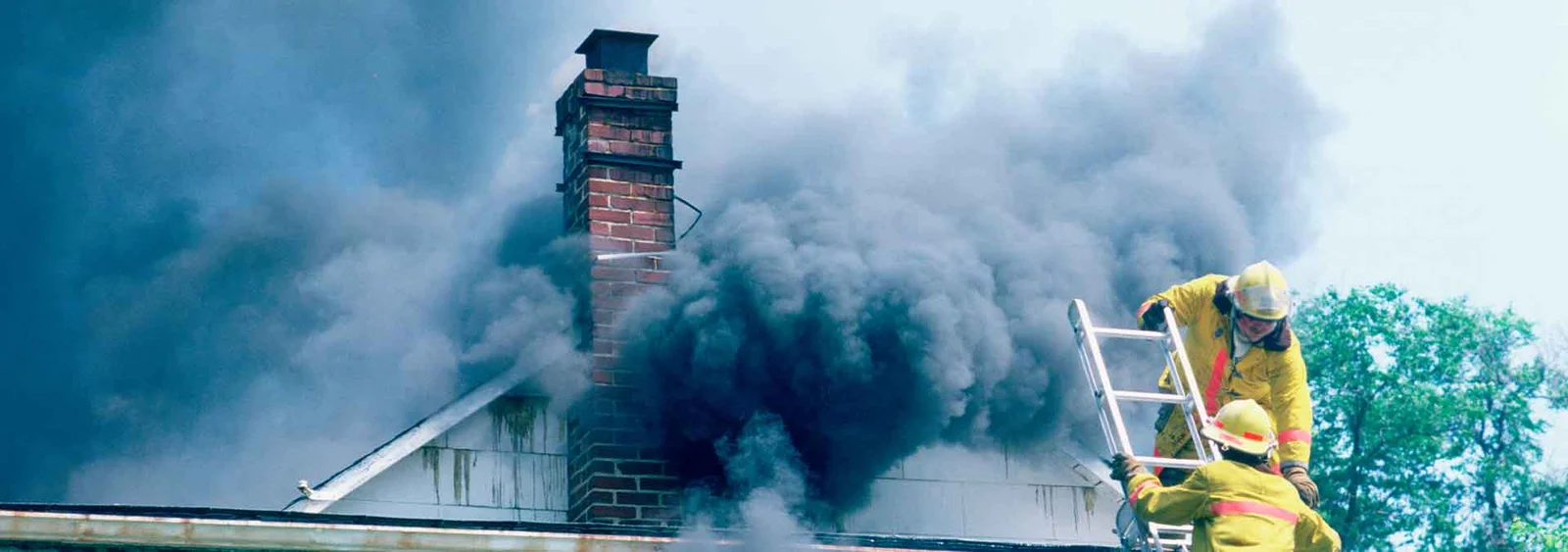
Best Option Restoration of Lakewood provides smoke damage restoration services in Golden, CO, addressing both visible soot and invisible particles that continue causing harm after fires are extinguished.
- Professional restoration includes scientific assessment, specialized cleaning techniques, and advanced deodorization methods like thermal fogging and ozone treatments that household cleaners cannot match.
- Golden's unique mountain climate, historic housing stock, and wildfire season create distinct challenges - from smoke infiltrating homes through HVAC systems to older plaster walls and hardwood floors requiring specialized treatment.
- The company offers 24/7 response with IICRC-certified technicians, direct insurance billing, and thorough documentation to support claims from initial assessment through project completion.
Smoke damage restoration is a specialized cleaning process that removes both visible soot and invisible particulate matter from building materials, fabrics, and personal belongings after a fire. This service is necessary because smoke penetrates deep into surfaces and continues causing harm long after flames are extinguished, leaving persistent odors and residue that standard cleaning cannot address.
Overview
Have you ever walked into a room weeks after a fire and still detected that persistent, acrid smell clinging to every surface? Smoke damage extends far beyond what the eye can see, penetrating deep into building materials, fabrics, and personal belongings throughout your Golden home. Best Option Restoration of Lakewood specializes in comprehensive smoke damage restoration that addresses both visible soot and invisible particulate matter that continues to cause harm long after flames are extinguished.
Professional smoke damage restoration involves scientific assessment, specialized cleaning techniques, and advanced deodorization methods that household cleaners simply cannot match. Golden's unique mountain climate – with its low humidity and temperature fluctuations – can cause smoke particles to behave differently than in other regions, making expert intervention particularly valuable.
- Complete assessment of smoke penetration throughout your property's structure and contents
- Specialized cleaning methods matched to specific surface types and smoke residue characteristics
- Advanced thermal fogging and ozone treatments that neutralize odors at the molecular level
- Protection against long-term corrosion and staining that untreated smoke residue causes
Common Issues in Golden, CO
When Smoke Damage Peaks in Golden
Colorado's peak wildfire season brings smoke infiltration to homes even from distant fires in the Front Range foothills.
Fireplace mishaps, furnace malfunctions, and wood stove incidents increase during cold mountain winters.
Dry autumn conditions and early heating system use create elevated smoke damage risks before winter sets in.
Golden's position at the base of the Rocky Mountain foothills creates distinct challenges for smoke damage situations. Wildfire season brings not only direct fire threats but also ambient smoke exposure that infiltrates homes through HVAC systems, windows, and structural gaps. Even properties miles from active burns can accumulate significant smoke residue during heavy smoke events.
The historic character of downtown Golden and surrounding neighborhoods means many homes feature construction methods and materials that absorb and retain smoke particles differently than modern builds. Original plaster walls, hardwood flooring, and vintage fixtures require specialized treatment approaches that preserve their integrity while eliminating contamination.
- Wildfire smoke infiltration during summer and fall fire seasons affecting indoor air quality
- Kitchen fires in older homes with outdated electrical systems or ventilation
- Heating equipment malfunctions during cold mountain winters
- Smoke damage from neighboring properties in closely-spaced historic districts
- Garage fires spreading smoke through attached living spaces
- Fireplace and wood stove incidents common in mountain-adjacent properties
Warning signs that indicate professional restoration is needed include persistent odors despite cleaning attempts, visible discoloration on walls or ceilings, respiratory irritation when inside the property, and metallic or electronic equipment showing signs of corrosion. Acting quickly prevents smoke residue from permanently bonding with surfaces.
How Best Option Restoration of Lakewood Can Help
Our Restoration Process
Every smoke damage situation receives a customized response based on the type of fire, materials affected, and extent of penetration throughout your property.
- Emergency contact and rapid deployment to your Golden property for initial assessment
- Comprehensive inspection using specialized equipment to detect smoke penetration in hidden areas
- Development of a detailed restoration plan with prioritized action items
- Content inventory and pack-out of salvageable items requiring off-site cleaning
- Structural cleaning using dry sponges, HEPA vacuuming, and wet cleaning methods
- Deodorization through thermal fogging, ozone treatment, or hydroxyl generators
- Final inspection and air quality testing to confirm complete restoration
Specialized Techniques We Employ
- Dry cleaning methods for delicate surfaces and initial soot removal
- Wet cleaning with pH-balanced solutions for washable materials
- Abrasive cleaning for heavily contaminated hard surfaces
- Immersion cleaning for restorable contents and textiles
- HEPA air filtration running continuously during restoration work
- Sealing techniques for surfaces where smoke has penetrated beyond cleaning reach
Communication remains consistent throughout your project. You receive regular updates on progress, clear explanations of techniques being used, and honest assessments of what can be restored versus what requires replacement.
Insurance & Documentation
Smoke damage claims require thorough documentation that demonstrates the full scope of contamination – including damage that isn't immediately visible. Best Option Restoration of Lakewood creates comprehensive records that support your insurance claim from initial assessment through project completion.
- Photographic and video documentation of all affected areas before restoration begins
- Detailed inventory lists of damaged contents with condition assessments
- Moisture and air quality readings that establish baseline contamination levels
- Written scope of work outlining all necessary restoration procedures
- Progress documentation showing restoration phases and techniques applied
- Final completion reports with before-and-after comparisons
Our team works directly with insurance adjusters, providing the technical information they need to process your claim efficiently. We maintain IICRC certification – the industry standard that insurance companies recognize for professional restoration work. All documentation follows insurance industry protocols, reducing delays and disputes during the claims process.
Why Choose Best Option Restoration of Lakewood
Serving the Golden community means understanding the specific challenges this area presents. Our technicians know the difference between treating smoke damage in a 1920s brick home near downtown versus a 1990s construction in the foothills – and we adjust our methods accordingly.
Response time matters with smoke damage. Residue continues causing harm every hour it remains on surfaces. We maintain 24/7 availability with rapid deployment capabilities throughout Jefferson County, reaching Golden properties quickly to begin mitigation.
- IICRC-certified technicians with specialized training in smoke and fire restoration
- Local knowledge of Golden's building types, construction methods, and common fire scenarios
- Advanced equipment including thermal foggers, ozone generators, and hydroxyl technology
- Direct insurance billing and claims assistance that reduces your administrative burden
- Follow-up inspections to confirm odor elimination and restoration success
Housing Characteristics & Smoke Damage Restoration Considerations
Golden's housing stock reflects over 150 years of development, from Victorian-era homes near the Colorado School of Mines campus to mid-century ranch styles and contemporary mountain construction. Properties built before 1980 make up a significant portion of the housing inventory, presenting unique smoke damage challenges related to older building materials and construction techniques.
Single-family homes dominate Golden's residential landscape, though the downtown area includes historic multi-family buildings and newer condominium developments. Average home sizes range from compact historic cottages under 1,200 square feet to larger foothill properties exceeding 3,000 square feet. This variety requires flexible restoration approaches.
- Pre-1950s homes often feature plaster walls that absorb smoke deeply but can be restored with proper techniques
- Mid-century homes commonly have forced-air HVAC systems that distribute smoke throughout the structure
- Mountain-adjacent properties frequently include exposed wood beams and vaulted ceilings requiring specialized access
- Historic brick exteriors can trap smoke residue in mortar joints and porous surfaces
- Older homes may have multiple layers of paint and wallpaper that complicate smoke removal
Understanding these construction characteristics allows us to develop restoration plans that address smoke penetration specific to your home's age and building methods, protecting both the structure and its historical integrity when applicable.
Environmental Conditions & Smoke Damage Restoration Implications
Golden sits at approximately 5,675 feet elevation where the plains meet the mountains, creating environmental conditions that directly impact smoke damage behavior and restoration requirements. The semi-arid climate produces average relative humidity around 40-50% – significantly lower than national averages – which affects how smoke particles settle and bond with surfaces.
Air quality in Golden fluctuates seasonally, with wildfire smoke from regional fires periodically pushing particulate levels into unhealthy ranges. The Colorado Department of Public Health and Environment monitors these conditions, but even moderate smoke exposure can deposit residue inside homes through normal ventilation and infiltration.
- Low humidity causes smoke residue to dry quickly, potentially bonding more permanently with surfaces
- Temperature swings between day and night can cause materials to expand and contract, driving smoke particles deeper
- Clear Creek's watershed influences local moisture patterns and drainage around foundations
- Mountain winds can carry smoke from distant fires, creating secondary contamination events
- Winter inversions occasionally trap smoke and pollution in the Golden valley
These environmental factors inform our restoration timeline and technique selection. Dry conditions may require additional moisture control during cleaning, while seasonal considerations affect scheduling for optimal results.
Population Characteristics & Smoke Damage Restoration Considerations
Golden's population of approximately 20,000 residents creates a distinct community profile that shapes smoke damage restoration needs. The presence of the Colorado School of Mines brings a significant student and academic population, while established neighborhoods house long-term residents with deep connections to their properties.
Household income levels in Golden trend above state averages, with many residents employed in engineering, technology, and professional services sectors. This demographic often owns properties with valuable contents – electronics, artwork, specialized equipment – that require careful restoration consideration following smoke exposure.
- Student housing and rental properties may have different restoration priorities than owner-occupied homes
- Professional households often contain home offices with sensitive electronic equipment vulnerable to smoke corrosion
- Active outdoor lifestyle means homes frequently contain specialized gear requiring proper cleaning
- Historic preservation values among residents prioritize restoration over replacement when possible
- Multi-generational families may have heirloom items requiring specialized content restoration
The community's blend of long-term residents and newer arrivals means varied familiarity with fire risks and restoration processes. We provide education alongside restoration services, helping property owners understand smoke damage implications and prevention strategies for the future.
Wildfire Risk & Fire Incident Data in Golden
Golden's location at the wildland-urban interface places it among Colorado communities with elevated fire risk. The foothills terrain, combined with native vegetation including Ponderosa pine and mountain shrubs, creates fuel conditions that fire officials monitor closely throughout the year. Jefferson County Fire Authority and Golden Fire Department respond to structure fires, vehicle fires, and wildfire incidents throughout the area.
Historical fire data for the Golden area reveals patterns that inform smoke damage preparedness:
- Wildfire season typically runs from May through October, with peak activity in June and July
- Kitchen fires remain the leading cause of residential fire damage in Jefferson County
- Heating equipment fires increase significantly during November through February
- The 2020 and 2021 fire seasons produced record smoke exposure days affecting indoor air quality regionwide
- Electrical fires in older Golden homes often result from outdated wiring unable to handle modern electrical loads
The Colorado State Forest Service maintains fire risk maps showing Golden's western edges in moderate to high risk zones. Properties in these areas face both direct fire threat and repeated smoke exposure during active fire seasons. Even homes in lower-risk zones experience smoke infiltration when regional fires produce heavy smoke that settles into the Golden valley.
Understanding these local fire patterns helps property owners recognize when professional smoke assessment is warranted – even without a fire on their own property. Cumulative smoke exposure from regional events can create indoor air quality issues and surface contamination that benefits from professional remediation.
Weather & Alerts in Golden, CO
Current Conditions
Temp: 62°F · Feels like: 61°F
Humidity: 65% · Wind: 5 mph
Emergency Alerts
No active alerts.
Smoke Damage Restoration in Other Service Areas
Useful Numbers
- Life-threatening emergencies
- 911
- Poison Control
- 1-800-222-1222
- Suicide Prevention Lifeline
- 988
- Police (non-emergency)
- Visit your local police department website
- Fire Department (non-emergency)
- Check the Golden city website
- City Hall
- Available on the official Golden government website
- Non-Emergency Services
- Call 311 if available in your area
Always verify numbers from official city/county websites.