
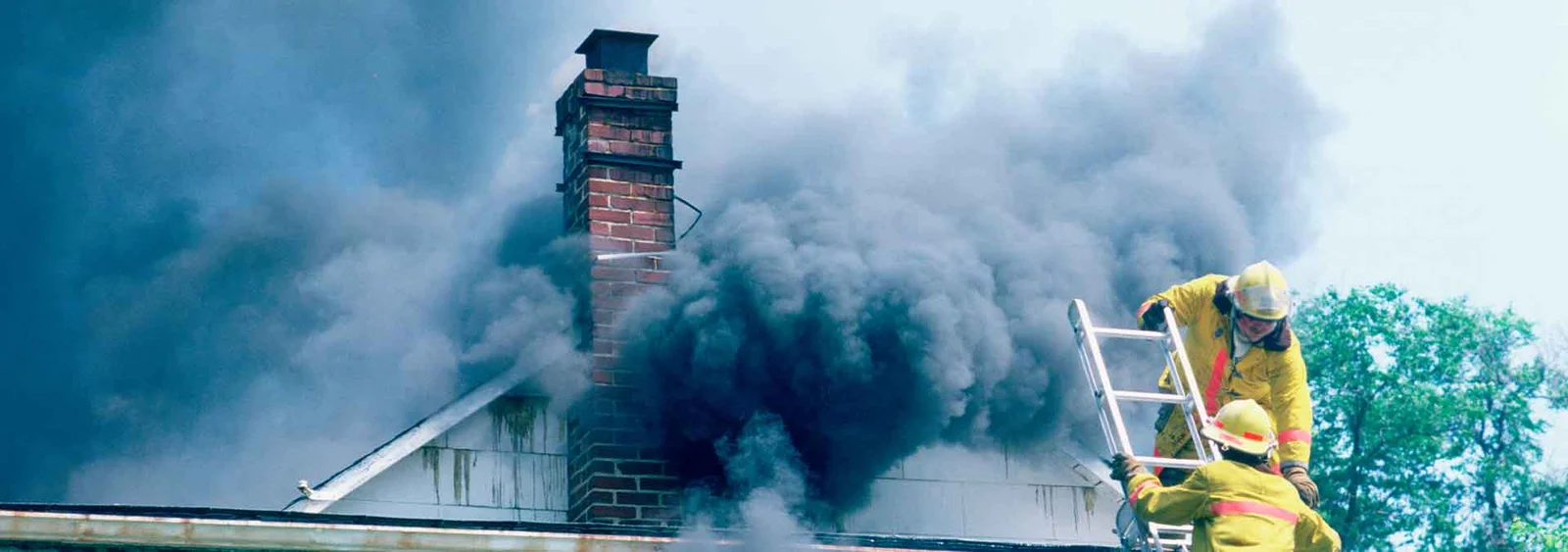
Best Option Restoration of Lakewood provides smoke damage restoration services in Denver, addressing both visible residue and hidden contamination in homes and businesses affected by fires or wildfire smoke.
- Smoke particles penetrate surfaces, ductwork, fabrics, and porous materials, with Denver's dry climate and temperature swings accelerating corrosive effects on metals, electronics, and structural components.
- The restoration process includes assessment of smoke type, specialized cleaning techniques for different surfaces, HEPA vacuuming, and advanced deodorization using thermal fogging and ozone treatment.
- The team offers 24/7 availability, works directly with insurance adjusters on documentation, and has experience with Denver's varied housing stock from historic bungalows to modern construction.
Smoke damage restoration is a professional cleaning and repair process that addresses both visible residue and hidden contamination after a fire or smoke event. Smoke particles infiltrate every surface, seep into ductwork, and embed themselves in fabrics, insulation, and porous materials. Professional restoration removes these particles, eliminates odors, and restores your property to its pre-damage condition.
Overview
When smoke permeates your Denver home or business, the damage extends far beyond what you can see. Smoke particles infiltrate every surface, seep into ductwork, and embed themselves in fabrics, insulation, and porous materials. Best Option Restoration of Lakewood specializes in comprehensive smoke damage restoration that addresses both visible residue and hidden contamination throughout your property.
Professional intervention matters because smoke damage compounds over time. Denver's semi-arid climate and frequent temperature swings can accelerate the corrosive effects of smoke residue on metals, electronics, and structural components. Without proper remediation, lingering odors persist and acidic soot continues degrading surfaces long after the flames are out.
- Complete assessment of smoke penetration throughout all affected areas
- Specialized cleaning techniques matched to specific smoke types and surfaces
- Advanced deodorization that eliminates odors at the molecular level
- HVAC system cleaning to prevent smoke particle recirculation
Common Issues in Denver, CO
When Smoke Damage Peaks in Denver
Colorado's peak wildfire season brings smoke infiltration to homes even miles from active fires, requiring professional restoration.
Increased use of fireplaces, wood stoves, and furnaces leads to more indoor smoke damage incidents and chimney-related fires.
Fourth of July celebrations combined with dry conditions result in accidental fires and smoke damage to properties.
Denver's unique geographic and climate conditions create specific smoke damage challenges. Situated at 5,280 feet elevation with low humidity averaging between 30-50%, smoke particles behave differently here than at sea level. The dry air allows smoke to penetrate deeper into porous materials, while rapid temperature fluctuations between day and night can cause smoke residue to expand and contract within building materials.
Wildfire season poses particular concerns for Front Range residents. Smoke from mountain fires frequently drifts into the Denver metro area, depositing fine particulate matter on exterior surfaces and infiltrating homes through ventilation systems. Even properties miles from active fires experience secondary smoke damage that requires professional attention.
- Wildfire smoke infiltration during summer and fall fire seasons
- Dry climate allowing deeper smoke penetration into wood and drywall
- Older Denver Square and bungalow homes with original plaster walls that absorb smoke
- Forced-air heating systems distributing smoke particles throughout entire structures
- Kitchen fires in historic properties with limited ventilation
- Electrical fires in aging wiring systems common to mid-century homes
Warning signs that indicate smoke damage requires professional restoration include persistent odors that return after cleaning, yellow or brown discoloration on walls and ceilings, respiratory irritation when inside the property, and visible soot accumulation in HVAC registers or on light fixtures.
How Best Option Restoration of Lakewood Can Help
Our smoke damage restoration process follows a systematic approach designed to address contamination thoroughly while minimizing disruption to your daily life.
Initial Assessment and Planning
- Conduct comprehensive inspection to identify all smoke-affected areas
- Determine smoke type (wet, dry, protein, or fuel oil) to select appropriate cleaning methods
- Document damage with photographs and detailed notes for insurance purposes
- Develop customized restoration plan based on materials affected and contamination severity
- Establish containment zones to prevent cross-contamination during cleaning
Active Restoration Phase
Our technicians employ multiple specialized techniques based on the surfaces and materials involved:
- Dry sponge cleaning for light soot on painted surfaces and wallpaper
- Wet cleaning with pH-balanced solutions for heavy residue on hard surfaces
- HEPA vacuuming of upholstery, carpets, and soft furnishings
- Ultrasonic cleaning for electronics, collectibles, and delicate items
- Abrasive cleaning methods for heavily soiled concrete or masonry
Deodorization and Air Quality Restoration
Odor elimination requires more than surface cleaning. We utilize thermal fogging, ozone treatment, and hydroxyl generators to neutralize smoke odors at the molecular level. Complete HVAC system cleaning prevents recontamination from ductwork.
Throughout the process, our project managers maintain regular communication, providing updates at each phase and remaining available to address questions or concerns as they arise.
Insurance and Documentation
Smoke damage claims require thorough documentation to support your insurance filing. Our team creates detailed records from the moment we arrive on site, building a comprehensive file that demonstrates the extent of damage and justifies restoration costs.
- Timestamped photographs documenting all affected areas before, during, and after restoration
- Itemized inventory of damaged contents with condition assessments
- Moisture and air quality readings where applicable
- Detailed scope of work outlining all restoration activities performed
- Material and equipment logs for transparency in billing
We work directly with insurance adjusters, providing supplemental documentation when requested and clarifying technical aspects of smoke damage that may not be immediately apparent. Our IICRC-certified technicians understand industry standards for smoke damage restoration, and our documentation reflects compliance with these protocols.
For properties requiring permits or inspections following fire events, we coordinate with Denver building officials and fire marshals to meet all regulatory requirements before restoration work begins.
Why Choose Best Option Restoration of Lakewood
Our team brings IICRC certifications in fire and smoke restoration, odor control, and applied structural drying. This technical foundation combines with hands-on experience restoring hundreds of Denver-area properties affected by smoke damage from kitchen fires, electrical incidents, and wildfire events.
We maintain 24/7 availability because smoke damage worsens with every passing hour. Our local presence means rapid response times throughout the Denver metro area, from Capitol Hill to Lakewood and beyond. Technicians arrive equipped with commercial-grade air scrubbers, thermal foggers, and specialized cleaning solutions ready for immediate deployment.
- Locally owned operation with direct accountability to our community
- Advanced odor detection equipment to identify hidden smoke contamination
- Content pack-out and storage services for salvageable belongings
- Post-restoration air quality testing to verify complete remediation
Housing Characteristics and Smoke Damage Restoration Considerations
Denver's housing stock reflects over a century of development, with significant construction occurring during several distinct periods. Homes built between 1900-1930 in neighborhoods like Highlands, Park Hill, and Capitol Hill feature Denver Square and bungalow styles with original plaster walls, hardwood floors, and minimal insulation. These porous materials readily absorb smoke particles, requiring specialized restoration techniques that preserve historic character while eliminating contamination.
Post-war expansion brought thousands of brick ranch homes to areas like Lakewood, Wheat Ridge, and south Denver between 1945-1970. These single-story structures typically feature:
- Forced-air furnace systems that distribute smoke throughout the home
- Original single-pane windows allowing smoke infiltration from exterior sources
- Basement areas with limited ventilation where smoke odors concentrate
- Attached garages creating fire risk pathways into living spaces
Newer construction from 1990 onward includes tighter building envelopes that can trap smoke particles inside. Modern homes in Stapleton, Green Valley Ranch, and suburban developments feature open floor plans where smoke travels freely between spaces, and synthetic materials that may release additional toxic compounds when exposed to heat and smoke.
Average home sizes in Denver range from 1,200 square feet in older neighborhoods to over 2,500 square feet in newer developments. Larger homes require more extensive deodorization equipment and longer treatment times to achieve complete smoke odor elimination.
Environmental Conditions and Smoke Damage Restoration Implications
Denver's semi-arid high-altitude climate creates distinctive challenges for smoke damage restoration. Annual precipitation averages just 14-15 inches, resulting in humidity levels that frequently drop below 30% during winter months. This dry air accelerates the drying of smoke residue onto surfaces, making prompt cleaning action even more critical. Conversely, the low humidity aids in deodorization processes, as moisture-dependent odor molecules dissipate more readily.
Air quality in the Denver metro area fluctuates significantly throughout the year:
- Summer ozone levels frequently trigger air quality alerts, complicating ventilation strategies
- Winter temperature inversions trap pollutants and smoke particles near ground level
- Wildfire smoke from Colorado mountains and western states impacts air quality seasonally
- Brown cloud conditions during winter months add particulate matter to already smoke-affected interiors
Temperature extremes ranging from below zero in winter to over 100°F in summer stress building materials and HVAC systems. These fluctuations can cause smoke residue embedded in materials to off-gas repeatedly, releasing odors long after initial cleaning if not properly addressed. Our restoration protocols account for Denver's unique atmospheric conditions, adjusting deodorization techniques and timeline expectations accordingly.
Municipal water quality in Denver, supplied primarily by snowmelt from the Rocky Mountains, is generally soft with low mineral content. This benefits wet cleaning processes, as soft water improves cleaning solution effectiveness without leaving mineral deposits on restored surfaces.
Population Characteristics and Smoke Damage Restoration Considerations
Denver's population exceeds 700,000 residents within city limits, with the metro area home to nearly 3 million people. This urban density creates concentrated demand for restoration services, particularly in older neighborhoods where housing stock and aging infrastructure increase fire risk. Population growth averaging 1-2% annually has intensified housing demand, leading many homeowners to occupy older properties that may have deferred maintenance.
Economic and demographic factors influence smoke damage patterns and restoration needs:
- Median household income around $75,000 supports investment in thorough restoration
- High percentage of renters (approximately 45%) requiring landlord coordination for restoration
- Young professional demographic with busy schedules benefiting from turnkey restoration services
- Growing senior population in established neighborhoods with mobility considerations during restoration
- Diverse cultural communities with specific preferences for communication and property handling
Denver's economy centers on technology, aerospace, healthcare, and energy sectors. Many residents work from home at least part-time, making rapid restoration completion a priority to minimize disruption to both living and working spaces. The presence of valuable home office equipment, computers, and electronics in residential properties adds complexity to smoke damage restoration, requiring specialized cleaning techniques for sensitive devices.
Household composition trends toward smaller families and single-person households, though multi-generational living arrangements have increased. Properties housing elderly family members or young children require additional attention to air quality verification following smoke damage restoration.
Wildfire Risk and Fire Incident Statistics in Denver
Colorado's wildfire activity has intensified dramatically over the past decade, with direct implications for Denver-area smoke damage restoration needs. The 2020 fire season saw over 625,000 acres burned statewide, while the 2021 Marshall Fire in Boulder County destroyed over 1,000 structures just 25 miles from downtown Denver. These events underscore the growing wildfire threat to Front Range communities.
Denver Fire Department responds to thousands of fire-related calls annually:
- Approximately 1,200-1,500 structure fires per year within city limits
- Cooking fires account for roughly 50% of residential fire incidents
- Heating equipment fires increase significantly during winter months
- Electrical system failures represent a leading cause of fires in pre-1970 homes
- Vehicle fires in attached garages create smoke damage extending into living spaces
Wildfire smoke events affect Denver residents even when fires burn dozens of miles away. The Colorado Department of Public Health and Environment issues smoke advisories multiple times each summer, with particulate matter levels occasionally reaching "unhealthy" designations. Properties with inadequate air sealing experience smoke infiltration during these events, depositing fine ash and soot on interior surfaces.
Insurance claims data from Colorado shows fire and smoke damage claims averaging between $50,000-$100,000 for residential properties, reflecting the extensive restoration work typically required. Early intervention by professional restoration teams significantly reduces total claim costs by preventing secondary damage from smoke corrosion and permanent odor absorption. Best Option Restoration of Lakewood responds rapidly to smoke damage calls throughout the Denver metro area, understanding that every hour of delay increases restoration complexity and cost.
Weather & Alerts in Denver, CO
Current Conditions
Temp: 67°F · Feels like: 66°F
Humidity: 55% · Wind: 2 mph
Emergency Alerts
No active alerts.
Smoke Damage Restoration in Other Service Areas
Useful Numbers
- Life-threatening emergencies
- 911
- Poison Control
- 1-800-222-1222
- Suicide Prevention Lifeline
- 988
- Police (non-emergency)
- Visit your local police department website
- Fire Department (non-emergency)
- Check the Denver city website
- City Hall
- Available on the official Denver government website
- Non-Emergency Services
- Call 311 if available in your area
Always verify numbers from official city/county websites.