
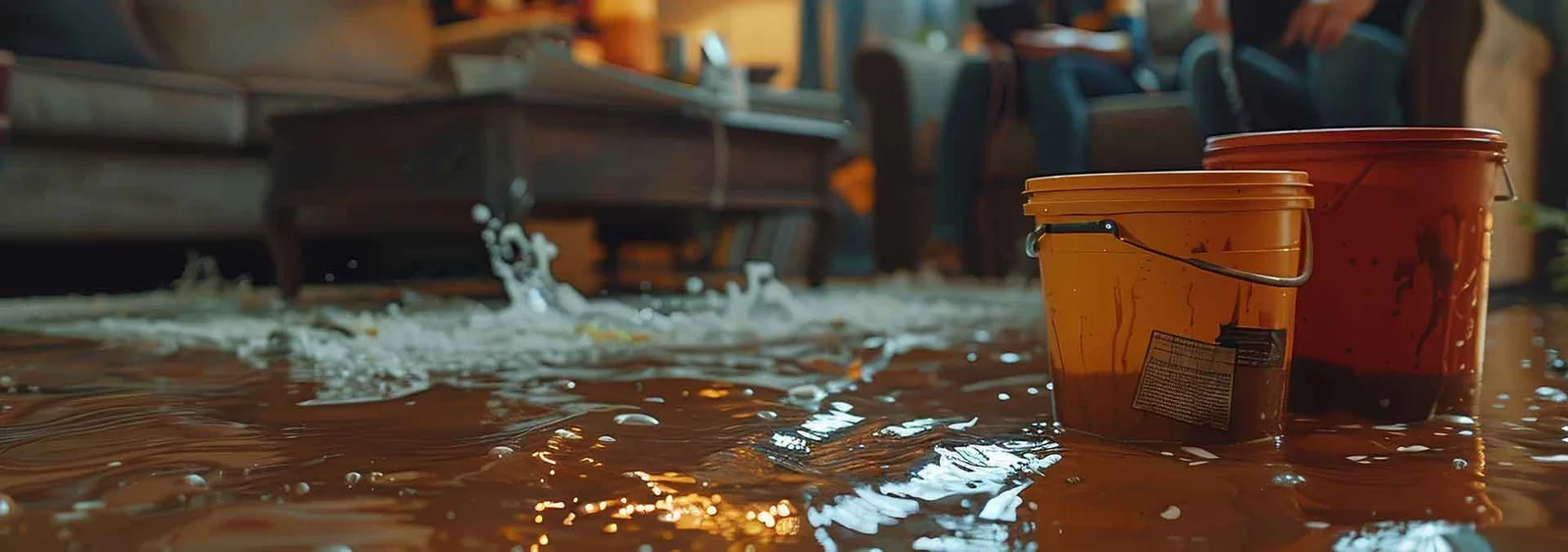
Water damage restoration in Denver requires specialized knowledge due to the city's unique climate, altitude, and aging housing stock. Best Option Restoration of Lakewood provides 24/7 emergency response with IICRC-certified technicians who understand local building challenges.
- Denver's dramatic temperature swings, intense UV exposure, and freeze-thaw cycles cause water damage at rates comparable to wetter regions despite only 15 inches of annual precipitation.
- The restoration process includes emergency water extraction, structural drying with altitude-calibrated equipment, antimicrobial treatments, and moisture mapping to find hidden saturation points.
- About 40% of Denver homes were built before 1970 with aging plumbing systems, and the lower atmospheric pressure at 5,280 feet affects evaporation rates and drying times differently than sea-level locations.
Water damage restoration is the process of cleaning, drying, and repairing property affected by water intrusion from sources like burst pipes, flooding, or leaks. Denver's unique climate - with freezing winters and rapid temperature swings - makes homes especially vulnerable to frozen pipe bursts and water damage, requiring prompt professional intervention to prevent mold growth and structural deterioration.
Overview
Last winter, a Denver homeowner discovered water pooling in their basement after a sudden temperature swing caused frozen pipes to burst overnight. Within hours, the damage had spread to drywall, flooring, and personal belongings – a scenario that plays out across the Mile High City more often than most residents realize.
Water damage restoration involves far more than simply removing visible water. Professional remediation addresses moisture hidden within wall cavities, beneath flooring, and in structural components where unchecked dampness leads to mold growth, wood rot, and compromised building integrity. Denver's unique combination of semi-arid climate, dramatic temperature fluctuations, and aging infrastructure creates distinct challenges that demand specialized knowledge and equipment.
- Rapid water extraction using commercial-grade pumps and vacuums
- Structural drying with industrial dehumidifiers calibrated for Denver's altitude
- Antimicrobial treatments to prevent mold colonization
- Complete moisture mapping to identify hidden saturation points
Professional intervention matters because water migrates quickly through building materials, and Denver's lower atmospheric pressure affects evaporation rates differently than sea-level locations. What appears dry on the surface often conceals moisture that will cause problems weeks or months later.
Common Issues in Denver, CO
Seasonal risk calendar for Water Damage Restoration in Denver, CO
Based on local patterns and building stock, the months below tend to see the most calls.
Denver's climate creates a paradox for homeowners. Despite receiving only about 15 inches of annual precipitation, the city experiences water damage at rates comparable to much wetter regions. The culprit lies in how that moisture arrives – often as heavy spring snowmelt, sudden summer thunderstorms, or winter freeze-thaw cycles that stress plumbing systems.
The city's 300 days of sunshine actually contribute to water damage risks. Intense UV exposure degrades roofing materials and exterior sealants faster than in cloudier climates, creating entry points for moisture during storms. Meanwhile, the dramatic temperature swings – sometimes 40 degrees in a single day – cause pipes to expand and contract repeatedly, weakening joints and connections over time.
- Spring snowmelt flooding – Rapid warming sends snowpack runoff toward foundations, especially in older neighborhoods with inadequate drainage
- Afternoon thunderstorm damage – Summer monsoon season brings intense, localized downpours that overwhelm aging storm systems
- Frozen pipe bursts – Chinook winds create false thaws followed by sudden freezes, catching unprotected plumbing off guard
- Sump pump failures – High water tables in areas near the South Platte River and Cherry Creek strain basement waterproofing systems
- Appliance failures – Hard water mineral deposits accelerate wear on water heaters, washing machines, and dishwashers
- Ice dam formation – Poorly insulated attics allow heat escape that melts snow, which refreezes at roof edges and backs up under shingles
Warning signs that demand immediate attention include musty odors in basements or crawl spaces, unexplained increases in water bills, visible staining on ceilings or walls, and warped flooring. Denver's dry air can mask moisture problems by allowing surface areas to appear dry while deeper saturation persists.
How Best Option Restoration of Lakewood Can Help
Our restoration process begins the moment you contact us, with trained technicians ready to respond around the clock. Water damage worsens exponentially with time, so our approach prioritizes rapid assessment followed by immediate mitigation.
Our Step-by-Step Restoration Process
- Emergency contact and dispatch – We gather initial information about the damage source and scope while dispatching the nearest available crew
- On-site assessment and documentation – Technicians use moisture meters, thermal imaging cameras, and hygrometers to map the full extent of water intrusion
- Water extraction – Truck-mounted and portable extraction units remove standing water, adjusted for Denver's altitude which affects pump performance
- Structural drying – Industrial air movers and dehumidifiers create controlled drying conditions, monitored daily until moisture readings reach acceptable levels
- Cleaning and sanitization – Affected surfaces receive antimicrobial treatment, and salvageable contents undergo professional cleaning
- Restoration and reconstruction – Final repairs return your property to pre-loss condition, from drywall replacement to flooring installation
Specialized Techniques for Denver Properties
- Low-grain refrigerant dehumidifiers optimized for high-altitude drying conditions
- Injectidry systems for drying wall cavities without unnecessary demolition
- Hardwood floor drying mats that preserve original flooring when possible
- HEPA air filtration to maintain indoor air quality during restoration
Throughout the process, you receive regular updates via your preferred communication method. Our project managers document progress with photos and moisture readings, creating a clear record of the restoration timeline. Quality control checks occur at each phase transition, with final verification using calibrated moisture detection equipment before we consider any project complete.
Insurance & Documentation
Navigating insurance claims after water damage adds stress to an already difficult situation. Our team works directly with insurance adjusters, providing the detailed documentation carriers require for claim approval. This includes timestamped photographs, moisture mapping diagrams, itemized scope-of-work documents, and daily drying logs.
- Initial damage assessment reports with photographic evidence
- Moisture readings documented at multiple points throughout the drying process
- Detailed inventory of affected materials and contents
- Equipment placement records showing dehumidifier and air mover locations
- Daily monitoring logs tracking temperature, humidity, and moisture levels
- Final clearance documentation confirming successful restoration
Our technicians hold IICRC certifications – the industry standard recognized by insurance companies nationwide. We follow S500 standards for water damage restoration and S520 standards for mold remediation, ensuring our methods meet or exceed what insurers expect. This compliance streamlines the claims process and reduces disputes over covered repairs.
For situations involving potential liability – such as damage originating from neighboring properties or faulty construction – we maintain detailed records that support legal proceedings if necessary. Our documentation has helped Denver homeowners recover costs from responsible parties in numerous cases.
Why Choose Best Option Restoration of Lakewood
Local presence makes a measurable difference in emergency response. Our Lakewood location positions crews to reach Denver properties quickly, often arriving within an hour of your call. We maintain fully stocked vehicles ready for immediate deployment, eliminating delays while technicians gather equipment.
Our team brings specific knowledge of Denver's building stock and environmental challenges. We understand which neighborhoods have high water tables, which eras of construction used problematic materials, and how altitude affects drying times. This local expertise translates to faster, more effective restoration.
- IICRC-certified technicians in water damage restoration, applied structural drying, and mold remediation
- 24/7 emergency response with rapid arrival times throughout the Denver metro
- Direct insurance billing to reduce out-of-pocket burden during claims
- Locally owned operation with deep roots in the Lakewood and Denver communities
- Advanced moisture detection technology including thermal imaging and subsurface sensors
We follow up after every project to verify satisfaction and address any concerns. Our commitment extends beyond the immediate restoration – we want your property protected for the long term.
Housing Characteristics & Water Damage Restoration Considerations
Denver's housing stock reflects over a century of growth, with distinct construction eras creating varied water damage vulnerabilities. Approximately 40% of Denver homes were built before 1970, with significant concentrations of early 20th-century bungalows in neighborhoods like Park Hill, Congress Park, and Highland. These older structures often feature original plumbing systems approaching or exceeding their functional lifespan.
Construction Era Considerations
- Pre-1950 homes – Often contain galvanized steel pipes prone to corrosion and reduced water flow, with cast iron drain lines that develop cracks
- 1950s-1970s construction – Frequently built on concrete slab foundations with embedded plumbing that's difficult to access and repair
- 1980s-2000s development – May include polybutylene piping, a material known for premature failure and now discontinued
- Post-2000 construction – Generally features PEX plumbing with better freeze resistance, though builder-grade water heaters often fail within 10-12 years
Denver's average home size of approximately 1,500 square feet in established neighborhoods means water damage can affect a significant percentage of living space quickly. Many properties include finished basements – a Denver staple that increases usable square footage but also increases water damage exposure. Basement finishing materials like carpet, drywall, and laminate flooring sustain damage rapidly when groundwater intrusion or plumbing failures occur.
The prevalence of brick construction in Denver creates unique drying challenges. Brick absorbs and holds moisture, requiring extended drying times and specialized monitoring to prevent efflorescence and mortar deterioration. Our restoration approach accounts for these material-specific requirements.
Environmental Conditions & Water Damage Restoration Implications
Denver's semi-arid climate and mile-high elevation create environmental conditions that directly impact water damage restoration. The city averages only 30-40% relative humidity for much of the year, which might seem advantageous for drying but actually complicates the restoration process. Low ambient humidity causes surface materials to dry faster than underlying structures, creating a deceptive appearance of complete drying while moisture remains trapped deeper within building assemblies.
Altitude and Atmospheric Effects
- Lower atmospheric pressure at 5,280 feet affects dehumidifier efficiency, requiring equipment recalibration
- Reduced air density means standard drying calculations must be adjusted for accurate moisture removal projections
- Water boils at approximately 202°F rather than 212°F, affecting steam cleaning and sanitization processes
- Evaporation rates differ from sea-level expectations, requiring experienced technicians who understand high-altitude drying science
Denver's water supply, drawn primarily from mountain snowpack and stored in reservoirs, contains moderate mineral content that contributes to hard water conditions. These minerals accelerate appliance wear and leave deposits in pipes that restrict flow and increase pressure on aging plumbing systems. Water heater failures – a leading cause of residential water damage – occur more frequently in hard water areas.
Soil composition throughout Denver varies significantly, with expansive clay soils prevalent in many neighborhoods. These soils swell when wet and shrink when dry, placing stress on foundations and creating pathways for water intrusion. Properties built on clay-heavy lots require vigilant attention to drainage and foundation waterproofing to prevent recurring moisture problems.
Population Characteristics & Water Damage Restoration Considerations
Denver's population of approximately 715,000 residents – with over 2.9 million in the metro area – creates substantial demand for water damage restoration services. The city's rapid growth over the past two decades has strained infrastructure and increased the urgency of emergency response capabilities. Population density varies dramatically, from high-rise living in LoDo and Capitol Hill to single-family neighborhoods in Green Valley Ranch and Montbello.
Demographic Factors Affecting Service Needs
- Young professional population – Many first-time homeowners unfamiliar with maintenance requirements and warning signs of water damage
- Rental property concentration – Approximately 45% of Denver housing units are renter-occupied, sometimes leading to delayed damage reporting
- Aging-in-place residents – Older homeowners in established neighborhoods may face mobility challenges during water emergencies
- Multilingual households – Denver's diverse population benefits from restoration companies with bilingual communication capabilities
Denver's median household income of approximately $78,000 positions many residents to carry homeowners insurance, though policy limits and deductibles vary widely. The city's strong employment base in technology, healthcare, aerospace, and government provides relative economic stability, but unexpected water damage still creates financial stress. Our flexible payment options and direct insurance billing help reduce immediate out-of-pocket burden.
The prevalence of dual-income households means many Denver homes sit unoccupied during work hours, allowing water damage to progress undetected. Smart home water sensors and automatic shutoff valves have gained popularity among tech-savvy Denver residents seeking to minimize this risk. We often recommend these preventive technologies during post-restoration consultations.
Water Damage Statistics and Trends in Denver
Insurance industry data reveals that water damage claims rank among the most frequent and costly for Denver homeowners. According to regional claims analysis, the average water damage claim in the Denver metro area exceeds $11,000 – significantly higher than the national average of approximately $8,000. This elevated cost reflects Denver's higher property values, the prevalence of finished basements, and the complexity of restoration at altitude.
Local Water Damage Patterns
- Approximately 1 in 50 homeowners files a water damage claim annually in the Denver metro
- Frozen pipe claims spike 300-400% during January and February cold snaps
- Sump pump failure claims increase dramatically during spring snowmelt season (March-May)
- Appliance-related water damage accounts for roughly 30% of residential claims
- Basement flooding represents the single largest category of water damage in Denver properties
Denver Water reports that the city's aging infrastructure includes water mains averaging 50+ years old in some neighborhoods, contributing to service line failures that cause property damage. The utility replaces approximately 40 miles of pipe annually, but the backlog remains substantial. Properties near older mains face elevated risk of sudden water intrusion from municipal system failures.
Climate data from the National Weather Service indicates Denver has experienced increased precipitation variability over the past decade, with more intense storm events punctuating longer dry periods. This pattern stresses both buildings and drainage systems, as materials dried out during extended dry spells absorb water rapidly during heavy precipitation, and storm systems designed for historical rainfall patterns become overwhelmed. Homeowners in flood-prone areas near the South Platte River, Cherry Creek, and Lakewood Gulch should maintain current flood insurance coverage and consider proactive waterproofing measures.
The combination of aging housing stock, infrastructure challenges, and changing precipitation patterns suggests water damage restoration needs will remain elevated throughout the Denver metro for the foreseeable future. Proactive maintenance, early warning systems, and established relationships with qualified restoration professionals represent the most effective strategies for minimizing damage and recovery time when water emergencies occur.
Weather & Alerts in Denver, CO
Current Conditions
Temp: 68°F · Feels like: 66°F
Humidity: 36% · Wind: 2 mph
Emergency Alerts
No active alerts.
Water Damage Restoration in Other Service Areas
Useful Numbers
- Life-threatening emergencies
- 911
- Poison Control
- 1-800-222-1222
- Suicide Prevention Lifeline
- 988
- Police (non-emergency)
- Visit your local police department website
- Fire Department (non-emergency)
- Check the Denver city website
- City Hall
- Available on the official Denver government website
- Non-Emergency Services
- Call 311 if available in your area
Always verify numbers from official city/county websites.