
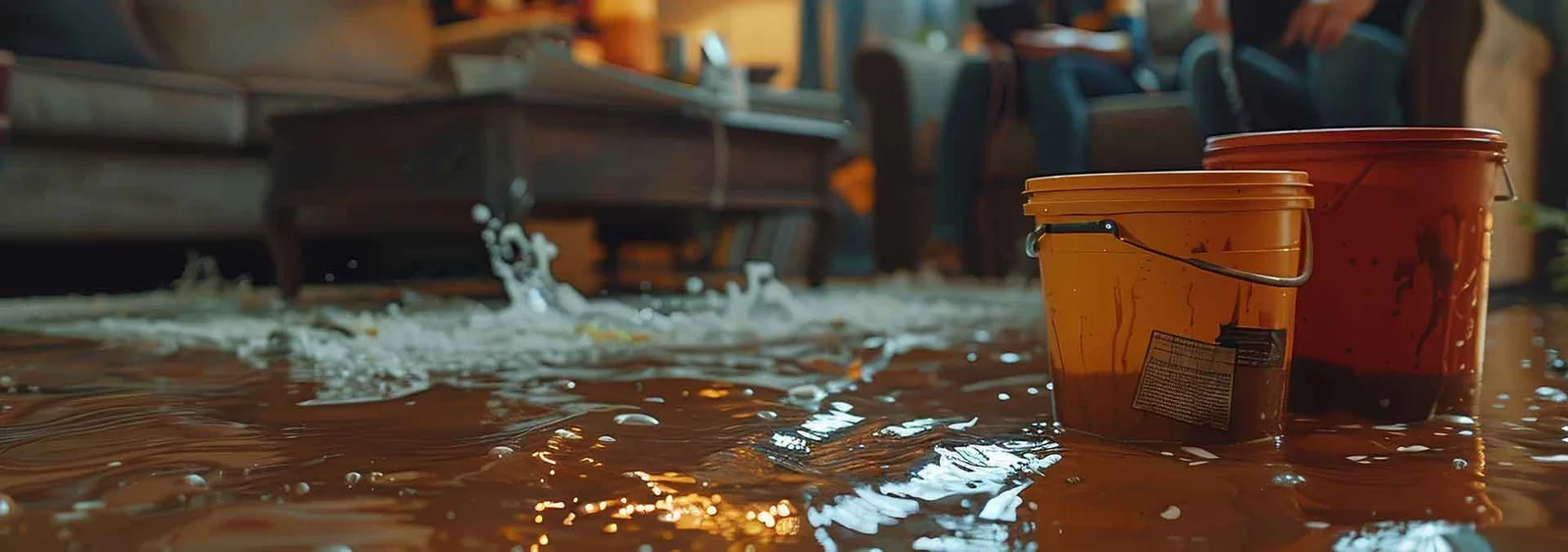
Water damage restoration in Applewood, CO requires swift professional response due to the area's unique climate and housing characteristics. Best Option Restoration of Lakewood provides 24/7 emergency services with IICRC-certified technicians who understand local conditions.
- Applewood's location along the Front Range creates distinct water damage patterns from spring snowmelt, sudden thunderstorms, and freeze-thaw cycles that can overwhelm aging drainage systems and home infrastructure.
- Most Applewood homes were built between 1955 and 1980, featuring construction vulnerabilities like aging pipes, cracked foundations, and finished basements that require specialized restoration approaches.
- The restoration process includes emergency water extraction, moisture mapping with thermal imaging, controlled drying calibrated for Front Range altitude, and detailed documentation for insurance claims.
Water damage restoration in Applewood, CO is a professional service that addresses water intrusion emergencies in homes and businesses. Trained technicians respond quickly to extract standing water, dry affected areas, and repair structural damage caused by flooding, burst pipes, or leaks. Fast action helps prevent mold growth and protects your property from long-term harm.
Overview
Water intrusion strikes without warning, and when it happens in your Applewood home, the clock starts ticking immediately. Whether you woke up to a flooded basement or discovered water seeping through your ceiling, the situation demands swift, professional intervention to prevent lasting structural damage and mold growth.
Water damage restoration encompasses far more than simply removing standing water. The process involves scientific assessment, industrial-grade extraction, controlled drying, and thorough sanitization to return your property to its pre-loss condition. Applewood's unique position along the Front Range – with its semi-arid climate punctuated by intense spring storms and rapid snowmelt cycles – creates distinct water damage patterns that require specialized local knowledge.
- Rapid water extraction using truck-mounted and portable equipment
- Moisture mapping and documentation throughout the drying process
- Structural drying with commercial air movers and dehumidifiers
- Antimicrobial treatment to prevent secondary damage from mold and bacteria
Common Issues in Applewood, CO
When Water Damage Peaks in Applewood
Rapid melting of heavy Front Range snowpack causes basement flooding and foundation water intrusion throughout Applewood.
Intense afternoon thunderstorms and hail bring flash flooding, roof leaks, and sudden water damage to homes.
Sub-zero temperatures cause pipe bursts and ice dam formation leading to interior water damage.
Applewood sits in an interesting microclimate where the foothills meet the Denver metro area. This positioning creates weather patterns that can shift dramatically within hours, bringing unexpected precipitation that overwhelms aging drainage systems and home infrastructure.
The community's established neighborhoods feature mature landscaping with extensive root systems. While beautiful, these trees can compromise underground pipes and foundation integrity over decades, creating pathways for water intrusion that homeowners rarely anticipate until damage becomes visible.
- Spring snowmelt overwhelming window wells and foundation drainage systems
- Sudden afternoon thunderstorms causing flash flooding in lower-lying areas near Clear Creek
- Aging polybutylene and galvanized steel pipes in mid-century homes failing without warning
- Ice dam formation during freeze-thaw cycles damaging roofing and causing interior leaks
- Sump pump failures during extended wet periods when systems run continuously
- Appliance failures in water heaters and washing machines approaching end-of-life
Watch for these warning signs that suggest developing water problems:
- Musty odors in basements or crawl spaces, especially after precipitation
- Unexplained increases in water bills indicating hidden leaks
- Staining or bubbling on walls and ceilings
- Warped flooring or baseboards pulling away from walls
How Best Option Restoration of Lakewood Can Help
Our restoration process follows industry-standard protocols while adapting to each unique situation we encounter in Applewood homes.
Assessment and Mitigation
- Emergency response team arrives to assess the scope and source of water intrusion
- Moisture meters and thermal imaging identify hidden water behind walls and under flooring
- Water source is stopped or contained when possible
- Extraction begins immediately using submersible pumps and truck-mounted units
- Affected contents are inventoried and moved to prevent further damage
Drying and Dehumidification
Once standing water is removed, the real work begins. We establish drying chambers using commercial equipment calibrated to Applewood's altitude and humidity levels.
- Strategic placement of air movers to create optimal airflow patterns
- Low-grain refrigerant dehumidifiers sized for the affected area
- Daily moisture readings documented at multiple checkpoints
- Adjustment of equipment placement based on drying progress
Restoration and Communication
Throughout the process, you receive regular updates on drying progress and next steps. Our project managers maintain direct communication rather than routing you through call centers. When moisture levels reach acceptable thresholds, we coordinate any necessary reconstruction work to complete your restoration.
Insurance & Documentation
Proper documentation transforms a stressful insurance claim into a manageable process. We capture detailed evidence from the moment we arrive on scene, creating a comprehensive record that supports your claim.
- Timestamped photographs documenting initial conditions and damage extent
- Moisture readings recorded at multiple points throughout the drying process
- Detailed inventory of affected materials and contents
- Daily drying logs showing equipment placement and readings
- Itemized scope of work aligned with insurance industry standards
Our team works directly with your insurance adjuster, speaking the same technical language and providing documentation in formats they recognize. We hold IICRC certifications that insurance companies accept as industry standard, and our documentation practices follow the guidelines adjusters expect to see.
You should not have to become an expert in water damage claims during an already difficult time. We handle the technical communication while keeping you informed about claim progress and any decisions that require your input.
Why Choose Best Option Restoration of Lakewood
Our technicians live and work in the Lakewood and Applewood area. We understand that a flooded basement in a 1970s split-level presents different challenges than water damage in a newer construction home. This local knowledge translates into faster diagnosis and more effective restoration strategies.
We maintain 24/7 availability because water damage does not wait for business hours. When you call, you reach our local team – not an answering service routing calls across the country.
- IICRC-certified technicians in water damage restoration
- Direct billing relationships with major insurance carriers
- Commercial-grade equipment maintained and ready for immediate deployment
- Transparent communication with daily progress updates
- Follow-up moisture verification after equipment removal
Housing Characteristics & Water Damage Restoration Considerations
Applewood's housing stock tells the story of suburban Denver's mid-century expansion. Most homes in the community were constructed between 1955 and 1980, representing the post-war building boom that transformed this area from agricultural land into established neighborhoods. These homes typically feature single-family ranch and split-level designs ranging from 1,200 to 2,400 square feet.
Construction methods from this era create specific vulnerabilities we encounter regularly:
- Poured concrete and cinder block foundations that may have developed cracks over decades
- Original cast iron drain lines approaching or exceeding their expected lifespan
- Flat or low-slope roof sections prone to ponding water
- Finished basements added later without proper moisture barriers
- Single-pane windows and aging weather sealing around frames
Many Applewood homes have undergone renovations over the years, sometimes concealing original plumbing or creating moisture pathways that were not part of the original design. When we respond to water damage in these properties, we account for both the original construction and any modifications that may affect how water travels through the structure. The prevalence of finished basements – many converted to living space in the 1980s and 1990s – means water intrusion often affects valuable finished areas rather than simple storage space.
Environmental Conditions & Water Damage Restoration Implications
Applewood's position at approximately 5,500 feet elevation creates a semi-arid climate with unique characteristics that directly impact water damage restoration. Average annual precipitation hovers around 15 inches, but this arrives unevenly – often in intense spring storms and summer monsoons that can drop significant moisture in short periods.
The region's clay-heavy soils present particular challenges for drainage and foundation integrity:
- Expansive clay soils swell when wet and shrink when dry, stressing foundations
- Poor natural drainage can direct water toward foundations during heavy precipitation
- Freeze-thaw cycles create soil movement that affects underground pipes
- Low humidity during dry periods can mask moisture problems until damage becomes severe
Denver Water provides municipal water service to much of Applewood, maintaining quality standards while dealing with infrastructure that varies in age throughout the service area. The combination of older galvanized supply lines in homes and mineral-rich mountain source water can accelerate pipe corrosion in ways that newer construction does not experience.
Our drying protocols account for Applewood's lower atmospheric pressure and typically low humidity. Equipment settings that work in coastal areas require adjustment here – we calibrate dehumidification targets and airflow calculations specifically for Front Range conditions to achieve optimal drying without over-drying materials.
Population Characteristics & Water Damage Restoration Considerations
Applewood maintains a suburban character with moderate population density, featuring established single-family neighborhoods rather than high-density development. The community attracts families and long-term residents who value the area's proximity to both downtown Denver and mountain recreation while maintaining a quieter residential atmosphere.
Household demographics in Applewood reflect a mix of longtime homeowners and newer families:
- Significant population of residents who have owned their homes for 20+ years
- Growing number of young families purchasing from original owners
- Median household income above state average, supporting home maintenance investment
- High percentage of owner-occupied properties rather than rentals
- Professional workforce with many residents employed in Denver metro business sectors
Long-term homeowners often have deep knowledge of their property's history – including past water issues, repairs, and modifications – that proves invaluable during restoration. However, newer owners may inherit hidden problems without documentation. The owner-occupied nature of most Applewood properties means residents are invested in thorough restoration rather than minimum repairs, and they typically maintain insurance coverage adequate for proper restoration work.
The professional demographic also means many residents work outside the home during business hours, requiring flexible scheduling for equipment monitoring and project updates.
Weather Patterns and Flood Risk in Applewood
Applewood's geography places it in a transitional zone where foothills drainage patterns meet urban development. Clear Creek runs along the community's northern edge, and while flood control improvements have reduced major flood risk since the devastating 1965 flood, localized flooding remains a concern during intense precipitation events.
Historical weather data reveals patterns that directly correlate with water damage incidents:
- May and June typically bring the highest precipitation totals, often from severe thunderstorms
- Afternoon storms can produce 1-2 inches of rainfall in under an hour
- Spring snowmelt combined with rain events creates peak basement flooding conditions
- Winter ice storms occasionally cause pipe freezes and subsequent failures
- Hailstorms damage roofing and create delayed leak pathways
Jefferson County maintains flood zone maps that show portions of Applewood in moderate flood risk areas, particularly properties closer to Clear Creek and its tributaries. Even properties outside designated flood zones experience water intrusion from storm drainage overwhelm, sewer backups during heavy rain, and groundwater rise during wet springs.
The Denver metro area has experienced several significant flooding events in recent decades, including the September 2013 floods that caused widespread damage along the Front Range. While Applewood fared better than mountain communities during that event, it served as a reminder that water damage risk extends beyond obvious flood zones. Our response protocols account for these local weather patterns, with enhanced staffing during peak storm seasons and equipment pre-positioned for rapid deployment when conditions indicate elevated risk.
Weather & Alerts in Applewood, CO
Current Conditions
Temp: 62°F · Feels like: 60°F
Humidity: 57% · Wind: 5 mph
Emergency Alerts
No active alerts.
Water Damage Restoration in Other Service Areas
Useful Numbers
- Life-threatening emergencies
- 911
- Poison Control
- 1-800-222-1222
- Suicide Prevention Lifeline
- 988
- Police (non-emergency)
- Visit your local police department website
- Fire Department (non-emergency)
- Check the Applewood city website
- City Hall
- Available on the official Applewood government website
- Non-Emergency Services
- Call 311 if available in your area
Always verify numbers from official city/county websites.