
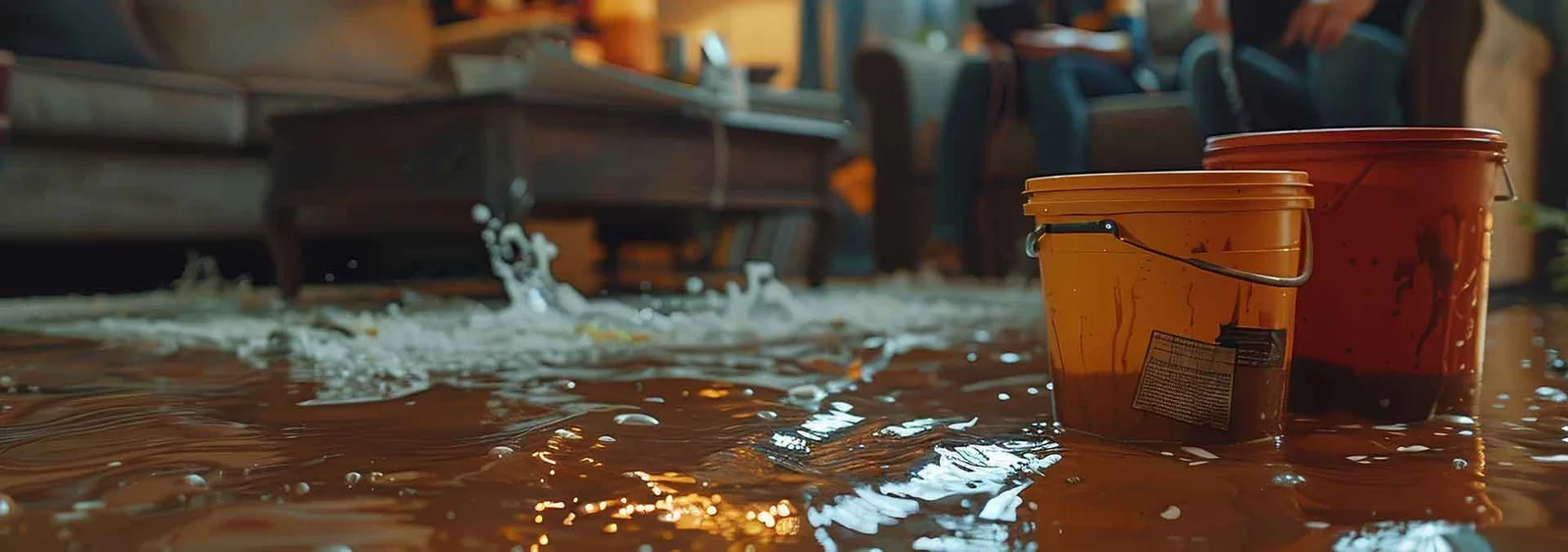
Best Option Restoration of Lakewood provides water damage restoration services in Thornton, CO, offering 24/7 emergency response with IICRC-certified technicians who use commercial-grade equipment calibrated for high-altitude conditions.
- The company handles the full restoration process including moisture detection, industrial extraction, structural drying, and mold prevention. They use thermal imaging and moisture meters to find hidden water damage behind walls and under flooring.
- Thornton faces unique water damage risks from rapid thunderstorms, spring snowmelt, clay-heavy soils, and aging infrastructure in older neighborhoods. Many homes built between 1970 and 2000 have plumbing and materials reaching end of service life.
- The team provides detailed documentation for insurance claims including timestamped photos, moisture mapping, daily drying logs, and final verification reports. They work directly with insurance adjusters and maintain project files for future reference.
Water damage restoration is a professional recovery process that removes standing water, dries affected areas, and repairs property after flooding or leaks. In Thornton, CO, restoration teams respond quickly to extract water using specialized equipment, set up industrial dehumidifiers and air movers, and restore damaged materials to prevent mold growth and structural issues.
Overview
Last spring, a Thornton family returned from a weekend trip to find their basement submerged in three inches of water. A failed sump pump during an unexpected storm had turned their finished lower level into a soggy disaster. Within hours of calling Best Option Restoration of Lakewood, extraction crews arrived and began the recovery process – transforming panic into relief.
Water damage restoration encompasses far more than simply removing visible water. The process involves sophisticated moisture detection, industrial extraction, structural drying, and preventing secondary damage like mold growth. Professional intervention matters because water infiltrates hidden spaces – wall cavities, subfloor materials, and insulation – where amateur efforts often fall short.
Thornton's unique position along the Front Range creates specific challenges. The semi-arid climate means homes aren't always built with extensive waterproofing, yet sudden thunderstorms and spring snowmelt regularly overwhelm drainage systems. Key benefits of professional water damage restoration include:
- Rapid moisture extraction using truck-mounted equipment that removes water faster than rental units
- Thermal imaging and moisture meters to identify hidden saturation behind walls and under flooring
- Controlled drying environments that prevent warping, swelling, and microbial growth
- Documentation packages that satisfy insurance requirements for claim processing
Common Issues in Thornton, CO
When Water Damage Peaks in Thornton
Rapid snowmelt from Colorado's heavy winter snowpack causes basement flooding and foundation seepage throughout the Front Range.
Intense afternoon thunderstorms and hail common to the Denver metro area cause roof leaks, flash flooding, and storm damage.
Extreme cold snaps and temperature fluctuations lead to burst pipes and ice dam damage in Thornton homes.
Best Option Restoration of Lakewood provides Water Damage Restoration services in all neighborhoods of Thornton including Amber Creek, Burgundy, Eastlake, Fox Run, Holiday Hills Village, Lambertson Lakes, Loma Linda Estates, Marshall Lake, North Hills, Original Thornton, Pine Lakes Ranch, Quebec Highlands, The Grove at Alta Ridge, Wind Dance, Woodland Hills, and York Highlands.
Thornton sits at approximately 5,350 feet elevation where weather patterns shift rapidly. Afternoon thunderstorms roll off the Rockies between May and September, dropping intense rainfall in short bursts. These downpours overwhelm storm drains and window wells, sending water into basements and lower levels before residents realize what's happening.
Spring snowmelt presents another recurring challenge. Heavy snowpack accumulated through winter melts quickly during warm spells, saturating soil around foundations. Homes built on clay-heavy soils – common throughout the northern Denver metro – experience hydrostatic pressure that pushes groundwater through foundation cracks and floor joints.
Local factors contributing to water damage in Thornton include:
- Rapid freeze-thaw cycles that stress plumbing, particularly in unheated spaces like garages and crawlspaces
- Aging municipal infrastructure in established neighborhoods that occasionally backs up during heavy rain events
- Swamp cooler connections that fail after winter dormancy, flooding attics and upper floors
- Irrigation system blowouts and spring startups that reveal cracked lines near foundations
- Hail damage to roofing that creates slow leaks – often undetected until ceiling staining appears
- Hot water heater failures in homes with units located on main floors rather than basements
Warning signs that indicate developing water problems include musty odors in specific rooms, bubbling or peeling paint near floor level, and unexplained increases in water bills. Discoloration on walls or ceilings – even small spots – often indicates larger moisture issues hidden behind surfaces.
How Best Option Restoration of Lakewood Can Help
Our restoration process follows industry-standard protocols while adapting to each situation's specific demands. Every water damage event differs based on water source, duration of exposure, and affected materials.
Initial Response and Assessment
- Emergency contact answered by trained staff who gather critical information about the water source and affected areas
- Rapid dispatch of technicians equipped with moisture detection tools and initial extraction equipment
- Comprehensive inspection using infrared cameras to map moisture migration beyond visible damage
- Water classification determination – identifying whether contamination levels require special handling
- Detailed scope documentation with photographs and moisture readings at multiple points
Extraction and Drying Process
Standing water removal begins immediately using submersible pumps and truck-mounted extraction units. These commercial systems remove hundreds of gallons per hour – far exceeding what portable rental equipment achieves.
- Weighted extraction tools pull moisture from carpet padding and subfloor materials
- Air movers positioned strategically to create optimal airflow patterns across wet surfaces
- Commercial dehumidifiers calibrated to Thornton's altitude and ambient humidity levels
- Daily monitoring with documented moisture readings to track drying progress
- Adjustment of equipment placement based on drying curves and remaining moisture pockets
Communication and Quality Control
Technicians provide daily updates on drying progress and expected timelines. Before equipment removal, final moisture readings confirm materials have reached acceptable levels – preventing premature closure that leads to mold growth or structural damage.
Insurance & Documentation
Water damage claims require thorough documentation from the moment damage is discovered. Insurance adjusters expect detailed records showing the damage extent, restoration steps taken, and verification that proper drying occurred.
Our documentation practices support successful claims:
- Timestamped photographs of initial conditions before any work begins
- Moisture mapping diagrams showing affected areas and saturation levels
- Daily drying logs with psychrometric readings and equipment inventory
- Material inventories listing damaged items with descriptions and locations
- Final verification reports confirming moisture levels meet industry standards
Best Option Restoration of Lakewood technicians hold IICRC certifications – the standard insurance companies recognize for water damage restoration. We communicate directly with adjusters when authorized, providing technical explanations that help move claims forward.
Record keeping extends beyond the active restoration period. We maintain project files that document the complete restoration timeline, equipment used, and final moisture verification – records that prove valuable if questions arise months later.
Why Choose Best Option Restoration of Lakewood
Our team responds to water emergencies around the clock because water damage worsens by the hour. Technicians arrive equipped with extraction and drying equipment – not empty-handed to assess before returning later with tools.
Local knowledge matters in restoration work. We understand Thornton's housing stock, common plumbing configurations, and seasonal patterns that affect drying times. This familiarity translates into faster, more effective restoration.
- IICRC-certified technicians trained in water damage restoration, applied structural drying, and microbial remediation
- Direct billing relationships with major insurance carriers simplifying the claims process
- Equipment calibrated for high-altitude conditions where standard drying calculations don't apply
- Follow-up moisture verification before project closeout to prevent secondary damage
We treat every home like our own – protecting unaffected areas, communicating clearly about what's happening, and restoring normalcy as quickly as proper restoration allows.
Housing Characteristics & Water Damage Restoration Considerations
Thornton experienced its most significant residential growth between 1970 and 2000, with continued expansion into newer developments along the city's northern and eastern edges. This means a substantial portion of the housing stock ranges from 25 to 55 years old – an age range where original plumbing, water heaters, and roofing materials often reach the end of their service life.
Single-family homes dominate Thornton's residential landscape, though multi-family developments have increased in recent decades. Typical homes range from 1,200 to 2,400 square feet, with many featuring finished basements that effectively double living space. These below-grade finished areas face elevated water damage risk from groundwater intrusion and foundation seepage.
Construction Methods and Material Concerns
- Homes from the 1970s-1980s commonly feature polybutylene plumbing – a material prone to sudden failure
- Concrete slab foundations in many developments lack modern vapor barriers beneath them
- Original cast iron drain lines in older sections may corrode or develop root intrusion
- Tract home construction often used similar layouts, meaning common failure points across neighborhoods
Newer construction in areas like Thorncreek and North End developments features modern materials but isn't immune to water damage. Quick settlement schedules sometimes mean landscaping hasn't fully established drainage patterns, and new appliance connections occasionally fail during the first year.
Environmental Conditions & Water Damage Restoration Implications
Thornton's semi-arid climate averages just 15 inches of precipitation annually, yet that moisture arrives unevenly. Summer thunderstorms can drop an inch or more in under an hour, overwhelming drainage systems designed for gradual rainfall. This feast-or-famine precipitation pattern means homes experience both drought stress and sudden flooding.
The region's clay-heavy soils expand when wet and contract when dry. This soil movement creates foundation stress and opens pathways for water intrusion. Homes near Big Dry Creek and other drainage corridors face elevated flood risk during major storm events.
Environmental Factors Affecting Restoration
- Low ambient humidity – typically 30-40% – accelerates structural drying once equipment is deployed
- Altitude affects dehumidifier performance, requiring equipment calibrated for 5,000+ feet elevation
- Temperature swings of 30+ degrees daily stress building materials and plumbing connections
- Winter inversions trap cold air, keeping unheated spaces at freezing temperatures for extended periods
- Municipal water contains moderate mineral content that leaves deposits in aging pipes
Air quality concerns during restoration include dust from construction activity and potential mold spore release if contamination exists. Our containment procedures address both issues, protecting indoor air quality during the restoration process.
Population Characteristics & Water Damage Restoration Considerations
Thornton has grown into Colorado's sixth-largest city with a population exceeding 140,000 residents. This suburban community attracts families seeking affordable housing within commuting distance of Denver, Boulder, and the growing employment centers along the I-25 corridor.
Median household income in Thornton hovers around $75,000-$85,000 – solidly middle-class families who have invested significantly in their homes. Many residents have converted basements into family rooms, home offices, or rental units, increasing the stakes when water damage occurs in below-grade spaces.
Demographic Patterns Affecting Service Needs
- Dual-income households mean homes often sit empty during work hours when leaks develop unnoticed
- Growing senior population in established neighborhoods may need additional assistance during restoration
- Diverse community with Spanish-speaking households benefits from bilingual communication options
- First-time homeowners in newer developments may lack experience recognizing water damage warning signs
Thornton's working population commutes to jobs across the metro area. Healthcare, retail, and distribution center employment dominate, with many residents working variable schedules. This means restoration teams must accommodate flexible access times and maintain clear communication with homeowners who can't always be present during work hours.
Weather Patterns and Water Damage Statistics in Thornton
The northern Denver metro region experiences weather patterns that directly correlate with water damage frequency. Thornton sits in a zone where upslope storms from the east collide with moisture from the mountains, creating intense precipitation events that catch residents off guard.
Local Weather Data Relevant to Water Damage
- Average of 48 thunderstorm days annually, concentrated between April and September
- Spring snowstorms (March-May) often produce wet, heavy snow that melts rapidly
- Flash flood watches issued multiple times each summer for the Big Dry Creek watershed
- Hail events averaging golf ball size or larger occur 2-3 times per year, damaging roofing
- Winter temperature swings from 50°F to below zero within 24 hours stress plumbing systems
Insurance industry data shows water damage claims rank as the second most common homeowner claim type in Colorado, behind only hail damage. The average water damage claim in the Denver metro exceeds $10,000 when accounting for extraction, drying, and necessary repairs.
Thornton's position along several drainage corridors means certain neighborhoods face elevated flood risk. Areas near Niver Creek, Big Dry Creek, and their tributaries have experienced flooding during significant storm events. Even homes outside designated flood zones experience water intrusion from overwhelmed storm systems and saturated soils.
Seasonal patterns show distinct peaks in water damage calls. Spring snowmelt (March-April), summer thunderstorm season (June-August), and the winter freeze period (December-February) each generate increased service requests. Understanding these patterns helps homeowners take preventive action – clearing gutters before spring, testing sump pumps before storm season, and insulating vulnerable pipes before winter.
Weather & Alerts in Thornton, CO
Current Conditions
Temp: 66°F · Feels like: 66°F
Humidity: 85% · Wind: 1 mph
Emergency Alerts
No active alerts.
Water Damage Restoration in Other Service Areas
Useful Numbers
- Life-threatening emergencies
- 911
- Poison Control
- 1-800-222-1222
- Suicide Prevention Lifeline
- 988
- Police (non-emergency)
- Visit your local police department website
- Fire Department (non-emergency)
- Check the Thornton city website
- City Hall
- Available on the official Thornton government website
- Non-Emergency Services
- Call 311 if available in your area
Always verify numbers from official city/county websites.