
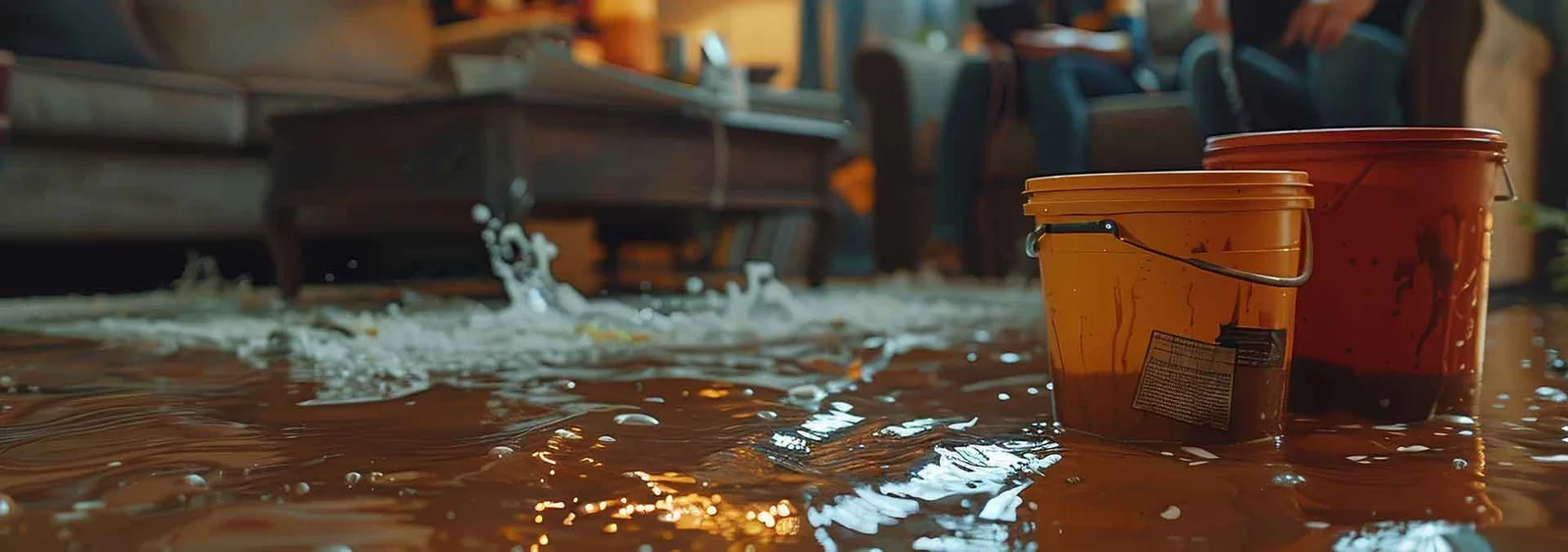
Best Option Restoration of Lakewood provides water damage restoration services for Broomfield, CO homes, offering 24/7 emergency response with IICRC-certified technicians who understand local housing and climate conditions.
- Water damage requires immediate attention as moisture in walls, floors, and structural components leads to more extensive and expensive repairs over time. Professional restoration includes moisture detection, controlled drying, antimicrobial treatments, and structural assessment.
- Broomfield faces unique water damage risks including spring snowmelt flooding, hail damage to roofs, aging plumbing in older neighborhoods, and clay-heavy soils that stress foundations. Warning signs include musty odors, water bill increases, and wall discoloration.
- The company provides direct insurance billing and detailed documentation including time-stamped photos, moisture readings, and daily work logs to support claims. Their Lakewood location allows response to Broomfield properties typically within an hour.
Water damage restoration in Broomfield, CO is a professional service that addresses water intrusion from burst pipes, appliance failures, and other sources. The process involves removing standing water, drying affected areas, and repairing walls, floors, and structural components. Quick response is critical because lingering moisture leads to more extensive and costly repairs over time.
Overview
What happens when water finds its way where it shouldn't be in your Broomfield home? Whether from a burst pipe during a cold snap or an unexpected appliance failure, water damage demands immediate attention. The longer moisture lingers in your walls, floors, and structural components, the more extensive – and expensive – the restoration process becomes.
Water damage restoration encompasses far more than simply removing visible water. Professional restoration involves moisture detection using specialized equipment, controlled drying processes, antimicrobial treatments, and structural assessment to ensure your home returns to a safe, pre-loss condition. In Broomfield's semi-arid climate with dramatic temperature swings, the approach to water damage must account for local conditions that affect drying times and secondary damage risks.
- Rapid water extraction prevents structural deterioration and mold development
- Professional-grade dehumidification addresses moisture hidden within walls and subfloors
- Thorough documentation supports insurance claims and protects your investment
- Local expertise means understanding Broomfield's unique construction styles and climate challenges
Common Issues in Broomfield, CO
Seasonal risk calendar for Water Damage Restoration in Broomfield, CO
Based on local patterns and building stock, the months below tend to see the most calls.
Broomfield sits at the intersection of Colorado's Front Range climate patterns, making it susceptible to specific water damage scenarios that differ from other regions. The city's position between Denver and Boulder exposes properties to sudden weather shifts, including intense afternoon thunderstorms during summer months and rapid freeze-thaw cycles throughout winter.
Homes throughout Broomfield face particular vulnerabilities based on the community's development history. Properties in established neighborhoods near the Broomfield Commons area often have aging plumbing systems, while newer developments in the Interlocken and Arista districts may experience settling-related pipe stress. The region's clay-heavy soils expand and contract with moisture changes, placing additional pressure on foundations and underground utilities.
- Spring snowmelt combined with frozen ground creates basement flooding conditions
- Hail damage to roofing materials allows slow water intrusion that goes unnoticed for weeks
- Aging water heaters in homes built during Broomfield's 1990s expansion are reaching failure points
- HVAC condensation issues worsen during humid summer afternoons following thunderstorms
- Irrigation system failures from freeze damage often manifest when systems restart in spring
- Ice dams forming on north-facing roofs during sunny winter days force water beneath shingles
Warning signs that demand immediate attention include musty odors in basements or crawl spaces, unexplained increases in water bills, discoloration on ceilings or walls, and warping in hardwood floors. Broomfield homeowners should also watch for efflorescence – white mineral deposits on basement walls – which indicates moisture migration through concrete.
How Best Option Restoration of Lakewood Can Help
Our restoration process begins the moment you contact us, with a systematic approach designed to minimize damage and maximize recovery of your property and belongings.
Initial Response and Assessment
- Emergency contact establishes the scope of your situation and dispatches our response team
- On-site inspection uses infrared cameras and moisture meters to map all affected areas
- Water source identification and mitigation stops ongoing damage immediately
- Comprehensive documentation photographs and catalogs all affected materials and contents
- Detailed restoration plan development outlines the complete recovery process
Active Restoration Phase
Once assessment is complete, our technicians deploy extraction equipment appropriate to the water volume and affected materials. This phase moves quickly to prevent secondary damage.
- Truck-mounted extraction units remove standing water rapidly
- Structural cavity drying systems address moisture within wall assemblies
- Commercial dehumidifiers and air movers establish controlled drying environments
- Antimicrobial treatments prevent bacterial and fungal growth
- Daily moisture monitoring tracks progress toward target dryness levels
Quality Control and Communication
Throughout the restoration process, we maintain detailed moisture readings and photographic documentation. You receive regular updates on drying progress, and our team remains accessible to answer questions. Final verification includes third-party moisture testing when requested, ensuring your property meets industry standards for complete drying before reconstruction begins.
Insurance & Documentation
Navigating insurance claims during a water damage event adds stress to an already difficult situation. Our team works directly with insurance adjusters, providing the detailed documentation carriers require to process claims efficiently.
From the initial inspection, we create comprehensive records that support your claim.
- Time-stamped photographs documenting initial conditions and damage extent
- Moisture readings with equipment calibration records
- Itemized inventory of affected contents with condition assessments
- Daily work logs detailing all restoration activities
- Final drying verification reports meeting IICRC S500 standards
Our technicians hold IICRC certifications in Water Damage Restoration (WRT) and Applied Structural Drying (ASD). These credentials demonstrate adherence to industry-standard protocols that insurance companies recognize. We communicate directly with your adjuster when authorized, providing technical explanations that facilitate claim approval and helping resolve questions about restoration scope or methodology.
Why Choose Best Option Restoration of Lakewood
Local response capability sets us apart when water damage strikes your Broomfield property. Our Lakewood base positions us to reach Broomfield locations rapidly, typically within an hour of your call. We maintain fully stocked response vehicles ready for immediate deployment – no waiting for equipment to arrive from distant warehouses.
Our technicians understand Broomfield's housing stock intimately. From the split-level homes common in original Broomfield neighborhoods to contemporary construction in Anthem Highlands, we recognize the specific challenges each building type presents. This familiarity translates to faster assessment and more effective restoration strategies.
- 24/7 emergency response with live call answering – no voicemail during crises
- IICRC-certified technicians with ongoing training in latest restoration techniques
- Direct insurance billing reduces your out-of-pocket burden during claims
- Post-restoration follow-up ensures complete satisfaction and addresses any concerns
Housing Characteristics & Water Damage Restoration Considerations
Broomfield's housing stock reflects the community's evolution from agricultural land to thriving suburb. The original Broomfield Heights neighborhood features ranch-style homes from the 1950s and 1960s, while massive expansion during the 1980s and 1990s added thousands of two-story and split-level properties. More recent development in areas like Anthem Ranch and Wildgrass introduced contemporary construction with modern building codes.
This diverse housing age creates varied water damage restoration challenges.
- Homes from the 1960s often contain cast iron drain lines prone to corrosion and failure
- 1980s construction frequently used polybutylene plumbing – a material known for sudden failures
- Older homes may have inadequate vapor barriers in crawl spaces
- Split-level designs common in Broomfield create complex water migration patterns
- Finished basements – popular throughout the community – increase contents exposure during flooding
Average home sizes in Broomfield range from approximately 1,400 square feet in older neighborhoods to over 3,000 square feet in newer developments. Larger homes require more extensive drying equipment deployment and longer monitoring periods. The prevalence of concrete slab foundations in many Broomfield neighborhoods presents specific challenges – moisture trapped beneath flooring materials requires specialized bottom-up drying techniques and extended drying times compared to homes with accessible crawl spaces.
Environmental Conditions & Water Damage Restoration Implications
Broomfield's semi-arid high plains climate significantly influences water damage restoration approaches. Average relative humidity hovers around 40-50%, which generally supports faster drying than humid coastal regions. However, this advantage comes with complications – low ambient humidity can cause overly rapid surface drying that traps moisture within materials, creating hidden damage zones.
Several environmental factors shape our restoration protocols in Broomfield.
- Elevation of approximately 5,400 feet affects equipment performance and drying calculations
- Winter temperature inversions can trap indoor humidity, slowing drying processes
- Summer afternoon thunderstorms frequently coincide with high outdoor humidity, complicating ventilation strategies
- Hard municipal water from the Northern Colorado Water Conservancy District leaves mineral deposits during flooding events
- Clay-dominant soils in many Broomfield neighborhoods retain moisture against foundations
Air quality considerations also factor into restoration work. Broomfield occasionally experiences elevated particulate levels from regional wildfire smoke during summer months. During these periods, we adjust our air filtration protocols and may limit outdoor air introduction during the drying process. The community's location along the US-36 corridor means properties near major roadways may have existing particulate accumulation in HVAC systems that becomes mobilized during water damage events.
Population Characteristics & Water Damage Restoration Considerations
Broomfield's population of approximately 75,000 residents represents a diverse community with specific service needs. The city functions as both a county and municipality – the only consolidated city-county in Colorado – creating unique administrative considerations for restoration projects. Median household income exceeds $100,000, reflecting the community's strong employment base in technology, healthcare, and professional services sectors.
These demographic characteristics influence water damage restoration patterns in several ways.
- Many households include dual-income professionals with demanding schedules requiring flexible appointment times
- Higher property values mean more finished spaces and valuable contents at risk during water events
- Significant population of families with children increases urgency around health-related concerns like mold prevention
- Growing senior population in communities like Anthem Ranch may need additional communication and coordination support
- Work-from-home prevalence following the pandemic means home office equipment often requires attention during restoration
Broomfield's suburban character means most properties are owner-occupied single-family homes, though the Arista and Interlocken areas include substantial multi-family and rental housing. Owner-occupants typically engage more directly in restoration decisions, while rental properties require coordination between tenants, property managers, and owners. We adapt our communication approach accordingly, ensuring all stakeholders remain informed throughout the restoration process.
Weather Patterns and Water Damage Statistics in Broomfield
Broomfield's position along Colorado's Front Range places it directly in the path of weather systems that generate significant water damage claims. The region experiences an average of 18 inches of annual precipitation, with the majority falling between April and August. However, precipitation intensity matters more than total volume – Broomfield regularly experiences thunderstorms capable of dropping an inch or more of rain within a single hour.
Local weather data reveals patterns that directly correlate with water damage incidents.
- March through May sees the highest frequency of burst pipe claims as freeze-thaw cycles stress plumbing systems
- June and July thunderstorms generate the majority of roof leak and window intrusion claims
- Broomfield averages 7-10 hail events annually, with several typically reaching damaging size
- Winter upslope storms can deposit 12-24 inches of heavy, wet snow that stresses roofing systems
- Flash flood advisories affect low-lying areas near Big Dry Creek multiple times each summer
Insurance industry data indicates Colorado consistently ranks among the top states for water damage claims, with the Front Range corridor experiencing particularly high claim frequency. Broomfield's newer developments often include finished basements and lower-level living spaces that increase exposure during water events. Properties near the Big Dry Creek corridor and in areas with high water tables face elevated groundwater intrusion risks during wet periods.
Understanding these local patterns helps Broomfield homeowners take preventive action. Sump pump maintenance before spring snowmelt, roof inspections following hail events, and pipe insulation before winter all reduce water damage likelihood. When prevention falls short, rapid professional response minimizes the impact of these predictable weather-related events.
Weather & Alerts in Broomfield, CO
Current Conditions
Temp: 58°F · Feels like: 57°F
Humidity: 65% · Wind: 6 mph
Emergency Alerts
No active alerts.
Water Damage Restoration in Other Service Areas
Useful Numbers
- Life-threatening emergencies
- 911
- Poison Control
- 1-800-222-1222
- Suicide Prevention Lifeline
- 988
- Police (non-emergency)
- Visit your local police department website
- Fire Department (non-emergency)
- Check the Broomfield city website
- City Hall
- Available on the official Broomfield government website
- Non-Emergency Services
- Call 311 if available in your area
Always verify numbers from official city/county websites.