
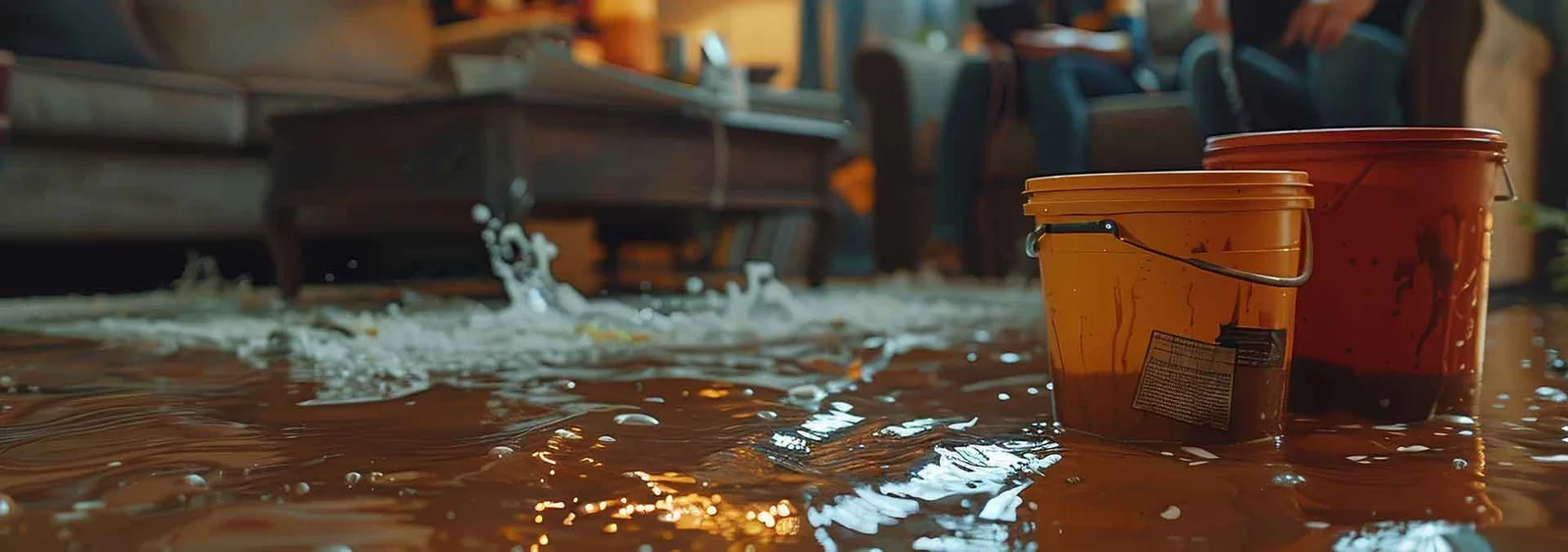
Best Option Restoration of Lakewood provides water damage restoration services for Genesee, CO, a mountain community at 8,000 feet elevation where unique environmental conditions require specialized restoration approaches.
- The company offers emergency water extraction, structural drying, and full repairs using equipment calibrated for high-altitude conditions and lower humidity levels. They maintain vehicles equipped for year-round mountain access.
- Genesee homes face distinct water damage risks including ice dams, frozen pipe bursts, groundwater seepage during spring runoff, and sump pump failures. Many properties have walkout basements built into hillsides.
- The team holds IICRC certifications and provides thorough insurance documentation including timestamped photos, moisture readings, and itemized equipment records. They work directly with insurance carriers and offer 24-hour emergency response.
Water damage restoration is a specialized service that removes unwanted water from properties, dries affected structures, and returns them to their pre-loss condition. The process includes emergency water extraction, structural drying, and complete repairs. For mountain communities like Genesee at 8,000 feet elevation, this service addresses unique challenges of remote locations and high-altitude conditions.
Overview
What happens when water invades your Genesee home at 8,000 feet elevation where help seems far away? Water damage restoration addresses this urgent concern by removing unwanted water, drying affected structures, and returning your property to its pre-loss condition. This specialized service encompasses everything from emergency water extraction to complete structural repairs.
Professional intervention matters because water behaves differently at high altitude. Lower air pressure affects evaporation rates, and the mountain environment introduces variables that generic restoration approaches simply cannot address. Genesee's unique position along the Front Range foothills – combined with its affluent residential character and larger custom homes – demands restoration expertise calibrated to these specific conditions.
- Rapid emergency response tailored to mountain community access challenges
- Advanced moisture detection equipment calibrated for high-altitude conditions
- Comprehensive structural drying that accounts for Genesee's lower humidity levels
- Full documentation for insurance claims with detailed photographic evidence
Common Issues in Genesee, CO
When Water Damage Peaks in Genesee
Heavy mountain snowpack melting causes flooding, foundation seepage, and water intrusion in this high-elevation foothill community.
Intense afternoon thunderstorms bring flash flooding and roof leaks to mountain properties.
Harsh mountain winters cause ice dams on roofs and frozen pipe bursts in this 8,000+ foot elevation area.
Genesee sits in a transitional zone where Denver's urban edge meets true mountain terrain. This geography creates water damage scenarios distinct from lower elevation communities. Heavy spring snowmelt can overwhelm drainage systems designed for normal precipitation, while summer monsoon storms deliver intense rainfall in short bursts that challenge even well-maintained properties.
The community's homes – many built into hillsides with walkout basements – face groundwater intrusion risks that flat-terrain properties never encounter. Freeze-thaw cycles at this elevation are more severe and frequent than in Denver proper, stressing pipes, foundations, and roofing materials throughout the winter months.
- Ice dam formation on roofs during temperature fluctuations causing interior leaks
- Frozen pipe bursts in exterior walls and unheated spaces during cold snaps
- Groundwater seepage through foundation walls during spring runoff season
- Sump pump failures during power outages from mountain storms
- Appliance failures in vacation properties left unattended for extended periods
- Wildlife damage to exterior plumbing and roofing materials
Warning signs that demand immediate attention include musty odors in lower levels, visible moisture on interior walls, unexplained increases in water bills, and soft spots in flooring near plumbing fixtures. Catching these indicators early prevents minor issues from becoming major restoration projects.
How Best Option Restoration of Lakewood Can Help
Our restoration process begins the moment you contact us. We dispatch technicians equipped for mountain access who understand that reaching Genesee properties requires different planning than urban service calls.
Our Step-by-Step Restoration Process
- Emergency contact and initial assessment – we gather information about the water source, affected areas, and any safety concerns before dispatch
- On-site inspection using thermal imaging and moisture meters to map the full extent of water intrusion
- Water extraction using truck-mounted and portable equipment appropriate for the specific situation
- Structural drying with commercial-grade air movers and dehumidifiers positioned for optimal airflow
- Daily monitoring with documented moisture readings to track drying progress
- Antimicrobial treatment to prevent mold growth in affected materials
- Final inspection and clearance testing before reconstruction begins
Techniques and Equipment
- Injectidry systems for drying wall cavities without unnecessary demolition
- Hardwood floor drying mats that preserve original flooring when possible
- HEPA air filtration to maintain indoor air quality during restoration
- Psychrometric calculations adjusted for Genesee's altitude and climate
Communication happens on your schedule. We provide daily updates via your preferred method – phone, text, or email – and remain available to answer questions throughout the restoration timeline. Our project managers coordinate all phases so you have a single point of contact rather than juggling multiple contractors.
Insurance & Documentation
Water damage claims require thorough documentation that insurance adjusters can verify and approve. We create comprehensive records from the first moment on-site, capturing the damage before any mitigation work begins.
Our documentation package includes timestamped photographs, moisture readings with equipment calibration records, detailed scope-of-work descriptions, and material inventories for damaged contents. This evidence supports your claim and helps prevent delays or disputes during the adjustment process.
- Initial damage assessment with photo and video documentation
- Daily moisture logs showing drying progress with specific readings
- Itemized equipment usage records for insurance billing accuracy
- Material samples when contamination testing is warranted
- Final clearance documentation confirming restoration completion
We work directly with insurance carriers and can bill them directly when your policy allows. Our team holds IICRC certifications – the industry standard that insurance companies recognize – ensuring our methods and documentation meet adjuster expectations. This compliance streamlines approval and helps you receive fair compensation for covered losses.
Why Choose Best Option Restoration of Lakewood
Our Lakewood location positions us perfectly for rapid Genesee response. We maintain vehicles equipped for mountain access year-round, including chains and four-wheel-drive capability when winter conditions demand them. This preparation means weather delays rarely prevent us from reaching your property when you need us.
Technicians on our team hold certifications including:
- IICRC Water Restoration Technician (WRT)
- IICRC Applied Structural Drying (ASD)
- IICRC Applied Microbial Remediation (AMRT)
- EPA Lead-Safe Certified for work in older homes
We answer calls around the clock because water damage does not wait for business hours. Our commitment extends beyond the initial restoration – we follow up after project completion to confirm your satisfaction and address any concerns that arise. This end-to-end service approach means you work with one company from emergency response through final repairs.
Housing Characteristics & Water Damage Restoration Considerations
Genesee's housing stock reflects its development as an exclusive mountain residential community beginning in the 1970s and continuing through the present day. Most homes were constructed between 1975 and 2005, with a second wave of luxury construction occurring from 2010 onward. This means properties range from approaching fifty years old to brand new, each with distinct restoration considerations.
The community consists almost entirely of single-family homes, many exceeding 4,000 square feet with complex floor plans that include multiple levels, walkout basements, and vaulted ceilings. These architectural features affect water damage patterns and restoration approaches in specific ways:
- Multi-level construction allows water to travel between floors through hidden pathways
- Vaulted ceilings complicate drying by creating air stratification that traps moisture high in rooms
- Walkout basements face both surface water and groundwater intrusion risks
- Custom construction means non-standard materials requiring specialized restoration knowledge
- Large square footage demands more equipment and longer drying times
Homes built in the 1970s and 1980s often contain materials no longer used in construction – including certain insulation types and original polybutylene plumbing – that require careful handling during restoration. Properties from this era may also have foundations and waterproofing systems that have reached the end of their effective lifespan, making them more vulnerable to water intrusion during heavy precipitation events.
Environmental Conditions & Water Damage Restoration Implications
Genesee's environmental profile directly influences how water damage occurs and how restoration must proceed. At roughly 8,000 feet elevation, the community experiences lower atmospheric pressure that affects evaporation rates and drying calculations. Our technicians adjust dehumidifier and air mover placement to account for these altitude-specific factors.
Key environmental characteristics affecting restoration include:
- Average annual precipitation of approximately 20 inches, concentrated in spring and summer months
- Low average humidity – typically 30-40% – that accelerates surface drying but can mask moisture trapped in building materials
- Temperature swings of 40 degrees or more within 24-hour periods during shoulder seasons
- Rocky, granitic soil with limited absorption capacity that promotes surface runoff
- Wildfire risk that affects air quality and may require additional filtration during restoration
Water quality in Genesee comes from Denver Water, which maintains high treatment standards. However, homes with private wells – present in some areas – may have mineral content that leaves deposits when water damage occurs. Understanding the water source helps us anticipate cleaning challenges and select appropriate treatments for affected surfaces.
The forested environment surrounding most Genesee properties contributes organic debris that can clog gutters and drainage systems, creating conditions for water intrusion. Regular maintenance of these systems represents the most effective preventative measure homeowners can take.
Population Characteristics & Water Damage Restoration Considerations
Genesee functions as an unincorporated community within Jefferson County with a population under 5,000 residents. This low-density, rural-suburban character means properties sit on larger lots with greater distances between neighbors – a factor that affects both how water damage is discovered and how quickly help can arrive.
The demographic profile of Genesee residents shapes service expectations and needs:
- Median household income substantially above state and national averages
- High percentage of professional and executive-level occupations among residents
- Significant number of properties used as second homes or vacation residences
- Aging-in-place population in homes built during the community's early development
- Families with children in homes requiring careful attention to indoor air quality
The presence of vacation and second homes creates unique water damage risks. Properties left unoccupied for extended periods may experience pipe freezes, appliance failures, or slow leaks that go undetected for days or weeks. We recommend homeowners with secondary residences install water monitoring systems that provide alerts when moisture is detected or water flow exceeds normal patterns.
Genesee residents typically expect premium service quality and clear communication throughout the restoration process. Our approach emphasizes transparency, detailed explanations of procedures, and respect for high-value properties and their contents. We understand that homes in this community often contain irreplaceable items and custom finishes that require careful protection during restoration work.
Weather Patterns and Water Damage Statistics in Genesee
Jefferson County – where Genesee is located – experiences weather patterns that drive predictable water damage cycles throughout the year. Understanding these patterns helps homeowners prepare and respond appropriately when damage occurs.
Seasonal Water Damage Trends
Data from insurance claims and restoration industry reports reveal distinct seasonal patterns in the Front Range foothills:
- January through March sees peak frozen pipe incidents, with claims increasing 300-400% compared to summer months
- April through June brings the highest groundwater intrusion rates as snowpack melts at higher elevations
- July and August monsoon storms cause flash flooding and roof leaks from intense precipitation
- September through November represents the lowest water damage period before freeze risks return
The Insurance Information Institute reports that water damage and freezing account for nearly 24% of all homeowners insurance claims nationally, with average claim costs exceeding $11,000. In mountain communities like Genesee, these figures trend higher due to larger home sizes, premium finishes, and the complications that altitude and access introduce to restoration projects.
Local Risk Factors
Genesee's position along Interstate 70 places it in a corridor that experiences some of Colorado's most dramatic weather transitions. The community sits where plains weather systems collide with mountain air masses, creating conditions that can shift rapidly from clear to severe.
- Upslope storms can deposit several inches of precipitation in hours
- Hail events occur multiple times each summer, damaging roofing and creating leak points
- Wind-driven rain penetrates building envelopes that perform well under normal conditions
- Rapid temperature drops can freeze pipes in exterior walls before homeowners realize the risk
These weather realities make water damage preparation and rapid response capabilities particularly valuable for Genesee homeowners. Having a restoration partner who understands local conditions – and can respond quickly when they cause damage – provides meaningful protection for your property investment.
Weather & Alerts in Genesee, CO
Current Conditions
Temp: 56°F · Feels like: 55°F
Humidity: 76% · Wind: 7 mph
Emergency Alerts
No active alerts.
Water Damage Restoration in Other Service Areas
Useful Numbers
- Life-threatening emergencies
- 911
- Poison Control
- 1-800-222-1222
- Suicide Prevention Lifeline
- 988
- Police (non-emergency)
- Visit your local police department website
- Fire Department (non-emergency)
- Check the Genesee city website
- City Hall
- Available on the official Genesee government website
- Non-Emergency Services
- Call 311 if available in your area
Always verify numbers from official city/county websites.