Best Option Restoration of Lakewood provides water damage restoration services for Morrison, CO properties, offering 24/7 emergency response with equipment and expertise suited to the area's unique foothill environment and elevation challenges.
- The restoration process includes moisture detection, controlled drying, antimicrobial treatments, and mold prevention protocols designed for Colorado's semi-arid climate and variable humidity levels.
- Morrison properties face distinct water damage risks including spring snowmelt, Bear Creek flash flooding, frozen pipe bursts, and foundation seepage through rocky terrain.
- IICRC-certified technicians provide thorough documentation with timestamped photos, moisture readings, and progress logs to support insurance claims and verify successful drying.
Water damage restoration is the process of addressing water intrusion in a home by removing standing water, drying affected areas, and repairing structural damage. This service responds to emergencies like burst pipes, flooding, or snowmelt seepage to prevent long-term problems such as mold growth, foundation issues, and deterioration that can affect properties for years if left untreated.
Overview
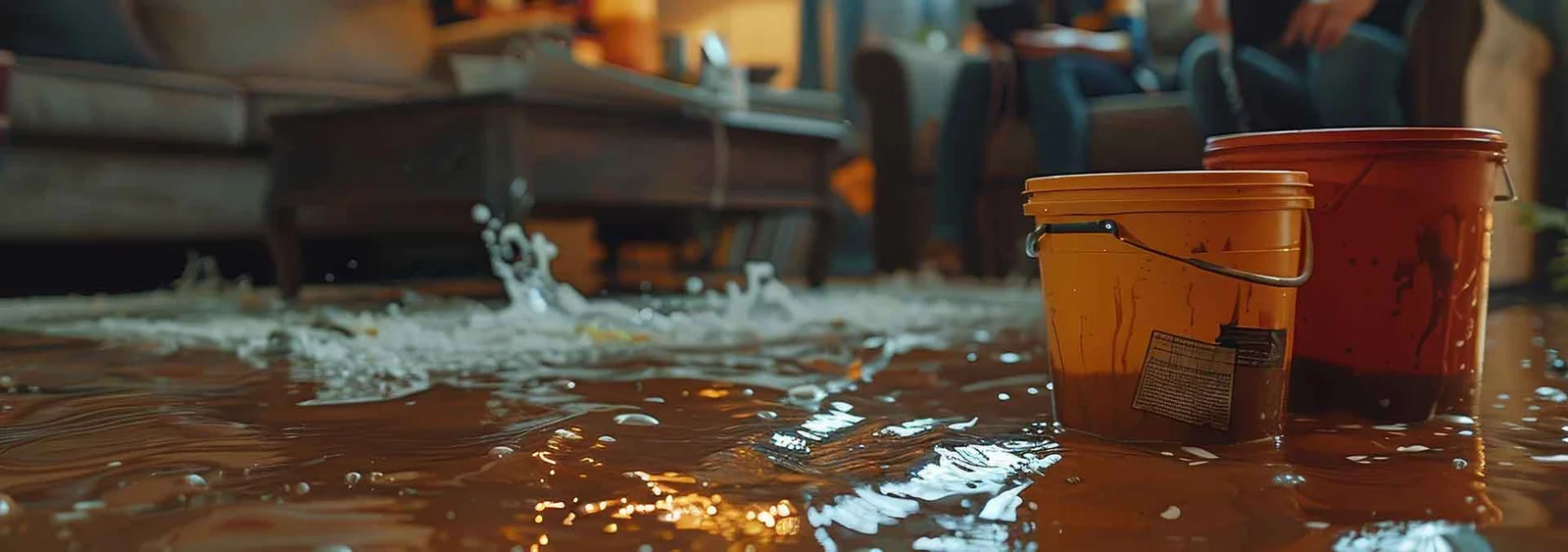
When water invades your Morrison home, every minute counts. Whether a burst pipe has flooded your basement or snowmelt has seeped through your foundation, water damage restoration addresses the immediate crisis and prevents long-term structural problems that can plague mountain properties for years.
Professional water damage restoration encompasses far more than simply removing visible water. The process involves moisture detection in hidden cavities, controlled drying of structural materials, antimicrobial treatments, and careful monitoring to prevent mold colonization – all critical steps in Morrison's unique foothill environment where elevation changes and seasonal weather patterns create distinct challenges.
- Rapid water extraction using commercial-grade equipment designed for mountain elevations
- Structural drying calibrated for Morrison's variable humidity levels
- Mold prevention protocols suited to Colorado's semi-arid climate
- Complete documentation for insurance claims and property records
Common Issues in Morrison, CO
Seasonal risk calendar for Water Damage Restoration in Morrison, CO
Based on local patterns and building stock, the months below tend to see the most calls.
Morrison sits at approximately 5,800 feet elevation along Bear Creek, creating a distinctive set of water damage risks that differ significantly from properties in the Denver metro area. The town's location at the mouth of Bear Creek Canyon means properties face both mountain runoff patterns and the unique weather systems that develop along the Front Range.
Spring snowmelt presents one of the most significant seasonal concerns. As temperatures fluctuate between freezing nights and warm days, ice dams can form on roofs while ground saturation increases dramatically. Properties built into hillsides or near Bear Creek experience particular vulnerability during these transition periods.
- Flash flooding along Bear Creek during summer monsoon season – Morrison has experienced significant flooding events throughout its history
- Foundation seepage from snowmelt percolating through rocky terrain
- Frozen pipe bursts during cold snaps, especially in older homes with insufficient insulation
- Roof ice dams causing interior water intrusion during spring thaw cycles
- Sump pump failures during heavy precipitation events
- Appliance failures in vacation properties or secondary homes that may go unnoticed
Warning signs to monitor include musty odors in basements or crawl spaces, unexplained increases in water bills, damp spots on walls or ceilings, and visible efflorescence (white mineral deposits) on concrete surfaces. Morrison's rocky soil can redirect water in unexpected ways, making professional assessment valuable even for minor concerns.
How Best Option Restoration of Lakewood Can Help
Our restoration process begins the moment you contact us, with trained technicians ready to respond to Morrison properties regardless of time or weather conditions.
Initial Response and Assessment
- Emergency contact and dispatch – we gather critical information about the water source and affected areas while mobilizing equipment
- On-site inspection using thermal imaging cameras and moisture meters to map the full extent of water penetration
- Water source identification and mitigation to stop ongoing damage
- Development of a customized restoration plan based on your property's specific construction and the category of water involved
Active Restoration Phase
Once assessment is complete, our team implements targeted extraction and drying protocols.
- Commercial extractors remove standing water from floors, carpets, and affected materials
- Strategic placement of air movers and dehumidifiers creates optimal drying conditions
- Daily moisture readings track progress and guide equipment adjustments
- Antimicrobial treatments address contamination concerns, particularly important with Category 2 or Category 3 water events
Monitoring and Completion
We maintain communication throughout the drying process, providing updates on moisture levels and timeline adjustments. Final verification includes comprehensive moisture testing to confirm all materials have returned to acceptable levels before restoration work concludes. This methodical approach prevents the secondary damage and mold growth that can occur when drying is rushed or incomplete.
Insurance & Documentation
Thorough documentation protects your interests throughout the restoration process and simplifies insurance claim procedures. We create comprehensive records from the first moment on-site, capturing the scope of damage before any remediation begins.
- Timestamped photographs and video of all affected areas
- Detailed moisture readings with mapped locations
- Inventory of damaged materials and contents
- Daily progress logs documenting equipment placement and readings
- Final verification reports confirming successful drying
Our technicians hold IICRC certifications – the industry standard recognized by insurance carriers nationwide. This certification demonstrates adherence to established protocols for water damage restoration, which supports claim approval and reimbursement. We communicate directly with insurance adjusters when helpful, providing the technical information they need to process claims efficiently.
For Morrison properties, we also document any site-specific factors that may have contributed to the damage, such as elevation-related issues or Bear Creek proximity. This context helps establish the circumstances of the loss accurately.
Why Choose Best Option Restoration of Lakewood
Our Lakewood location positions us to reach Morrison quickly while maintaining the equipment inventory and trained personnel that effective water damage restoration demands. We understand foothill properties – the construction methods, the weather patterns, and the unique challenges that come with mountain-adjacent living.
Key differentiators that matter for Morrison homeowners:
- 24/7 emergency response with equipment staged for rapid deployment
- IICRC-certified technicians trained in current restoration science
- Commercial-grade drying equipment calibrated for Colorado's elevation and climate
- Direct insurance coordination to reduce your administrative burden
- Local knowledge of Morrison's building stock and common vulnerability points
We answer calls directly – no answering services or callback delays when water is actively damaging your property. Our goal is to minimize both immediate damage and long-term consequences, restoring your Morrison home to pre-loss condition efficiently and completely.
Housing Characteristics & Water Damage Restoration Considerations
Morrison's housing stock reflects the town's evolution from a historic mining and resort community to a sought-after residential enclave. Many properties date from the 1950s through 1980s, with a notable collection of older historic structures in the downtown area and newer custom homes built into the surrounding hillsides during the 1990s and 2000s.
Construction Patterns and Age-Related Concerns
The typical Morrison home is a single-family residence, often featuring:
- Wood-frame construction with stucco, wood siding, or stone veneer exteriors
- Basements or crawl spaces built into sloped terrain – these below-grade spaces face heightened water intrusion risks
- Older plumbing systems in mid-century homes, including galvanized steel pipes prone to corrosion and failure
- Custom layouts that follow natural terrain contours, creating unique drainage considerations
- Average home sizes ranging from 1,500 to 3,000 square feet, with many properties featuring multiple levels
Homes built before 1980 often lack modern moisture barriers and drainage systems around foundations. When water damage occurs in these properties, restoration must account for materials and construction methods no longer standard – including plaster walls, hardwood subfloors, and limited insulation in exterior walls. These factors influence both drying strategies and the potential for hidden moisture pockets that require specialized detection.
Environmental Conditions & Water Damage Restoration Implications
Morrison's position at the base of the Front Range creates environmental conditions that directly impact water damage scenarios and restoration approaches. The semi-arid climate – averaging only 18 inches of precipitation annually – might suggest limited water damage risk, but the reality is more complex.
Climate and Atmospheric Factors
- Relative humidity typically ranges from 30-50%, which accelerates drying but can also cause rapid material stress if not properly controlled
- Temperature swings of 30-40 degrees within single days are common, affecting moisture movement within building materials
- Summer monsoon patterns deliver intense, localized precipitation that can overwhelm drainage systems quickly
- Winter inversions can trap moisture in valleys, extending drying times during cold weather events
Soil and Drainage Characteristics
The geology around Morrison features decomposed granite, sandstone, and clay layers that create unpredictable drainage patterns. Water can travel significant distances underground before emerging at foundation walls or basement floors. This subsurface water movement means that the source of water intrusion may be far from where moisture appears inside a home.
Bear Creek's presence influences the local water table, particularly during spring runoff when groundwater levels rise throughout the canyon. Properties near the creek require vigilant monitoring during high-water periods, and restoration in these locations must account for potential ongoing moisture sources.
Population Characteristics & Water Damage Restoration Considerations
Morrison maintains a small-town character with a population of approximately 400-500 residents, though this number fluctuates seasonally with visitors to Red Rocks Amphitheatre and the surrounding recreational areas. The community's demographics influence both the types of water damage commonly encountered and the service expectations of property owners.
Economic and Household Profiles
- Higher-than-average household incomes compared to state medians, reflecting the desirability of the location
- Significant percentage of owner-occupied single-family homes with long-term residents invested in property maintenance
- Mix of full-time residents and owners of secondary or vacation properties
- Many residents commute to Denver, Lakewood, or Golden for employment in professional and technical fields
The presence of secondary homes creates specific water damage risks – a slow leak or appliance failure can go undetected for days or weeks in an unoccupied property, significantly increasing damage severity. Full-time residents, conversely, often catch problems early but may delay professional intervention hoping to manage situations independently.
Morrison's tight-knit community means word-of-mouth reputation matters significantly. Property owners here expect responsive, professional service and clear communication throughout the restoration process. Many residents have chosen Morrison specifically for its character and natural setting, and they expect restoration work to respect both their homes and the community environment.
Flood History and Water Events in Morrison
Morrison's relationship with water has shaped the town throughout its history, making flood awareness particularly relevant for property owners considering water damage risks and restoration preparedness. Bear Creek, while typically a modest waterway, has demonstrated dramatic flooding potential during certain weather events.
Historical Flood Events
The most significant flood in Morrison's recorded history occurred in 1896, when a dam failure upstream sent a wall of water through the canyon, causing extensive damage to the town's commercial district. More recently:
- The September 2013 Front Range floods affected Bear Creek Canyon, though Morrison experienced less severe impacts than communities to the north
- Flash flood events occur periodically during summer monsoon season when intense rainfall over burned or rocky terrain produces rapid runoff
- Spring runoff flooding has impacted properties near Bear Creek during heavy snowpack years
- Urban drainage issues affect some properties during intense precipitation, particularly where development has altered natural drainage patterns
Current Flood Zone Considerations
FEMA flood maps designate portions of Morrison along Bear Creek within the 100-year floodplain. Properties in these zones face:
- Mandatory flood insurance requirements for federally-backed mortgages
- Higher baseline risk for water intrusion events
- Specific building code requirements for new construction or substantial improvements
Understanding your property's flood zone status helps inform both insurance decisions and restoration planning. Properties with flood history may require additional preventative measures, and restoration after flood events involves specific protocols for contaminated water that differ from clean water losses. Our team understands these distinctions and applies appropriate methods based on the water source and contamination level involved in each Morrison restoration project.
Weather & Alerts in Morrison, CO
Current Conditions
Temp: 48°F · Feels like: 45°F
Humidity: 77% · Wind: 7 mph
Emergency Alerts
No active alerts.
Water Damage Restoration in Other Service Areas
Useful Numbers
- Life-threatening emergencies
- 911
- Poison Control
- 1-800-222-1222
- Suicide Prevention Lifeline
- 988
- Police (non-emergency)
- Visit your local police department website
- Fire Department (non-emergency)
- Check the Morrison city website
- City Hall
- Available on the official Morrison government website
- Non-Emergency Services
- Call 311 if available in your area
Always verify numbers from official city/county websites.