
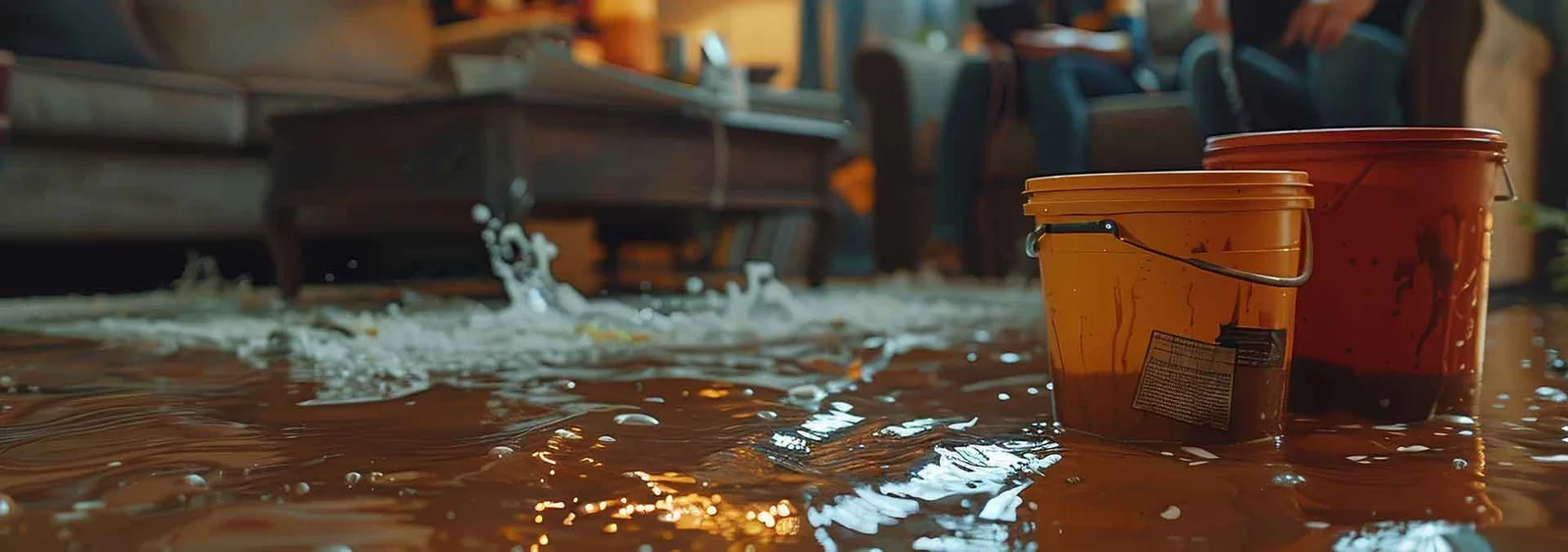
Best Option Restoration of Lakewood provides water damage restoration services for Westminster, CO, addressing hidden moisture, structural drying, and mold prevention using professional equipment and IICRC-certified technicians.
- Westminster homes from the 1970s-1990s face age-related risks including failing polybutylene plumbing and original waterproofing systems past their lifespan. Clay-heavy soils and rapid temperature swings add to local water damage challenges.
- The restoration process includes emergency response with thermal imaging, water extraction, moisture mapping, structural drying with commercial equipment, and antimicrobial treatments to prevent mold growth.
- The company provides 24/7 availability, direct insurance billing, and detailed documentation including timestamped photos and moisture readings to support claims processing.
Water damage restoration is the process of cleaning, drying, and repairing a property after flooding or water intrusion from burst pipes, storms, or appliance failures. In Westminster, CO, professional restoration is critical because Colorado's climate and older home infrastructure can lead to hidden moisture problems, mold growth, and structural damage if water issues are not addressed quickly and thoroughly.
Overview
Last winter, a Westminster family returned from a weekend trip to find their basement flooded from a burst pipe – water had been seeping through their home for nearly 48 hours. The damage extended far beyond what they could see, affecting drywall, flooring, and creating conditions ripe for mold growth. Stories like this remind us why swift, professional water damage restoration matters so much in our Colorado community.
Water damage restoration involves far more than simply removing visible water. Professional restoration addresses moisture hidden within walls, under flooring, and throughout structural components. Using advanced moisture detection equipment, industrial-grade extraction tools, and specialized drying systems, trained technicians restore properties to their pre-loss condition while preventing secondary damage like mold growth and structural deterioration.
- Rapid water extraction using truck-mounted and portable equipment
- Comprehensive moisture mapping to identify hidden water intrusion
- Controlled structural drying with commercial dehumidifiers and air movers
- Antimicrobial treatments to prevent mold and bacterial growth
Westminster's semi-arid climate brings unique challenges – from sudden spring snowmelt to intense summer thunderstorms that can overwhelm aging drainage systems. The city's mix of established neighborhoods and newer developments means water damage scenarios vary widely, requiring adaptable restoration approaches tailored to each situation.
Common Issues in Westminster, CO
When Water Damage Peaks in Westminster
Rapid melting of accumulated winter snow causes basement flooding and foundation water intrusion throughout the Front Range.
Colorado's intense afternoon thunderstorms bring heavy rain and hail, causing roof leaks and flash flooding damage.
Sub-zero temperatures in Westminster cause pipes to freeze and burst, leading to significant indoor water damage.
Westminster sits at the intersection of Colorado's dramatic weather patterns and urban development pressures. The city experiences an average of 17 inches of precipitation annually, but that moisture often arrives in concentrated bursts – late spring snowstorms, summer monsoon downpours, and rapid freeze-thaw cycles that stress plumbing systems and building envelopes.
Many Westminster neighborhoods developed during the 1970s and 1980s building boom, meaning homes now face age-related vulnerabilities. Original polybutylene plumbing, common in that era, becomes brittle over time and fails without warning. Older water heaters, washing machine supply lines, and deteriorating roof flashings create additional risk points throughout these properties.
Local Factors Contributing to Water Damage
- Rapid temperature swings causing pipe freezing – Westminster can experience 40-degree temperature drops within hours
- Clay-heavy soils that expand when wet, placing pressure on foundation walls and basement waterproofing
- Aging municipal infrastructure in established neighborhoods leading to sewer backups during heavy rain events
- Hail damage to roofing materials that creates delayed leak pathways
- Snowmelt pooling against foundations when spring arrives suddenly after heavy winter accumulation
- Sump pump failures during extended wet periods when systems run continuously
Watch for warning signs including musty odors in basements or crawl spaces, unexplained increases in water bills, water stains on ceilings or walls, warped flooring, and visible condensation on windows or pipes. Catching these indicators early can prevent minor moisture issues from becoming major restoration projects.
How Best Option Restoration of Lakewood Can Help
Our restoration process combines proven techniques with modern technology to address water damage thoroughly and efficiently. Every project begins with understanding the full scope of damage – not just what's visible.
Our Step-by-Step Restoration Process
- Emergency Response and Assessment – Technicians arrive equipped with moisture meters, thermal imaging cameras, and inspection tools to map the complete extent of water intrusion
- Water Extraction – Powerful truck-mounted and portable extraction units remove standing water quickly, reducing drying time and limiting secondary damage
- Moisture Mapping and Monitoring – We document moisture levels throughout affected areas, creating a baseline for tracking drying progress
- Structural Drying – Strategic placement of commercial dehumidifiers, air movers, and specialty drying equipment creates optimal conditions for thorough moisture removal
- Cleaning and Sanitization – Affected contents and surfaces receive appropriate cleaning treatments, including antimicrobial applications where indicated
- Restoration and Reconstruction – Final repairs return your property to pre-loss condition, from drywall replacement to flooring installation
Methods and Equipment We Deploy
- Low-grain refrigerant dehumidifiers designed for Colorado's climate conditions
- Injectidry systems for drying wall cavities and hardwood floors without demolition
- Hydroxyl generators for odor elimination without harsh chemicals
- HEPA air filtration to maintain indoor air quality during restoration
Throughout the project, you'll receive regular updates on drying progress and any findings that affect the restoration plan. We document everything with photos, moisture readings, and detailed notes – keeping you informed while building a complete record for insurance purposes.
Insurance & Documentation
Navigating insurance claims after water damage adds stress to an already difficult situation. Proper documentation from the start makes the claims process smoother and helps ensure you receive appropriate coverage for restoration work.
Our team creates comprehensive documentation throughout every project, providing the evidence insurance adjusters need to process claims efficiently.
Documentation We Provide
- Timestamped photographs of damage before, during, and after restoration
- Detailed moisture readings with equipment calibration records
- Daily drying logs showing progress and equipment placement
- Itemized scope of work with industry-standard pricing references
- Affected materials inventory and disposal documentation
- Final completion reports with verification of drying standards
We work directly with insurance adjusters, speaking the same technical language and following IICRC S500 standards that insurers recognize. Our technicians hold current certifications and maintain detailed records that satisfy claim requirements. When questions arise, we provide prompt responses with supporting documentation – keeping your claim moving forward without unnecessary delays.
Why Choose Best Option Restoration of Lakewood
Restoration companies aren't all the same. Our team brings IICRC-certified technicians, ongoing training in the latest restoration science, and genuine familiarity with Westminster's neighborhoods. We've restored homes throughout the area – from the established communities near Standley Lake to newer developments along the US-36 corridor.
When water damage strikes, response time matters. Our 24/7 availability means technicians can reach Westminster properties quickly, any day of the year. We maintain fully stocked vehicles and equipment ready to deploy, eliminating delays that allow damage to worsen.
- IICRC-certified technicians in water damage restoration (WRT) and applied structural drying (ASD)
- Direct insurance billing with most major carriers
- Local ownership with investment in community relationships
- Written warranties on completed restoration work
- Clear communication throughout every project phase
We treat every property as if it were our own, understanding that your home represents more than just a structure – it's where your life happens. That perspective drives our commitment to thorough, honest restoration work.
Housing Characteristics & Water Damage Restoration Considerations
Westminster's housing stock reflects the city's growth patterns over several decades. The majority of homes date from the 1970s through 1990s, with significant development occurring during Colorado's population expansion in those years. These properties typically range from 1,200 to 2,400 square feet, featuring split-level, bi-level, and ranch-style designs common to suburban Denver development of that era.
Construction Methods and Materials
Homes built during Westminster's primary development period share several characteristics that affect water damage restoration approaches.
- Concrete slab and basement foundations – many with original waterproofing systems now past their effective lifespan
- Wood-frame construction with oriented strand board (OSB) or plywood sheathing that absorbs moisture readily
- Original polybutylene or copper plumbing – polybutylene systems are particularly failure-prone
- Finished basements added over time, often without adequate moisture barriers
- Asphalt shingle roofing with 20-30 year lifespans now reaching replacement age
Newer construction in areas like the Bradburn and Orchard Town Center developments features modern building codes and materials, but these properties face their own challenges. Tighter building envelopes can trap moisture if ventilation systems fail, and complex rooflines create more potential leak points. Multi-family developments and townhomes require coordination with HOAs and neighboring units during restoration.
Understanding how Westminster homes were built helps us anticipate where water travels, what materials are affected, and which drying approaches will work most effectively for each property type.
Environmental Conditions & Water Damage Restoration Implications
Westminster's position along the Front Range creates environmental conditions that directly influence water damage patterns and restoration requirements. The city sits at approximately 5,300 feet elevation, where lower atmospheric pressure affects drying rates and equipment performance. Our technicians calibrate equipment specifically for high-altitude operation.
Climate and Weather Patterns
Colorado's semi-arid climate means low average humidity – typically 30-50% – which actually aids structural drying once water is extracted. However, the region's weather extremes create the water damage events themselves.
- Winter temperature inversions trap cold air, increasing pipe freeze risk during extended cold snaps
- Spring brings rapid snowmelt combined with afternoon thunderstorms, stressing drainage systems
- Summer monsoon season delivers intense, localized rainfall that overwhelms gutters and grading
- Hailstorms damage roofing materials, creating delayed leak pathways that appear weeks later
Soil and Drainage Considerations
Westminster's soils contain significant clay content – part of the Denver Formation geology underlying much of the metro area. These expansive soils swell when wet and shrink when dry, creating foundation movement that can crack basement walls and compromise waterproofing. Properties with poor grading or inadequate gutter systems face particular risk as water pools against foundations during wet periods.
The city's stormwater management system handles typical precipitation well, but intense storms can overwhelm capacity in older neighborhoods where infrastructure hasn't kept pace with development. Understanding these environmental factors helps us anticipate restoration challenges and implement appropriate preventive recommendations.
Population Characteristics & Water Damage Restoration Considerations
Westminster's population of approximately 115,000 residents represents a diverse cross-section of the Denver metropolitan area. The city functions primarily as a suburban community, with most residents commuting to employment centers throughout the region. This commuter pattern means many homes sit unoccupied during business hours – a factor that can allow water damage to progress undetected.
Demographic Factors Affecting Service Needs
The city's median household income of approximately $75,000 reflects a middle-class community where homeowners often handle routine maintenance themselves but recognize when professional help is needed. Many residents work in healthcare, technology, aerospace, and professional services – industries with demanding schedules that limit availability for managing restoration projects.
- Working families need flexible scheduling and clear communication about project timelines
- Aging population in established neighborhoods may require additional assistance understanding restoration processes
- Rental properties require coordination between tenants, property owners, and property managers
- Multilingual households benefit from patient explanation of technical restoration concepts
Westminster's demographic diversity includes significant Hispanic/Latino populations and growing Asian communities, particularly in newer developments. Our team approaches every interaction with respect for cultural differences and communication preferences. We take time to ensure homeowners understand what's happening in their property and what to expect throughout restoration.
The city's mix of long-term residents and newcomers means varying levels of familiarity with Colorado's unique weather patterns and associated property risks. Educating homeowners about prevention measures forms an important part of our service – helping Westminster families protect their homes for the future.
Water Damage Statistics and Risk Factors in Westminster
Understanding local water damage patterns helps Westminster homeowners recognize risks and respond appropriately when problems occur. Data from insurance industry reports and local emergency services reveals clear trends in how water damage affects properties in our area.
Regional Water Damage Trends
According to insurance industry data, water damage and freezing represent the second most common homeowner insurance claim nationally, with average claims exceeding $11,000. In Colorado specifically, several factors elevate risk above national averages.
- Freeze-related claims spike during January and February when extended cold periods stress plumbing systems
- Spring snowmelt combined with rain events creates peak basement flooding season from March through May
- Appliance failures – particularly water heaters and washing machines – account for roughly 20% of residential water damage claims
- Roof leaks from hail damage often appear months after storms, complicating insurance claims
- Sewer backup incidents increase during heavy rain events, particularly in older Westminster neighborhoods with combined sewer systems
Westminster-Specific Considerations
The city's infrastructure includes areas served by different utility providers and varying ages of municipal water and sewer lines. Properties near Big Dry Creek and other drainage corridors face elevated flood risk during major storm events, though most Westminster neighborhoods sit outside designated flood zones.
Westminster's building department reports permit activity for water damage repairs remains consistent year-round, with seasonal peaks following major weather events. Properties built before 1990 generate disproportionate repair activity, reflecting the age-related vulnerabilities of plumbing systems, roofing materials, and waterproofing from that construction era.
Proactive maintenance – including annual plumbing inspections, water heater replacement before failure, and proper exterior drainage – significantly reduces water damage risk. When damage does occur, rapid professional response limits extent and cost, protecting both your property and your family's wellbeing.
Weather & Alerts in Westminster, CO
Current Conditions
Temp: 64°F · Feels like: 63°F
Humidity: 66% · Wind: 7 mph
Emergency Alerts
No active alerts.
Water Damage Restoration in Other Service Areas
Useful Numbers
- Life-threatening emergencies
- 911
- Poison Control
- 1-800-222-1222
- Suicide Prevention Lifeline
- 988
- Police (non-emergency)
- Visit your local police department website
- Fire Department (non-emergency)
- Check the Westminster city website
- City Hall
- Available on the official Westminster government website
- Non-Emergency Services
- Call 311 if available in your area
Always verify numbers from official city/county websites.