
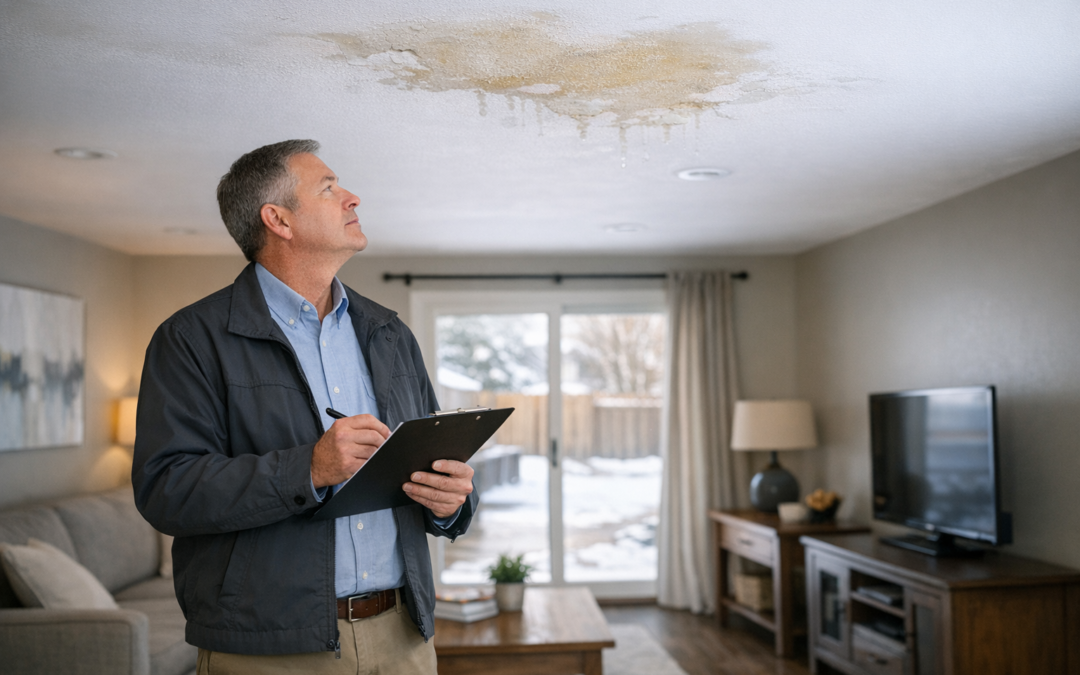
Homeowner's insurance covers sudden, accidental water damage like burst pipes and appliance failures, but excludes flooding and gradual damage. Proper documentation and quick response can significantly impact claim outcomes.
- Covered events include burst pipes from freeze-thaw cycles, water heater failures, appliance malfunctions, and storm-related roof leaks. Flood damage requires separate FEMA insurance, and gradual leaks or maintenance issues are not covered.
- Document the water source, damaged areas, and belongings with photos before moving anything. Gather receipts for damaged items and keep records of mitigation efforts for the insurance adjuster.
- Take immediate action by stopping the water source, turning off electricity, and contacting your insurance within 24 hours. Professional restoration services can strengthen claims by providing detailed moisture readings and documentation.
Homeowners insurance typically covers water damage that is sudden and accidental, such as burst pipes, appliance malfunctions, or storm-related damage. However, policies generally exclude damage from gradual leaks, poor maintenance, or flooding. Coverage depends on the water source and whether the damage occurred suddenly rather than over time.
What Your Water Damage Insurance Actually Covers
Your homeowner’s insurance policy covers water damage in some situations but not others. The difference between covered and non-covered water damage often comes down to the source of the water and whether the damage was sudden or gradual.
Understanding these distinctions can save you thousands of dollars and help you document claims properly when water damage strikes your Lakewood property.
Covered Water Damage: Sudden and Accidental Events
Standard homeowner’s insurance typically covers water damage from sudden, accidental events inside your home. These covered scenarios include burst pipes from Colorado’s freeze-thaw cycles, water heater failures, washing machine hose breaks, and roof leaks from recent storm damage.
Insurance companies classify these as “sudden and accidental” because they happen quickly without warning. A pipe that freezes and bursts during a cold snap creates immediate water damage that wasn’t present the day before.
Common Covered Water Damage Sources
- Burst or frozen pipes – Internal plumbing failures are covered when they happen suddenly
- Appliance malfunctions – Dishwasher overflows, water heater ruptures, or washing machine leaks
- Recent roof damage – Water entering through holes created by hail, wind, or falling trees
- Plumbing overflows – Toilet backups or sink overflows from blockages
- HVAC system leaks – Air conditioning condensation problems or heating system failures
Non-Covered Water Damage: Floods and Gradual Problems
Your water damage insurance excludes certain types of water intrusion. Flood damage requires separate flood insurance through FEMA’s National Flood Insurance Program.
Insurance defines flooding as water that touches the ground before entering your home. Spring snowmelt that pools around your foundation and seeps into your basement counts as flooding, not covered water damage.
Water Damage Exclusions
- Natural flooding – Overflowing creeks, surface water, or groundwater seepage
- Sewer backups – Requires separate coverage endorsement in most policies
- Gradual leaks – Slow pipe leaks or roof deterioration over time
- Maintenance issues – Damage from neglected repairs or poor upkeep
- Foundation seepage – Water entering through basement walls or floors
Documentation Requirements for Water Damage Claims
Insurance companies require specific documentation to process water damage insurance claims. Start documenting immediately when you discover water damage.
Take photos of the water source, damaged areas, and affected belongings before moving anything. Insurance adjusters need to see the extent of damage and verify the cause.
Essential Claim Documentation
- Source photos – Document the burst pipe, leaking appliance, or roof damage that caused the water intrusion
- Damage extent – Photograph all affected rooms, furniture, flooring, and personal property
- Receipts and records – Gather proof of purchase for damaged items and home improvement records
- Mitigation efforts – Document steps you took to stop further damage
- Professional assessments – Include restoration company estimates and moisture readings
Working With Insurance Adjusters During Water Damage Claims
Insurance adjusters investigate water damage claims to determine coverage and estimate repair costs. The adjuster will visit your property to examine the damage source and assess the scope of necessary repairs.
Be present during the adjuster’s inspection to point out all damaged areas. Adjusters can miss water damage in crawl spaces, behind walls, or in other hard-to-see locations.
Adjuster Meeting Preparation
- Timeline documentation – Explain when you discovered the damage and what caused it
- Damage inventory – Provide a written list of all damaged property and materials
- Moisture concerns – Point out areas that may have hidden water damage
- Temporary repairs – Show receipts for emergency mitigation work
Understanding Coverage Limits and Deductibles
Your water damage insurance includes coverage limits for different categories of damage. Dwelling coverage pays for structural repairs, while personal property coverage replaces damaged belongings.
Additional living expenses coverage pays for temporary housing if water damage makes your home unlivable. This coverage has time limits and daily spending caps that vary by policy.
Coverage Categories Explained
- Dwelling coverage – Structural repairs to floors, walls, ceilings, and built-in fixtures
- Personal property – Furniture, electronics, clothing, and other belongings
- Additional living expenses – Temporary housing and increased living costs during repairs
- Other structures – Detached garages, sheds, or fencing damaged by covered water events

 Posted on Google
When Professional Restoration Affects Insurance Claims
Hiring a restoration company immediately after water damage can actually strengthen your insurance claim. Professional restoration work demonstrates that you took reasonable steps to prevent further damage.
Insurance policies require policyholders to mitigate damage when possible. Letting water sit for days without professional drying can lead to mold growth or structural damage that insurance might not cover.
Restoration companies provide detailed moisture readings, photo documentation, and scope of work estimates that insurance adjusters use to process claims. This professional documentation often results in more comprehensive claim settlements.
Special Considerations for Lakewood Properties
Lakewood’s weather patterns create specific water damage risks that affect insurance coverage. Winter freeze-thaw cycles can cause pipe bursts that are typically covered, while spring snowmelt flooding requires separate flood insurance.
Many older Lakewood homes have basements that are particularly vulnerable to water damage. Foundation seepage from groundwater isn’t covered, but a burst pipe that floods the same basement would be covered under standard policies.
Steps to Take Immediately After Water Damage
Your actions in the first 24-48 hours after discovering water damage can significantly impact your insurance claim outcome. Safety comes first, followed by damage mitigation and documentation.
Turn off electricity to affected areas if water is present. Locate and stop the water source if possible, such as shutting off the main water line for pipe breaks.
Immediate Response Checklist
- Ensure safety – Turn off electricity and avoid standing water
- Stop the source – Shut off water supply or cover roof leaks
- Contact insurance – Report the claim within 24 hours
- Document everything – Take photos before cleanup begins
- Begin mitigation – Remove standing water and start drying process
- Contact professionals – Schedule restoration services for proper drying and cleanup
Conclusion
Understanding your water damage insurance coverage helps you respond appropriately when damage occurs and increases the likelihood of claim approval. Remember that sudden, accidental water damage is typically covered while gradual damage and flooding require separate policies.
Document everything immediately, work with insurance adjusters cooperatively, and consider professional restoration to prevent secondary damage that might not be covered.
If you’re dealing with water damage in Lakewood, CO, contact Best Option Restoration at 303-500-3187 for emergency response and insurance claim support. Professional restoration documentation can strengthen your claim and prevent costly secondary damage to your property.
Sources
- Insurance Information Institute – Spotlight on Water Damage
- FloodSmart – National Flood Insurance Program (FEMA)
- Ready.gov – Flood Safety and Preparedness