
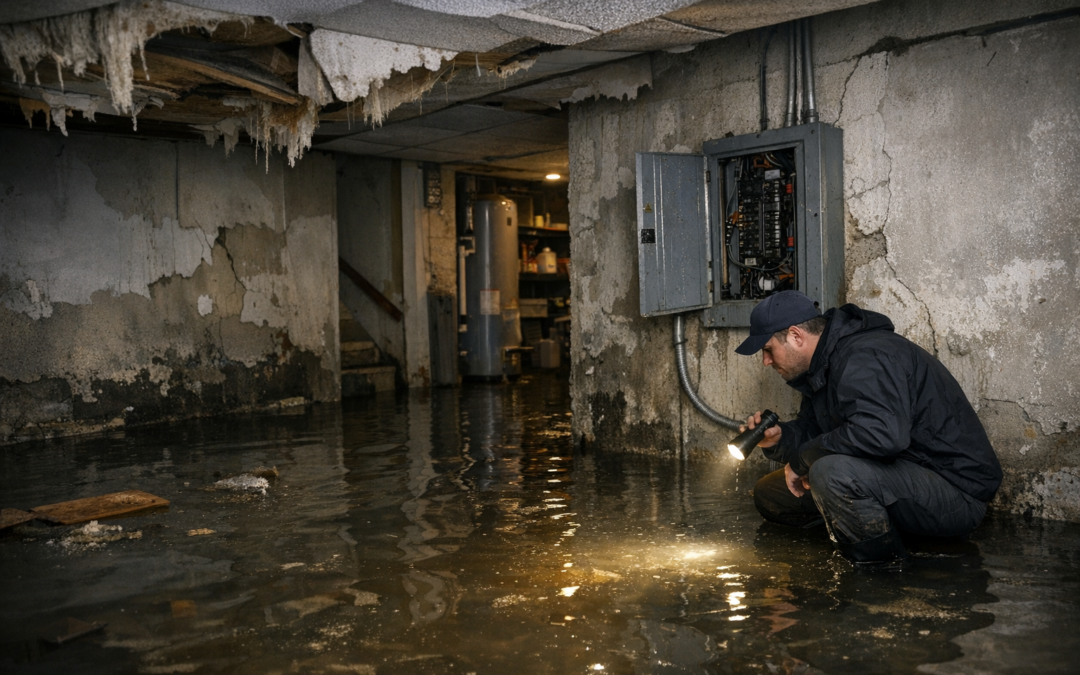
Best Option Restoration outlines five costly mistakes homeowners make during spring flood cleanup in the Denver metro area, explaining how poor decisions in the first 24-48 hours can double restoration costs and create lasting health hazards.
- Entering flooded areas without checking for electrical hazards or structural damage can be deadly. Always turn off power at the main breaker and inspect for sagging ceilings or cracked walls before going in.
- Waiting too long to start cleanup allows mold to grow within 24-48 hours, and household fans cannot match industrial equipment that moves 3,000-5,000 CFM of air for proper drying.
- Porous materials like carpet padding, drywall, and insulation should be discarded after contaminated flooding, and homeowners must document damage with photos before moving anything to avoid insurance claim denials.
The most common spring flood cleanup mistakes include waiting too long to begin water removal, failing to document damage before cleanup for insurance purposes, using regular household fans instead of professional drying equipment, neglecting hidden moisture in walls and flooring, and attempting to salvage porous materials that have absorbed contaminated floodwater. Acting quickly and using proper techniques prevents mold growth and structural damage.
The Hidden Costs of Flood Damage Mistakes
Spring flooding hits Colorado homes hard. Snowmelt combines with heavy rains to flood basements and damage property throughout the Denver metro area. Proper spring flood cleanup starts with avoiding common mistakes that turn manageable damage into expensive disasters.
Property owners facing flood damage often rush into cleanup without understanding the risks. Poor decisions made in the first 24-48 hours can double restoration costs and create health hazards that last for months.
Here are the five most costly flood damage mistakes we see in Lakewood, CO homes and how to avoid them.
Mistake #1: Entering Flood-Damaged Areas Without Safety Checks
The biggest mistake homeowners make is walking into flooded basements or rooms before checking for electrical hazards. Standing water conducts electricity from damaged outlets, appliances, and lighting fixtures.

Turn off power at the main breaker before entering any flooded area. If the electrical panel is in a flooded basement, call your utility company to disconnect service at the meter. Water and electricity create deadly combinations that kill people every year.
Check for Structural Damage Before Entering
Flood water weakens floor joists and foundation walls. Look for sagging ceilings, cracked walls, or doors that no longer close properly. These signs indicate structural damage that makes rooms unsafe to enter.
Water weighs over 8 pounds per gallon. A flooded basement containing 1,000 gallons adds 8,000 pounds of weight pressing against foundation walls and floor systems not designed for this load.
Mistake #2: Waiting Too Long to Start Spring Flood Cleanup
Time matters more than most homeowners realize. Mold begins growing within 24-48 hours in wet conditions. Building materials like drywall and insulation start deteriorating rapidly once saturated.
Colorado’s dry climate helps, but it cannot overcome prolonged moisture exposure. Flooded materials continue absorbing water through capillary action, spreading damage to areas that were initially dry.
Document Damage Before Moving Anything
Take photos and videos before touching damaged items. Insurance claims require documentation of both the water source and resulting damage. Missing this step can cost thousands in denied coverage.
Photograph water lines on walls, damaged belongings in their original locations, and any visible structural damage. These images become critical evidence for insurance adjusters.
Mistake #3: Using Household Fans and Dehumidifiers for Major Drying
Box fans and small dehumidifiers cannot handle serious flood damage. These devices move too little air and remove too little moisture to prevent mold growth in flooded structures.
Effective drying requires industrial equipment that moves thousands of cubic feet of air per minute. Standard household fans move 1,000-3,000 CFM. Restoration-grade air movers push 3,000-5,000 CFM and create directed airflow patterns that extract moisture from building materials.
Why Professional Drying Equipment Matters
Restoration companies use moisture meters to measure water content inside walls, floors, and other materials. Stopping the drying process too early leaves hidden moisture that feeds mold growth weeks later.
Professional dehumidifiers remove 150-300 pints of water daily. Home units typically remove 30-70 pints. The difference determines whether materials dry completely or require replacement due to mold contamination.
Mistake #4: Keeping Flood-Damaged Materials That Should Be Discarded
Homeowners often try saving items that cannot be safely restored. Porous materials like carpet padding, drywall, and insulation hold contaminated water that creates ongoing health risks.
Spring floods in Colorado carry more than just water. Snowmelt picks up lawn chemicals, pet waste, and soil contaminants. Basement floods often mix with sewage from overwhelmed municipal systems or septic backups.
What Materials Need Replacement After Flooding
- Carpet and padding – Cannot be disinfected if contaminated with sewage or outdoor floodwater
- Drywall below flood lines – Paper backing feeds mold growth and deteriorates when saturated
- Insulation – Loses R-value when wet and becomes mold breeding ground
- Particle board and MDF – Swells permanently and falls apart when dried
- Mattresses and upholstered furniture – Cannot be dried completely due to thick padding layers
Hardwood floors might be salvageable if dried quickly and properly. Ceramic tile usually survives if the subfloor remains intact. Solid wood furniture can often be restored with proper drying techniques.

 Posted on Google
Mistake #5: Handling Spring Flood Cleanup Without Understanding Insurance Requirements
Insurance companies have specific requirements for flood damage claims. Failing to follow these requirements can result in claim denials that leave homeowners paying for all restoration costs.
Most homeowner’s insurance policies exclude flood damage from external water sources. Coverage typically applies only to internal water damage from burst pipes, appliance leaks, or roof leaks. Understanding your coverage prevents expensive surprises.
Required Steps for Insurance Claims
Contact your insurance company immediately to report the loss. Most policies require prompt notification, often within 24-48 hours. Delays can void coverage even for legitimate claims.
Prevent additional damage by covering exposed areas and removing standing water. However, keep damaged materials in place until the adjuster documents the loss. Throwing away damaged items before the inspection can complicate your claim.
Save receipts for all emergency repairs, equipment rental, and temporary housing costs. Many policies cover these expenses as part of additional living expenses or loss of use benefits.
When to Call Restoration Professionals for Spring Flood Cleanup
Contact restoration professionals immediately for flooding that covers more than a small area or involves contaminated water. Sewage backups, outdoor flooding, and basement floods require specialized equipment and expertise.
Professional restoration companies have moisture detection tools that identify hidden water damage. They understand which materials can be saved and which must be replaced for health and safety reasons.
The Cost of Delaying Professional Help
Waiting to call professionals often doubles restoration costs. Mold remediation costs significantly more than flood cleanup. Structural repairs become necessary when materials deteriorate from prolonged moisture exposure.
Colorado’s freeze-thaw cycles create additional risks when flood damage occurs near winter. Water trapped in building materials can freeze and crack foundations, walls, and plumbing systems.
Preventing Spring Flood Damage in Lakewood, CO
Prevention costs less than restoration. Spring flood prevention focuses on directing water away from your property and maintaining drainage systems.
Clean gutters and downspouts before spring snowmelt begins. Clogged gutters overflow and dump thousands of gallons against foundation walls. Extend downspouts at least 6 feet from your home to prevent basement flooding.
Basement Flood Prevention
Install window well covers and check basement window seals before spring arrives. Grade soil away from your foundation to direct surface water toward storm drains rather than basement walls.
Consider a sump pump system if your basement floods repeatedly. Battery backup systems prevent pump failure during power outages that often accompany spring storms.
Spring Flood Cleanup Done Right
Avoiding these five mistakes protects your property and your family’s health. Swift action, proper safety measures, and understanding your insurance coverage prevent manageable flood damage from becoming major disasters.
Best Option Restoration helps Lakewood, CO property owners handle spring flood cleanup safely and completely. Our team understands Colorado’s specific flooding challenges and insurance requirements.
If your property has flood damage, contact Best Option Restoration at 303-500-3187 for immediate assistance and proper restoration that prevents long-term problems.
Sources
- FEMA – How Flood Insurance Works
- CDC – Cleaning Up Safely After a Disaster
- EPA – Mold Cleanup in Your Home
- American Red Cross – Flood Safety and Recovery