
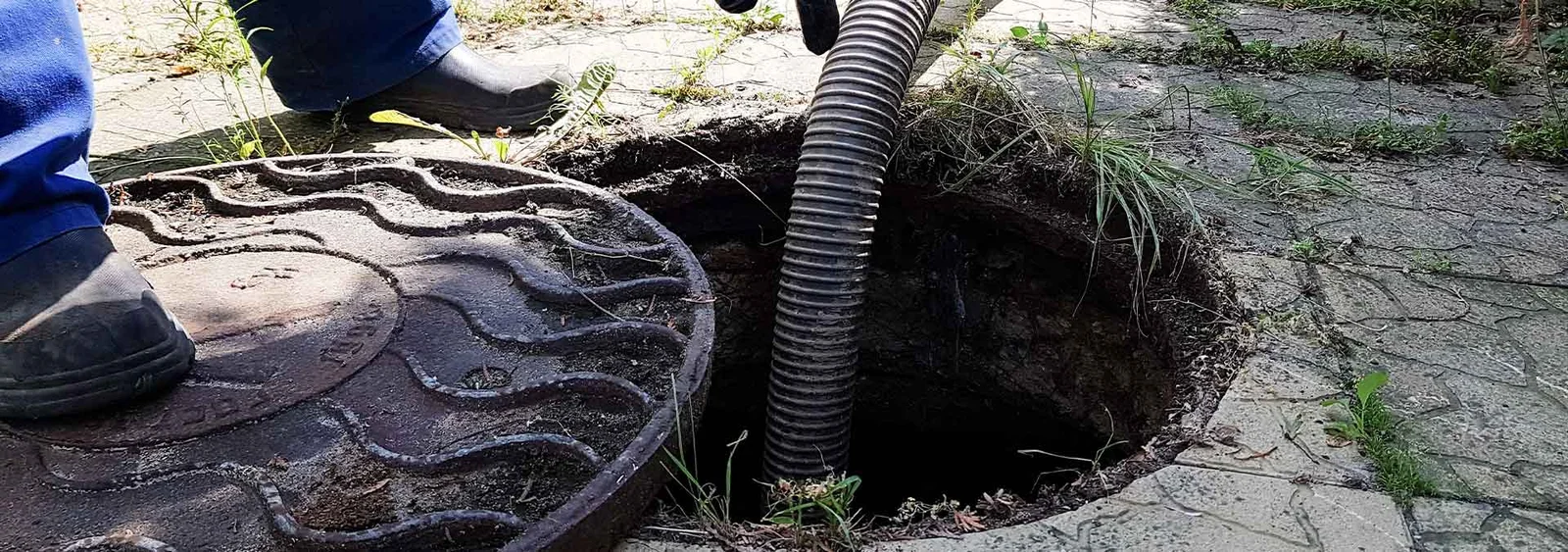
Best Option Restoration of Lakewood provides professional sewage cleanup services for Evergreen, CO properties, addressing the unique challenges of mountain homes at 7,000+ feet elevation with septic systems and older infrastructure.
- Raw sewage contains dangerous pathogens requiring specialized equipment, protective protocols, and thorough sanitization to restore homes to safe conditions. The mountain environment with freeze-thaw cycles and rocky terrain can cause sewage problems to escalate quickly.
- Common issues include septic tank overflow, frozen pipes during harsh winters, root intrusion from pine and spruce trees, drain field failures from rocky soil, and aging cast iron pipes in older homes.
- The team offers 24/7 emergency response with IICRC-certified technicians, commercial-grade extraction equipment, and detailed insurance documentation including photos, moisture mapping, and contamination assessments.
When you experience a sewage backup in your Evergreen home, contact a professional sewage cleanup service immediately. Raw sewage contains dangerous pathogens, bacteria, and contaminants that pose serious health risks to your family and pets. Professional technicians have the equipment and expertise to safely remove sewage, sanitize affected areas, and restore your property to a safe condition.
Overview
Coming home to sewage backup in your Evergreen property creates an immediate crisis that demands professional attention. Raw sewage contains dangerous pathogens, bacteria, and contaminants that pose serious health risks to your family and pets. At an elevation of over 7,000 feet in the Colorado foothills, Evergreen homes face unique challenges with septic systems and wastewater management that can lead to unexpected sewage emergencies.
Sewage cleanup involves far more than removing visible waste. Professional remediation requires specialized equipment, protective protocols, and thorough sanitization to restore your home to safe, livable conditions. The mountain environment here – with its rocky terrain, seasonal freeze-thaw cycles, and older septic infrastructure – creates conditions where sewage problems can escalate quickly without proper intervention.
- Rapid containment of contaminated materials to prevent spread throughout your home
- Complete extraction of sewage waste and affected building materials
- Professional-grade antimicrobial treatment and sanitization
- Structural drying and dehumidification to prevent secondary damage
Common Issues in Evergreen, CO
When Sewage Cleanup Demand Peaks in Evergreen
Rapid snowmelt at 7,000+ feet elevation overwhelms septic systems and causes frozen pipe failures as ground thaws.
Heavy afternoon thunderstorms and flash flooding can cause sewage backups and system overflows in mountain properties.
Early hard freezes catch mountain homeowners off-guard, causing pipe bursts and septic system failures.
Best Option Restoration of Lakewood provides Sewage Cleanup services in all neighborhoods of Evergreen including Fairview.
Evergreen's mountain setting creates specific sewage challenges that differ from urban Front Range communities. Most properties here rely on septic systems rather than municipal sewer connections, and the rocky, uneven terrain can complicate drainage patterns. When temperatures drop below freezing – which happens frequently at this elevation – pipes and septic components become vulnerable to cracking and failure.
The area's mature pine forests contribute organic debris that can infiltrate and clog septic systems over time. Root intrusion from large conifers seeking moisture is a persistent problem for underground pipes and tanks throughout the Evergreen area.
- Septic tank overflow due to delayed pumping schedules or system overload
- Frozen pipes and septic lines during harsh mountain winters
- Root intrusion from pine, spruce, and aspen trees damaging underground infrastructure
- Drain field failures caused by rocky soil conditions and poor percolation
- Backup from aging cast iron or clay pipes common in older mountain homes
- Storm-related flooding overwhelming septic systems during spring snowmelt
Warning signs that indicate potential sewage problems include slow drains throughout your home, gurgling sounds from toilets, foul odors near your septic tank or drain field, and unusually lush grass patches over your septic system. If you notice sewage odors inside your home or see standing water near your septic components, contact a professional immediately.
How Best Option Restoration of Lakewood Can Help
Our team responds rapidly to sewage emergencies throughout the Evergreen area, understanding that every hour of delay increases contamination spread and restoration costs. We arrive equipped with commercial-grade extraction equipment, protective gear, and antimicrobial solutions specifically designed for Category 3 water damage – the most severe classification that includes raw sewage.
Our Sewage Cleanup Process
- Emergency assessment and safety evaluation of your property
- Containment setup to isolate affected areas and prevent cross-contamination
- Extraction of standing sewage and contaminated water using truck-mounted pumps
- Removal of unsalvageable materials including saturated drywall, insulation, and flooring
- Application of EPA-registered antimicrobial and disinfectant treatments
- Installation of industrial air movers and dehumidifiers for structural drying
- Air quality monitoring and filtration throughout the drying process
- Final sanitization, deodorization, and clearance testing
Techniques and Equipment
- Submersible pumps and wet vacuums for rapid sewage extraction
- HEPA air scrubbers to capture airborne contaminants and pathogens
- Hydroxyl generators and ozone machines for odor elimination
- Moisture meters and thermal imaging to detect hidden saturation
- Hospital-grade disinfectants effective against sewage-borne bacteria
Throughout the restoration process, we maintain constant communication with you about progress, findings, and any adjustments needed. Our project managers provide daily updates and are available to answer questions as work proceeds.
Insurance & Documentation
Sewage damage claims require thorough documentation to support your insurance filing. Our team photographs and catalogs all affected areas before, during, and after restoration work. We create detailed moisture readings, contamination assessments, and itemized inventories of damaged materials and belongings.
Working with your insurance adjuster, we provide the technical documentation needed to process your claim efficiently. Our detailed reports include contamination classifications, scope of work performed, and verification of completed remediation.
- Photographic evidence of damage extent and contamination levels
- Moisture mapping and psychrometric documentation
- Itemized lists of removed materials and contents
- Daily work logs and progress reports
- IICRC-compliant restoration protocols and verification
- Final clearance documentation confirming safe conditions
Our technicians hold certifications from the Institute of Inspection, Cleaning and Restoration Certification (IICRC), including Water Damage Restoration and Applied Microbial Remediation credentials. These industry-standard certifications demonstrate our adherence to established protocols that insurance companies recognize and accept.
Why Choose Best Option Restoration of Lakewood
When sewage backs up into your Evergreen home, you need a restoration company that can reach you quickly despite mountain road conditions and distance from the metro area. Our Lakewood-based team serves the entire foothills region, including Evergreen, with response times that minimize damage and health risks. We maintain fully stocked vehicles ready to deploy at any hour.
Our technicians understand the specific challenges of mountain properties – from navigating steep driveways in winter conditions to working with septic systems common throughout unincorporated Jefferson County. This local knowledge translates into faster, more effective restoration.
- 24/7 emergency response with rapid deployment to Evergreen
- IICRC-certified technicians trained in sewage remediation protocols
- Direct communication with insurance companies to streamline claims
- Commercial-grade equipment maintained and ready for immediate use
- Comprehensive service from initial extraction through final restoration
Housing Characteristics & Sewage Cleanup Considerations
Evergreen's housing stock reflects its development as a mountain retreat community that grew substantially during the 1970s and 1980s. Most homes here were constructed between 1965 and 1995, with a significant number of custom-built residences designed to fit the challenging terrain. These properties typically feature larger footprints than suburban homes, with many exceeding 2,500 square feet and incorporating multiple levels built into hillsides.
Construction methods common during this era present specific considerations for sewage cleanup. Many homes feature wood-frame construction with crawl spaces rather than full basements – spaces that can trap sewage contamination and require specialized access for remediation. Post-and-beam designs popular in mountain architecture often include exposed wood surfaces that absorb contaminants and may require more intensive treatment or replacement.
- Crawl space construction common in hillside homes creates confined areas requiring specialized cleanup
- Older cast iron and clay drain pipes prone to root intrusion and deterioration
- Septic systems installed decades ago may lack modern design standards
- Natural wood interiors and log construction absorb sewage contamination readily
- Multi-level designs can allow sewage to migrate between floors through wall cavities
Properties built before 1990 often have original plumbing that has exceeded its expected lifespan. Galvanized steel supply lines and cast iron drain pipes deteriorate over time, particularly in the freeze-thaw environment of the Colorado mountains. When sewage backups occur in these older systems, the damage often reveals additional infrastructure problems that require attention.
Environmental Conditions & Sewage Cleanup Implications
Evergreen sits at approximately 7,220 feet elevation in a montane ecosystem characterized by cool temperatures, low humidity, and significant seasonal variation. The area receives around 23 inches of precipitation annually, with much falling as snow between October and May. This climate creates specific challenges for both sewage system maintenance and cleanup operations.
The region's soil composition – primarily decomposed granite with significant rock content – affects septic system performance throughout the community. Poor percolation rates in rocky areas can lead to drain field failures and surface sewage emergence. During spring snowmelt, groundwater levels rise and can overwhelm septic systems, causing backups into homes.
- Low humidity accelerates drying but can drive contamination deeper into porous materials
- Freezing temperatures complicate winter cleanup and can damage equipment
- Rocky soil limits septic system effectiveness and drainage capacity
- Spring snowmelt creates peak season for septic overflows and backups
- Wildfire burn scars in surrounding areas alter drainage patterns and increase runoff
Air quality in Evergreen is generally excellent, though wildfire smoke during summer months can affect outdoor work conditions. The clean mountain air means odors from sewage contamination are particularly noticeable to residents accustomed to fresh conditions. Our deodorization protocols address both the contamination source and lingering odors that can persist in mountain homes with limited natural ventilation during cold months.
Population Characteristics & Sewage Cleanup Considerations
Evergreen maintains a population of approximately 9,000 residents in a semi-rural mountain community that values privacy and natural surroundings. The demographic profile skews toward established professionals and retirees, with median household incomes significantly above state averages. Many residents work remotely or commute to Denver and the surrounding metro area, creating a population accustomed to high service standards.
The community includes a mix of full-time residents and owners of second homes or vacation properties. Seasonal and part-time occupancy creates unique sewage challenges – systems that sit unused during extended absences can develop problems that go unnoticed until the next visit. Frozen pipes and septic issues often emerge when owners return to properties after winter months away.
- Higher income levels support investment in thorough restoration rather than minimal repairs
- Remote workers require rapid restoration to minimize home office disruption
- Second-home owners may face delayed discovery of sewage problems
- Older demographic includes residents with health conditions requiring extra decontamination care
- Property values warrant comprehensive restoration to protect real estate investments
The tight-knit mountain community means reputation matters significantly. Residents share recommendations and experiences, making quality service and professional conduct particularly valued. Many Evergreen homeowners have invested substantially in their properties and expect restoration work that preserves both the functionality and character of their mountain homes.
Septic System Statistics & Infrastructure in Evergreen
Unlike most Front Range communities connected to municipal sewer systems, the vast majority of Evergreen properties rely on individual septic systems for wastewater management. Jefferson County Environmental Health estimates that over 85% of homes in the greater Evergreen area operate on septic systems, creating a concentration of private wastewater infrastructure that requires regular maintenance and occasional emergency intervention.
The Colorado Department of Public Health and Environment tracks septic system permits and failures across the state. Mountain communities like Evergreen consistently report higher rates of septic-related issues compared to urban areas, driven by challenging soil conditions, aging systems, and the environmental stresses of high-altitude locations.
- Average septic system lifespan in mountain conditions ranges from 20 to 30 years
- Jefferson County requires septic inspections for property transfers, often revealing deferred maintenance
- Pump-out intervals recommended every 3 to 5 years – many Evergreen systems exceed this schedule
- Drain field failures account for approximately 40% of septic emergencies in rocky terrain
- Winter months see increased backup incidents due to frozen components and holiday occupancy spikes
Local septic service providers report that emergency calls peak during two distinct periods: late spring when snowmelt saturates drain fields, and the winter holiday season when homes host additional guests who overload system capacity. Properties with systems installed before 1985 face particular vulnerability, as these older installations often lack the design features and tank capacity of modern systems.
For Evergreen homeowners, understanding your septic system's age, capacity, and maintenance history helps prevent emergencies. When backups do occur, professional sewage cleanup addresses both the immediate contamination and helps identify underlying system issues that may require repair or replacement to prevent future incidents.
Weather & Alerts in Evergreen, CO
Current Conditions
Temp: 73°F · Feels like: 74°F
Humidity: 73% · Wind: -
Emergency Alerts
No active alerts.
Sewage Cleanup in Other Service Areas
Useful Numbers
- Life-threatening emergencies
- 911
- Poison Control
- 1-800-222-1222
- Suicide Prevention Lifeline
- 988
- Police (non-emergency)
- Visit your local police department website
- Fire Department (non-emergency)
- Check the Evergreen city website
- City Hall
- Available on the official Evergreen government website
- Non-Emergency Services
- Call 311 if available in your area
Always verify numbers from official city/county websites.