
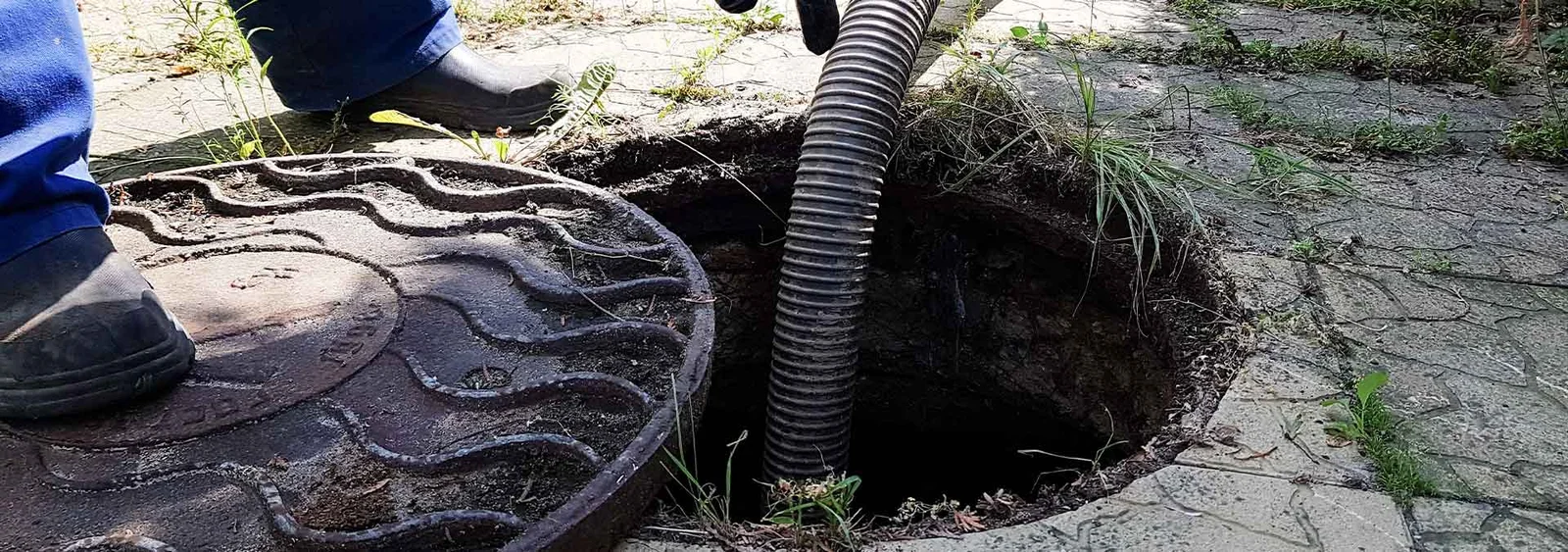
Professional sewage cleanup in Denver addresses Category 3 water damage containing bacteria, viruses, and pathogens. Best Option Restoration of Lakewood provides 24/7 emergency response with IICRC-certified technicians who understand local conditions.
- Denver's aging sewer infrastructure and rapid population growth create backup risks, especially in older neighborhoods with clay pipes. Seasonal snowmelt and monsoon storms can overwhelm systems and force wastewater into basements.
- The cleanup process includes emergency containment, sewage extraction, EPA-registered disinfection, and structural drying with equipment calibrated for Denver's high altitude. HEPA air scrubbers and hydroxyl generators eliminate contaminants and odors.
- The company provides detailed documentation for insurance claims including timestamped photos, moisture readings, and itemized damage inventories. They work directly with major insurance carriers and meet IICRC S500 standards.
Sewage cleanup is a specialized process that goes beyond simply removing standing water from your property. It involves professional extraction of contaminated water, thorough sanitization of affected areas, and complete restoration to eliminate health risks. Because sewage contains harmful bacteria, viruses, and pathogens, professional attention is required to make your space safe for occupants again.
Overview
Walking into your Denver home and discovering sewage backup is one of the most distressing situations any property owner can face. The smell alone signals danger, but the health risks lurking in contaminated water demand immediate professional attention. Sewage cleanup involves far more than removing standing water – it requires specialized extraction, thorough sanitization, and complete restoration to make your space safe again.
Professional sewage cleanup addresses Category 3 water damage, the most hazardous classification containing bacteria, viruses, and other pathogens. Denver's unique conditions – from aging sewer infrastructure in established neighborhoods to rapid development straining municipal systems – create specific challenges that require local expertise and rapid response.
- Immediate containment and extraction of contaminated materials
- Hospital-grade disinfection and antimicrobial treatment
- Structural drying using commercial equipment calibrated for Denver's altitude
- Complete odor elimination and air quality restoration
Common Issues in Denver, CO
When Sewage Emergencies Peak in Denver
Melting snow and spring rains overwhelm aging sewer systems and cause basement backups throughout the Denver metro area.
Denver's summer monsoon storms bring sudden heavy rainfall that floods storm drains and causes sewer line overflows.
Extreme cold snaps freeze and burst sewer lines, leading to sewage backups when pipes thaw.
Denver's semi-arid climate creates a deceptive sense of security regarding water damage. However, the city's aging infrastructure combined with rapid population growth puts tremendous pressure on sewer systems throughout the metro area. Neighborhoods like Capitol Hill, Congress Park, and parts of northwest Denver contain clay sewer lines installed decades ago that are increasingly prone to failure.
Seasonal patterns play a significant role in sewage backup incidents across the Front Range. Spring snowmelt and summer monsoon storms can overwhelm combined sewer systems, forcing wastewater back into basements and lower levels. The freeze-thaw cycles common during Denver winters also stress pipe joints and connections.
- Tree root intrusion – Denver's mature urban canopy sends roots seeking moisture into aging sewer laterals
- Basement backups during heavy rainfall events when storm and sanitary systems merge
- Grease buildup in older residential lines, particularly in historic bungalows and Victorian-era homes
- Foundation settling in expansive clay soils causing pipe misalignment
- Sump pump failures during power outages from severe weather
- Main line blockages from flushing inappropriate materials
Warning signs to monitor include slow drains throughout your home, gurgling sounds from toilets, sewage odors near floor drains, and wet spots appearing in basement areas. Acting quickly when you notice these symptoms can prevent a minor issue from becoming a major contamination event.
How Best Option Restoration of Lakewood Can Help
When sewage contamination strikes your Denver property, our team responds with a systematic approach designed to protect your health and restore your home efficiently. We understand the urgency these situations demand and have crews available around the clock.
Our Sewage Cleanup Process
- Emergency Response and Assessment – Technicians arrive equipped with personal protective equipment and immediately evaluate the extent of contamination, identifying affected materials and creating a detailed scope of work.
- Containment and Safety Measures – We establish containment barriers to prevent cross-contamination, set up negative air pressure systems, and ensure proper ventilation before extraction begins.
- Water Extraction and Debris Removal – Powerful truck-mounted extraction units remove standing sewage while crews carefully dispose of contaminated materials following EPA guidelines.
- Cleaning and Disinfection – All salvageable surfaces receive thorough cleaning with EPA-registered antimicrobial agents designed to eliminate harmful pathogens.
- Structural Drying – Commercial dehumidifiers and air movers – adjusted for Denver's altitude where water evaporates differently than at sea level – ensure complete moisture removal from structural components.
- Final Verification and Restoration – Moisture readings confirm dry standards have been met, and we coordinate any necessary repairs to return your property to pre-loss condition.
Techniques and Equipment
- Submersible pumps for rapid sewage extraction
- HEPA air scrubbers to capture airborne contaminants
- Thermal imaging to detect hidden moisture in walls and flooring
- Hydroxyl generators for safe, effective odor elimination
- Moisture meters calibrated for Denver's lower atmospheric pressure
Throughout the process, your dedicated project manager keeps you informed with regular updates and answers any questions about the work being performed.
Insurance & Documentation
Sewage cleanup claims require meticulous documentation to support your insurance filing. Our team captures comprehensive evidence from the moment we arrive, building a complete record that helps streamline your claims process.
- Timestamped photographs and video of all affected areas before cleanup begins
- Detailed moisture readings and environmental measurements
- Itemized inventory of damaged contents and materials requiring disposal
- Daily work logs documenting all activities performed
- Final clearance reports with before-and-after comparisons
We work directly with most major insurance carriers and understand the specific documentation requirements different adjusters need. Our administrative team can communicate with your insurance company on your behalf, providing requested information promptly and accurately.
All work meets or exceeds IICRC S500 standards for professional water damage restoration. Our technicians maintain current certifications in water damage restoration, applied structural drying, and microbial remediation – credentials that insurance companies recognize and respect.
Why Choose Best Option Restoration of Lakewood
Serving the Denver metro area means we understand the specific challenges local properties face. Our technicians live and work in this community, responding quickly because they know the neighborhoods, traffic patterns, and fastest routes to reach you during an emergency.
We maintain fully stocked response vehicles ready to deploy at any hour. When sewage backup happens at 2 AM on a holiday weekend, you reach a live person – not a call center – who dispatches help immediately. Our average response time reflects our commitment to being there when you need us most.
- IICRC-certified technicians with specialized training in biohazard remediation
- Licensed, bonded, and insured for residential and commercial sewage cleanup
- Direct billing relationships with major insurance providers
- Locally owned operation with deep roots in the Lakewood and Denver communities
- Satisfaction guarantee backed by follow-up inspections
Housing Characteristics & Sewage Cleanup Considerations
Denver's housing stock reflects over a century of development patterns, creating diverse sewage cleanup challenges across different neighborhoods. The city's building boom periods – the early 1900s, post-WWII expansion, and the 1970s-80s suburban growth – each left distinct housing types with unique plumbing vulnerabilities.
Age and Construction Patterns
Homes built before 1950 – common in areas like Park Hill, Washington Park, and Highland – often feature cast iron or clay sewer laterals connecting to the main line. These materials deteriorate over decades, developing cracks that allow root intrusion and soil infiltration. Properties from this era typically have basements that sit below the sewer main elevation, increasing backup risk during heavy flow events.
- Pre-1950 homes: Clay or cast iron pipes, often with original connections still in service
- 1950s-1970s ranch homes: Transition to cast iron and early PVC, sprawling layouts with multiple drain points
- 1980s-2000s construction: PVC systems with improved connections but varying installation quality
- New construction: Modern materials but potential issues from rushed development during boom periods
Denver's median home size of approximately 1,500-1,800 square feet means most sewage incidents affect significant portions of living space. Split-level and bi-level designs popular in suburbs like Lakewood create multiple finished areas below grade, expanding potential contamination zones when backups occur.
Environmental Conditions & Sewage Cleanup Implications
Denver's Mile High location creates environmental conditions that directly impact sewage cleanup procedures and timelines. Understanding these factors helps explain why local expertise matters when addressing contamination events.
Climate and Atmospheric Considerations
At 5,280 feet elevation, water behaves differently during extraction and drying. Lower atmospheric pressure means moisture evaporates at different rates than at sea level, requiring equipment calibration and adjusted drying protocols. Denver's average relative humidity of 40-50% – lower than many U.S. cities – can accelerate surface drying but may leave moisture trapped in structural materials if not properly addressed.
- 300+ days of sunshine annually speeds surface drying but can mask hidden moisture
- Low humidity requires careful monitoring to prevent over-drying and material damage
- Temperature swings of 30-40 degrees in a single day affect drying chamber conditions
- Intense UV exposure at altitude impacts certain antimicrobial applications
Soil and Drainage Factors
Denver's notorious expansive clay soils – particularly the bentonite formations common throughout the metro area – create ongoing foundation and pipe stress. These soils swell when wet and contract when dry, causing ground movement that shifts sewer line connections. Properties in areas with high clay content face elevated backup risk, especially after extended dry periods followed by sudden moisture.
Local regulations through Denver Water and Metro Wastewater Reclamation District govern proper disposal of extracted sewage materials. Our crews follow all municipal requirements for contaminated waste handling, protecting both your property and the broader community.
Population Characteristics & Sewage Cleanup Considerations
Denver's population has grown dramatically over the past two decades, adding strain to infrastructure systems designed for a smaller city. The metro area now exceeds 2.9 million residents, with the city proper housing over 700,000 people in increasingly dense neighborhoods.
Demographic Patterns and Service Needs
The city's median household income of approximately $75,000 supports a housing market where property protection matters significantly to homeowners. Many residents have substantial equity in their homes and understand the value of professional restoration over DIY attempts that can leave hidden contamination.
- Young professional population (median age 34) often in first homes with limited restoration experience
- Growing families in suburban areas prioritizing health and safety concerns
- Aging-in-place seniors in established neighborhoods with older plumbing systems
- Rental property investors needing rapid response to protect tenant relationships
Denver's diverse workforce – spanning technology, healthcare, aerospace, and energy sectors – includes many dual-income households where both adults work outside the home. This creates demand for restoration services that can coordinate access, communicate progress remotely, and complete work efficiently while families maintain their schedules.
The city's cultural diversity also means communicating clearly with property owners from various backgrounds. Our team approaches each situation with respect, explaining processes thoroughly and ensuring homeowners understand every step of the restoration journey.
Sewer Infrastructure Data in Denver
Denver's sewer system serves as the hidden backbone of the city, and understanding its characteristics reveals why sewage backup incidents occur and which areas face elevated risk. Metro Wastewater Reclamation District manages over 400 miles of interceptor sewers, while Denver maintains approximately 1,500 miles of collection lines within city limits.
System Age and Condition
Significant portions of Denver's sewer infrastructure date to the early-to-mid 20th century. The city has invested heavily in upgrades, but many residential service laterals – the pipes connecting individual homes to main lines – remain the homeowner's responsibility and often haven't been replaced since original construction.
- Approximately 30% of Denver's sewer mains exceed 50 years of age
- Combined sewer overflow (CSO) areas in older neighborhoods experience backup risk during heavy storms
- The city processes over 150 million gallons of wastewater daily through treatment facilities
- Annual sewer main breaks and backups number in the hundreds across the metro area
High-Risk Areas and Patterns
Certain Denver neighborhoods experience higher sewage backup rates based on infrastructure age, topography, and system design. Areas with combined storm and sanitary sewers – primarily in central Denver – face particular challenges during intense rainfall when system capacity is exceeded.
- Capitol Hill and surrounding neighborhoods: Aging combined systems, high-density usage
- Northwest Denver: Historic infrastructure with documented root intrusion issues
- Low-lying areas near the South Platte: Gravity flow challenges during high water events
- Rapidly developing areas: New connections straining existing capacity
Denver Water and city agencies have invested over $200 million in sewer improvements in recent years, but individual property connections remain vulnerable. Homeowners throughout the metro area benefit from understanding their specific risk factors and having a trusted restoration partner ready to respond when problems occur. Best Option Restoration of Lakewood maintains the local knowledge and technical capability to address sewage emergencies across every Denver neighborhood.
Weather & Alerts in Denver, CO
Current Conditions
Temp: 65°F · Feels like: 63°F
Humidity: 54% · Wind: 3 mph
Emergency Alerts
No active alerts.
Sewage Cleanup in Other Service Areas
Useful Numbers
- Life-threatening emergencies
- 911
- Poison Control
- 1-800-222-1222
- Suicide Prevention Lifeline
- 988
- Police (non-emergency)
- Visit your local police department website
- Fire Department (non-emergency)
- Check the Denver city website
- City Hall
- Available on the official Denver government website
- Non-Emergency Services
- Call 311 if available in your area
Always verify numbers from official city/county websites.