
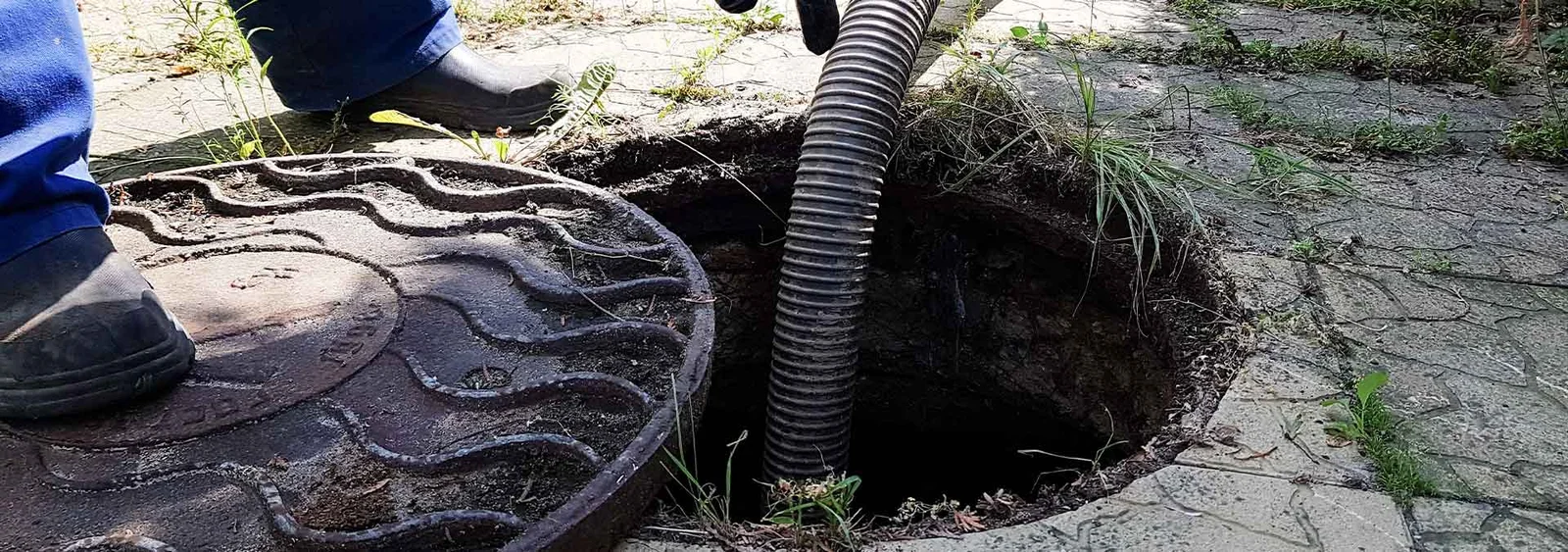
Professional sewage cleanup in Thornton, CO addresses Category 3 water damage - the most hazardous classification - requiring systematic contamination removal, sanitization, and restoration. Best Option Restoration of Lakewood provides 24/7 emergency response with IICRC-certified technicians throughout all Thornton neighborhoods.
- Thornton's clay-heavy soils, aging infrastructure from 1970s-1980s development, and seasonal weather patterns like spring snowmelt and summer monsoons create conditions that lead to sewage backups. Warning signs include slow drains, gurgling toilets, and sewage odors near floor drains.
- The cleanup process includes contaminated water extraction, removal of affected materials like carpeting and drywall, antimicrobial treatments, structural drying, and final sanitization with clearance testing to verify safety standards are met.
- The company provides detailed documentation including timestamped photos, moisture mapping reports, and itemized inventories to support insurance claims. They work directly with insurance carriers and offer direct billing to reduce coordination burden.
Sewage cleanup involves far more than removing visible waste. It requires systematic contamination removal, thorough sanitization, and complete restoration of affected areas to safe, livable conditions. Professional cleanup addresses health risks from bacteria and pathogens while restoring your home or business to a safe environment after a sewage backup incident.
Overview
Walking into your Thornton home or business and discovering sewage backup is overwhelming. The smell alone signals something is seriously wrong, and the health risks demand immediate attention. Sewage cleanup involves far more than removing visible waste – it requires systematic contamination removal, thorough sanitization, and complete restoration of affected areas to safe, livable conditions.
Professional sewage cleanup addresses Category 3 water damage, the most hazardous classification in the restoration industry. This black water contains bacteria, viruses, parasites, and other pathogens that pose immediate health threats. Thornton's semi-arid climate and rapid temperature swings between seasons can stress older plumbing systems, while the area's clay-heavy soils create drainage challenges that contribute to backup incidents.
- Rapid extraction of contaminated water and solid waste materials
- Complete sanitization using hospital-grade antimicrobial treatments
- Structural drying to prevent secondary mold growth
- Odor elimination through specialized equipment and techniques
Common Issues in Thornton, CO
When Sewage Emergencies Peak in Thornton
Melting snow and spring rains overwhelm aging sewer systems and cause backups into basements.
Colorado's summer monsoon brings intense rainfall that floods storm drains and causes sewer overflows.
Freezing temperatures cause pipe bursts and sewage line failures, especially during holiday gatherings with heavy plumbing use.
Best Option Restoration of Lakewood provides Sewage Cleanup services in all neighborhoods of Thornton including Amber Creek, Burgundy, Eastlake, Fox Run, Holiday Hills Village, Lambertson Lakes, Loma Linda Estates, Marshall Lake, North Hills, Original Thornton, Pine Lakes Ranch, Quebec Highlands, The Grove at Alta Ridge, Wind Dance, Woodland Hills, and York Highlands.
Thornton's position along the northern Denver metro corridor creates specific sewage-related vulnerabilities. The city's infrastructure serves a rapidly growing population, with many neighborhoods built during different development eras – each presenting unique plumbing configurations and potential failure points.
Seasonal weather patterns significantly impact sewage system performance throughout the year. Spring snowmelt combined with late-season storms can overwhelm municipal systems and residential lines simultaneously. Summer monsoon activity brings sudden, intense rainfall that saturates the ground and backs up into basement drains.
- Clay-dominant soil composition that expands and contracts, stressing underground pipes
- Aging sewer laterals in neighborhoods developed during the 1970s and 1980s
- Tree root intrusion from mature landscaping in established areas
- Ground shifting due to Colorado's freeze-thaw cycles
- Grease buildup in lines from residential cooking habits
- Improper disposal of non-flushable items causing blockages
Warning signs that sewage problems may be developing include slow drains throughout the home, gurgling sounds from toilets when other fixtures drain, sewage odors near floor drains, and wet spots in the yard above sewer line paths. Catching these indicators early can prevent full backup situations.
How Best Option Restoration of Lakewood Can Help
Our sewage cleanup response begins the moment you contact us. Understanding that sewage situations worsen rapidly, we prioritize getting qualified technicians to your Thornton property quickly.
Our Systematic Cleanup Process
- Initial assessment to determine contamination extent and identify the backup source
- Containment setup to prevent cross-contamination of unaffected areas
- Extraction of standing sewage water using truck-mounted and portable equipment
- Removal of contaminated materials including carpeting, drywall, and insulation
- Application of antimicrobial treatments to all affected surfaces
- Structural drying using commercial dehumidifiers and air movers
- Final sanitization and deodorization of the entire affected space
- Clearance testing to verify the area meets safety standards
Specialized Techniques We Employ
- Negative air pressure systems to control airborne contaminants
- HEPA filtration throughout the remediation process
- Thermal fogging for odor penetration into porous materials
- Moisture mapping technology to track drying progress
- ATP testing to verify surface sanitization effectiveness
Communication remains constant throughout your project. You receive updates at each phase, documentation of work completed, and clear explanations of next steps. Our team coordinates with plumbers when line repairs are needed and works around your schedule whenever possible.
Insurance & Documentation
Sewage backup claims require thorough documentation to process successfully. From our initial arrival, we photograph and catalog all damage, creating a comprehensive record that supports your insurance claim.
Our documentation package includes detailed moisture readings, itemized inventories of affected contents, and progress photos throughout the remediation process. This systematic approach gives adjusters the information they need to evaluate your claim accurately.
- Timestamped photographs documenting initial conditions and restoration progress
- Moisture mapping reports showing affected areas and drying verification
- Detailed scope of work documents outlining all remediation activities
- Material and equipment logs for insurance billing purposes
- Final clearance documentation confirming successful remediation
We work directly with insurance carriers, speaking their language and providing information in formats they recognize. Our IICRC certifications meet industry standards that insurers require, and our documentation practices align with carrier expectations for claim approval.
Why Choose Best Option Restoration of Lakewood
Our technicians hold IICRC certifications in water damage restoration and applied microbial remediation – the specific credentials required for safe sewage cleanup. This training ensures proper handling of biohazardous materials and effective contamination elimination.
Serving the greater Denver metro area, including Thornton, means we understand local building practices, common plumbing configurations, and seasonal factors that affect sewage incidents. Our crews arrive equipped with commercial-grade extraction equipment, not residential machines that lack the power for serious contamination events.
- 24/7 emergency response with rapid deployment to Thornton locations
- Direct insurance billing to reduce your out-of-pocket coordination burden
- Licensed, bonded, and insured – not just certified – for all work performed
- Post-remediation follow-up to verify continued air quality and surface safety
Housing Characteristics & Sewage Cleanup Considerations
Thornton's housing stock reflects the city's development timeline, with significant construction occurring in distinct phases. Neighborhoods in the southern and central portions of the city feature homes built primarily between 1965 and 1985, while northern Thornton saw substantial development from 2000 onward. This creates a varied landscape of plumbing systems and building methods that directly impacts sewage cleanup approaches.
Older homes in established Thornton neighborhoods typically feature cast iron or clay sewer laterals connecting to the municipal system. These materials, while durable, become brittle over decades and develop cracks that allow root intrusion and ground infiltration. Homes from this era often have basement floor drains that serve as the lowest point in the drainage system – making them the first location where backups emerge.
- Single-family homes comprise the majority of Thornton's housing, averaging 1,500-2,200 square feet
- Basement construction is common, creating below-grade spaces vulnerable to sewage backup
- Concrete slab foundations in newer construction present different contamination challenges
- Multi-story townhome developments require vertical contamination assessment
Construction methods in homes built during Thornton's growth periods used materials that respond differently to sewage exposure. Particle board subflooring, common in 1970s-1980s construction, absorbs contaminated water rapidly and typically requires removal. Newer homes with engineered materials may allow salvage if caught quickly, but the decision depends on exposure duration and contamination level.
Environmental Conditions & Sewage Cleanup Implications
Thornton's semi-arid high plains climate creates specific conditions that affect both sewage incidents and cleanup processes. Average annual precipitation of approximately 15 inches arrives unevenly throughout the year, with May and June bringing the heaviest rainfall. These wet periods coincide with peak sewage backup incidents as saturated ground reduces the soil's ability to absorb water away from foundations.
The region's clay-heavy soils, classified primarily as expansive clay, swell when wet and shrink during dry periods. This constant movement stresses underground pipes and can misalign joints over time. The same soil characteristics that cause foundation issues in many Thornton homes also contribute to sewer line failures.
- Low humidity levels – averaging 40-50% – accelerate structural drying when equipment is deployed
- Elevation of approximately 5,350 feet affects equipment calibration and drying calculations
- Temperature extremes ranging from below zero in winter to over 100°F in summer stress plumbing systems
- High UV exposure at altitude requires protection of restored materials during the process
Thornton's air quality, monitored through Colorado's Air Pollution Control Division, occasionally experiences elevated ozone levels during summer months. During sewage cleanup, we consider outdoor air quality when determining ventilation strategies, ensuring we don't introduce additional pollutants while exhausting contaminated indoor air. Municipal water quality in Thornton meets EPA standards, providing reliable supply for cleaning and sanitization activities.
Population Characteristics & Sewage Cleanup Considerations
Thornton ranks among Colorado's largest cities, with a population exceeding 140,000 residents spread across diverse neighborhoods. The city's suburban character means most residents live in single-family homes with individual sewer laterals – placing maintenance responsibility on homeowners rather than landlords or property managers.
Household demographics in Thornton skew toward families and working professionals, with median household incomes around $75,000-$85,000. This economic profile means most residents carry homeowner's insurance that includes sewage backup coverage, though policy limits and deductibles vary. Many residents work outside the home during business hours, making rapid response and flexible scheduling valuable during cleanup projects.
- Growing population density increases demand on aging municipal sewer infrastructure
- Diverse cultural backgrounds may require multilingual communication during emergencies
- High percentage of dual-income households means flexible scheduling is often needed
- Mix of long-term residents and newcomers affects familiarity with local plumbing issues
Thornton's workforce includes significant employment in healthcare, retail, and logistics sectors, with many residents commuting to Denver or other metro communities. This commuter population benefits from restoration services that can work independently while homeowners maintain work schedules. Our documentation and communication systems keep you informed even when you cannot be present during every phase of cleanup.
Sewage Infrastructure & Incident Patterns in Thornton
Thornton's wastewater services operate through a combination of city-maintained lines and the Metro Wastewater Reclamation District, which processes sewage from across the Denver metro area. The city maintains over 400 miles of sanitary sewer lines, with ongoing capital improvement projects addressing aging infrastructure in established neighborhoods.
Sewage backup incidents in Thornton follow predictable patterns tied to infrastructure age and weather events. Data from municipal reports and restoration industry tracking shows elevated incident rates in these circumstances:
- Spring months – particularly April through June – when snowmelt and rainfall combine
- Neighborhoods with sewer lines installed before 1985, particularly in south-central Thornton
- Properties with large trees within 25 feet of sewer lateral paths
- Homes that have not had sewer line inspection or maintenance in over 10 years
- Areas where ground settling has created low spots in underground pipe runs
The city's ongoing sewer rehabilitation program targets the highest-risk segments, but private laterals – the portion running from the home to the municipal connection – remain homeowner responsibility. These laterals account for the majority of residential backup incidents. Regular inspection through camera surveys can identify developing problems before complete failure occurs.
Properties in Thornton's older subdivisions, including areas near 88th Avenue and Washington Street corridors, experience higher incident rates due to infrastructure age. Newer developments in the Larkridge and North Creek areas benefit from modern PVC piping but may still experience backups from improper use or construction debris left in lines. Regardless of neighborhood, rapid professional response remains the key factor in minimizing damage when sewage backup occurs.
Weather & Alerts in Thornton, CO
Current Conditions
Temp: 67°F · Feels like: 66°F
Humidity: 38% · Wind: 3 mph
Emergency Alerts
No active alerts.
Sewage Cleanup in Other Service Areas
Useful Numbers
- Life-threatening emergencies
- 911
- Poison Control
- 1-800-222-1222
- Suicide Prevention Lifeline
- 988
- Police (non-emergency)
- Visit your local police department website
- Fire Department (non-emergency)
- Check the Thornton city website
- City Hall
- Available on the official Thornton government website
- Non-Emergency Services
- Call 311 if available in your area
Always verify numbers from official city/county websites.