
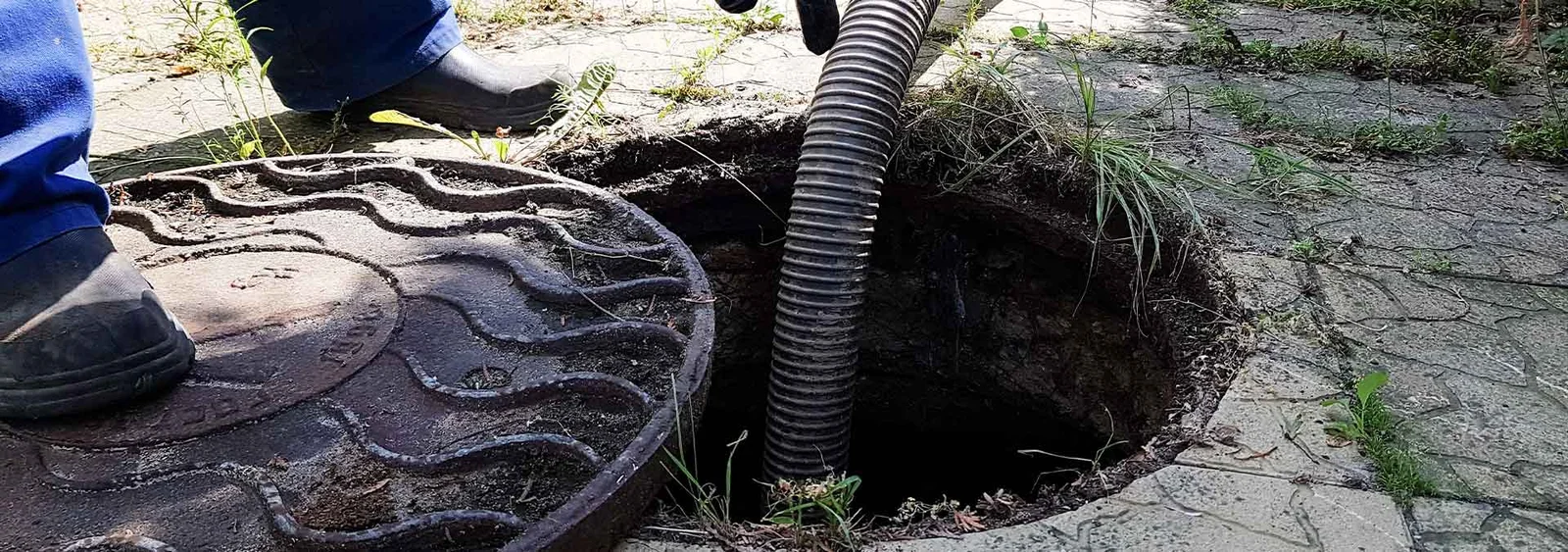
Best Option Restoration of Lakewood provides professional sewage cleanup services in Wheat Ridge, CO, addressing contamination from raw sewage backups that pose serious health hazards in the area's aging homes and infrastructure.
- Wheat Ridge's mid-century homes with cast iron and clay sewer lines face increased backup risks from root intrusion, freeze-thaw cycles, and aging municipal systems dating to the 1950s-1970s.
- The restoration process includes sewage extraction, antimicrobial treatment, structural drying calibrated for Colorado's climate, HEPA air scrubbing, and final sanitization with clearance testing.
- IICRC-certified technicians offer 24/7 emergency response, direct insurance billing, and detailed documentation to support claims for Category 3 water damage.
Sewage cleanup involves more than removing visible waste. It requires systematic decontamination, structural drying, and full restoration to eliminate dangerous pathogens that can remain long after the initial incident. Professional intervention is needed to address serious health hazards, including bacteria and contaminants found in raw sewage backups in homes and businesses.
Overview
What happens when raw sewage backs up into your Wheat Ridge home or business? Beyond the immediate shock and unpleasant odor, you're facing a serious health hazard that demands swift, professional intervention. Sewage cleanup involves far more than removing visible waste – it requires systematic decontamination, structural drying, and restoration to eliminate dangerous pathogens that can linger long after the initial incident.
Wheat Ridge's mix of mid-century homes, aging municipal infrastructure, and Colorado's freeze-thaw cycles creates conditions where sewage backups occur more frequently than many residents expect. Professional sewage cleanup addresses both the immediate contamination and the hidden dangers lurking in walls, flooring, and HVAC systems.
- Rapid extraction of sewage water and contaminated materials before bacteria multiply
- Hospital-grade disinfection protocols that eliminate harmful microorganisms
- Structural drying techniques calibrated for Colorado's unique climate conditions
- Odor neutralization that addresses the source rather than masking symptoms
Common Issues in Wheat Ridge, CO
When Sewage Emergencies Peak in Wheat Ridge
Snowmelt and spring rains overwhelm aging sewer systems and cause backups throughout the Denver metro area.
Colorado's summer monsoon brings intense afternoon storms that flood storm drains and cause sewer overflows.
Freezing temperatures cause pipes to burst and sewer lines to crack, leading to basement backups.
Best Option Restoration of Lakewood provides Sewage Cleanup services in all neighborhoods of Wheat Ridge including Applewood Lane, Kipling Villiage, Outlook Clear Creek, The Ridge, and Vista Village.
Wheat Ridge sits along Clear Creek at approximately 5,400 feet elevation, where the combination of older infrastructure and Colorado's dramatic temperature swings creates specific sewage backup risks. Many homes here connect to sewer lines installed during the community's post-war building boom, and these aging systems face increasing strain.
The city's clay-heavy soils expand and contract with moisture changes, placing pressure on underground pipes. Tree roots from Wheat Ridge's mature landscaping often infiltrate older clay and cast iron sewer lines, creating blockages that worsen over time.
- Aging sewer laterals from 1950s-1970s construction prone to collapse or root intrusion
- Spring snowmelt overwhelming storm and sanitary sewer connections
- Freeze-thaw cycles cracking underground pipes between November and March
- Basement floor drains backing up during heavy rainfall events
- Grease buildup in residential lines from older kitchen plumbing configurations
- Sump pump failures during power outages allowing groundwater contamination
Warning signs include slow-draining fixtures throughout the house, gurgling sounds from toilets when running other water, sewage odors near floor drains, and wet spots appearing in basement floors or walls. Acting quickly when these symptoms appear can prevent a minor issue from becoming a full-scale sewage emergency.
How Best Option Restoration of Lakewood Can Help
Our sewage cleanup process follows strict industry protocols while adapting to each situation's unique challenges. We arrive equipped to handle Category 3 water damage – the most hazardous classification – with appropriate personal protective equipment and commercial-grade extraction equipment.
Our Step-by-Step Restoration Process
- Initial assessment and safety evaluation, including air quality testing and contamination mapping
- Extraction of standing sewage water using truck-mounted pumps and portable units
- Removal of contaminated materials including carpeting, padding, drywall, and insulation
- Application of antimicrobial treatments to all affected surfaces and structural elements
- Structural drying using industrial dehumidifiers and air movers calibrated for the space
- HEPA air scrubbing to capture airborne contaminants and restore indoor air quality
- Final sanitization, deodorization, and clearance testing before reconstruction begins
Techniques We Employ
- Thermal imaging to detect moisture hidden behind walls and under flooring
- Hydroxyl generators for odor elimination without harmful ozone exposure
- Negative air pressure containment preventing cross-contamination to unaffected areas
- Moisture monitoring throughout the drying process with documented readings
We maintain communication throughout every phase, providing daily updates on progress and explaining each step before proceeding. Our project managers remain accessible by phone to answer questions as they arise.
Insurance & Documentation
Sewage damage claims require thorough documentation to demonstrate the scope of contamination and the necessity of professional remediation. We create detailed records from the moment we arrive, understanding that this documentation protects your interests during the claims process.
- Time-stamped photographs documenting initial conditions and contamination extent
- Moisture readings and mapping showing affected areas throughout the structure
- Itemized inventory of damaged personal property and building materials
- Daily work logs detailing extraction volumes, drying progress, and treatments applied
- Final clearance documentation confirming successful remediation completion
Our team works directly with insurance adjusters, providing the technical information they need to process claims efficiently. We understand policy language and can help clarify coverage questions. All work meets or exceeds IICRC S500 standards for professional water damage restoration, giving insurers confidence in our remediation approach.
Why Choose Best Option Restoration of Lakewood
Our technicians hold IICRC certifications in water damage restoration and applied structural drying, with specialized training in biohazard remediation. We maintain these credentials through ongoing education, staying current with evolving industry standards and techniques.
Serving the Lakewood area means we understand Wheat Ridge's specific challenges – from the aging infrastructure along 38th Avenue to the basement configurations common in Applewood neighborhoods. Our response teams can reach most Wheat Ridge locations within an hour of your call, and we maintain equipment ready for immediate deployment around the clock.
- 24/7 emergency response with local crews positioned throughout Jefferson County
- Direct insurance billing reducing your out-of-pocket coordination burden
- Written scope of work provided before any remediation begins
- Post-project follow-up ensuring complete satisfaction with results
Housing Characteristics & Sewage Cleanup Considerations
Wheat Ridge's housing stock reflects its development history as a post-war Denver suburb. Most homes here were constructed between 1955 and 1975, with another building wave occurring in the 1980s and 1990s. This means the majority of residences are approaching or exceeding 50 years of age – a threshold where plumbing systems often begin showing significant wear.
Single-family ranch homes dominate the landscape, many featuring full basements that served as family rooms or additional living space. These below-grade areas face the highest risk during sewage backups, as floor drains provide direct pathways for contamination when main lines become blocked. Average home sizes range from 1,200 to 1,800 square feet above grade, with comparable basement footprints below.
Construction-Era Considerations
- Cast iron drain lines common in pre-1970 homes prone to internal corrosion and scale buildup
- Orangeburg (bituminized fiber) sewer laterals from the 1950s-60s now failing throughout the area
- Concrete block foundations with potential for moisture wicking during contamination events
- Original floor coverings often include asbestos-containing materials requiring careful handling
These older construction methods require restoration teams familiar with mid-century building practices. We approach each Wheat Ridge project with awareness of these era-specific materials and systems, adapting our techniques accordingly.
Environmental Conditions & Sewage Cleanup Implications
Wheat Ridge experiences Colorado's semi-arid climate with distinct seasonal patterns affecting sewage cleanup requirements. Average annual precipitation of approximately 15 inches arrives primarily during spring thunderstorm season and occasional winter storms. This moisture pattern creates specific challenges for structural drying and contamination control.
The region's clay-dominant soils – particularly the Denver Formation clays prevalent throughout Jefferson County – expand significantly when wet and contract during dry periods. This soil movement stresses underground sewer lines and foundation walls, contributing to both backup incidents and moisture intrusion pathways.
Environmental Factors Affecting Remediation
- Low humidity levels (averaging 30-40%) accelerate drying but require careful moisture monitoring
- Elevation affects drying equipment performance and evaporation rates
- Temperature extremes from summer highs near 95°F to winter lows below 0°F impact scheduling
- Radon presence in many Wheat Ridge basements requires ventilation considerations during work
- Clear Creek watershed proximity influences groundwater levels in some neighborhoods
Colorado's environmental regulations require proper disposal of contaminated materials at licensed facilities. We maintain relationships with approved disposal sites and transport all sewage-contaminated debris according to state requirements, providing disposal documentation for your records.
Population Characteristics & Sewage Cleanup Considerations
Wheat Ridge's population of approximately 32,000 residents occupies a mature suburban community with established neighborhoods and stable household composition. The city's median age trends older than the Denver metro average, with significant populations of long-term homeowners who have maintained properties for decades.
Household incomes in Wheat Ridge span a broad range, with median figures near $60,000 annually. Many residents are retirees on fixed incomes, while younger families have increasingly moved into renovated mid-century homes attracted by the community's character and relative affordability compared to Denver.
Population Factors Influencing Service Needs
- Long-term homeowners often have deferred maintenance on aging plumbing systems
- Fixed-income households benefit from insurance claim assistance and financing options
- Multi-generational households may have increased occupancy straining original plumbing capacity
- Rental properties in the area sometimes experience delayed maintenance reporting
- Home-based businesses increasingly common, requiring minimal disruption during restoration
We recognize that sewage emergencies create stress regardless of circumstances, but particularly for residents managing tight budgets or health concerns. Our team approaches each project with sensitivity to individual situations, explaining options clearly and working within realistic constraints.
Infrastructure & Sewer System Data in Wheat Ridge
Wheat Ridge's sanitary sewer system serves approximately 12,000 connections through a network maintained partly by the city and partly by the Metro Wastewater Reclamation District. The system includes over 100 miles of sewer lines, with significant portions dating to the 1950s and 1960s when the community experienced its primary development phase.
The city has undertaken infrastructure improvement projects in recent years, but many residential sewer laterals – the lines connecting individual homes to main sewers – remain the responsibility of property owners. These private laterals often represent the weakest link in the system.
Local Infrastructure Statistics
- Approximately 40% of sewer lines in Wheat Ridge exceed 50 years of age
- Clay pipe comprises a significant portion of original residential connections
- Combined sewer overflow events occur during heavy precipitation in older sections
- Root intrusion accounts for the majority of residential backup incidents
- The city's capital improvement plan addresses main line upgrades but not private laterals
Properties along the 44th Avenue corridor and in the Paramount Heights neighborhood frequently experience backup issues related to aging infrastructure. Homes near Clear Creek may also encounter groundwater infiltration that compounds sewage contamination during backup events.
Understanding these infrastructure realities helps property owners recognize that sewage backups in Wheat Ridge often result from systemic aging rather than individual negligence. When backups occur, professional remediation addresses the immediate contamination while providing insights into preventive measures that can reduce future risk.
Weather & Alerts in Wheat Ridge, CO
Current Conditions
Temp: 63°F · Feels like: 61°F
Humidity: 55% · Wind: 3 mph
Emergency Alerts
No active alerts.
Sewage Cleanup in Other Service Areas
Useful Numbers
- Life-threatening emergencies
- 911
- Poison Control
- 1-800-222-1222
- Suicide Prevention Lifeline
- 988
- Police (non-emergency)
- Visit your local police department website
- Fire Department (non-emergency)
- Check the Wheat Ridge city website
- City Hall
- Available on the official Wheat Ridge government website
- Non-Emergency Services
- Call 311 if available in your area
Always verify numbers from official city/county websites.