
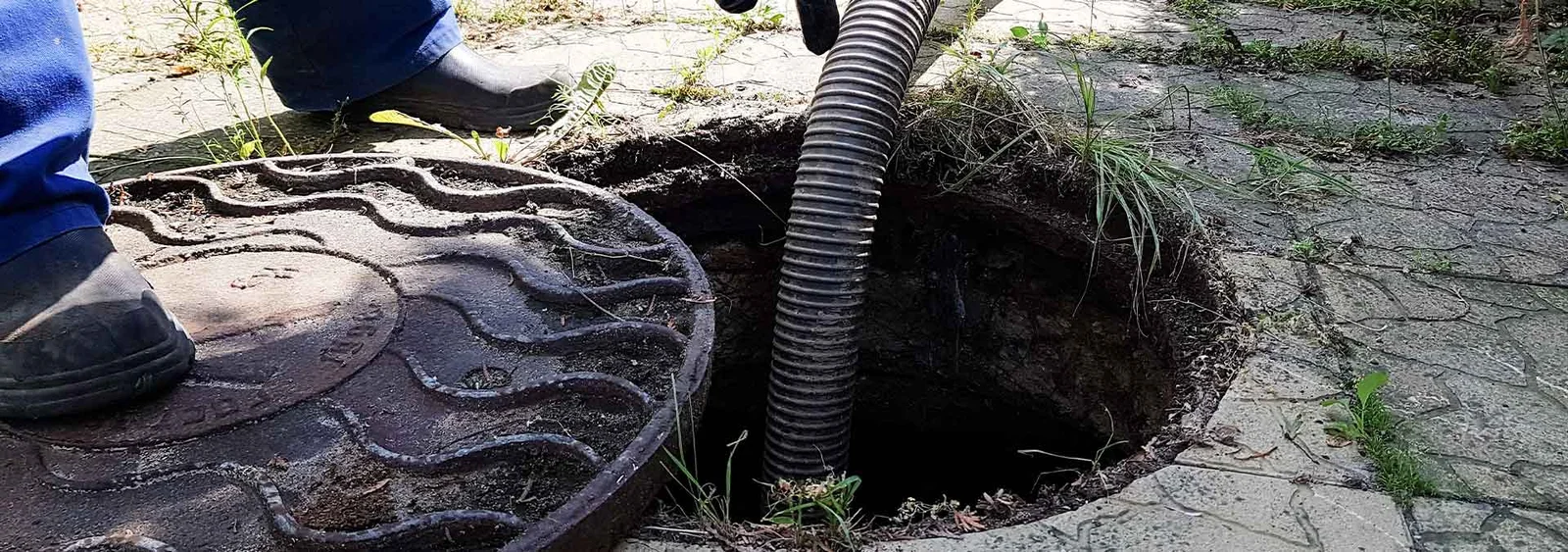
Best Option Restoration of Lakewood provides professional sewage cleanup services for Genesee, CO homes, addressing the unique challenges of mountain properties at 7,800 feet elevation with septic systems and harsh seasonal conditions.
- Raw sewage contains dangerous pathogens like hepatitis and E. coli, and professional cleanup requires specialized equipment, antimicrobial treatments, and structural drying to eliminate hidden contamination.
- Genesee properties face specific risks including septic overflows during spring snowmelt, frozen lines in winter, tree root intrusion from ponderosa pines, and ground shifting in rocky terrain.
- The company offers 24/7 emergency response with IICRC-certified technicians, direct insurance billing, and detailed documentation to support claims processing.
When sewage backs up into your Genesee home, you need immediate professional attention due to the serious health risks from dangerous pathogens, bacteria, and viruses in raw sewage. Properties at Genesee's 7,800-foot elevation face unique challenges with septic systems and sewage infrastructure that can cause unexpected backups and contamination, requiring specialized cleanup services.
Overview
When sewage backs up into your Genesee home, the situation demands immediate attention. Raw sewage contains dangerous pathogens, bacteria, and viruses that pose serious health risks to your family. At an elevation of over 7,800 feet in the Colorado foothills, Genesee properties face unique challenges with septic systems and sewage infrastructure that can lead to unexpected backups and contamination events.
Professional sewage cleanup involves far more than removing visible waste. The process requires specialized equipment, protective gear, and antimicrobial treatments to eliminate biological hazards that can linger in building materials, flooring, and air systems. Attempting DIY cleanup exposes you to hepatitis, E. coli, and other dangerous contaminants while potentially leaving behind hidden contamination that creates ongoing health risks.
- Complete extraction of sewage water and contaminated materials from affected areas
- Professional-grade disinfection using EPA-registered antimicrobial agents
- Structural drying to prevent secondary mold growth in mountain humidity conditions
- Air quality restoration through HEPA filtration and deodorization
Common Issues in Genesee, CO
When Sewage Cleanup Emergencies Peak in Genesee
Rapid snowmelt at this mountain elevation causes ground saturation and overwhelms septic systems, leading to backups.
Colorado's summer monsoon brings intense afternoon storms that can flood septic systems and cause sewage backups.
Early winter freezing temperatures at 8,000+ feet elevation can freeze pipes and septic lines, causing sewage emergencies.
Genesee's mountain location creates specific sewage-related vulnerabilities that differ significantly from urban Denver neighborhoods. Many properties rely on septic systems rather than municipal sewer connections, and these systems face particular stress from the area's clay-heavy soils and seasonal ground conditions.
During spring snowmelt, the rapid influx of water saturates the ground and can overwhelm septic drain fields, causing backups into homes. Winter brings its own challenges – frozen ground prevents proper drainage, and septic tank components can freeze during extended cold snaps common at this elevation.
- Septic system overflows during spring runoff season when snowmelt saturates mountain soils
- Frozen septic lines and tank components during harsh Colorado winters
- Tree root intrusion into aging sewer lines – particularly from the mature ponderosa pines common throughout Genesee
- Ground shifting and settling that damages underground pipes in the rocky foothill terrain
- Power outages affecting homes with sewage ejector pumps – common during mountain storms
- Wildlife damage to exposed septic system components from deer, elk, and smaller animals
Warning signs that indicate potential sewage problems include slow drains throughout the house, gurgling sounds from toilets, wet spots in the yard near septic components, and sewage odors inside or outside the home. If you notice any of these indicators, addressing the issue promptly can prevent a full backup situation.
How Best Option Restoration of Lakewood Can Help
Our sewage cleanup process follows strict industry protocols developed specifically for biohazard remediation. We arrive prepared with all necessary equipment and protective gear to begin work immediately.
Our Step-by-Step Sewage Remediation Process
- Emergency response and initial assessment – we evaluate the extent of contamination, identify the source, and develop a remediation plan
- Safety containment – establishing barriers to prevent cross-contamination to unaffected areas of your home
- Sewage extraction – removing all standing water and waste using commercial-grade pumps and wet vacuums
- Contaminated material removal – disposing of porous materials that cannot be safely sanitized, including affected carpet, padding, and drywall
- Structural cleaning and disinfection – applying antimicrobial treatments to all affected surfaces
- Drying and dehumidification – using industrial air movers and dehumidifiers calibrated for mountain elevation conditions
- Final sanitization and deodorization – eliminating residual odors and verifying complete contamination removal
- Clearance testing and documentation – confirming the space meets safety standards before occupancy
Techniques and Equipment We Use
- Truck-mounted extraction units for rapid water removal
- HEPA air scrubbers to capture airborne pathogens
- Thermal imaging cameras to detect hidden moisture in walls and floors
- Hydroxyl generators for safe, chemical-free odor elimination
- ATP testing to verify surface sanitation levels
Throughout the project, we maintain direct communication with you about progress, findings, and any unexpected issues. Our team provides detailed documentation at each phase, which proves valuable for insurance purposes and your own records.
Insurance & Documentation
Sewage backup claims require specific documentation to support your insurance filing. We work directly with insurance adjusters and understand what carriers need to process claims efficiently.
Our documentation package includes timestamped photographs of all affected areas, detailed moisture readings, itemized lists of damaged materials, and comprehensive work logs. This thorough approach helps prevent claim delays and disputes.
- Pre-remediation photos and video documenting the full extent of contamination
- Moisture mapping reports showing affected structural areas
- Detailed inventory of removed materials and contents
- Daily work logs with technician notes and progress updates
- Post-remediation clearance documentation confirming successful completion
- Itemized invoices that align with insurance claim requirements
We hold IICRC certifications in water damage restoration and applied microbial remediation – credentials that insurance companies recognize and respect. Our team can communicate directly with your adjuster to answer technical questions and provide any additional documentation needed.
Why Choose Best Option Restoration of Lakewood
Serving Genesee and the surrounding foothill communities gives us specialized knowledge of local conditions that affect sewage cleanup. We understand septic system configurations common in mountain properties and the unique challenges posed by Genesee's terrain and climate.
Our response capabilities include 24/7 emergency availability with rapid dispatch to Genesee – typically arriving faster than companies based in downtown Denver. We maintain fully stocked service vehicles so technicians arrive ready to begin work immediately rather than waiting for equipment delivery.
- IICRC-certified technicians with specialized biohazard training
- Local presence with knowledge of Genesee's specific property types and systems
- Direct insurance billing and claims assistance
- Follow-up inspections to confirm long-term remediation success
- Transparent pricing with detailed estimates before work begins
We treat every home as if it were our own, combining technical expertise with genuine care for the families we serve throughout Jefferson County.
Housing Characteristics & Sewage Cleanup Considerations
Genesee's housing stock reflects its development as an exclusive mountain community beginning in the 1970s. Most homes were built between 1975 and 2000, with custom construction on large lots ranging from one to several acres. These properties typically feature 2,500 to 5,000 square feet of living space, often with walkout basements that take advantage of the sloped terrain.
The construction methods common during this era present specific considerations for sewage cleanup:
- Poured concrete foundations with interior drain tile systems that can distribute contamination if compromised
- Finished basements with carpeting and drywall that readily absorb sewage and require removal
- Complex plumbing layouts serving multiple levels and bathrooms
- Older cast iron drain pipes that may have corroded after decades of use
- Septic systems sized for original home footprints that may be undersized after additions or renovations
Many Genesee homes feature high-end finishes including hardwood floors, custom cabinetry, and natural stone surfaces. These materials require specialized cleaning approaches to prevent permanent damage during sewage remediation. Our technicians understand which materials can be salvaged with proper treatment and which require replacement.
The large lot sizes typical in Genesee mean longer sewer lines running from homes to septic tanks or municipal connections. These extended runs create more opportunities for root intrusion, settling damage, and freeze-related problems that can cause backups.
Environmental Conditions & Sewage Cleanup Implications
Genesee sits at approximately 7,800 feet elevation in the Front Range foothills, creating environmental conditions that directly impact sewage cleanup requirements. The area receives around 20 inches of precipitation annually, with significant snowfall accumulation during winter months that affects ground saturation patterns.
Key environmental factors affecting sewage cleanup in Genesee include:
- Rocky, clay-heavy soils that drain slowly and can overwhelm septic drain fields
- Steep terrain that affects both sewage flow and cleanup equipment access
- Lower atmospheric pressure at elevation requiring adjusted drying equipment calibration
- Wide temperature swings – summer highs near 80°F and winter lows well below zero
- Low humidity levels that accelerate surface drying but can trap moisture in building materials
- Pristine air quality that makes sewage odors more noticeable to residents
The mountain environment also brings specific regulatory considerations. Properties near Genesee Creek or other waterways face stricter requirements for contamination containment to protect water quality. Septic system regulations in unincorporated Jefferson County require proper maintenance and inspection protocols that affect how we approach remediation on properties with system failures.
Wildlife presence throughout Genesee – including deer, elk, bears, and mountain lions – means outdoor sewage contamination must be thoroughly addressed to avoid attracting animals to affected areas. We take care to eliminate all organic matter and odors from exterior spaces.
Population Characteristics & Sewage Cleanup Considerations
Genesee is a small, affluent community of approximately 3,500 residents living in roughly 1,400 households. The area attracts professionals who work in the Denver metro area but prefer mountain living, resulting in a population with high household incomes and significant investment in their properties.
Demographic patterns that influence sewage cleanup needs include:
- High homeownership rates with residents invested in property maintenance and value preservation
- Many dual-income households where both adults commute, meaning homes may sit unoccupied when problems develop
- Significant population of retirees and semi-retired residents who may have mobility limitations during emergencies
- Families with children and pets requiring extra attention to health and safety during remediation
- Part-time residents with vacation homes that may experience undetected sewage issues
The community's economic profile means residents typically carry comprehensive homeowners insurance and expect professional-quality service. They understand the value of proper remediation and prioritize health and safety over cutting corners.
Genesee residents often maintain close relationships with neighbors through the Genesee Foundation and community associations. Word of mouth matters here – our reputation for quality work and respectful service has made us a trusted choice throughout the community.
Septic System Statistics and Infrastructure in Genesee
Understanding Genesee's sewage infrastructure provides context for the types of problems we commonly address. Unlike urban Denver neighborhoods connected to municipal sewer systems, a significant portion of Genesee properties rely on individual septic systems or small community wastewater treatment facilities.
Local Infrastructure Data
- Approximately 60-70% of Genesee properties use private septic systems
- Average septic system age in the area ranges from 25-45 years
- Jefferson County requires septic inspections upon property sale, revealing that roughly 15% of systems need significant repairs
- The Genesee Water and Sanitation District serves portions of the community with limited sewer connections
- Mountain terrain limits options for system repairs and replacements, often requiring specialized engineering
Septic system failures represent the leading cause of sewage cleanup needs in Genesee. Common failure modes include drain field saturation, tank structural failure, and distribution box collapse. Systems installed in the 1970s and 1980s often used materials and designs that have reached or exceeded their expected lifespan.
Colorado's Division of Environmental Health and Sustainability tracks septic system performance data showing that mountain communities experience higher failure rates than lowland areas. Contributing factors include freeze-thaw cycles, difficult soil conditions, and the challenges of maintaining systems in remote locations.
For Genesee homeowners, this infrastructure reality means sewage backup risks are elevated compared to homes on municipal systems. Regular septic maintenance – including pumping every 3-5 years and annual inspections – reduces but does not eliminate the possibility of backups. When problems occur, professional cleanup becomes necessary to protect both your family's health and your property's value.
Weather & Alerts in Genesee, CO
Current Conditions
Temp: 32°F · Feels like: 25°F
Humidity: 93% · Wind: 8 mph
Emergency Alerts
No active alerts.
Sewage Cleanup in Other Service Areas
Useful Numbers
- Life-threatening emergencies
- 911
- Poison Control
- 1-800-222-1222
- Suicide Prevention Lifeline
- 988
- Police (non-emergency)
- Visit your local police department website
- Fire Department (non-emergency)
- Check the Genesee city website
- City Hall
- Available on the official Genesee government website
- Non-Emergency Services
- Call 311 if available in your area
Always verify numbers from official city/county websites.