
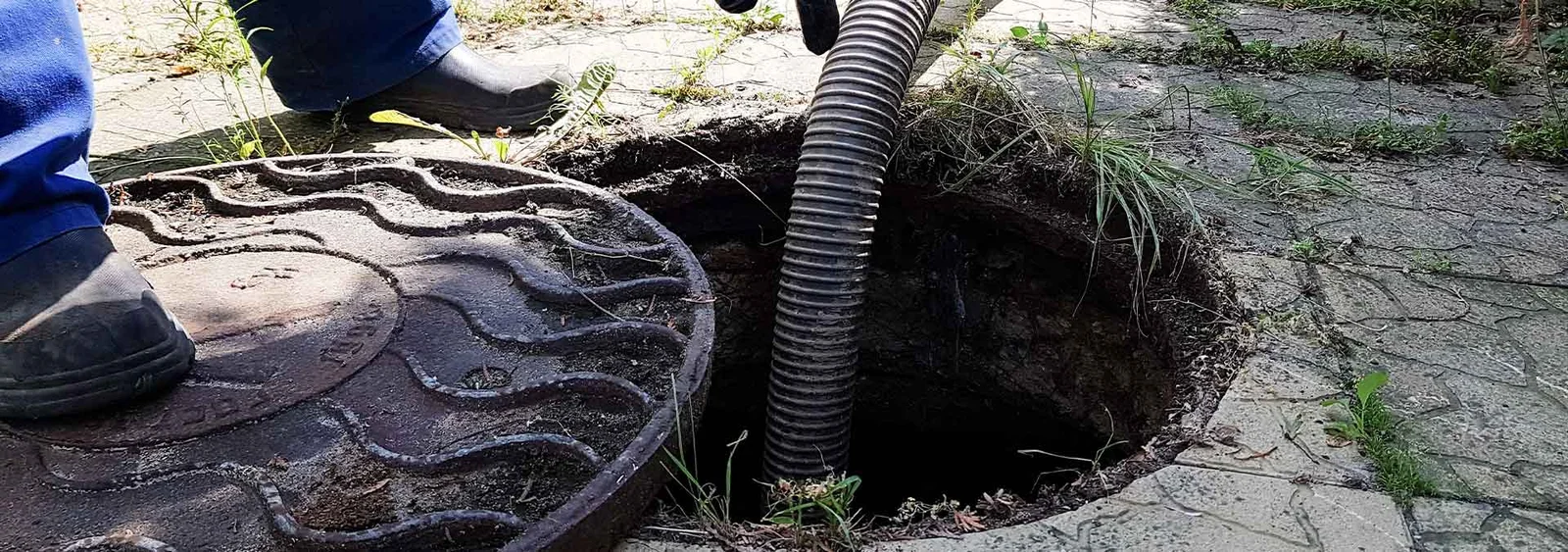
Best Option Restoration of Lakewood provides 24/7 emergency sewage cleanup services throughout Glendale, CO, addressing hazardous backups with professional extraction, sanitization, and antimicrobial treatment while handling insurance documentation.
- Sewage backups in Glendale stem from aging clay sewer lines, tree root intrusion, combined sewer overflows during storms, and grease buildup from the entertainment district. Properties built before 1980 face higher risk from deteriorating pipes.
- The cleanup process includes emergency assessment, contaminated water extraction with truck-mounted equipment, removal of damaged materials, EPA-registered antimicrobial application, structural drying, and post-cleanup testing to verify safe conditions.
- The team holds IICRC certifications and provides detailed documentation including timestamped photos, moisture mapping, and material inventories to support insurance claims. They serve all Glendale neighborhoods with bilingual staff available.
Sewage backups in Glendale, CO require immediate professional attention due to the dangerous pathogens, bacteria, and contaminants present in raw sewage. These hazards pose serious health risks and can cause lasting structural damage to your property. Professional sewage cleanup services provide rapid response to address these situations with the proper expertise and equipment needed for safe remediation.
Overview
Sewage backups in Glendale, CO demand immediate professional attention. Raw sewage contains dangerous pathogens, bacteria, and contaminants that pose serious health risks to your family and can cause lasting structural damage to your property. Best Option Restoration of Lakewood provides rapid response sewage cleanup services throughout Glendale, addressing these hazardous situations with the urgency and expertise they require.
Professional sewage cleanup involves far more than removing visible waste. The process encompasses complete extraction of contaminated water, thorough sanitization of affected surfaces, antimicrobial treatment to eliminate harmful organisms, and proper disposal of hazardous materials according to Colorado regulations. Glendale's compact urban footprint and mix of commercial and residential properties create unique challenges that require specialized knowledge and equipment.
- 24/7 emergency response for sewage backup situations
- Complete extraction, sanitization, and decontamination services
- Professional-grade antimicrobial treatments and odor elimination
- Full documentation for insurance claims and property records
Common Issues in Glendale, CO
When sewage emergencies peak in Glendale
Melting snow and spring rains overwhelm aging sewer systems and cause backups into basements and lower levels.
Colorado's summer monsoon storms bring sudden heavy rainfall that floods storm drains and causes sewer overflows.
Extreme cold temperatures cause pipes to freeze and burst, leading to sewage backups and water damage.
Best Option Restoration of Lakewood provides Sewage Cleanup services in all neighborhoods of Glendale including Bristol Square, Chaparral, College Park, Greenbriar, Montara, Roles Inn of America, Saddlehorn Ranch, San Miguel, Santa Maria, Sunset Vista, The Citadel, Village Park, Wellington Court, WillowBrook II, Windsor Square, and Woodridge VI.
Glendale's position along Cherry Creek and its proximity to the South Platte River corridor creates specific drainage considerations for property owners. The city's infrastructure serves a dense mix of residential units, entertainment venues, and commercial establishments – each generating significant wastewater that feeds into aging sewer systems.
Colorado's semi-arid climate brings intense summer thunderstorms that can overwhelm municipal sewer capacity quickly. These sudden downpours push stormwater into sanitary sewer lines, causing backups into basements and lower-level units throughout Glendale's apartment complexes and commercial buildings.
- Aging clay sewer laterals common in properties built before 1980
- Tree root intrusion from mature landscaping along Cherry Creek
- Combined sewer overflow events during heavy precipitation
- Grease buildup from nearby restaurant and entertainment district operations
- Ground shifting and settling affecting pipe joints and connections
- Frozen pipe damage during Colorado's cold snaps and rapid temperature swings
Warning signs that indicate developing sewage problems include slow drains throughout your property, gurgling sounds from toilets or drains, sewage odors near floor drains, and wet spots appearing in basements or crawl spaces. Acting quickly when these signs appear can prevent a minor issue from becoming a major contamination event.
How Best Option Restoration of Lakewood Can Help
Our sewage cleanup process follows strict industry protocols to protect your health while restoring your property to safe, livable conditions. We arrive prepared with commercial-grade extraction equipment, personal protective gear, and the antimicrobial solutions needed to address contamination thoroughly.
Our Step-by-Step Sewage Cleanup Process
- Emergency assessment and safety evaluation of the contaminated area
- Identification and isolation of the sewage source to prevent further backup
- Extraction of standing sewage and contaminated water using truck-mounted equipment
- Removal of unsalvageable materials including carpet, padding, and damaged drywall
- Application of EPA-registered antimicrobial treatments to all affected surfaces
- Structural drying using industrial dehumidifiers and air movers
- Final sanitization and odor elimination treatment
- Post-cleanup testing to verify safe conditions
Techniques and Equipment We Deploy
- HEPA-filtered air scrubbers to capture airborne contaminants
- Thermal foggers for comprehensive odor neutralization
- Moisture detection equipment to identify hidden saturation
- Negative air pressure containment to prevent cross-contamination
Throughout the process, we maintain clear communication with you about progress, findings, and any additional concerns we identify. Our team provides detailed documentation at each phase, keeping you informed while building the record needed for insurance purposes.
Insurance & Documentation
Sewage damage claims require thorough documentation to demonstrate the extent of contamination and the necessity of professional remediation. Best Option Restoration of Lakewood creates comprehensive records throughout every project, supporting your claim with the evidence insurance adjusters need to process your coverage.
We photograph and document conditions before, during, and after cleanup. Our detailed moisture readings, contamination assessments, and material inventories provide the factual basis for your claim.
- Timestamped photographic documentation of all affected areas
- Detailed moisture mapping and readings throughout the property
- Itemized inventory of damaged and disposed materials
- Written scope of work and remediation protocols followed
- Air quality testing results when applicable
- Completion certificates verifying successful remediation
Our team holds IICRC certification in water damage restoration and applied structural drying. We follow S500 and S520 industry standards, providing documentation that meets insurance industry expectations and local health department requirements.
Why Choose Best Option Restoration of Lakewood
Serving the greater Denver metro area including Glendale, our team combines rapid response capability with deep local knowledge. We understand Glendale's unique property mix – from the high-density residential complexes near Colorado Boulevard to the commercial properties in the entertainment district – and we tailor our approach accordingly.
Our technicians maintain current IICRC certifications in water damage restoration, applied microbial remediation, and odor control. We invest in commercial-grade equipment that handles the most severe contamination events efficiently.
- Response times measured in minutes, not hours, for Glendale emergencies
- Direct communication with insurance adjusters to streamline your claim
- Bilingual team members serving Glendale's diverse community
- Follow-up inspections to verify lasting results
When sewage threatens your property, you need a restoration partner who treats the situation with appropriate urgency while maintaining the methodical approach that produces safe, complete results.
Housing Characteristics & Sewage Cleanup Considerations
Glendale's housing stock reflects its evolution from a small agricultural community to a compact urban enclave surrounded by Denver. Much of the residential construction dates from the 1960s through 1980s, with significant multi-family development occurring during this period. These mid-century buildings often feature original cast iron or clay sewer laterals that have reached or exceeded their expected service life.
The city's housing composition leans heavily toward multi-family units, including apartment complexes and condominiums. This density creates shared plumbing infrastructure where a backup in one unit can quickly affect neighboring properties. Common building materials from this era include concrete slab foundations – which can trap moisture beneath flooring – and finished basements that become prime targets for sewage intrusion.
- Multi-family properties require coordinated response across multiple units
- Slab-on-grade construction demands specialized extraction techniques
- Aging galvanized and cast iron drain lines prone to corrosion and failure
- Limited crawl space access in many buildings complicates remediation
Newer developments along the Cherry Creek corridor feature updated plumbing systems, but these properties still face sewage risks from municipal system overloads during storm events. Understanding each property's construction type allows us to deploy appropriate extraction methods and drying strategies from the start.
Environmental Conditions & Sewage Cleanup Implications
Glendale sits at approximately 5,300 feet elevation in Colorado's Front Range urban corridor. The semi-arid climate brings low average humidity – typically between 30-50% – which aids structural drying but also means rapid evaporation can drive contaminants deeper into porous materials before extraction occurs. Acting quickly remains essential in this environment.
The Cherry Creek watershed influences drainage patterns throughout Glendale. Properties near the creek corridor face elevated flood risk during spring snowmelt and summer monsoon events. When floodwaters combine with sewer backups, contamination levels increase substantially, requiring more aggressive remediation protocols.
- Low humidity accelerates surface drying but can mask deep moisture retention
- Clay-heavy soils common to the area drain poorly, contributing to backup pressure
- Rapid temperature swings stress plumbing connections and seals
- Urban heat island effects in Glendale intensify summer storm severity
Colorado's environmental regulations govern proper disposal of sewage-contaminated materials. All waste removed during cleanup must be transported to approved facilities, and certain contaminants require specific handling procedures. Our team maintains current knowledge of these requirements, handling disposal logistics so you don't have to navigate regulatory complexities during an already stressful situation.
Population Characteristics & Sewage Cleanup Considerations
Glendale maintains one of Colorado's highest population densities despite its small geographic footprint of just 0.6 square miles. This concentration – approximately 5,000 residents – creates intense demand on sewer infrastructure originally designed for a smaller population. The city's role as an entertainment and commercial hub brings thousands of additional visitors daily, further straining wastewater systems.
The population skews younger and more transient than surrounding Denver neighborhoods, with a significant renter population in apartment complexes. This demographic pattern means many residents may not immediately recognize sewage warning signs or know how to respond when backups occur. Quick professional intervention becomes even more valuable in these situations.
- High renter population requires coordination with property management companies
- Diverse community benefits from multilingual service capabilities
- Mixed-use properties combine residential and commercial sewage considerations
- Entertainment district generates significant weekend and evening service calls
Household incomes in Glendale vary widely, from workforce housing to newer luxury developments. We work with property owners and renters across this spectrum, understanding that sewage emergencies create financial stress regardless of income level. Our insurance coordination services help maximize coverage while minimizing out-of-pocket burden.
Sewer Infrastructure & Backup Statistics in Glendale
Glendale's municipal sewer system connects to the Metro Wastewater Reclamation District, which serves the greater Denver metropolitan area. The city's compact size means most properties connect to main trunk lines within a few hundred feet, but this proximity also means system-wide issues can affect multiple properties simultaneously during overflow events.
Data from regional wastewater authorities indicates that sanitary sewer overflows in the Denver metro area spike during July and August, when afternoon thunderstorms can drop over an inch of rain in under an hour. These intense precipitation events overwhelm combined sewer systems and force contaminated water back through residential and commercial connections.
- Metro Denver experiences an average of 15-20 significant sewer overflow events annually
- Backup incidents increase 300-400% during major storm events
- Properties within 500 feet of main trunk lines face elevated backup risk
- Older neighborhoods with clay laterals report backup rates 2-3 times higher than areas with PVC piping
- Commercial properties in entertainment districts generate 4-5 times the wastewater volume of residential units
The city's ongoing infrastructure improvements address some legacy system limitations, but property owners remain responsible for their lateral connections from the main line to the building. Many Glendale properties still rely on original sewer laterals installed during initial construction decades ago. These aging connections represent the most common failure point during backup events.
Understanding these infrastructure realities helps property owners recognize their risk level and respond appropriately when warning signs appear. Best Option Restoration of Lakewood maintains relationships with local plumbing contractors who can address the source of backups while we handle contamination cleanup – providing comprehensive solutions that address both immediate damage and underlying causes.
Weather & Alerts in Glendale, CO
Current Conditions
Temp: 82°F · Feels like: 82°F
Humidity: 41% · Wind: 12 mph
Emergency Alerts
No active alerts.
Sewage Cleanup in Other Service Areas
Useful Numbers
- Life-threatening emergencies
- 911
- Poison Control
- 1-800-222-1222
- Suicide Prevention Lifeline
- 988
- Police (non-emergency)
- Visit your local police department website
- Fire Department (non-emergency)
- Check the Glendale city website
- City Hall
- Available on the official Glendale government website
- Non-Emergency Services
- Call 311 if available in your area
Always verify numbers from official city/county websites.