Best Option Restoration of Lakewood provides sewage cleanup services in Arvada, CO, where aging infrastructure and seasonal weather patterns create unique risks for homeowners. Their process includes emergency response, contaminated water extraction, sanitization, structural drying, and odor elimination.
- Arvada properties face sewage challenges from aging clay pipes, tree root intrusion, and spring snowmelt that overwhelms municipal systems. Homes built before 1980 are at higher risk.
- The cleanup process uses commercial-grade extraction equipment, EPA-registered disinfectants, and HEPA filtration. Porous materials like drywall and carpet padding are removed as biohazardous waste.
- The company provides thorough insurance documentation including timestamped photos, moisture mapping, and disposal certificates. IICRC-certified technicians respond around the clock.
When sewage backs up in your Arvada home, you should act immediately to prevent permanent damage and protect your family's health. Raw sewage contains over 100 different pathogens that pose serious health risks. Contact a professional sewage cleanup service right away, evacuate the affected area, avoid contact with contaminated materials, and turn off electrical systems if water levels are rising.
Overview
According to the Environmental Protection Agency, a single sewage backup can release over 100 different pathogens into your home – and Arvada properties face unique risks due to the region's aging infrastructure and seasonal weather patterns. When raw sewage enters your living space, every minute counts in preventing permanent damage and protecting your family's health.
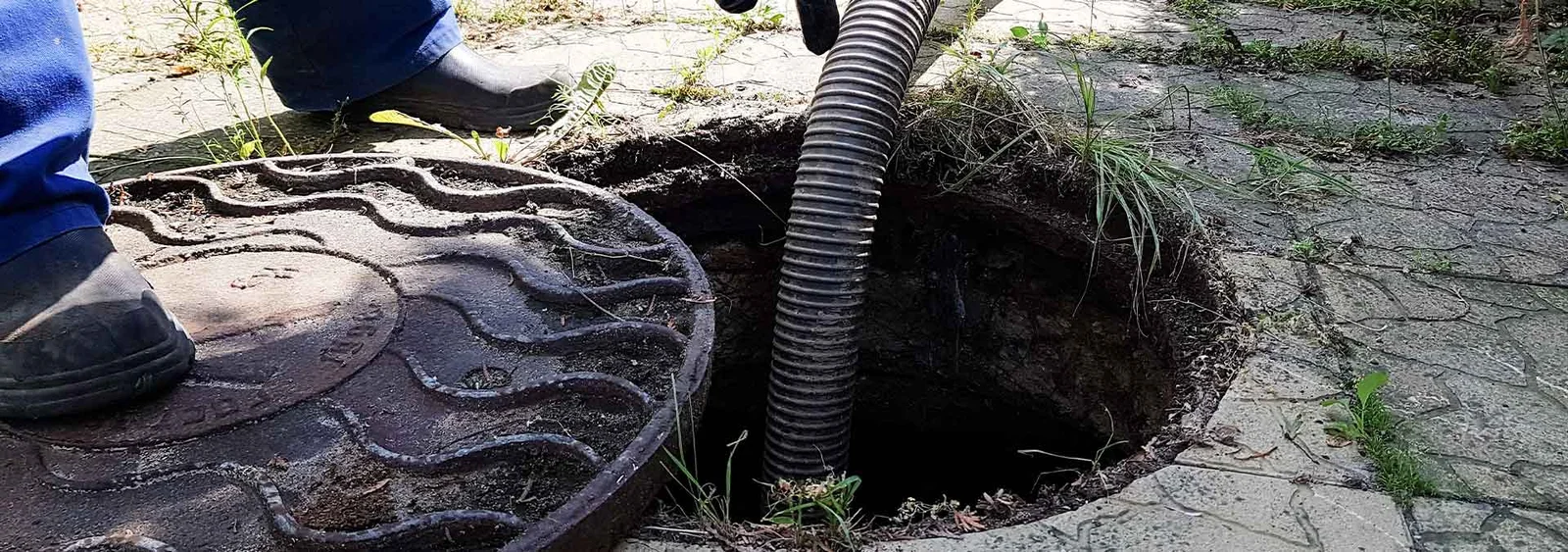
Sewage cleanup involves far more than removing visible waste. Professional remediation requires extraction of contaminated water, thorough sanitization of affected surfaces, removal of porous materials that have absorbed harmful bacteria, and complete deodorization to eliminate lingering odors. The process demands specialized equipment, protective gear, and expertise in handling Category 3 water – the most hazardous classification of water damage.
- Rapid containment and extraction to prevent contamination spread
- Hospital-grade antimicrobial treatments for affected areas
- Proper disposal of biohazardous materials according to Colorado regulations
- Air quality restoration through HEPA filtration and dehumidification
Arvada's mix of mid-century homes with original plumbing and newer developments creates varied sewage challenges. The semi-arid climate can stress sewer lines through soil expansion and contraction, while spring snowmelt often overwhelms aging municipal systems. Professional intervention protects both your property and the health of everyone inside.
Common Issues in Arvada, CO
When Sewage Emergencies Peak in Arvada
Rapid snowmelt combined with spring rains overwhelms aging sewer systems and causes backups into basements.
Colorado's summer monsoon brings intense afternoon storms that can flood storm drains and cause sewage system overflows.
Freezing temperatures cause pipes to burst and sewer lines to crack, leading to sewage backup emergencies.
Best Option Restoration of Lakewood provides Sewage Cleanup services in all neighborhoods of Arvada including Apex, Cameo Estates, Candelas, CanyonView, Double E Ranch, Leyden Junction, MountainView, ParkView, Richard's Farm, Rocky, Shadow Mountain, SkyView, Solana Olde Town Station, Timberline Farms, TownView, and ValleyView.
Arvada's position along Ralston Creek and its tributaries creates specific drainage challenges that many homeowners don't anticipate until problems arise. The city's rapid growth since the 1970s means many neighborhoods have sewer infrastructure that's reaching the end of its expected lifespan, with clay pipes and older connection methods becoming increasingly prone to failure.
Seasonal factors play a significant role in local sewage problems. Spring snowmelt from the foothills can saturate soil and overwhelm both private septic systems and municipal sewer lines. Summer monsoon storms – particularly intense afternoon thunderstorms common along the Front Range – can cause sudden backups when stormwater infiltrates compromised sewer connections.
Warning Signs Arvada Residents Should Monitor
- Multiple drains backing up simultaneously, especially floor drains in basements
- Gurgling sounds from toilets when running water elsewhere in the home
- Sewage odors near floor drains or in the yard near cleanout pipes
- Unusually green patches of grass over septic or sewer line locations
- Slow drainage throughout the home rather than isolated to one fixture
- Water marks or staining around basement floor drains after heavy rain
Tree root intrusion remains one of the most common causes of sewer line damage in established Arvada neighborhoods. Mature cottonwoods and willows – abundant near the area's creek corridors – send roots seeking moisture sources, and older clay or Orangeburg pipes offer easy entry points. Properties in Olde Town Arvada and neighborhoods built before 1980 face elevated risk from this issue.
How Best Option Restoration of Lakewood Can Help
Our response to sewage emergencies follows a systematic approach designed to protect your health while restoring your property efficiently. We arrive equipped with commercial-grade extraction equipment, personal protective gear, and antimicrobial solutions specifically formulated for biohazardous contamination.
Our Sewage Cleanup Process
- Emergency Assessment – We evaluate contamination extent, identify the sewage source, and establish containment zones to prevent cross-contamination to unaffected areas
- Water Extraction – Truck-mounted and portable extractors remove standing sewage water, with special attention to carpeting, padding, and subfloor materials
- Material Removal – Porous materials like drywall, insulation, and carpet padding that have absorbed sewage are carefully removed and disposed of as biohazardous waste
- Sanitization – All affected surfaces receive multiple applications of EPA-registered disinfectants effective against sewage-borne pathogens
- Structural Drying – Industrial dehumidifiers and air movers eliminate residual moisture from framing, concrete, and remaining building materials
- Odor Elimination – Hydroxyl generators and thermal fogging neutralize odor-causing compounds at the molecular level
- Final Verification – Moisture readings and visual inspection confirm complete remediation before project completion
Specialized Techniques We Deploy
- Negative air pressure containment using HEPA-filtered air scrubbers
- Injection systems for treating contamination within wall cavities
- Antimicrobial sealants applied to structural components after cleaning
- ATP testing to verify surface sanitation meets safe levels
Throughout the process, your dedicated project manager maintains regular communication – providing updates, answering questions, and coordinating with any other parties involved in your restoration.
Insurance & Documentation
Sewage damage claims require thorough documentation to support proper reimbursement. From our initial arrival, we photograph and video record all affected areas, creating a comprehensive record of conditions before any remediation work begins. This documentation becomes invaluable when working with your insurance adjuster.
Documentation We Provide
- Timestamped photographs of all damage before, during, and after restoration
- Detailed moisture mapping showing affected areas and readings
- Itemized inventory of materials removed and disposed of
- Daily work logs documenting all remediation activities
- Certificates of proper biohazardous waste disposal
- Final clearance reports confirming successful remediation
We work directly with insurance companies throughout Colorado and understand the specific documentation requirements most carriers expect. Our team can communicate directly with your adjuster, provide supplemental information when requested, and help clarify technical aspects of the remediation process.
Best Option Restoration of Lakewood maintains IICRC certification – the industry standard that insurance companies recognize for water damage and sewage remediation. This certification demonstrates our adherence to established protocols and gives carriers confidence in our work quality.
Why Choose Best Option Restoration of Lakewood
Sewage emergencies don't wait for business hours, and neither do we. Our teams respond around the clock, with technicians typically arriving within hours of your call. We understand that every minute sewage sits in your home increases both health risks and property damage – speed matters.
Local knowledge shapes how we approach each project. We're familiar with Arvada's housing stock, common plumbing configurations in different neighborhoods, and the specific challenges posed by Front Range weather patterns. This familiarity allows us to anticipate problems and address them proactively.
- IICRC-certified technicians with specialized training in biohazard remediation
- Direct billing relationships with major insurance carriers
- Commercial-grade equipment maintained to professional standards
- Follow-up monitoring to confirm complete drying and sanitation
- Transparent communication throughout every project phase
We treat your home with the same care we'd want for our own families. That means thorough work, honest assessments, and restoration that addresses the full scope of contamination – not just what's visible on the surface.
Housing Characteristics & Sewage Cleanup Considerations
Arvada's housing stock reflects the city's evolution from a small agricultural community to one of the Denver metro area's largest suburbs. The majority of homes were constructed between 1960 and 1990, coinciding with the suburban expansion that transformed the Front Range. These properties typically feature concrete slab foundations or partial basements – both presenting distinct challenges when sewage backups occur.
Common Property Types and Their Vulnerabilities
- Ranch-style homes (1960s-1970s) – Often have original cast iron or clay sewer lines susceptible to root intrusion and joint separation
- Split-level homes (1970s-1980s) – Lower levels sit partially below grade, increasing backup risk and complicating extraction
- Two-story colonials (1980s-1990s) – Typically have longer sewer runs to the main line, creating more potential failure points
- Newer construction (2000s-present) – PVC plumbing is more reliable, but rapid development sometimes stresses municipal capacity
Average home sizes in Arvada range from 1,400 to 2,200 square feet, with many properties featuring finished basements that add significant living space – and significant risk during sewage events. Basement finishing often covers floor drains and sewer cleanouts, making early detection of problems more difficult and allowing contamination to spread before homeowners notice.
Construction methods common during Arvada's peak building years used materials that respond poorly to sewage exposure. Particleboard subflooring, paper-faced drywall, and fiberglass insulation all absorb contaminated water readily and typically require removal rather than cleaning. Understanding these material vulnerabilities helps us plan effective remediation strategies specific to your home's construction.
Environmental Conditions & Sewage Cleanup Implications
Arvada's semi-arid high plains climate creates environmental conditions that directly impact both sewage system performance and cleanup requirements. The region receives approximately 15 inches of annual precipitation, with most falling during intense spring and summer thunderstorms. This feast-or-famine precipitation pattern stresses sewer infrastructure through alternating soil saturation and desiccation.
Climate Factors Affecting Sewage Systems
- Temperature extremes – Winter lows below zero and summer highs above 95°F cause soil expansion and contraction that shifts pipe alignments
- Low humidity – Average relative humidity around 40% accelerates drying during remediation but can cause secondary damage to wood components
- Rapid weather changes – Chinook winds can swing temperatures 40 degrees in hours, stressing building materials and plumbing connections
- Intense UV exposure – High altitude sunlight degrades exposed PVC and rubber components faster than at lower elevations
Arvada's soils consist primarily of clay and clay-loam compositions that expand significantly when wet and contract when dry. This movement places continuous stress on buried sewer lines, particularly at connection points and where lines pass through foundation walls. Properties near Ralston Creek and its tributaries often have higher water tables that can infiltrate compromised sewer systems.
Colorado regulations require proper disposal of sewage-contaminated materials at licensed facilities. Our teams follow state environmental guidelines for biohazardous waste handling, transport, and disposal – protecting both your property and the broader community from improper contamination management.
Population Characteristics & Sewage Cleanup Considerations
Arvada ranks as Colorado's seventh-largest city, with over 120,000 residents spread across a mix of established neighborhoods and newer developments. The population skews toward middle-income families and established professionals, with median household incomes above the national average. This demographic profile means most residents maintain homeowner's insurance policies that cover sewage damage – though understanding policy specifics remains valuable.
Demographic Factors Influencing Service Needs
- Aging population in established neighborhoods – Older residents in 1960s-1970s homes may face mobility challenges that delay discovery of basement backups
- Working families – Dual-income households mean homes sit empty during business hours when slow leaks can go unnoticed
- Growing rental market – Tenant-occupied properties sometimes see deferred maintenance that increases sewage system failures
- Pet ownership – High pet ownership rates require special attention to sanitization in areas where animals spend time
Employment in Arvada centers on healthcare, technology, and professional services – sectors that often allow remote work arrangements. This shift has increased daytime home occupancy since 2020, meaning more residents are present to notice early warning signs of sewage problems. However, home offices in finished basements also mean more valuable equipment and furnishings at risk during backup events.
The community's strong neighborhood associations and active social media groups mean word travels quickly about service experiences. We take pride in our reputation throughout Jefferson County and approach every project knowing that satisfied customers become our best advocates in the community.
Sewage Infrastructure & Municipal Systems in Arvada
Arvada's sewer services are managed through a combination of municipal systems and metro district connections, with most properties tied to the Metro Wastewater Reclamation District for treatment. The city maintains over 400 miles of sewer lines, with the oldest sections dating to the 1950s in areas like Olde Town Arvada. Understanding this infrastructure helps explain why certain neighborhoods experience more frequent sewage issues than others.
Infrastructure Statistics and Patterns
- Approximately 35% of Arvada's sewer lines are over 40 years old
- The city conducts ongoing replacement programs, prioritizing lines with documented failure histories
- Areas west of Wadsworth Boulevard generally have newer infrastructure than eastern neighborhoods
- Combined sewer overflow events have decreased through infrastructure improvements, but still occur during major storms
- Private lateral lines – the homeowner's responsibility – account for the majority of residential backup incidents
The transition zone where private lateral lines connect to public mains represents a common failure point. Many older properties have laterals made from clay tile, Orangeburg (compressed tar paper), or early PVC that has become brittle with age. The city's records indicate that neighborhoods built during the 1960s building boom experience the highest rates of lateral line failures.
Recent infrastructure assessments have identified priority replacement areas throughout Arvada, but the scope of needed upgrades means many older lines will remain in service for years. Homeowners in established neighborhoods should consider proactive lateral line inspections, particularly if experiencing slow drains or if mature trees grow near sewer routes. When backups do occur, our familiarity with Arvada's infrastructure patterns helps us quickly identify whether problems originate in private or public systems – information that affects both remediation approach and insurance coverage.
Weather & Alerts in Arvada, CO
Current Conditions
Temp: 44°F · Feels like: 38°F
Humidity: 38% · Wind: 12 mph
Emergency Alerts
- Red Flag Warning* AFFECTED AREA...Fire Weather Zones 238 and 239. * TIMING...From 8 AM to 4 PM MST Wednesday. * WINDS...West 20 to 30 mph with gusts up to 45 mph. * RELATIVE HUMIDITY...Between 10 to 15 percent. *...NWS →
Sewage Cleanup in Other Service Areas
Useful Numbers
- Life-threatening emergencies
- 911
- Poison Control
- 1-800-222-1222
- Suicide Prevention Lifeline
- 988
- Police (non-emergency)
- Visit your local police department website
- Fire Department (non-emergency)
- Check the Arvada city website
- City Hall
- Available on the official Arvada government website
- Non-Emergency Services
- Call 311 if available in your area
Always verify numbers from official city/county websites.