
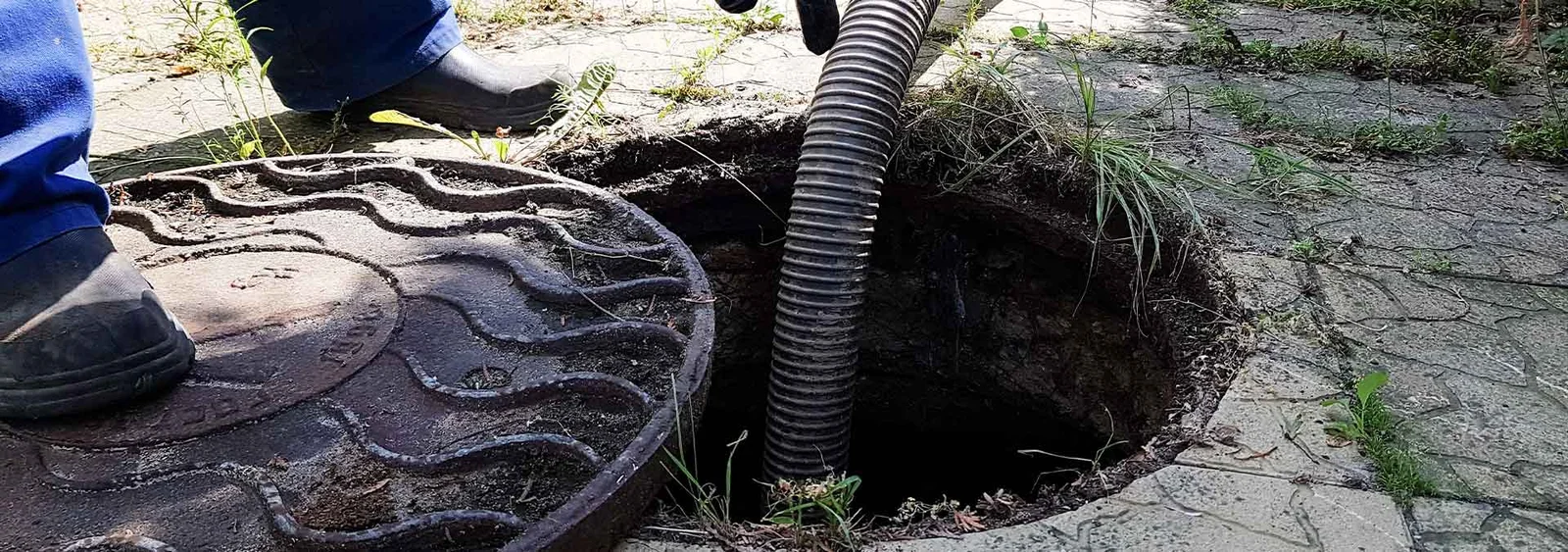
Best Option Restoration of Lakewood provides emergency sewage cleanup services for Applewood, CO, addressing contamination from Category 3 water that contains dangerous pathogens threatening family health.
- Applewood's 1950s-1970s homes often have aging clay sewer lines and mature trees with roots that penetrate pipes, making backups common during summer storms and spring snowmelt.
- The cleanup process includes sewage extraction, removal of contaminated porous materials, hospital-grade sanitization, structural drying, and air quality testing before clearance.
- The company offers 24/7 response with IICRC-certified technicians who understand local housing stock and provide detailed documentation for insurance claims.
When raw sewage backs up into your home, you need to act quickly due to immediate health risks and strong odors. Contact a professional sewage cleanup service right away for emergency response. Avoid direct contact with contaminated areas, keep family members and pets away from affected spaces, and do not attempt to clean up raw sewage without proper protective equipment and training.
Overview
What happens when the unthinkable occurs – raw sewage backing up into your Applewood home? The immediate health risks and overwhelming odor demand swift action, but knowing where to start can feel impossible. Best Option Restoration of Lakewood specializes in sewage cleanup throughout Applewood, providing emergency response when you need it most.
Sewage cleanup involves far more than removing visible waste. Professional remediation addresses contaminated water extraction, thorough sanitization of affected surfaces, structural drying, and air quality restoration. Category 3 water – the classification for sewage – contains dangerous pathogens including bacteria, viruses, and parasites that pose serious health threats to your family.
- Rapid containment to prevent contamination spread throughout your home
- Complete extraction of sewage water and solid waste materials
- Hospital-grade antimicrobial treatments for all affected surfaces
- Structural drying and dehumidification to prevent secondary damage
Applewood's mix of established homes and Denver's semi-arid climate create unique challenges for sewage situations. Aging clay sewer lines common in this community, combined with occasional heavy summer storms, contribute to backup incidents that require specialized local knowledge to address properly.
Common Issues in Applewood, CO
When Sewage Cleanup Demand Peaks in Applewood
Rapid snowmelt from the Front Range mountains saturates soil and overwhelms aging sewer systems, causing backups into homes.
Intense afternoon thunderstorms common to the Denver metro area can flood storm drains and cause sewage backflows.
Freezing temperatures can cause pipe bursts and sewage line failures, leading to indoor sewage emergencies.
Applewood residents face distinct sewage-related challenges tied directly to the neighborhood's character and location. Situated just west of Denver in unincorporated Jefferson County, this established community experiences infrastructure pressures that newer developments simply don't encounter.
The neighborhood's development history – primarily spanning the 1950s through 1970s – means many homes connect to original sewer lines that have served the community for decades. Tree root intrusion represents one of the most frequent causes of backups here, as mature landscaping sends roots seeking moisture directly into aging pipe joints and cracks.
Local Factors Contributing to Sewage Issues
- Clay and Orangeburg sewer laterals installed during original construction now approaching or exceeding their service life
- Mature cottonwood, maple, and ash trees with aggressive root systems penetrating underground pipes
- Summer monsoon storms overwhelming combined sewer systems during intense rainfall events
- Shifting soils from Colorado's freeze-thaw cycles causing pipe misalignment and separation
- Grease buildup in kitchen lines – a common issue in family-oriented households
- Basement-level bathrooms and laundry rooms vulnerable to backflow during system overloads
Warning signs that Applewood homeowners should monitor include slow drains throughout the house occurring simultaneously, gurgling sounds from toilets when running other fixtures, sewage odors near floor drains, and wet spots appearing in the yard above sewer line paths. Spring snowmelt and late summer storms represent peak risk periods when municipal systems handle maximum capacity.
How Best Option Restoration of Lakewood Can Help
When sewage invades your Applewood home, our team responds with a systematic approach designed to protect your health while restoring your property completely. Here's exactly what happens when you call us.
Our Sewage Cleanup Process
- Emergency Response and Assessment – Our technicians arrive equipped to immediately evaluate contamination extent, identify the sewage source, and establish containment barriers preventing spread to unaffected areas.
- Safety Protocols and PPE – We establish proper ventilation, set up negative air pressure in contaminated zones, and ensure all personnel wear appropriate protective equipment before any work begins.
- Sewage Extraction – Using truck-mounted extraction units and submersible pumps, we remove standing sewage water and solid waste materials from your property.
- Contaminated Material Removal – Porous materials absorbing sewage – including carpet, padding, drywall sections, and insulation – require removal and proper disposal as biohazardous waste.
- Cleaning and Sanitization – All salvageable surfaces receive thorough cleaning followed by EPA-registered antimicrobial treatments that eliminate pathogens.
- Structural Drying – Commercial dehumidifiers and air movers work continuously to remove moisture from structural components, preventing mold development.
- Final Verification and Clearance – Moisture readings, air quality testing, and visual inspection confirm your home meets safe occupancy standards.
Techniques and Equipment
- HEPA air scrubbers capturing airborne contaminants and odor particles
- Hydroxyl generators for safe, chemical-free odor elimination
- Thermal imaging cameras detecting hidden moisture in wall cavities
- Moisture meters providing objective documentation of drying progress
Throughout the process, you'll receive regular updates via your preferred communication method. We document everything with photos and detailed notes, keeping you informed without overwhelming you during an already stressful situation.
Insurance & Documentation
Sewage damage claims require meticulous documentation to support your insurance filing. Our team understands what adjusters need and builds comprehensive records from the moment we arrive on your Applewood property.
We photograph all affected areas before, during, and after remediation. Moisture readings get logged with timestamps showing drying progression. Itemized inventories of damaged materials provide the detail insurance companies require for claim processing.
Documentation We Provide
- Detailed scope of work outlining all remediation activities performed
- Photographic evidence documenting contamination extent and restoration progress
- Moisture mapping reports with readings from affected structural components
- Itemized lists of materials removed and disposed as biohazardous waste
- Equipment usage logs showing dehumidifiers, air movers, and air scrubbers deployed
- Final clearance documentation confirming restoration completion
Our technicians hold IICRC certifications in water damage restoration and applied microbial remediation – credentials insurance companies recognize as industry standards. We work directly with your adjuster when helpful, providing technical explanations and supplemental documentation to support your claim.
Why Choose Best Option Restoration of Lakewood
Sewage emergencies don't wait for convenient timing. Our team provides around-the-clock availability with rapid response throughout Applewood and surrounding Jefferson County communities. When you call, you reach someone ready to help – not a voicemail.
Local presence matters for sewage cleanup. We understand Applewood's housing stock, common plumbing configurations, and the specific challenges this community faces. Our technicians have worked in homes throughout the neighborhood, from split-levels near Applewood Park to ranch homes along West 32nd Avenue.
- IICRC-certified technicians in water damage restoration and microbial remediation
- Direct billing arrangements with major insurance carriers
- Commercial-grade equipment for efficient extraction and drying
- Clear communication throughout every project phase
- Follow-up inspections ensuring complete restoration
We treat your home with respect, understanding that sewage incidents create both physical damage and emotional stress. Our goal extends beyond technical restoration – we want you feeling confident your home is truly clean and safe for your family.
Housing Characteristics & Sewage Cleanup Considerations
Applewood's housing stock reflects its mid-century development as a desirable suburban community west of Denver. Most homes here were constructed between 1955 and 1975, with a second wave of development occurring in the 1980s. This aging inventory creates specific sewage cleanup considerations that newer communities don't face.
Common Property Types and Construction
Single-family homes dominate Applewood's landscape, typically ranging from 1,200 to 2,400 square feet. Ranch-style and split-level designs appear most frequently, reflecting architectural preferences during the neighborhood's primary development period. Many homes feature finished basements – a significant factor in sewage situations since these below-grade spaces face the highest backup risk.
- Original cast iron drain lines showing corrosion after 50+ years of service
- Clay sewer laterals susceptible to root intrusion and joint separation
- Concrete slab foundations in ranch homes limiting access to under-slab plumbing
- Basement bathrooms and laundry rooms positioned below the main sewer line level
- Original floor drains without modern backflow prevention devices
The construction materials common in Applewood homes – hardwood floors, plaster walls, and original cabinetry – require careful handling during sewage cleanup. While these quality materials often survive properly executed remediation, they demand techniques different from those used on modern drywall and laminate construction. Our familiarity with mid-century homes helps us preserve original features whenever possible while ensuring complete decontamination.
Environmental Conditions & Sewage Cleanup Implications
Applewood's environmental profile influences both sewage incident frequency and cleanup requirements. Understanding these local conditions helps explain why certain approaches work better here than generic remediation methods.
Climate and Weather Patterns
Jefferson County's semi-arid climate – averaging just 15 inches of annual precipitation – might seem to reduce sewage risks. However, the pattern of that precipitation creates challenges. Summer monsoon storms deliver intense rainfall over short periods, overwhelming drainage systems designed for gradual moisture absorption. These sudden deluges cause backup incidents throughout Applewood each storm season.
- Low average humidity (around 40%) accelerates structural drying during remediation
- Temperature extremes – from below zero winters to 90+ degree summers – stress plumbing systems
- Freeze-thaw cycles shift soils and misalign underground pipes
- Rapid snowmelt during spring warm spells saturates municipal systems
Soil and Drainage Considerations
Applewood sits on clay-heavy soils typical of the Denver metro's western edge. These soils expand when wet and contract during dry periods, creating movement that stresses underground pipes. The same clay composition limits natural drainage, meaning standing water from sewage incidents doesn't simply absorb into the ground – it requires active extraction.
Colorado's environmental regulations require proper disposal of sewage-contaminated materials as biohazardous waste. We maintain relationships with licensed disposal facilities and handle all transportation and documentation, ensuring your cleanup meets state requirements while keeping contaminated materials away from local landfills.
Population Characteristics & Sewage Cleanup Considerations
Applewood's demographic profile shapes both the demand for sewage cleanup services and how we approach serving this community. Understanding who lives here helps us provide appropriately tailored service.
Community Demographics
This established neighborhood maintains a suburban character with moderate population density. Households here tend toward higher-than-average incomes compared to metro Denver, with many residents working in professional fields along the US-6 corridor or commuting to downtown Denver. Homeownership rates exceed 80%, meaning residents have direct stakes in property maintenance and restoration.
- Family households with children represent a significant portion of residents – heightening urgency around sewage health hazards
- Long-term residents who've lived in their homes for decades and understand property history
- Working professionals often away during daytime hours when sewage incidents may go unnoticed initially
- Aging-in-place seniors in some homes who may need additional assistance during restoration
Service Implications
Applewood's demographic mix influences our service approach in practical ways. Working professionals need flexible scheduling and clear communication since they can't always be present during daytime work. Families with young children require extra attention to complete decontamination – parents rightfully demand certainty that their homes are safe. Long-term residents often know their homes intimately and can provide valuable information about plumbing history and previous issues.
The community's economic stability means most homeowners carry adequate insurance coverage and can make decisions about restoration without extreme financial pressure. This allows for thorough remediation rather than cutting corners – the right approach for sewage situations where incomplete cleanup creates ongoing health risks.
Sewer Infrastructure & Public Health Data in Applewood
Understanding Applewood's sewer infrastructure context helps explain why backup incidents occur and what factors influence remediation needs. Jefferson County and metro Denver agencies track data relevant to sewage system performance and public health.
Infrastructure Age and Condition
Applewood's sewer system developed alongside residential construction from the 1950s through 1970s. Much of the original infrastructure remains in service, though Jefferson County has undertaken periodic rehabilitation projects. The community connects to the Metro Wastewater Reclamation District, which treats sewage from across the Denver metro area.
- Sewer main lines in established neighborhoods average 50-70 years of age
- Private sewer laterals – homeowner responsibility – often match original home construction dates
- Clay pipe materials predominate in older installations, with PVC becoming standard only after the 1980s
- Root intrusion accounts for a significant percentage of residential backup incidents regionally
- Combined sewer overflow events occur during intense storms, affecting connected properties
Public Health Considerations
Jefferson County Public Health monitors waterborne illness and provides guidance on sewage exposure risks. Category 3 water – the classification for sewage – contains pathogens including E. coli, Salmonella, Hepatitis A, and various parasites. Exposure risk increases dramatically when contaminated water contacts porous materials or remains standing for extended periods.
The county recommends professional remediation for any sewage intrusion exceeding minor toilet overflows. This guidance reflects the serious health risks that DIY cleanup attempts often fail to address adequately. Proper antimicrobial treatment, thorough drying, and air quality restoration require commercial equipment and trained technicians – exactly what Best Option Restoration of Lakewood provides to Applewood residents facing these challenging situations.
Weather & Alerts in Applewood, CO
Current Conditions
Temp: 67°F · Feels like: 65°F
Humidity: 36% · Wind: 8 mph
Emergency Alerts
No active alerts.
Sewage Cleanup in Other Service Areas
Useful Numbers
- Life-threatening emergencies
- 911
- Poison Control
- 1-800-222-1222
- Suicide Prevention Lifeline
- 988
- Police (non-emergency)
- Visit your local police department website
- Fire Department (non-emergency)
- Check the Applewood city website
- City Hall
- Available on the official Applewood government website
- Non-Emergency Services
- Call 311 if available in your area
Always verify numbers from official city/county websites.