
Sewage backups are among the most unpleasant and expensive plumbing emergencies homeowners face. Prevention starts with understanding how drainage systems work and recognizing warning signs before full backups occur.
- Tree roots cause about 50% of residential sewer blockages, while other common causes include pipe deterioration, grease buildup, flushed non-flushable items, and municipal system overflows during heavy rains.
- Homeowners should run hot water through drains weekly, never pour grease down sinks, install backwater valves for mechanical protection, and test sump pumps before spring snowmelt season.
- Warning signs include gurgling sounds from toilets, water backing up in basement drains, sewage odors, and slow drainage in multiple fixtures - when these appear, stop using water-consuming appliances immediately.
Preventing sewage backups starts with understanding your home's drainage system and spotting warning signs early. Regular maintenance like annual sewer line inspections, avoiding flushing non-degradable items, and installing backwater valves can protect your property. Keep tree roots away from sewer lines and address slow drains promptly to avoid costly plumbing emergencies.
Understanding Your Home’s Sewage System Risks
Sewage backups rank among the most unpleasant and expensive plumbing emergencies homeowners face. Sewage backup prevention begins with understanding how your home’s drainage system works and recognizing the warning signs before a full backup occurs.
Your home’s sewage system relies on gravity and proper drainage to move wastewater away from your property. When this system fails, contaminated water can enter your basement, crawl spaces, or lower-level rooms.
In Lakewood, CO, spring snowmelt and summer thunderstorms can overwhelm municipal sewer systems, increasing backup risks for residential properties. Homes built before 1980 face higher risks due to aging clay or cast iron pipes that may have shifted or cracked over decades of Colorado’s freeze-thaw cycles.
Common Causes of Residential Sewage Backups
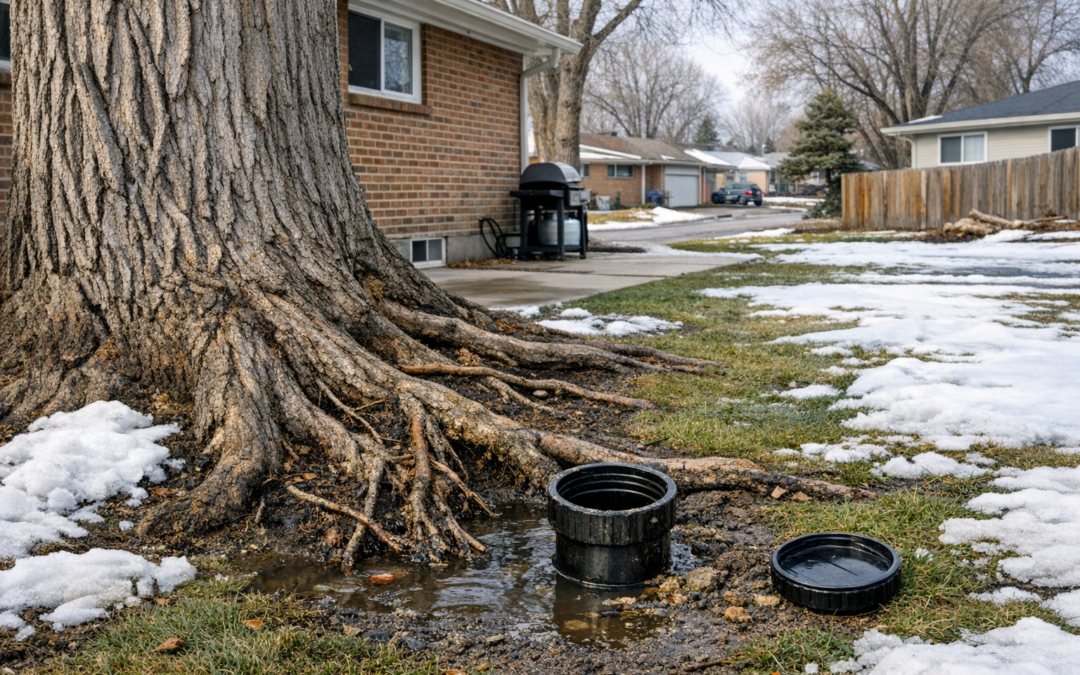
Most sewage backups stem from preventable issues within your property or the municipal sewer connection. Tree roots cause approximately 50% of residential sewer line blockages as they grow into pipes seeking moisture.
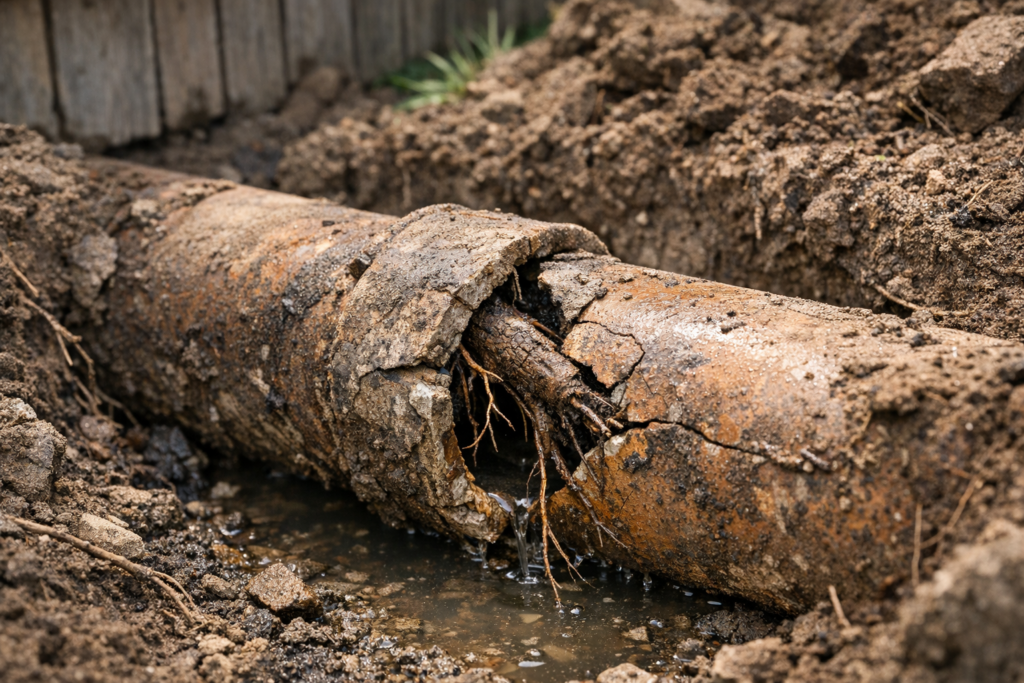
The primary causes include:
- Tree root infiltration – Roots enter through pipe joints or small cracks
- Pipe deterioration – Older clay or cast iron pipes crack and collapse
- Grease and debris buildup – Kitchen waste solidifies and blocks pipes
- Flushed items – Wipes, feminine products, and other non-flushable items
- Municipal system overflows – Heavy rains overwhelm city sewer capacity
- Sump pump failures – Basement pumps stop working during storms
Lakewood-Specific Risk Factors
Properties in established Lakewood neighborhoods face unique challenges. Many homes built in the 1960s and 1970s have mature cottonwoods and elms whose root systems have had decades to find and penetrate sewer lines.
Spring snowmelt creates additional pressure on both private and municipal systems. When snow melts rapidly during warm spring days, the sudden influx of water can reveal existing weaknesses in your sewer line.
Essential Sewage Backup Prevention Steps
Preventing sewage backups requires both immediate actions and long-term maintenance strategies. Most homeowner tips focus on what goes down your drains and how you maintain your plumbing system.
Monthly Drain Maintenance
Run hot water through all drains weekly to help dissolve soap residue and minor buildup. Pour a mixture of hot water and dish soap down floor drains monthly to keep trap seals functioning properly.
Check basement floor drains for standing water or unusual odors. These signs often indicate partial blockages that can worsen during heavy rain periods.
What Never Goes Down Your Drains
Kitchen sinks should never receive grease, coffee grounds, or food scraps. Even small amounts of cooking oil can solidify in pipes, especially during Colorado’s cold winter months.
Bathroom drains require equal attention:
- Flush only toilet paper and human waste
- Dispose of wipes in trash, even those labeled “flushable”
- Remove hair from shower drains weekly
- Avoid dumping medications down toilets or sinks
Installing Preventive Equipment
Backwater valves provide mechanical protection against sewage backups. These devices install in your main sewer line and automatically close when water flows backward toward your home.
Professional installation costs between $1,500 and $3,000 but can prevent damage worth tens of thousands of dollars. Many Lakewood homeowners install these valves after experiencing basement flooding during heavy spring runoff.
Sump Pump Systems
Homes with basements benefit from properly maintained sump pump systems. Test your sump pump before spring snowmelt season by pouring water into the pit until the float activates the pump.
Battery backup systems ensure protection during power outages that often accompany severe storms. Replace batteries annually and consider water-powered backup pumps for extended outages.
Recognizing Early Warning Signs
Sewage backups rarely happen without warning. Early detection allows you to address problems before they become emergencies requiring professional restoration services.
Immediate warning signs include:
- Gurgling sounds from toilets or floor drains
- Water backing up in basement sinks or floor drains
- Sewage odors from drains or around your property
- Slow drainage in multiple fixtures
- Water marks or staining around floor drains
When you notice these symptoms, avoid using water-consuming appliances until you identify and resolve the cause. Running dishwashers or washing machines during partial backups can force sewage higher into your home.
Professional Inspection Timing
Schedule professional sewer line inspections every three to five years for homes over 25 years old. Camera inspections reveal root intrusion, pipe deterioration, and blockages before they cause backups.
Plan inspections for late fall after trees enter dormancy but before winter freezing begins. This timing allows for repairs during favorable weather conditions.

I can't begin to express how much better this experience was with Paul and the BOR team. They are night and day better about communication and setting expectations. Their crews were friendly, respectful and did a great job. I definitely will recommend them to friends and family.
 Posted on Google
Immediate Response to Sewage Backup Incidents
When sewage backup occurs, your first priority involves safety and damage limitation. Sewage contains harmful bacteria and viruses that pose serious health risks through direct contact or airborne contamination.
Take these immediate steps:
- Turn off electricity to affected areas at the circuit breaker
- Avoid contact with contaminated water and materials
- Remove family members and pets from affected areas
- Document damage with photos for insurance purposes
- Contact your insurance company to report the incident
Do not attempt to clean sewage contamination yourself. Professional restoration companies have specialized equipment and training to safely remove contaminated materials and sanitize affected areas.
What Not to Do During a Backup
Avoid using household cleaning products on sewage contamination. Standard cleaners cannot eliminate the health hazards present in raw sewage, and mixing chemicals can create dangerous fumes.
Never use fans or heating systems to dry sewage-contaminated areas. This spreads contaminated particles throughout your home’s air system.
Insurance Considerations and Documentation
Standard homeowner’s insurance policies often exclude sewage backup coverage. Purchase separate sewer backup insurance riders before problems occur, as most insurers require waiting periods for new coverage.
Document your home’s condition with photos and video before problems arise. This baseline documentation helps support insurance claims and speeds the claims process.
Keep receipts for preventive maintenance, such as drain cleaning and sewer line inspections. Some insurance companies offer discounts for documented preventive care.
Seasonal Prevention Strategies for Lakewood Homes
Colorado’s climate requires season-specific approaches to sewage backup prevention. Spring snowmelt creates the highest risk period for most Front Range communities.
Spring Preparation
Clear debris from around outdoor drains and catch basins before snowmelt begins. Remove leaves, branches, and ice that accumulated during winter months.
Test sump pumps in early March before heavy snowmelt periods. Ensure discharge lines remain clear and direct water away from your foundation.
Summer Storm Readiness
Monitor weather forecasts during hail and thunderstorm season. Heavy rainfall can overwhelm municipal sewer systems within hours, especially when combined with debris from damaged trees.
Keep emergency supplies accessible, including flashlights, rubber gloves, and plastic sheeting for minor leak protection.
Long-Term Property Protection
Mature trees require ongoing management to prevent root intrusion into sewer lines. Consider root barriers when planting new trees near sewer lines, and schedule regular root cutting for existing large trees.
Upgrade old fixtures gradually to reduce strain on aging sewer connections. Low-flow toilets and efficient appliances reduce the volume of wastewater your system must handle.
Plan major landscaping projects around your sewer line location. Contact Colorado 811 before digging to avoid damaging underground utilities.
Effective sewage backup prevention combines regular maintenance, proper usage habits, and proactive equipment installation. These strategies protect your property investment while avoiding the health hazards and expenses associated with sewage contamination.
When prevention fails and sewage backup occurs, professional restoration services ensure safe cleanup and proper sanitization. Best Option Restoration provides emergency sewage cleanup services for Lakewood homeowners, handling contamination safely while working with your insurance company to document and restore your property.
Sources
- EPA – How to Care for Your Septic System
- Insurance.com – Sewer Backup Coverage Guide
- Colorado 811 – Underground Utility Location Services