Best Option Restoration of Lakewood provides emergency sewage cleanup services throughout Westminster, CO, using specialized equipment and trained technicians to handle contamination and restore properties safely.
- Raw sewage contains dangerous pathogens requiring immediate professional attention, and the cleanup process includes extraction, sanitization, and structural drying to prevent mold growth.
- Westminster's aging infrastructure from the 1960s through 1980s features deteriorating cast iron and clay sewer lines prone to cracks, root intrusion, and collapse from soil movement and freeze-thaw cycles.
- IICRC-certified technicians respond 24/7 with commercial-grade equipment, provide thorough documentation for insurance claims, and adjust drying strategies for the area's high-altitude semi-arid climate.
Sewage cleanup is the professional process of removing raw sewage from a property and restoring it to a safe condition. This service is necessary because sewage contains dangerous pathogens, bacteria, and contaminants that pose serious health risks to building occupants. Professional technicians use specialized equipment to contain the damage, eliminate hazards, and properly sanitize affected areas to protect your health and property.
Overview
When sewage backs up into your Westminster home or business, the situation demands immediate professional attention. Raw sewage contains dangerous pathogens, bacteria, and contaminants that pose serious health risks to everyone in the building. Best Option Restoration of Lakewood responds quickly to sewage emergencies throughout Westminster, bringing specialized equipment and trained technicians to contain the damage and restore your property safely.
Sewage cleanup involves far more than removing standing water. The process requires proper extraction of contaminated materials, thorough sanitization of affected surfaces, and careful attention to hidden moisture that can lead to secondary damage. Westminster's semi-arid climate and aging infrastructure in many neighborhoods create specific challenges that require local expertise to address effectively.
- Rapid containment of contaminated areas to prevent spread throughout your property
- Professional-grade extraction equipment designed for biohazard situations
- Complete sanitization using EPA-registered antimicrobial treatments
- Structural drying to prevent mold growth in Colorado's variable humidity conditions
Common Issues in Westminster, CO
When Sewage Cleanup Demand Peaks in Westminster
Melting snow and spring rains overwhelm aging sewer systems and cause basement backups throughout the Denver metro area.
Colorado's summer monsoon brings intense afternoon storms that can flood storm drains and cause sewage system overflows.
Extreme cold snaps in Westminster cause pipes to freeze and burst, leading to sewage backups and water damage.
Westminster sits at the intersection of older established neighborhoods and newer developments, creating a diverse range of plumbing infrastructure throughout the city. Properties built during the 1960s through 1980s – which represent a significant portion of Westminster's housing stock – often feature cast iron or clay sewer lines that have reached or exceeded their intended lifespan. These aging pipes become susceptible to cracks, root intrusion, and joint separation.
The Front Range's clay-heavy soil composition contributes to shifting ground conditions that stress underground pipes. Seasonal freeze-thaw cycles common to Westminster winters cause soil expansion and contraction, gradually compromising pipe integrity over time. Spring snowmelt periods often reveal damage that accumulated during colder months.
- Tree root infiltration through aging clay sewer lines in mature neighborhoods
- Grease buildup in kitchen drain lines leading to main sewer blockages
- Collapsed or bellied pipes from soil settlement in older subdivisions
- Municipal sewer system backups during heavy rainfall events
- Septic system failures in properties not connected to city sewer
- Frozen pipes bursting during sudden temperature drops common to Colorado winters
Warning signs that indicate potential sewage problems include slow drains throughout the house, gurgling sounds from toilets when other fixtures drain, sewage odors near floor drains, and wet spots in the yard near sewer line paths. Addressing these symptoms early can prevent full-scale backup emergencies.
How Best Option Restoration of Lakewood Can Help
Our sewage cleanup process follows strict industry protocols designed to protect your health while restoring your property efficiently. Every step prioritizes safety and thoroughness.
Initial Response and Assessment
- Emergency dispatch to your Westminster location with fully equipped service vehicles
- Safety assessment to identify immediate hazards and establish containment zones
- Documentation of affected areas with detailed photographs and moisture readings
- Development of a customized restoration plan based on contamination extent
Extraction and Removal
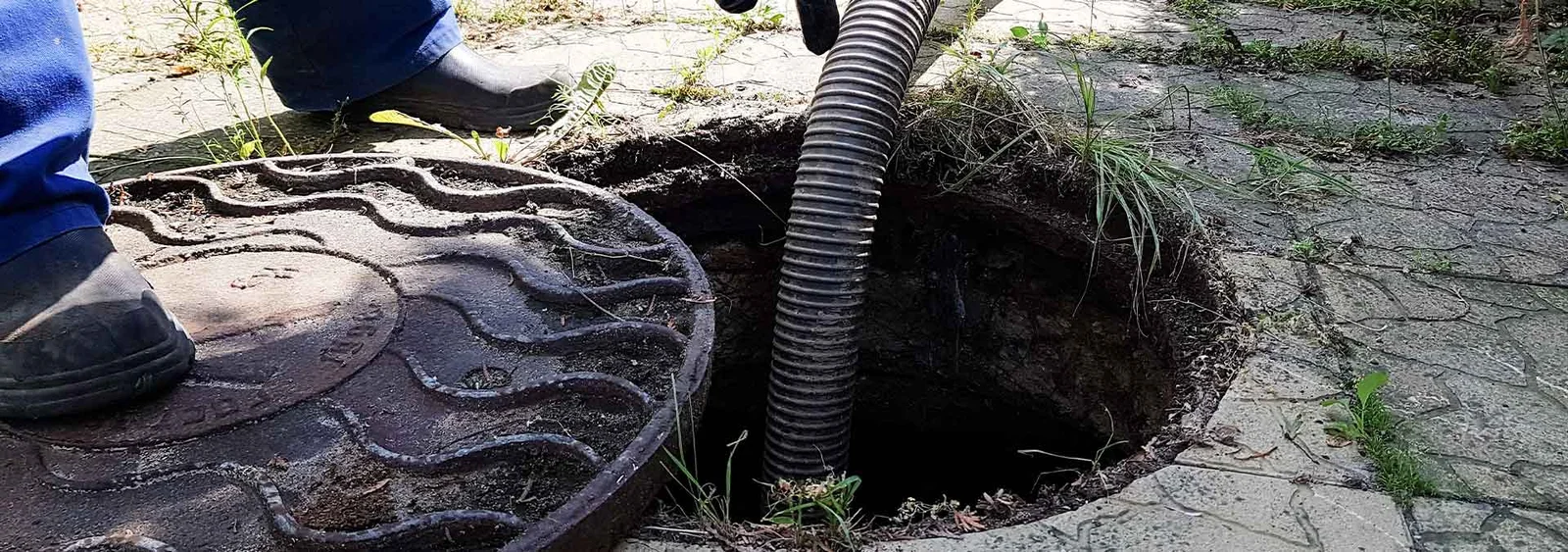
Our technicians use commercial-grade extraction equipment specifically designed for sewage situations. This includes truck-mounted pumps capable of removing large volumes of contaminated water quickly.
- Removal of all standing sewage water from affected areas
- Extraction of contaminated materials including carpet, padding, and drywall
- Disposal of biohazard materials according to Colorado regulations
- Removal of affected insulation and other porous materials that cannot be sanitized
Sanitization and Drying
After extraction, we apply EPA-registered antimicrobial treatments to all affected surfaces. Industrial air movers and dehumidifiers establish controlled drying conditions that prevent secondary mold growth – a particular concern given Westminster's fluctuating humidity levels between seasons.
- Application of hospital-grade disinfectants to all contaminated surfaces
- Strategic placement of drying equipment based on moisture mapping
- Daily monitoring of moisture levels until targets are achieved
- Final clearance testing to confirm successful remediation
Insurance & Documentation
Sewage backup claims require thorough documentation to support your insurance filing. Our team understands the specific information insurance adjusters need and captures it from the moment we arrive on scene.
- Timestamped photographs documenting initial conditions and contamination extent
- Detailed moisture readings using calibrated meters at multiple inspection points
- Itemized inventory of damaged materials and contents
- Daily progress reports tracking remediation activities
- Final documentation package confirming restoration completion
We work directly with your insurance company throughout the claims process, providing the technical information they require. Our technicians hold IICRC certifications in water damage restoration and applied structural drying – credentials that insurance companies recognize as industry standards.
Many homeowner policies cover sudden sewage backups, though coverage details vary. We help you understand what documentation your specific policy requires and ensure our records meet those standards. This attention to detail streamlines the claims process and supports appropriate coverage for your restoration needs.
Why Choose Best Option Restoration of Lakewood
Our Westminster service area response means technicians familiar with local conditions arrive quickly when emergencies occur. We maintain 24/7 availability because sewage situations cannot wait for business hours – every hour of delay increases contamination spread and structural damage potential.
IICRC-certified technicians handle every sewage cleanup project. This certification requires ongoing training in the latest restoration techniques and safety protocols. Our team combines this technical expertise with genuine understanding of how stressful sewage emergencies are for property owners.
- Direct communication with project managers throughout the restoration process
- Commercial-grade equipment maintained to manufacturer specifications
- Compliance with OSHA safety requirements for biohazard work
- Follow-up moisture verification to confirm successful drying
- Coordination with plumbers and other trades when additional repairs are needed
Housing Characteristics & Sewage Cleanup Considerations
Westminster's housing stock reflects several distinct development periods that influence sewage system conditions throughout the city. The original Westminster neighborhoods developed during the 1950s and 1960s feature smaller ranch-style homes typically ranging from 1,000 to 1,400 square feet. These properties often have original cast iron or clay sewer lines that are now 60 to 70 years old.
Significant residential expansion occurred during the 1970s and 1980s, bringing split-level and bi-level homes to subdivisions throughout central Westminster. These properties average 1,400 to 2,000 square feet and typically feature basements – the most common location for sewage backup damage. The sewer infrastructure in these neighborhoods has reached the age where pipe deterioration becomes increasingly common.
- Older homes with basement floor drains provide direct entry points for sewer backups
- Multi-story construction requires assessment of vertical contamination spread
- Finished basements in 1980s-era homes often have carpet and drywall requiring removal
- Concrete slab foundations in some areas limit access for moisture detection
- Crawl spaces in certain neighborhoods require specialized remediation approaches
Newer developments in northwest Westminster feature modern PVC sewer lines and updated building codes, though these properties still experience backup events from municipal system issues or improper use. Understanding these construction differences helps our team arrive prepared with appropriate equipment for each property type.
Environmental Conditions & Sewage Cleanup Implications
Westminster's high-altitude semi-arid climate creates specific challenges for sewage cleanup and structural drying. Average relative humidity ranges from 30% to 50% throughout much of the year, though summer monsoon patterns can temporarily increase moisture levels. This generally dry climate benefits the drying process but requires careful monitoring to prevent over-drying of building materials.
The city sits at approximately 5,400 feet elevation, where lower atmospheric pressure affects evaporation rates and drying equipment performance. Our technicians calibrate equipment settings specifically for Front Range conditions to optimize drying efficiency. Temperature swings of 30 to 40 degrees within single days – common during spring and fall – require ongoing adjustment of drying strategies.
- Low humidity accelerates surface drying but can trap moisture in structural cavities
- High UV exposure at altitude helps with outdoor decontamination when applicable
- Clay-heavy soils throughout Westminster affect drainage around foundations
- Snowmelt infiltration during spring creates peak periods for sewer system stress
- Summer afternoon thunderstorms can overwhelm storm and sanitary sewer systems
Colorado environmental regulations govern proper disposal of contaminated materials from sewage cleanup projects. We maintain compliance with state requirements for biohazard waste handling and transport, ensuring removed materials reach appropriate disposal facilities rather than standard landfills.
Population Characteristics & Sewage Cleanup Considerations
Westminster's population of approximately 115,000 residents creates steady demand for restoration services throughout the city. The community includes a mix of young families, working professionals, and retirees distributed across diverse neighborhoods. Median household income in Westminster exceeds the national average, with many residents owning their homes and maintaining homeowner insurance policies that cover sudden sewage backup events.
The city functions as a bedroom community for both Denver and Boulder employment centers, meaning many residents work outside Westminster during business hours. This employment pattern means sewage emergencies often go undetected during the day, potentially allowing contamination to spread before homeowners return. Our rapid response capability helps minimize damage once problems are discovered.
- High homeownership rates mean more properties with maintained insurance coverage
- Dual-income households often require flexible scheduling for restoration access
- Aging population in established neighborhoods may need additional communication support
- Diverse community requires sensitivity to various household needs and concerns
- Pet ownership is common, requiring attention to animal safety during remediation
Westminster's suburban character means most properties have yards and landscaping that can be affected by sewer line issues. Tree roots from mature landscaping in older neighborhoods represent one of the most common causes of sewer line damage we encounter in residential properties throughout the city.
Westminster Infrastructure & Sewer System Data
Westminster's municipal sewer system serves the majority of city residents through an extensive network of collection lines that ultimately connect to the Metro Wastewater Reclamation District for treatment. The city maintains approximately 450 miles of sanitary sewer lines, with ongoing capital improvement projects addressing aging infrastructure in older neighborhoods.
Understanding the local sewer system helps explain why backups occur and how to prevent them. The city has identified several areas where infrastructure improvements are prioritized based on pipe age and condition assessments.
- Original sewer lines in central Westminster date to the 1950s and 1960s
- The city conducts regular video inspection of main sewer lines to identify problem areas
- Combined sewer overflow events can affect properties during heavy precipitation
- Private lateral lines connecting homes to city mains remain homeowner responsibility
- Westminster offers sewer line insurance programs through third-party providers
Seasonal patterns affect sewage backup frequency throughout Westminster. Spring snowmelt periods create peak stress on the sewer system as groundwater infiltration increases. Summer monsoon storms can overwhelm system capacity in areas with older infrastructure. Winter brings frozen pipe risks, particularly in crawl spaces and unheated areas of older homes.
The city's continued growth in northwest areas has prompted infrastructure expansion, but older central neighborhoods remain most vulnerable to sewer-related issues. Properties in these established areas benefit from proactive sewer line inspection and maintenance to identify problems before backups occur. When emergencies do happen, Best Option Restoration of Lakewood provides the rapid professional response Westminster residents need to protect their health and property.
Weather & Alerts in Westminster, CO
Current Conditions
Temp: 42°F · Feels like: 38°F
Humidity: 82% · Wind: 6 mph
Emergency Alerts
No active alerts.
Sewage Cleanup in Other Service Areas
Useful Numbers
- Life-threatening emergencies
- 911
- Poison Control
- 1-800-222-1222
- Suicide Prevention Lifeline
- 988
- Police (non-emergency)
- Visit your local police department website
- Fire Department (non-emergency)
- Check the Westminster city website
- City Hall
- Available on the official Westminster government website
- Non-Emergency Services
- Call 311 if available in your area
Always verify numbers from official city/county websites.