
Best Option Restoration explains how to prepare your home for heavy rainfall by addressing common failure points like clogged gutters, dead sump pumps, and foundation cracks before storms hit.
- A single inch of rain dumps about 1,250 gallons on a 2,000-square-foot roof. Clean gutters and extend downspouts at least 4 feet from the foundation to prevent overflow against walls.
- Test your sump pump by pouring water into the pit and confirming it drains. Add a battery backup since power outages often coincide with heavy storms.
- Ground should slope away from your house about 6 inches over the first 10 feet. Seal foundation cracks and cover window wells to block water entry points.
Start by cleaning gutters and downspouts so water flows freely away from your foundation. Extend downspouts at least six feet from your home and check that your yard slopes away from the structure. Inspect basement walls for cracks, apply waterproof sealant where needed, and consider installing a sump pump with battery backup for added protection during storms.
A single inch of rain dumps about 1,250 gallons of water onto a 2,000-square-foot roof. When a storm parks over Lakewood for an afternoon, that volume has to go somewhere. Without a plan, it goes into your basement.
Heavy rainfall preparation means fixing the weak points water finds first: clogged gutters, dead sump pumps, and hairline foundation cracks. This post walks you through specific checks you can finish this weekend. Each tip targets a failure point we see on real water-damage calls.
Most flooded basements are not caused by freak storms. They come from small issues nobody checked until the water arrived.
Why Heavy Rainfall Preparation Protects Your Home
Water moves to the lowest point and exploits the smallest gap. A quarter-inch gutter clog or a cracked window-well seal becomes the entry point.
Colorado’s Front Range sees sudden, intense storms that drop heavy volume in under an hour. Soil that was dry for weeks cannot absorb it fast. The runoff pools against foundations and pushes inside.
The goal of home protection before a storm is simple: move water away from the building and keep your drainage systems working. Everything below supports that single objective.
Start With Your Gutters and Downspouts
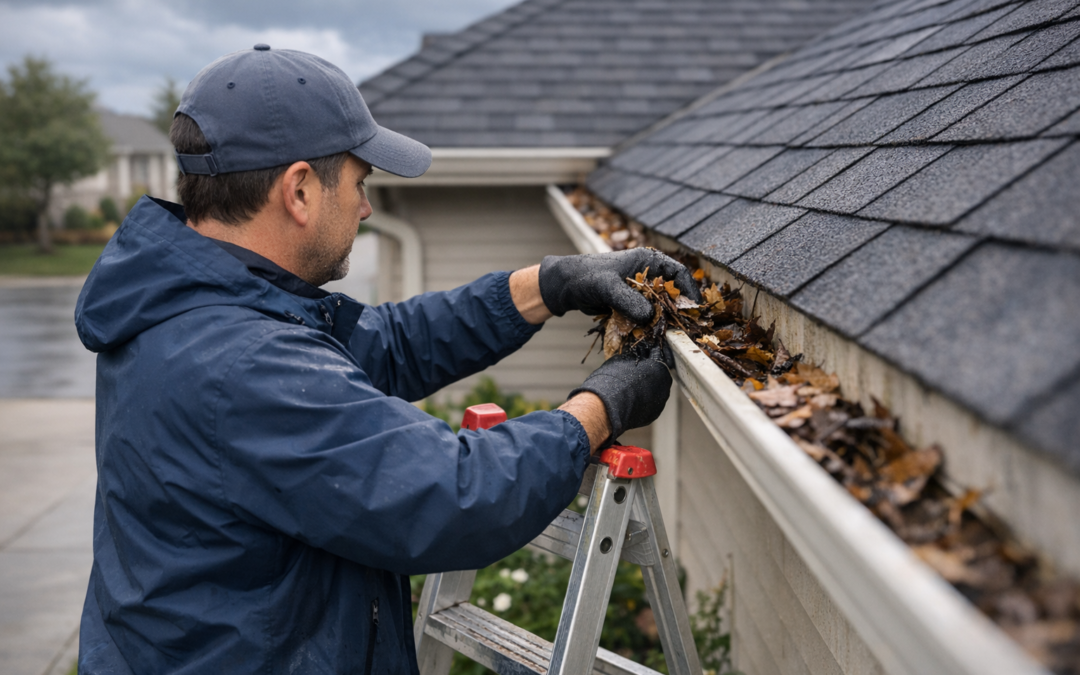
Clogged gutters are the number one cause of water reaching a foundation. When a gutter overflows, rain sheets straight down the exterior wall and collects at the base.
Clean and Inspect Before the Season
- Remove debris from every gutter run, not just the visible sections near the driveway.
- Flush with a hose and watch each downspout outlet for a strong stream.
- Check seams and brackets for sagging, which creates pooling spots.
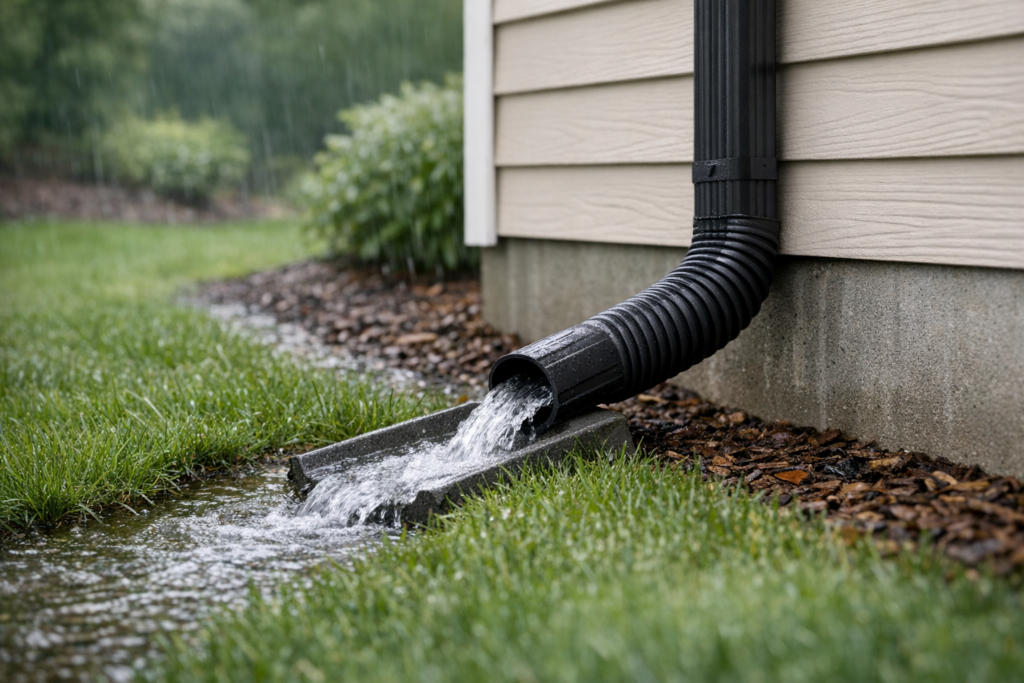
- Confirm downspouts discharge at least 4 feet from the foundation.
A downspout that empties right next to the wall defeats the whole system. Add an extension or splash block to carry water onto the lawn.
The Grading Test Most Homeowners Skip
Walk your foundation after a rain and look for standing puddles against the wall. Ground should slope away from the house about 6 inches over the first 10 feet.
If water pools toward the foundation, build up soil to redirect it. This one fix stops more seepage than any gadget you can buy.
Test Your Sump Pump Before You Need It
A sump pump is your last line of defense against basement flooding. It only helps if it runs when the storm hits.
We pull out more dead pumps after storms than any other single piece of equipment. The failure is almost always a stuck float or a tripped breaker nobody noticed.
A Five-Minute Sump Pump Check
- Pour a bucket of water into the pit and confirm the pump kicks on and drains it.
- Check the float moves freely and is not jammed against the pit wall.
- Verify the discharge line is clear and routes water away from the house.
- Add a battery backup if your area loses power during storms.
Power outages and heavy rain arrive together. A pump wired only to household current goes dark exactly when you need it.
Seal the Cracks Water Uses to Get In
Foundation and basement wall cracks are direct pathways for groundwater under pressure. Even a hairline gap widens as saturated soil presses against it.
Where to Look First
Scan these spots with a flashlight on a dry day:
- Foundation corners, where settling creates diagonal cracks.
- Around basement windows and window wells, a frequent leak source.
- Where pipes and utilities enter the wall.
- Floor-to-wall joints in finished basements.
Seal small gaps with hydraulic cement or polyurethane sealant. Mark any crack wider than a nickel and have it evaluated, since it may signal a structural shift.
Clear and Cover Window Wells
Window wells fill with water when their drains clog. Remove leaves and dirt, then confirm the gravel drain still flows.
Clear plastic covers keep rain out and still let light in. This is one of the cheapest fixes with the highest payoff.
Check the Roof and Attic
Roof leaks start small and spread across ceilings before you spot them. A single lifted shingle lets wind-driven rain under the deck.
From the ground, look for missing, curled, or cracked shingles. Inside the attic, check for daylight through the boards and dark water stains on the sheathing.
Flashing around chimneys and vents fails more than the shingles themselves. Check the metal and sealant where the roof meets any vertical surface.

 Posted on Google
Protect Your Interior and Belongings
When a basement takes on water, what you store there decides how bad the loss gets. A few moves cut your risk before the first drop falls.
- Raise stored items onto shelving at least 4 inches off the floor.
- Move documents and electronics out of below-grade rooms.
- Store valuables in sealed plastic bins, never cardboard.
- Know where your water shutoff is in case a pipe fails during the storm.
- A wet/dry shop vacuum for small intrusions.
- Towels, a mop, and a squeegee to push water to a drain.
- A flashlight and fresh batteries for power outages.
- Sandbags or water-activated barriers for known problem doorways.
- The number for a restoration company saved in your phone.
- Stop the source if safe, and cut power to affected rooms.
- Remove standing water with a pump or shop vacuum.
- Pull wet carpet and padding away from walls.
- Run fans and a dehumidifier to dry the space.
- Call a restoration team for anything larger than a small puddle.
- Ready.gov – Floods
- EPA – Mold Cleanup in Your Home
- FEMA – Flood Insurance
Photograph finished basement spaces now. If damage happens, that record speeds up your insurance claim.
Build a Simple Storm-Response Kit
Having the right items staged saves time when water is already coming in. Keep this kit where you can reach it fast.
Shop vacuums handle a few gallons. Anything beyond that calls for extraction equipment and fast drying to stop mold.
What to Do When Water Still Gets In
Act within the first 24 to 48 hours to limit damage and mold growth. Mold can begin forming on wet drywall and framing within a day or two.
Standing water hides electrical and contamination hazards. When a storm overwhelms your prep, Best Option Restoration responds with extraction, structural drying, and moisture monitoring.
Key Takeaways
Clean gutters, a tested sump pump, and sealed foundation cracks stop most storm water damage before it starts. Grading and clear window wells push water away from the building where it belongs.
Finish these checks before the next forecast, then keep a response kit ready. If heavy rain still floods your home, call Best Option Restoration at 303-500-3187, text 303-500-3187, or email info@borlakewood.com. Visit https://borlakewood.com for fast water-damage response.