
Flood insurance provides protection that standard homeowners policies exclude, covering damage from rising external water like overflowing rivers and storm surge. Best Option Restoration explains why this coverage matters for homeowners in Lakewood and other flood-prone areas.
- A single inch of floodwater can cause over $25,000 in damage. Standard homeowners insurance does not cover flood damage, leaving families to pay out of pocket.
- More than 40% of NFIP claims come from outside high-risk zones. Policies have a 30-day waiting period, so buying after a storm forecast is too late.
- Insured homeowners can start restoration immediately rather than waiting weeks for funds. Fast water extraction within 24 to 48 hours prevents mold growth and structural damage.
Flood insurance provides financial protection against water damage that standard homeowners policies do not cover. It pays for structural repairs, replacement of personal belongings, and cleanup costs after flooding events. This coverage helps homeowners avoid paying tens of thousands of dollars out of pocket, since even one inch of floodwater can cause over $25,000 in damage to a home.
A single inch of floodwater inside a home can cause more than $25,000 in damage. Standard homeowners policies exclude flood damage entirely, leaving many families to pay for repairs out of pocket. The flood insurance benefits covered below show why separate coverage matters for anyone living near rivers, lakes, or low-lying areas.
This post breaks down what flood insurance protects, who needs it, and how it helps homeowners recover faster after water damage. Best Option Restoration has cleaned up countless flooded basements and ground floors across Lakewood, and the pattern is clear: insured homeowners recover faster.
What Flood Insurance Actually Covers
Flood insurance is a policy that pays for damage caused by rising external water, such as overflowing rivers, heavy rainfall, or storm surge. It covers losses that standard homeowners insurance coverage leaves out.
Most policies fall under the National Flood Insurance Program (NFIP), run by FEMA. Private flood insurers offer alternatives with higher limits.
Building Property Coverage
This part pays to repair or replace the physical structure of your home. It includes the parts most damaged when water enters a lower level.
- Foundation walls and anchoring systems
- Electrical and plumbing systems
- Furnaces, water heaters, and HVAC equipment
- Built-in appliances like dishwashers
- Permanently installed carpeting over an unfinished floor
- Staircases, cabinets, and paneling
Personal Property Coverage
This part pays for your belongings. Homeowners in flood-prone areas usually add it to protect contents on lower floors.
- Furniture and electronics
- Clothing and personal items
- Washers and dryers
- Portable air conditioners
- Food freezers and the food inside
The Flood Insurance Benefits That Matter Most in Flood-Prone Areas
Homes near water face repeat exposure, not a one-time risk. The strongest flood insurance benefits address that reality directly.
Protection Against Repeat Flooding
Properties in high-risk zones flood more than once over a 30-year mortgage. NFIP data shows homes in Special Flood Hazard Areas have a 26% chance of flooding during that span. A fire has a much lower chance of occurring in the same window.
Flood coverage renews each year, protecting you against each new event. One payout does not end your protection.
Coverage When Disaster Aid Falls Short
Federal disaster assistance only kicks in after a presidential disaster declaration. Many floods never reach that threshold.
Even when aid arrives, it comes as a loan you repay with interest. Flood insurance pays claims you never have to repay. That difference matters most for families already stretched by repair costs.
Faster, Fuller Recovery
Insured homeowners can start restoration immediately instead of waiting on government timelines. In our Lakewood work, the gap between insured and uninsured recovery is stark.
Insured families call a restoration crew within days. Uninsured families wait weeks while they gather funds, giving mold time to spread.
Who Needs Flood Insurance the Most
Flood insurance matters most for homeowners in or near mapped flood zones. Risk, however, extends beyond the obvious areas.
Homes in High-Risk Zones
If your property sits in a FEMA Special Flood Hazard Area, lenders require coverage for federally backed mortgages. These zones carry a 1% annual flood chance, which compounds over decades.
Homes in Moderate and Low-Risk Zones
More than 40% of NFIP claims come from outside high-risk zones. Flash flooding, clogged storm drains, and sudden snowmelt cause damage in areas that look safe on paper.
Lakewood sees rapid runoff during spring melt and summer storms. Homes near Bear Creek or low points in a subdivision face real exposure even without a river next door.
Homes with Finished Basements
A finished basement raises both your risk and your potential loss. NFIP building coverage for basements is limited, so personal property coverage becomes the main protection for items stored below grade.
What Flood Insurance Does Not Cover
Knowing the gaps helps you plan. Standard NFIP policies exclude several things homeowners assume are covered.
- Temporary living expenses if you must move out during repairs
- Currency, precious metals, and valuable papers
- Outdoor property like decks, patios, fences, and landscaping
- Vehicles, which fall under auto insurance
- Finished basement improvements, which have strict limits
- Damage from an unmaintained home, such as long-term seepage
Water from a burst internal pipe is not flood damage. That falls under homeowners insurance, not flood coverage.
How to Set Up Flood Coverage Before You Need It
Flood policies carry a standard 30-day waiting period before coverage starts. Buying after a storm forecast does not work. Follow these steps ahead of time.
- Check your flood zone using FEMA’s Flood Map Service Center.
- Request quotes from both NFIP and private flood insurers.
- Add personal property coverage if you store belongings on lower floors.
- Document your home with photos and a contents inventory.
- Keep digital copies of your policy and inventory off-site or in the cloud.
A documented inventory speeds up every claim. We have seen homeowners recover thousands more because they had photos of their belongings before the water arrived.

 Posted on Google
How Flood Insurance and Restoration Work Together
Flood insurance pays the bill. A restoration crew does the physical recovery. The two work best in sequence.
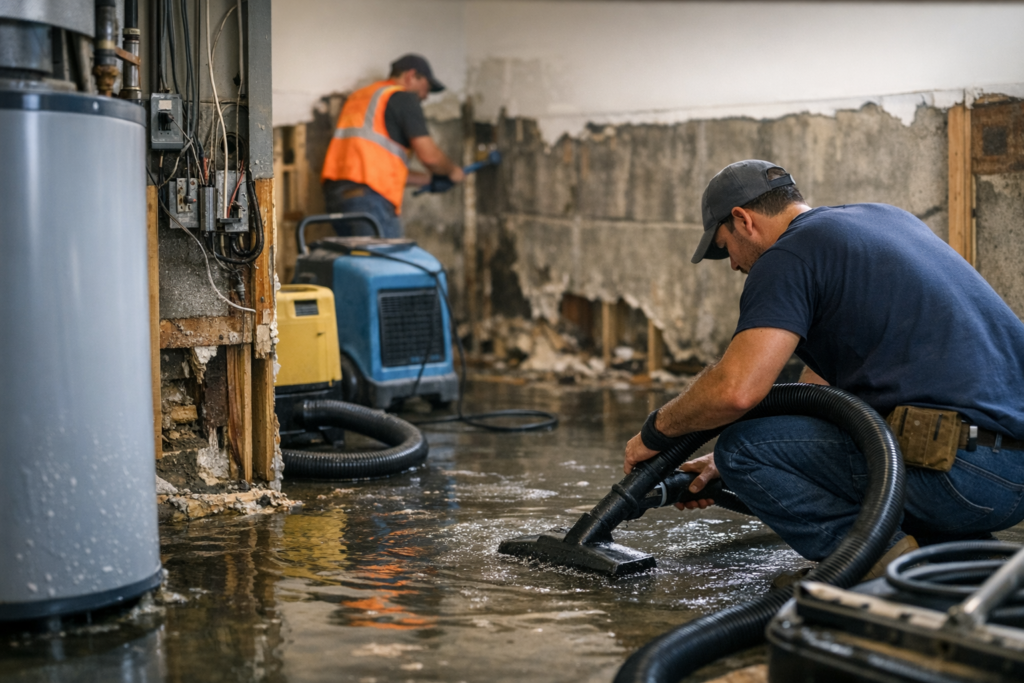
After a flood, water must be extracted fast to limit mold and structural damage. Mold can take hold within 24 to 48 hours of water exposure.
When you carry coverage, you can authorize extraction and drying immediately. Best Option Restoration works directly with claims adjusters, documenting damage so your payout matches the real loss.
A Real Pattern We See
A homeowner with a flooded Lakewood basement called us within hours of spring runoff backing up. Because they had flood coverage, we extracted water and set drying equipment the same day.
Their drywall and framing were saved. An uninsured neighbor who waited to find funds lost their lower level to mold. The difference was coverage and speed.
Common Questions About Flood Insurance Benefits
Is flood insurance worth it if I am not in a high-risk zone?
Yes, for most homeowners. Premiums outside high-risk zones run lower, and over 40% of claims come from those areas. The math favors coverage.
How much does flood damage cost without insurance?
Just one inch of water averages $25,000 in damage per FEMA estimates. A foot of water in a finished basement can exceed $50,000. Few households absorb that out of pocket.
Does flood insurance cover mold?
It covers mold caused directly by a flood event if you act to limit the damage. It does not cover mold from neglect or delayed cleanup.
Conclusion
Flood insurance benefits give homeowners in flood-prone areas something standard policies cannot: coverage for rising water, protection against repeat events, and funds they never repay. Paired with fast water extraction, that coverage is the difference between saving a home and losing a floor to mold.
If your Lakewood home has flood damage, Best Option Restoration can extract water, dry the structure, and work with your adjuster to document every loss. Call or text 303-500-3187, email info@borlakewood.com, or visit https://borlakewood.com.
Sources
- FEMA – FloodSmart: Why Buy Flood Insurance
- FEMA – National Flood Insurance Program
- FEMA – Flood Map Service Center
- Insurance Information Institute – Facts About Flood Insurance