
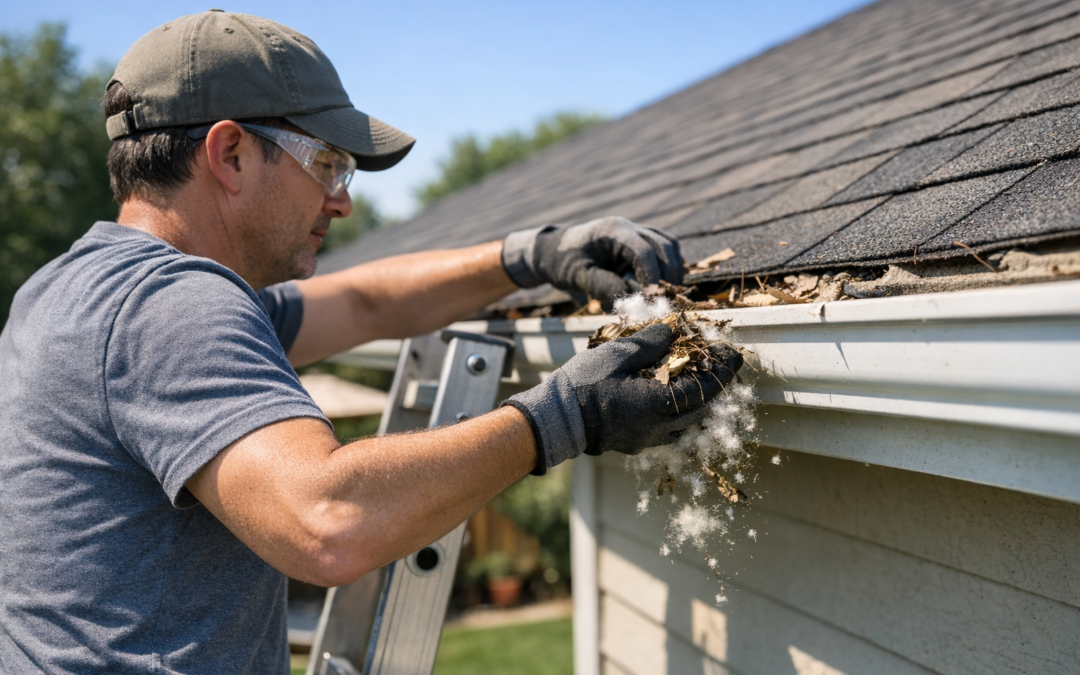
Summer storms in Colorado can overwhelm gutters and flood basements quickly, making early prevention and preparation key to avoiding costly water damage.
- Flash floods and high humidity are the main summer threats. Dry soil sheds water fast, pooling against foundations, while indoor humidity above 60% can grow mold in 48 hours.
- A pre-storm checklist includes clearing gutters, extending downspouts four feet from the house, grading soil away from foundations, and testing sump pumps with battery backups.
- Warning signs like musty smells, peeling paint, and damp spots should be addressed immediately. If flooding occurs, shut off power, stop the water source, and call a restoration crew within hours to prevent mold.
Start by cleaning gutters and downspouts before storm season begins to handle heavy rainfall. Inspect your roof for damaged shingles and seal any cracks in your foundation. Grade your yard so water flows away from your home, and consider installing a sump pump in your basement. Check window wells and add covers to keep water out of lower levels.
Summer storms in Colorado can dump an inch of rain in under an hour. That kind of volume overwhelms gutters, floods basements, and turns a dry crawl space into standing water fast. Summer water damage prevention starts before the first afternoon thunderstorm rolls in.
Below you will find the summer-specific risks most homeowners miss. You will learn how to spot warning signs early and what to do about them.
Our restoration crews respond to these exact scenarios every June and July. The tips here come from what we see inside real homes after the water recedes.
Why Summer Water Damage Looks Different
Summer water damage comes from two sources winter rarely produces: flash floods and high humidity. Both work fast and both hide until the damage is already done.
Flash floods hit hardest in July and August across the Front Range. Dry summer soil sheds water instead of absorbing it. Runoff pools against foundations within minutes.
Humidity works slower but costs just as much. Warm indoor air holds more moisture, which feeds mold behind drywall and under carpet. A basement at 70% humidity grows mold in 48 hours.
The three summer entry points we see most
- Foundation cracks — Storm runoff finds hairline cracks you cannot see from inside.
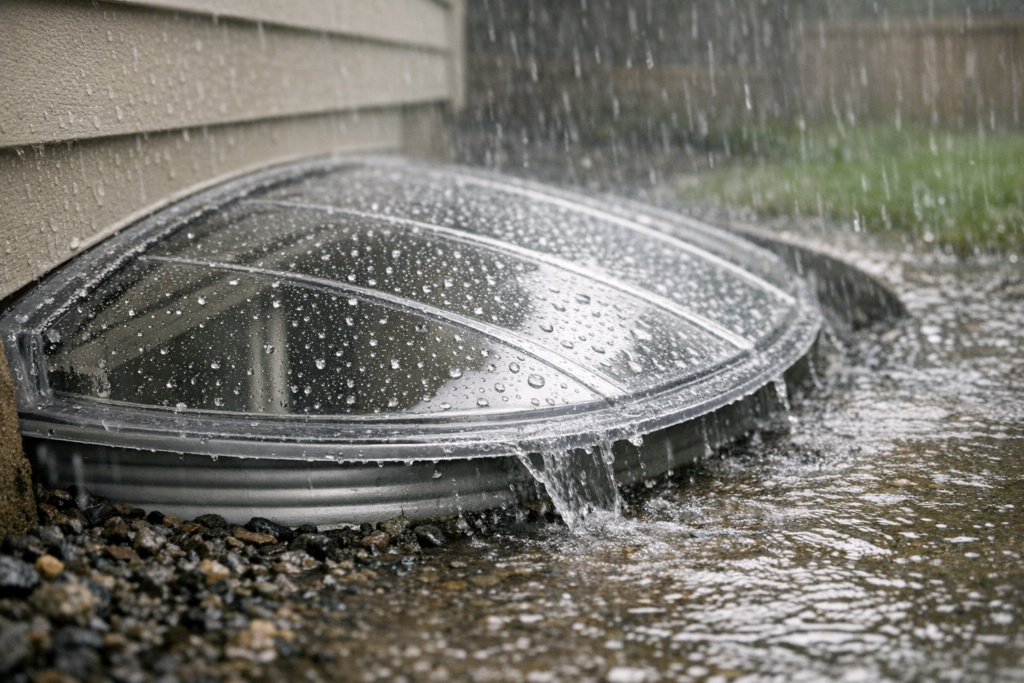
- Window wells — Uncovered wells fill during heavy rain and push water through basement windows.
- AC condensate lines — Clogged drain lines leak behind walls and under furnaces all season.
Summer Water Damage Prevention: Your Pre-Storm Checklist
Preventing summer water damage means preparing before the forecast turns. Follow this order to cover the highest-risk areas first.
- Clear gutters and downspouts. Cottonwood seeds and spring pollen clog gutters by early summer. A blocked downspout dumps water straight against your foundation.
- Extend downspouts four feet from the house. Short downspouts drop water where it seeps back toward the basement wall.
- Grade soil away from the foundation. Aim for a six-inch drop over the first ten feet. Flat or reverse grading channels rain toward your home.
- Install or clean window well covers. Clear covers block rain while letting light in.
- Test your sump pump. Pour a bucket of water into the pit. If the pump does not kick on, replace it before storm season.
Each step takes under an hour. Together they stop most flash flood intrusions we respond to.
The sump pump detail most people skip
A working sump pump fails when the power goes out during a storm. Summer lightning knocks out power exactly when you need the pump most.
Add a battery backup or water-powered backup pump. This one upgrade prevents the flooded basement calls we get after every major outage.
Controlling Humidity Before Mold Starts
Indoor humidity above 60% invites mold, warped floors, and musty odors. Summer air pushes basement humidity past that line without any visible leak.
Keep a hygrometer in your basement and lowest level. A $15 meter tells you when to act.
Steps that keep humidity in check
- Run a dehumidifier set to 50% in the basement from June to September.
- Check the AC condensate line monthly. Pour a cup of vinegar down the drain to clear algae buildup.
- Vent bathrooms and the kitchen outside, never into the attic.
- Fix dripping supply lines under sinks the day you notice them.
Mold does not need a flood to take hold. A steady 65% humidity reading does the job on its own.
Flash Flood Defense for the Front Range
Flash floods give little warning. A storm over the foothills can flood a neighborhood ten miles away within the hour.
Homes on slopes, near drainage ditches, or at the bottom of a street face the highest risk. Water travels downhill and collects at the lowest point.
What to do when a flash flood watch is issued
- Move stored items off the basement floor onto shelves or pallets.
- Park vehicles on higher ground away from ditches.
- Confirm your sump pump and backup are working.
- Set sandbags at basement doors and low garage entries if flooding is likely.
These home protection tips take fifteen minutes and save thousands in repairs.

 Posted on Google
Warning Signs You Already Have a Problem
Catching water damage early keeps a small repair from becoming a full restoration project. Watch for these signals during summer.
- Musty smell in the basement or near vents — the first sign of hidden mold.
- Bubbling or peeling paint on lower walls — moisture wicking through drywall.
- Cool, damp spots on the concrete floor after a storm.
- Stains around window wells or along the base of foundation walls.
- Higher water bills with no change in usage — a hidden supply line leak.
Any one of these warrants a closer look the same day. Moisture spreads faster in warm weather than cold.
When Water Damage Happens Anyway
Even prepared homes flood during a strong summer storm. Speed matters more than anything once water is inside.
Mold begins within 24 to 48 hours in summer heat. Standing water saturates drywall, baseboards, and subfloor during that same window.
What to do in the first hour
- Shut off power to the flooded area if safe to reach the breaker.
- Stop the source if it is a burst line or overflowing fixture.
- Move furniture and belongings to a dry space.
- Call a restoration crew to begin water extraction and drying.
Fast extraction and drying stop mold before it starts. Best Option Restoration answers calls around the clock during storm season.
Key Takeaways
Summer water damage prevention comes down to clearing drainage, controlling humidity, and preparing for flash floods before storms arrive. A working sump pump with backup power and basement humidity below 60% stop most problems we see. Act on musty smells and damp spots the day you notice them.
If water reaches your home this summer, call Best Option Restoration at 303-500-3187, text 303-500-3187, or email info@borlakewood.com. Our crews handle extraction, drying, and mold prevention fast. Learn more at https://borlakewood.com.
Sources
- Ready.gov – Floods
- EPA – Mold Cleanup in Your Home
- National Weather Service – Flood Safety
- FEMA – Flood Insurance and Preparedness