

A flooded basement in Lakewood, CO requires immediate action to prevent mold, structural damage, and health hazards. This guide covers safety steps, water removal, working with local utilities, and when to call restoration professionals.
- Never enter a flooded basement until electricity is shut off. Wait 30 minutes after cutting power, wear rubber boots and waterproof gloves, and use battery-powered lighting only.
- Document damage with photos and videos before removing water. Identify the source - whether burst pipes, sewer backup, foundation leaks, or appliance failure - and stop it if safe.
- Professional restoration is needed when water exceeds 2 inches, covers electrical outlets, involves sewage, or has been standing more than 6 hours. Mold can begin growing within 24 to 48 hours.
When facing a flooded basement in Lakewood, act quickly to minimize damage. First, turn off electricity to the area if safe to do so. Remove standing water using pumps or wet vacuums, then dry the space with fans and dehumidifiers. Document all damage for insurance purposes and contact a professional water damage restoration service to prevent mold growth and structural issues.
Water rushing into your basement can happen in minutes, but the damage can last for years if you don’t act fast. Whether it’s from Lakewood’s spring snowmelt, a burst pipe, or heavy rainfall, a flooded basement requires immediate action to prevent mold growth, structural damage, and health hazards.
This guide walks you through the critical first steps, safety precautions, and restoration process specific to Lakewood, Colorado conditions. You’ll learn what to do in the first hour, how to work with local utilities, and when to call restoration experts.
Immediate Safety Steps for a Flooded Basement
Never enter a flooded basement until you’ve shut off electricity to that area. Water and electricity create deadly combinations, and basement flooding can energize metal fixtures, appliances, and even standing water itself.
Contact Xcel Energy at 1-800-895-1999 to report power issues or request emergency shutoff if you cannot safely reach your electrical panel. Lakewood residents should know that city water pressure can drop during major flooding events, which may affect your ability to pump out water later.
Wait at least 30 minutes after shutting off power before entering the space. Wear rubber boots, waterproof gloves, and bring a battery-powered flashlight – never use extension cords or plug-in lighting in flooded areas.
First Hour Response for Basement Water Removal
The first 60 minutes determine whether you’ll face a manageable cleanup or extensive structural damage. Basement water removal must begin immediately to prevent absorption into drywall, insulation, and wooden framing.
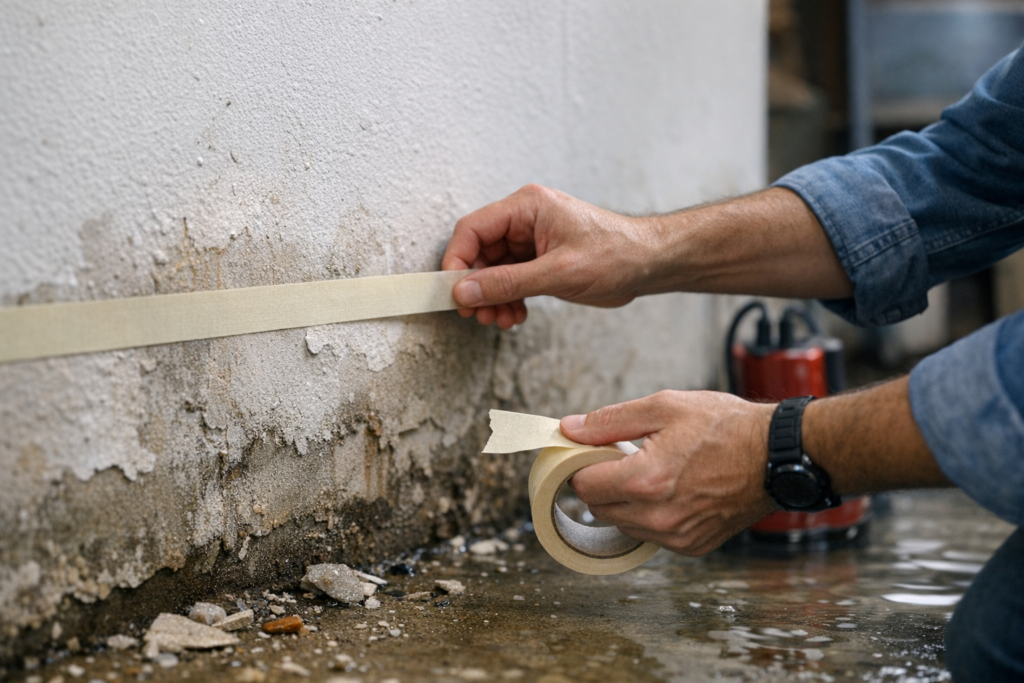
Document Everything Before Moving Water
Take photos and videos from multiple angles before touching anything. Insurance companies require documentation of water levels, damaged items, and the flooding source. Mark the high water line on walls with masking tape – this helps adjusters and restoration teams assess damage scope.
Stop the Water Source
Identify and stop the flooding source if safe to do so:
- Burst pipes: Shut off water at the main valve, usually located near your water meter
- Sewer backup: Contact Lakewood Public Works at 303-987-7800 immediately
- Foundation leaks: Clear exterior drains and check window wells for blockages
- Appliance failure: Shut off water supply lines to washing machines, water heaters, or HVAC systems
Begin Water Extraction
Remove standing water using the most powerful method available. Submersible pumps handle large volumes fastest, but wet/dry vacuums work for smaller floods. Pump water away from your foundation – at least 10 feet from exterior walls to prevent re-entry.
Dealing with Lakewood’s Climate Challenges
Colorado’s high altitude and low humidity create specific challenges for flooded basement recovery. At 5,400 feet elevation, Lakewood’s thin air holds less moisture, which can accelerate surface drying but trap water in building materials.
Spring flooding from snowmelt often brings contaminated runoff from streets and lawns. This gray water contains bacteria, chemicals, and debris that require different cleanup protocols than clean water from pipe breaks.
Temperature swings between day and night can create condensation issues during drying. Monitor humidity levels and maintain consistent temperatures between 70-80°F to prevent secondary water damage.
Working with Lakewood Utilities and City Resources
Report basement flooding to appropriate Lakewood departments based on the source and severity:
- Lakewood Public Works: 303-987-7800 for storm drain issues, sewer backups, or street flooding
- Xcel Energy: 1-800-895-1999 for electrical emergencies or power restoration
- Lakewood Water Resources: 303-987-7800 for water main breaks or service line issues
The city maintains flood zone maps and can provide information about recurring water issues in your neighborhood. Some Lakewood areas near Lakewood Gulch and Bear Creek have higher flooding risks during heavy rainfall.
Professional Flooded Basement Restoration Process
Water damage restoration follows specific steps that most homeowners cannot complete safely or thoroughly. Professional teams bring specialized equipment and expertise that prevents long-term problems.
Water Classification and Contamination Assessment
Restoration professionals classify water damage into three categories. Clean water from supply lines requires basic extraction and drying. Gray water from appliances or minor sewer issues needs disinfection. Black water from sewage or flood water requires extensive decontamination and material removal.
Structural Drying and Dehumidification
Professional-grade air movers and dehumidifiers remove moisture from inside wall cavities, under flooring, and within concrete foundations. This equipment operates 24/7 for 3-5 days, depending on materials affected and moisture levels.
Moisture meters track drying progress in real-time. Wood framing must reach below 19% moisture content, and concrete below 4% to prevent mold growth.
Mold Prevention and Air Quality
Mold spores begin growing within 24-48 hours in wet conditions. HEPA air scrubbers remove airborne contaminants during the drying process. Antimicrobial treatments prevent mold growth on surfaces that cannot be completely dried immediately.

 Posted on Google
Insurance Claims for Basement Flooding
Homeowner’s insurance coverage for basement flooding depends on the water source. Standard policies cover sudden pipe bursts but exclude flood damage from external sources. Sewer backup coverage requires separate endorsements in most policies.
Contact your insurance company within 24 hours of discovering damage. Many insurers provide emergency restoration approval over the phone, allowing immediate water extraction to prevent additional damage.
Keep detailed records of all expenses, including emergency restoration, temporary lodging, and damaged personal property. Save receipts for equipment rental, cleaning supplies, and any contractor work.
Preventing Future Basement Flooding
Lakewood’s soil conditions and weather patterns create ongoing basement flooding risks. Clay soil common in the area expands when wet, putting pressure on foundation walls and creating new leak points.
Install a sump pump system if your basement sits below the water table. Battery backup systems maintain protection during power outages that often accompany severe storms.
Grade soil away from your foundation with a 6-inch drop over the first 10 feet. Clean gutters and extend downspouts at least 10 feet from exterior walls. These steps prevent surface water from pooling near your foundation.
When to Call Professional Help
Contact restoration professionals immediately if water levels exceed 2 inches, covers electrical outlets, or has been standing for more than 6 hours. Sewage contamination, structural damage signs, or flooding from external sources require expert assessment.
Signs that indicate you need professional help include:
- Water affecting multiple rooms or floors
- Electrical systems or HVAC equipment underwater
- Visible mold growth or musty odors
- Warped flooring, ceiling stains, or wall damage
- Standing water that won’t drain after 24 hours
Professional restoration teams can respond within 1-2 hours and begin emergency water extraction immediately. They bring truck-mounted extraction equipment that removes water 10 times faster than portable units.
A flooded basement in Lakewood requires swift action and often professional expertise to prevent lasting damage. Following these steps protects your property and family health during a stressful emergency.
Best Option Restoration provides 24/7 emergency response for basement flooding throughout Lakewood, Colorado. Call 303-500-3187 for immediate assistance with water extraction, structural drying, and complete restoration services.
Sources
- EPA – Mold Cleanup in Your Home
- Ready.gov – Floods
- City of Lakewood – Public Works Department
- Insurance Information Institute – Water Damage and Homeowners Insurance